

How to Dress Like Old Money (Even Without the Trust Fund)

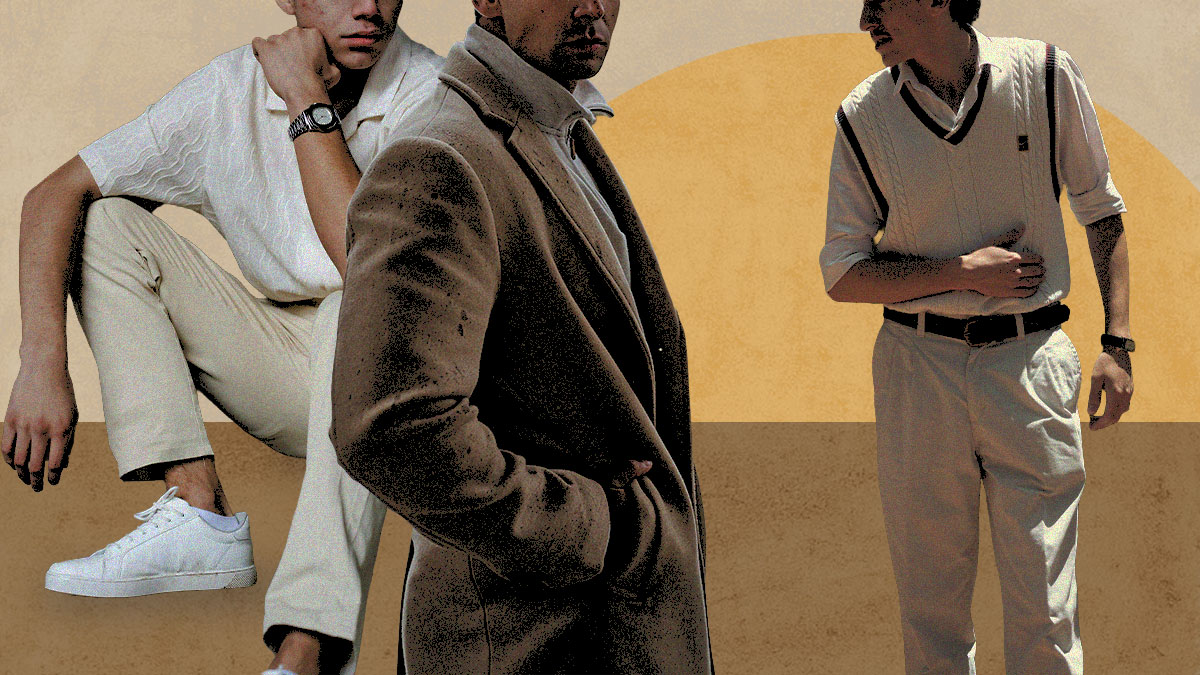
Money can’t buy taste. As the Pandora’s Box of nepo controversy unfolds in the Philippines, we bear witness to the families of corrupt officials donning outfits that are dripping in logos from head to toe. This ostentatious and blatant display of wealth has everyone cringing in disgust; even the old rich cannot help but shake their heads.
After all, in a world where logos abound and scream your limitless credit card, old rich aesthetic demands you whisper instead. That’s precisely why the old money look has regained cult status among those who want to signal taste over hype. But the old money aesthetic is a little tricky. Achieving it means looking like you come from wealth, but also, you’re not the type to brag about it.
ALSO READ:
Hustle in Style: Workwear Essentials for the Philippine Office Jungle
Understanding Different Shirt Collars and How to Wear Them
“Old money style” is often conflated with “quiet luxury” or “stealth wealth” — a sharp turn from flashy branding to a subtler approach that is often driven by craftsmanship. As Business of Fashion puts it, quiet luxury “has become one of the fashion industry’s hottest trends,” positioned as a reaction against pop culture and overt consumption. While fashion houses such as Loro Piana, Brunello Cucinelli, and The Row are routinely named among exponents of this look, favored for their muted branding and elevated basics, the roots of old money style go deeper.
Adopting this aesthetic requires more than just a pretty outfit. To truly embody the look means knowing about its philosophy and the mindset along with it.
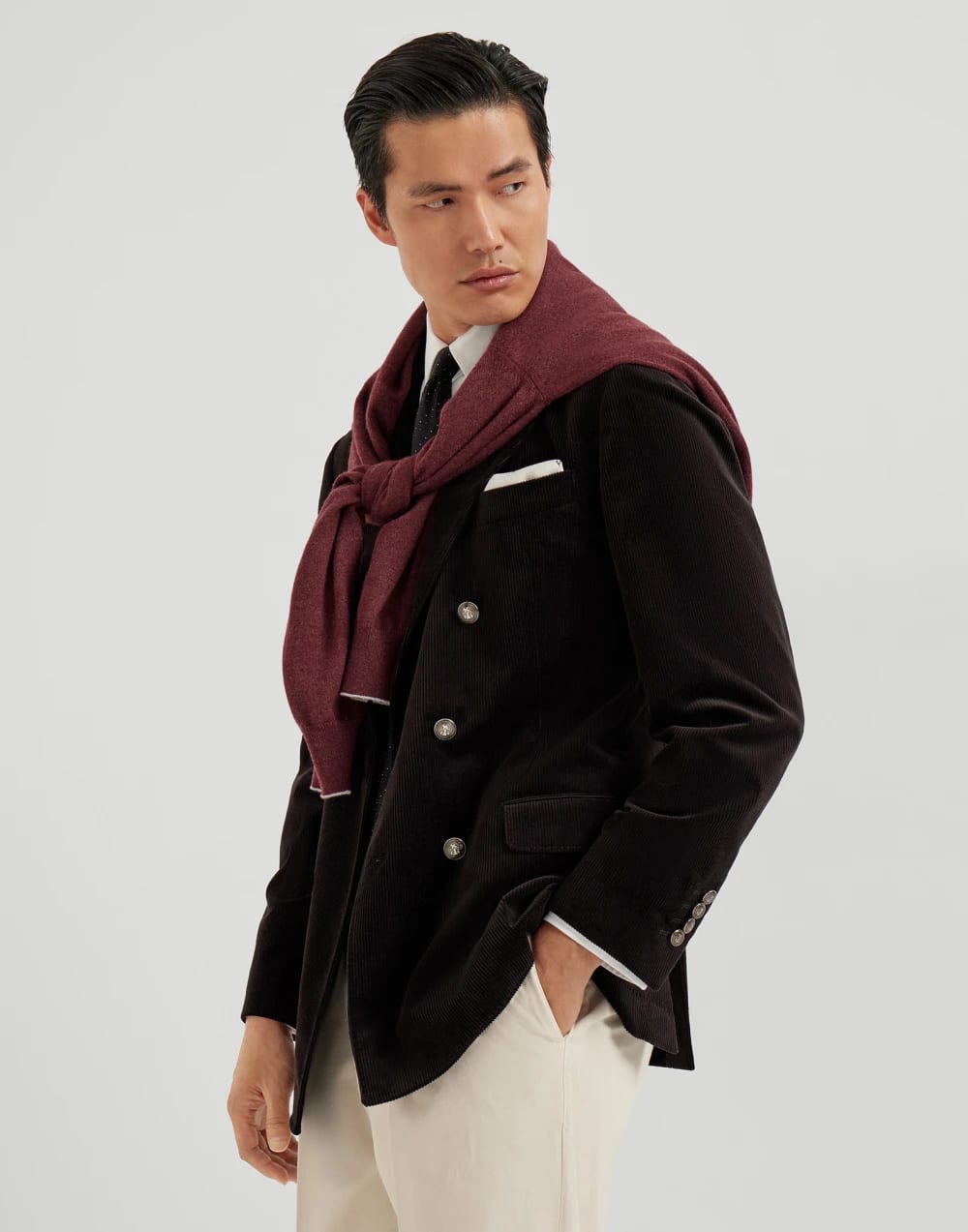
Comfort cotton and cashmere corduroy one-and-a-half breasted deconstructed blazer with metal buttons (U.S. $5,405) from Brunello Cucinelli
Origin of Old Money
"Old money" as a social signifier emerged in Western aristocratic and upper-class societies, where generational wealth came bundled with cultural codes. We’re talking estates, private schooling, country clubs, and yes, wardrobes that quietly communicated their place. The language of dress in these milieus was never about novelty. Instead, it’s about stability, tradition, and restraint. Over time, that wardrobe, featuring tweed, cashmere, muted suiting, tailored everything, loafers, and simple knits, became shorthand for an entire identity. One wherein you don’t need to prove your wealth by sporting various logos all over your person because your wealth is inherited.
In Distinction: A Social Critique of the Judgment of Taste, Pierre Bourdieu argued that “taste classifies, and it classifies the classifier.” In other words, what we wear is not only about function, but is also a social positioning tool: to mark ourselves as someone who already belongs. Fashion, in this sense, is an instrument of distinction: not just about what you choose, but what you intentionally reject. In the case of old-money style, that rejection is obvious: logos, flashy names. They’re noisy when the last thing you want is to call attention to your wealth.
In the 20th century, American brands like Brooks Brothers, J. Press, and Ralph Lauren codified an interpretation of this elite look. The democratization of that look, making it easily accessible for everyone and not just aristocrats, has blurred lines, but the aesthetic remains at its core: quality, restraint, and cohesion.
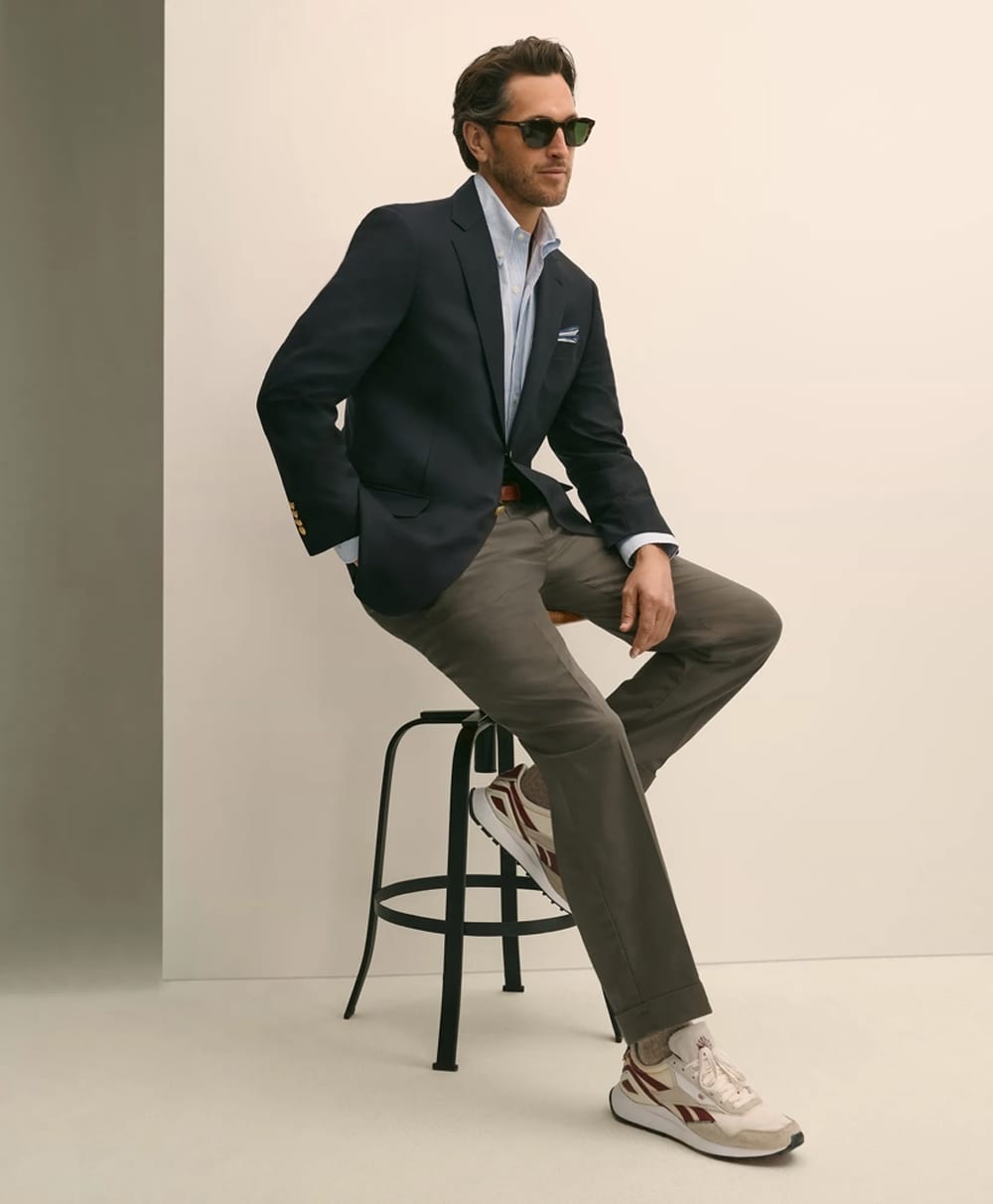
Traditional Fit Wool 1818 Blazer (U.S. $898) from Brooks Brothers
Today, the old-money aesthetic is more than a style trend: it’s a reaction to spectacle culture. As fashion commentary notes, quiet luxury marks a shift from conspicuous consumption to discreet curation. But not all agree. In a Business of Fashion op-ed titled "Debunking the Quiet Luxury Myth," Eugene Rabkin warns that quiet luxury is “likely to prove shallow and fleeting.”
After all, clothing doesn’t guarantee depth. A stylistic veneer without substance is just as bad as logo-heavy fashion. Dressing in silent fashion doesn’t mean still waters run deep, whether in pockets or in intellect.
Still, when done intentionally, it can be a timeless look that can carry you from morning to evening in nearly any setting without breaking a sweat.
Dress Like You Inherited a Hacienda
At its core, the old-money wardrobe is built on a few backbone pieces: crisp white shirts, well-cut chinos or trousers, structured blazers, fine knits, and elegant but understated shoes. It’s all about suggestion, rather than making a grand declaration.
First, curate a wardrobe capsule around this aesthetic. Given the climate in the Philippines, you could rotate between: linen button-ups, lightweight chinos, unlined blazers, loafers or leather derbies, a fine knit sweater (for indoor venues with air-conditioning), and a minimalist watch with a leather strap.
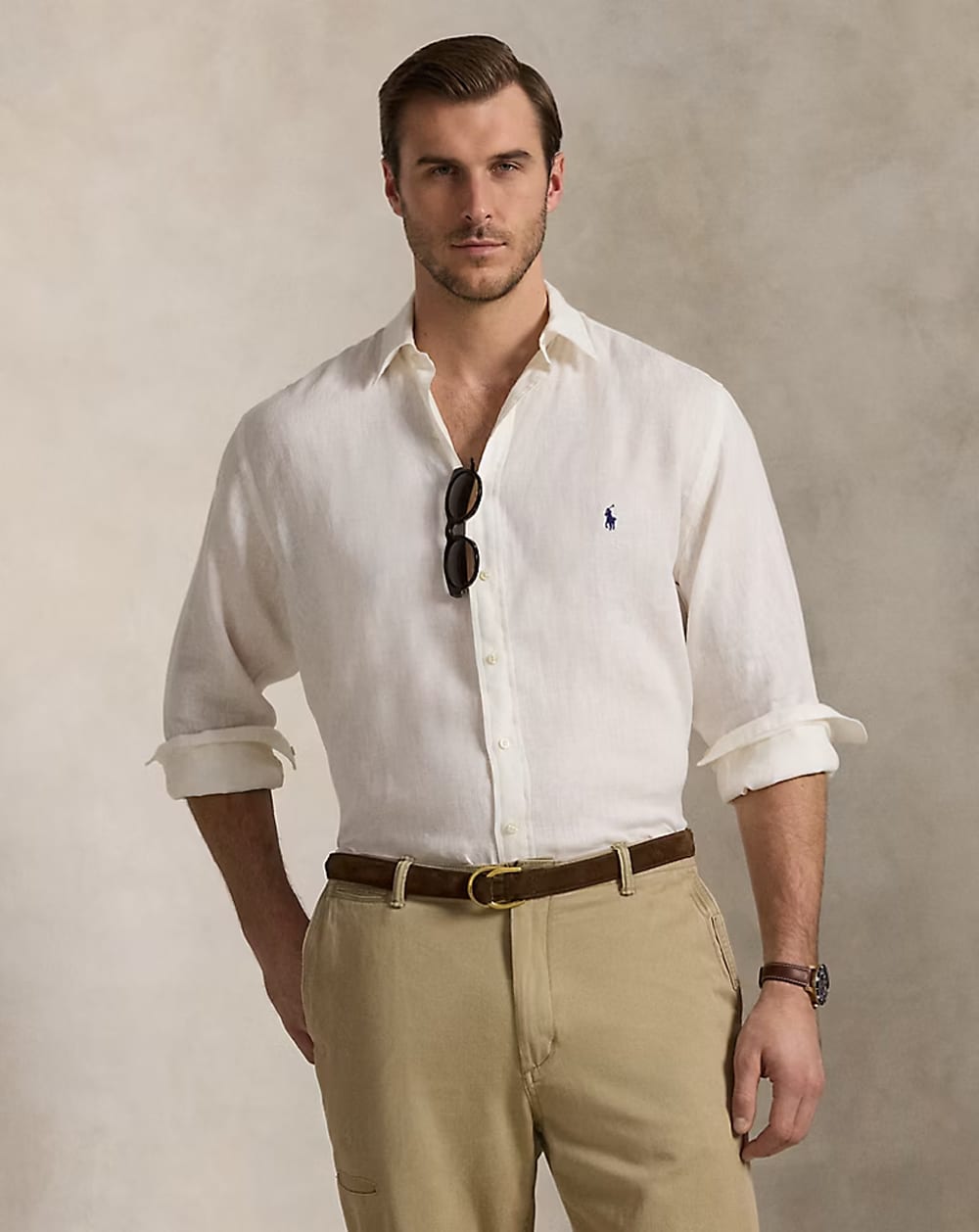
Linen Shirt (U.S. $148) from Ralph Lauren
Again, context matters. While wool suits and heavy tweeds look excellent in magazine spreads, they’re not as fun to wear when you’re traversing the streets of BGC during a sunny afternoon. You’ll want fabrics and cuts that provide structure without suffocating your body. Otherwise, instead of looking put-together when you get to where you need to go, you’ll be drenched in sweat and look disheveled.
So instead of going for heavy-fiber staples (tweed, thick wools, heavy cashmere, etc.), you have to find light, breathable, and durable alternatives. Choose linen, tropical-weight wool, cotton-linen blends, seersucker, and high-gauge knits. While linen easily wrinkles, wearing the right cut means embracing that subtle “lined-in” texture that oozes a je ne sais quoi that adds charm to an outfit. It says you care enough to dress well, while still having that approachable aura. Off-white, ecru, light sand — these neutral colors fall right into the aesthetic, but they also help you stay cool compared to dark colors that’ll retain more heat.
Next is fit. This is where many men miss the mark. There is a difference between looking “comfortable and confident” and “sloppy and ill-fitting.” Old money silhouette means a relaxed fit, but not poorly tailored. Clean lines, soft structure, and lightly draped garments. Your shirts should skim your form, but not pull at the chest. Jacket shoulders should lie flat, not bulk in the shoulders. Trousers should break once at the shoe, not puddle or ride up. Proper tailoring means outfits that aren’t skin-tight, but they shouldn’t balloon either.
Elijas Shirt in Cotton (U.S. $1,250) from The Row
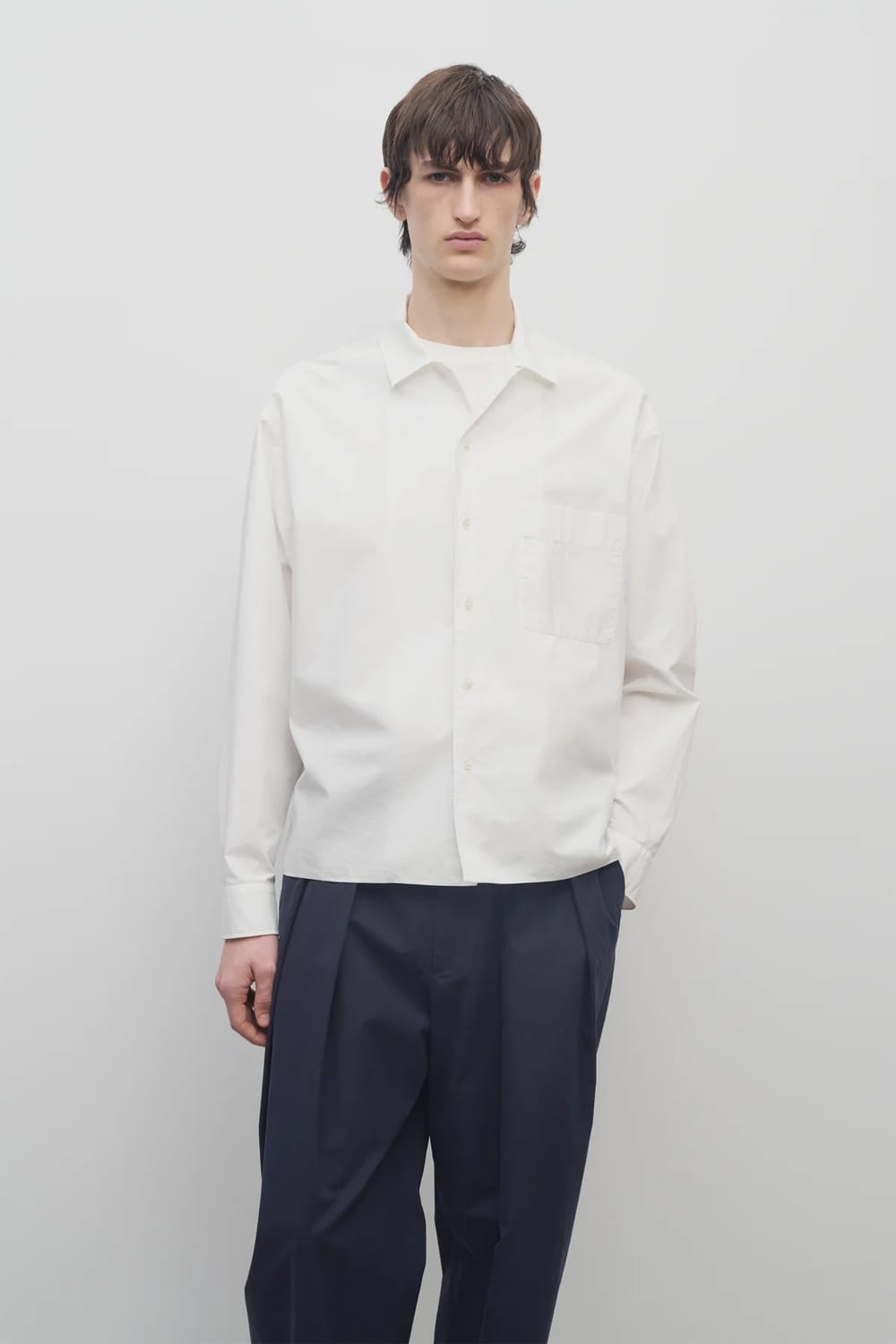
Tailoring is severely underrated. Even having your off-the-rack garments from Uniqlo, Mango, or Zara can be instantly elevated with minor adjustments to suit your anatomy.
Lastly, accessories. While clothing is the main statement, your accessories are necessary punctuation marks. Subtle, sparing, and 100% intentional. The old money template is, as always, discreet: a minimalist watch, leather briefcase or holdall for quick trips, understated sunglasses, and a small jewelry or item to add a touch of personality. Be it a lapel pin, a signet ring, or a minimalist bracelet, but nothing over the top. When considering quantity, remember: less is more. You want a nuance, a gleam, and not too much sparkle that makes you look like a walking jewelry rack.
For watches, go for classic designs with a thin case and polished steel or gold hardware. The leather strap offers more flexibility and is lighter on the arm. Avoid oversized chronographs and, again, logos. For eyewear, opt for heritage brands that are low profile: Persol, Oliver Peoples, Barton Perreira, etc.
Black Arrow sunglasses from Persol
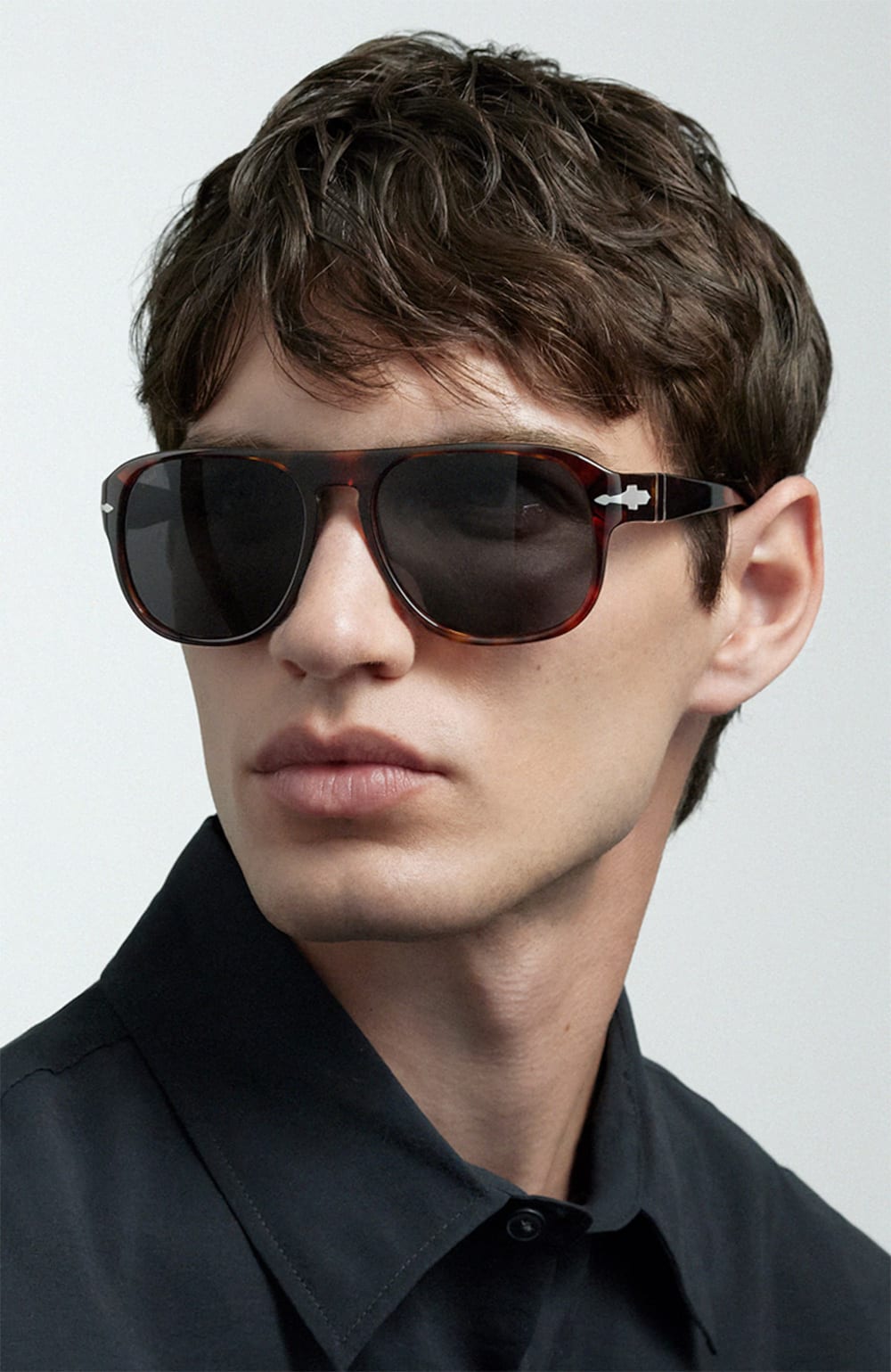
When choosing leather goods, consider if they will patina gracefully. Belts should complement your outfit; avoid massive buckle statements that pull unwanted focus on your pants.
Adjustments for the Tropical Climate
Other than choosing fabrics and fine tailoring, here are a couple more tips on how you can seamlessly incorporate an old money aesthetic into your wardrobe without sweating buckets or cursing the Philippine climate:
Figure out a rotation based on the seasons. During dry, summer seasons, lean into linen, light colors, and breezy layers. During wet, rainy seasons and colder months, you can add thicker fabrics and water-resistant outerwear. Just keep an eye on your palette and proportions to make sure it all works out consistently.
Viscose Polo Shirt (P2,795) from Zara
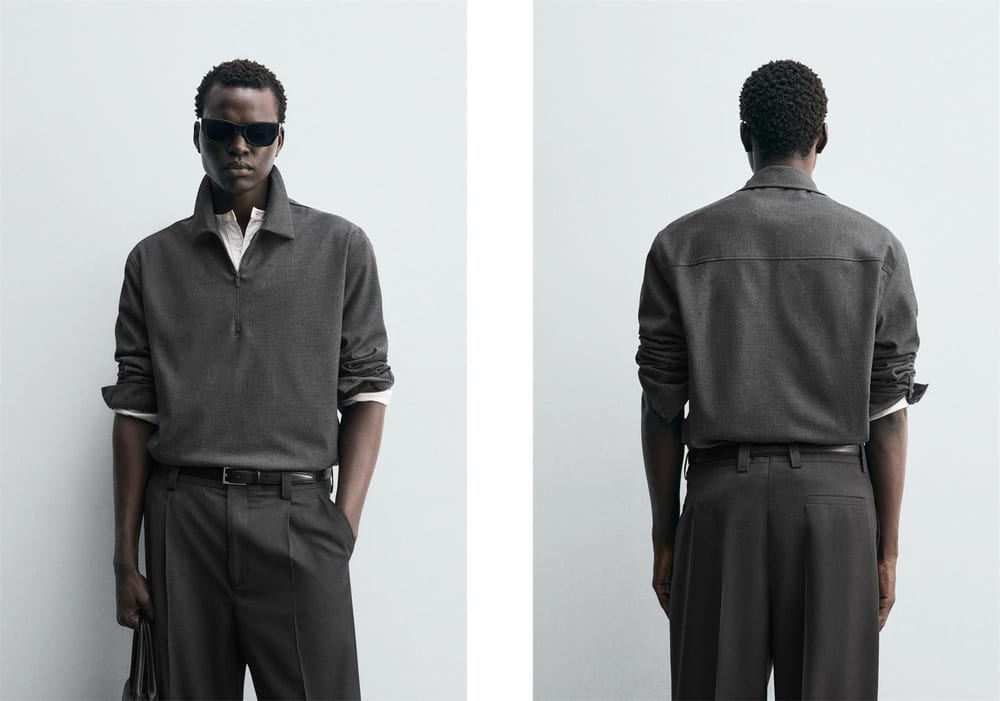
Strategic layering is key. Even though you’ll often find yourself under oppressive heat and sun when heading outdoors, inside is a whole other story. Offices, restaurants, hotels, and more are mostly air-conditioned — some to the point that makes you question if you’re still in the Philippines or if you were magically transported to the Arctic. To battle this hot-and-cold dilemma, carry a fine merino cardigan or a cotton-linen blazer that could easily fit in your bag.
Again, light colors retain less heat. Muted neutral like cream, beige, olive, dusty blue, taupe, crispy white, all of these ensure that you will be more confident in your look cause you won’t be heating up inside. In some cases, a contrast color can help liven up your outfit: think navy blue, chocolate brown, maroon, emerald green, etc. But use them sparingly or sandwich them between neutrals. You can also use texture to keep your outfit from going into boring territory.
Going for neutral colors and classic silhouettes and fits also means having to buy less. Instead of having an expansive wardrobe, curating a capsule wardrobe with pieces you can easily mix and match means you can invest more money into garments that can last longer. Fast fashion pieces may be cheap, but they also tend to wear out quickly.
Caring for these pieces is still important, however. Just because their quality means a longer lifespan doesn’t mean you can forego maintenance altogether. Mold and mildew are your enemy in this climate with the humidity and rain. Step one in caring for your clothes means reading the care instructions carefully and following them diligently. Hand wash or dry clean if necessary. Throwing them all into the washing machine and prayers may be easy, but they’re also a surefire way to ruin what could be a lifetime investment piece. Make sure to dry your pieces properly, invest in cedar wood hangers, and use breathable garment bags for your suits and blazers.
Aside from your wardrobe, grooming yourself also matters. Hair should be neat, but not stiff. Tousled, not forced. Maintaining a skincare routine, even an easy one involving the cleanser-moisturizer-sunscreen trio, is better than just soaping up your face or nothing at all. Nails should be clean, and facial hair shouldn’t be neglected. If you’re sporting a beard, it’s easy for it to toe the line between sexy and hobo.
Lastly, and more importantly, behavior and knowledge. Aside from moving with ease and having a calm composure, it’s important to let your posture and manners echo your classy clothing. All the styling in the world can’t make up for an impolite and crass attitude. Then knowledge. Consume good literature, travel to open your mindset, hone your interests, and expand your skillset when it comes to etiquette. Style unsupported by substance risks turning your outfits into costumes. Looking the part but fumbling like a fish out of water is a telltale sign and will not command respect.
