
Sole Survivor: How to Care for Leather Shoes

Before you start throwing conditioners and creams onto your newest Oxfords, it pays to understand what leather actually is. Leather is animal hide—usually cowhide—that has undergone a tanning process to prevent it from decomposing. There are different types of leather, but the most common in formalwear are full-grain leather, top-grain leather, corrected grain, and genuine leather, which is actually a misleading term for the lowest grade. "Genuine leather" is the bare minimum when dealing with leather products.
Full-grain leather, found in luxury brands like Hermès, retains the natural grain and is the most durable and breathable. Top-grain is slightly sanded and often more uniform-looking, like The Harrison Collection from The Tannery Manila. Corrected grain is heavily treated to hide imperfections, while genuine leather is what you’d find in most fast-fashion shoes or bags. If your shoes cost less than a steak dinner, chances are they’re not made of full-grain.
ALSO READ:
Where to Find Leather Shoes in Metro Manila
The Bad Bunny Guide to Pulling Off Head-to-Toe Leather
Battle Against Moisture
In the Philippines, where humidity levels average around 82%, breathability is key. Full-grain leather performs better because it allows moisture to escape. Lesser grades trap sweat, eventually leading to that notorious musty smell—and even mold. The Philippines’ tropical climate means two things for your shoes: excess moisture from sweat and/or rain, and high humidity that encourages mold and bacterial growth. Unlike synthetic materials, leather is porous—it soaks up water like a sponge, which can break down the material if left untreated.
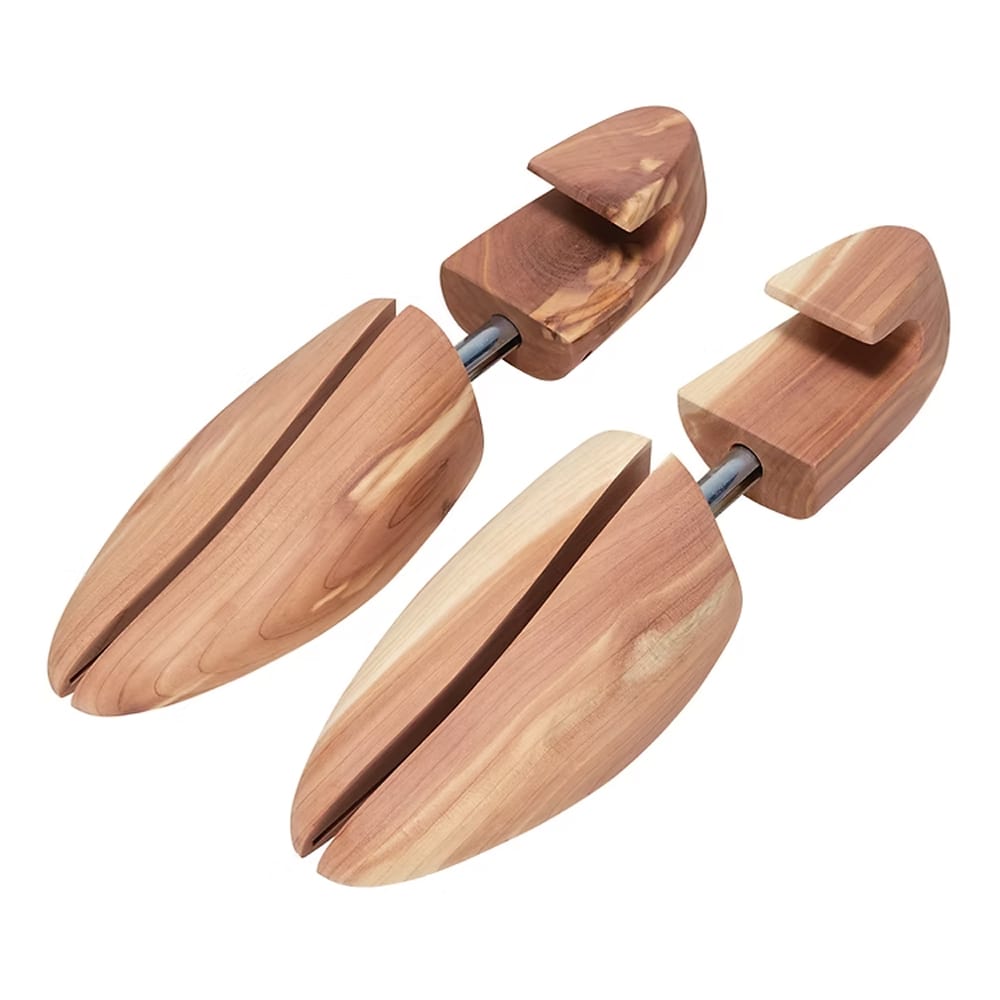
The first commandment? Never wear leather shoes two days in a row. Give them at least 24 to 48 hours to breathe and dry out completely. Invest in cedar shoe trees, MUJI Philippines has Red Cedar Shoe Keepers (P1,450 per pair), which makes sure your shoes stay in excellent form while the red cedar material naturally deodorizes, absorbs internal moisture, and repels insects. Plastic or aromatic shoe inserts can also work, but they’re less effective in moisture control.
MUJI Philippines' Red Cedar Shoe Keepers (P1,450)
And when you find yourself in torrential rain, don’t place your leather shoes under direct sunlight or hang them behind an appliance (like the refrigerator or air conditioner) to dry. Instead, stuff them with newspaper, replace it every few hours, and let them dry naturally. Then condition them thoroughly the next day. Leather is like skin: once it dries out and cracks, there’s no going back.
Daily and Weekly Leather Shoe Care Routine
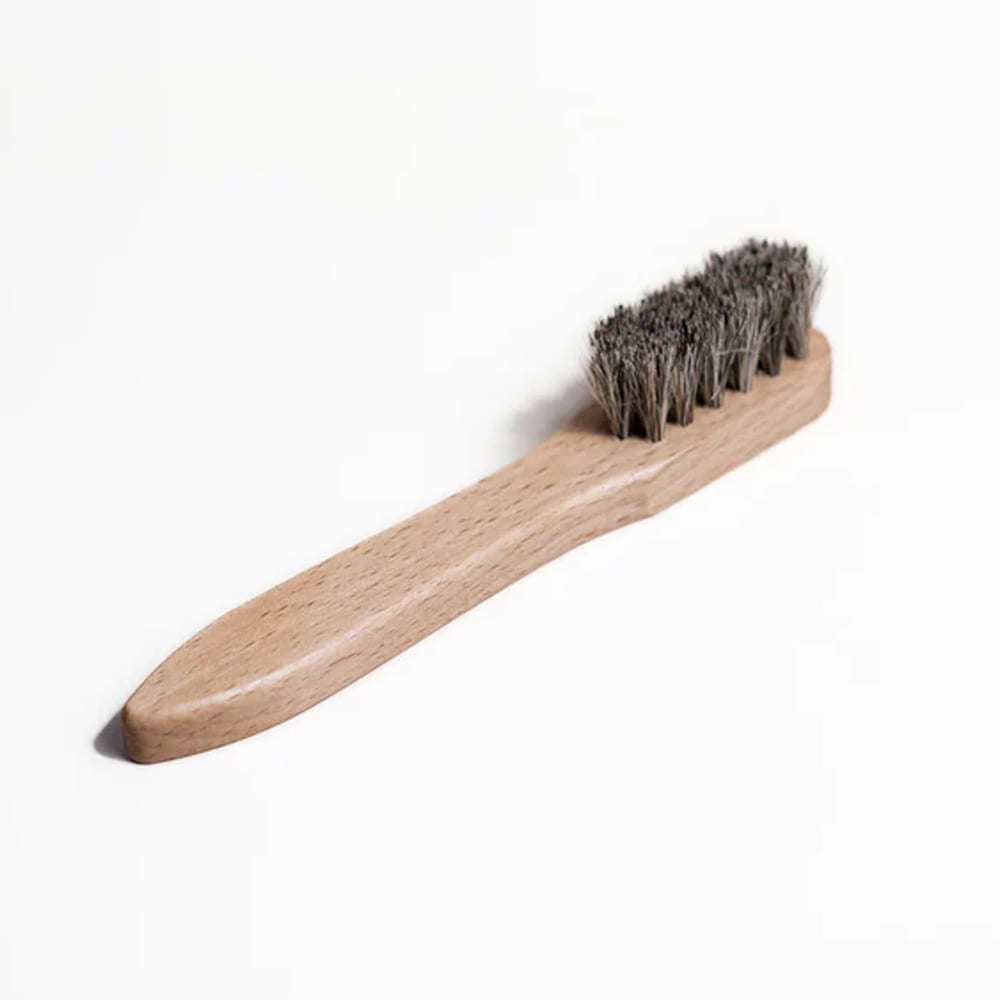
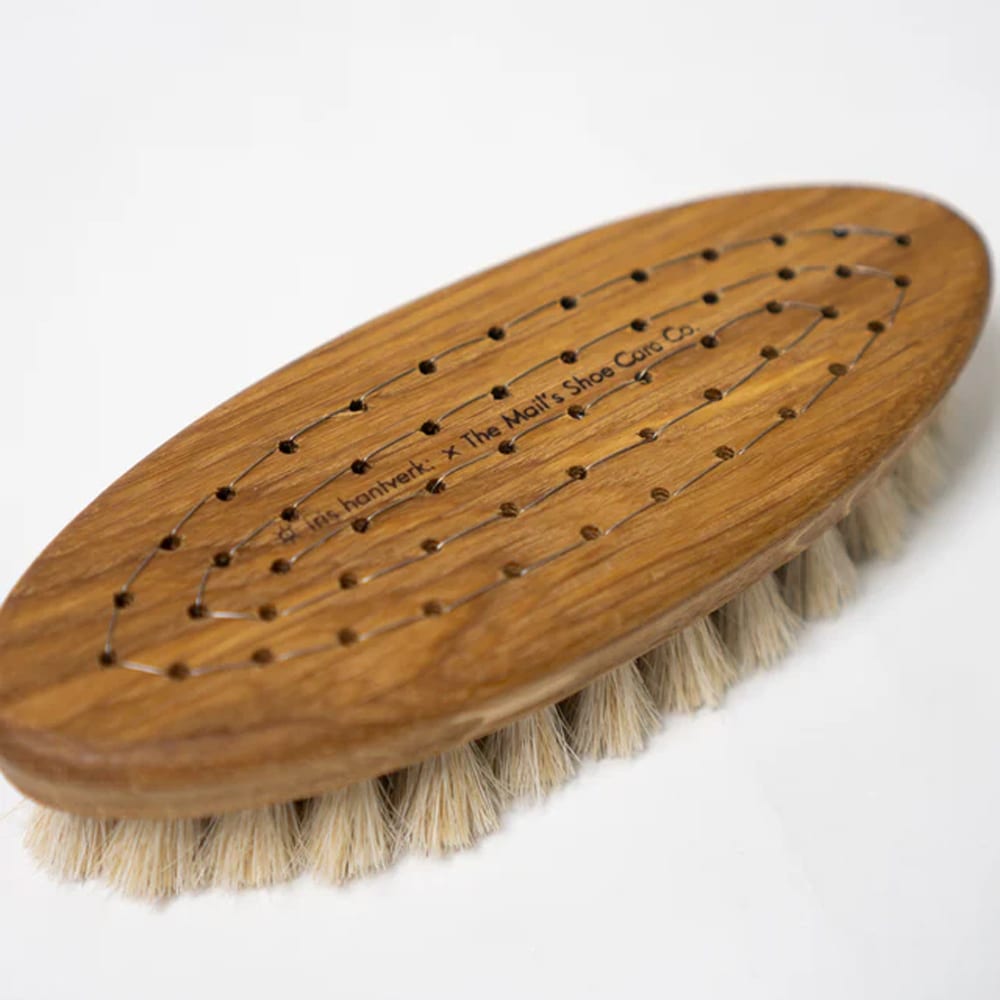
Daily maintenance is surprisingly simple, but often ignored. After each wear, give your shoes a quick brush with a horsehair shoe brush to remove dust and prevent buildup. This is especially crucial if you’ve walked through Metro Manila’s dusty sidewalks or muddy streets. Signet carries Saphir Horse Hair Welt Brush (P900) and Clinch Horse Brush (P3,400), which are solid options.
Saphir Horse Hair Welt Brush (P900)
Clinch Horse Brush (P3,400)
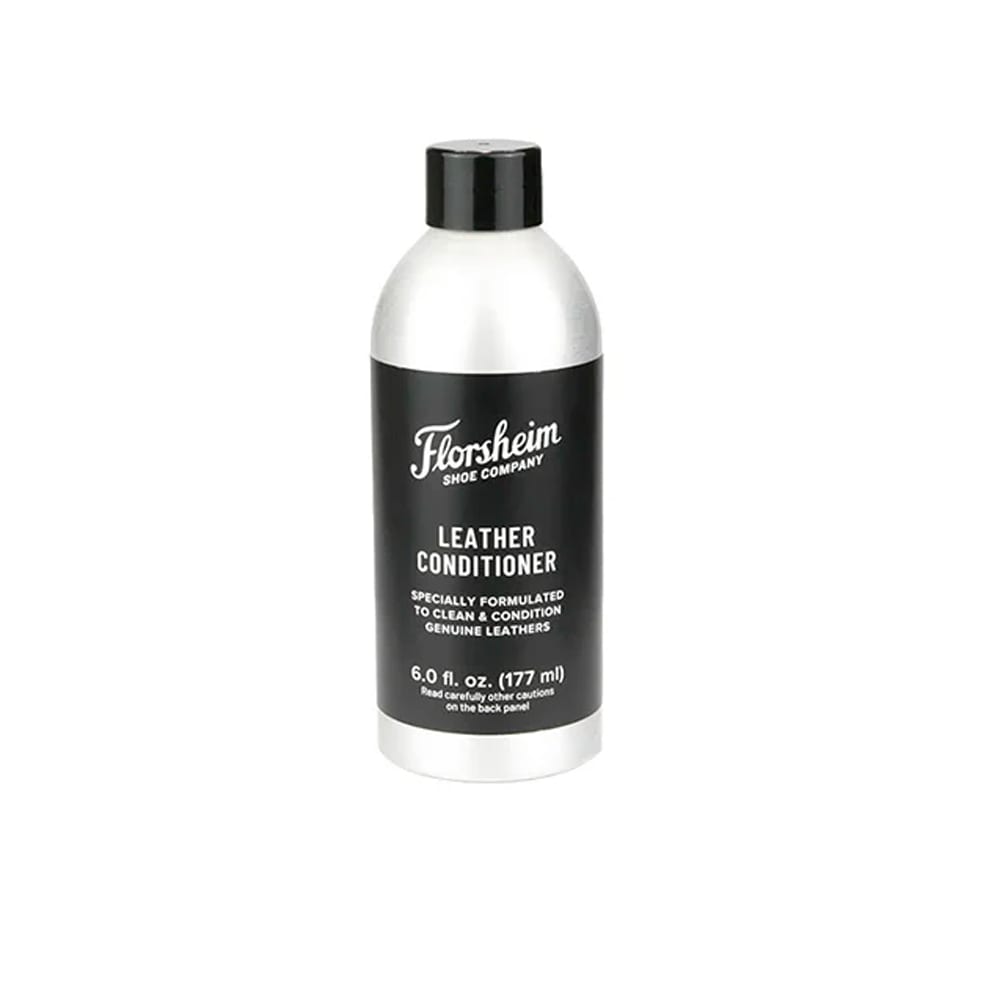
Once a week, wipe your shoes with a damp cloth, let them air dry, and apply a leather conditioner. For tropical climates, go for something lightweight and non-greasy. Hush Puppies Cleaner & Conditioner (P550) is eco-friendly and water-based, while Florsheim Leather Conditioner Nourish + Protect (P999) also nourishes and waterproofs leather products. Massage the product in with a soft cloth, wait a few minutes, then buff with a clean brush.
Florsheim Leather Conditioner Nourish + Protect (P999)
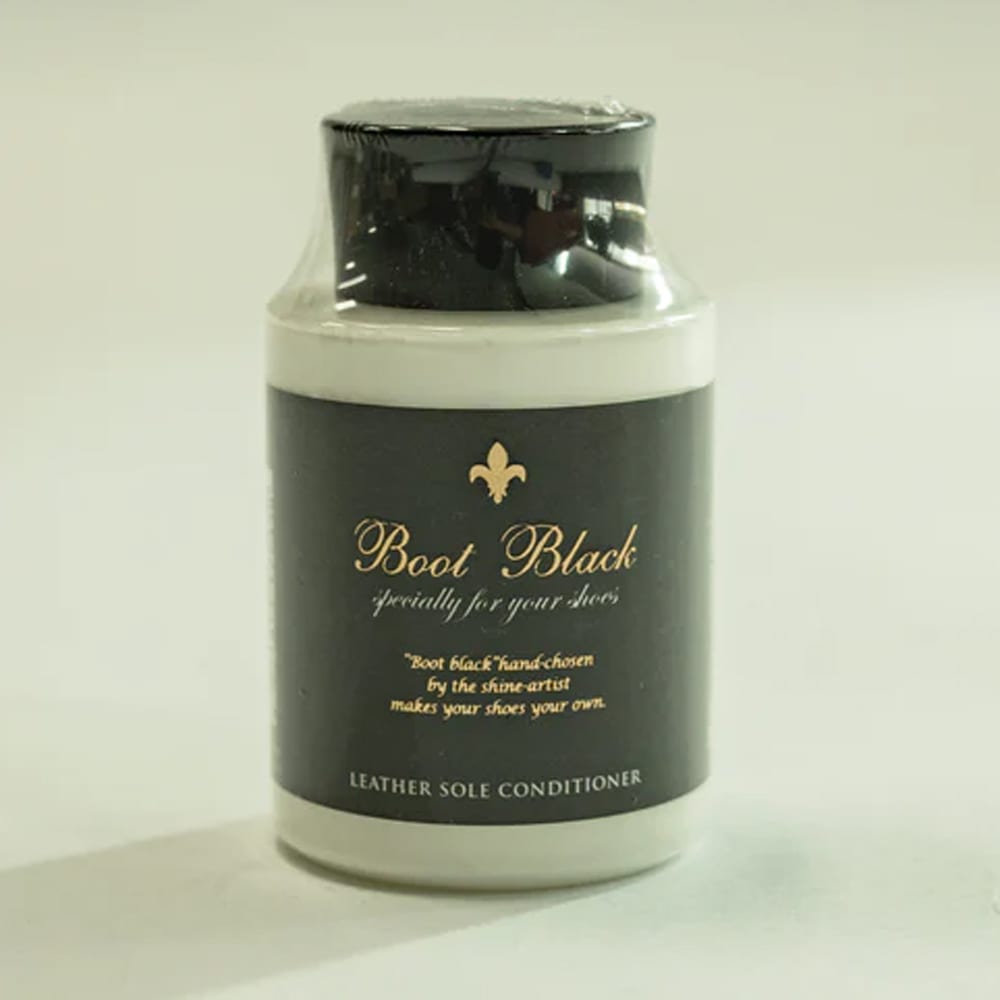
Don’t forget the soles. Leather soles also need occasional conditioning. Use a sole guard like Saphir MDO Sole Guard (P1,260), which is made with 100% natural sole oil, or the Boot Black Leather Sole Conditioner (P1,380) to seal the sole from moisture, especially during the rainy season. And if your shoes are Blake-stitched or Goodyear welted, then you can just have them resoled when the time comes.
Boot Black Leather Sole Conditioner (P1,380)
What Do You Actually Need for Shoe Care
Shoe care is like skincare; there’s a product for everything, but not everything is necessary. At minimum. You need a shoe brush, a soft cloth (even an old cotton t-shirt will do, if you want a more sustainable option), a good leather conditioner, cream polish, and a pair of cedar shoe trees. Everything else—edge dressing, waterproof sprays, fancy buffing gloves—is gravy. Nice to have, but you can survive without them.
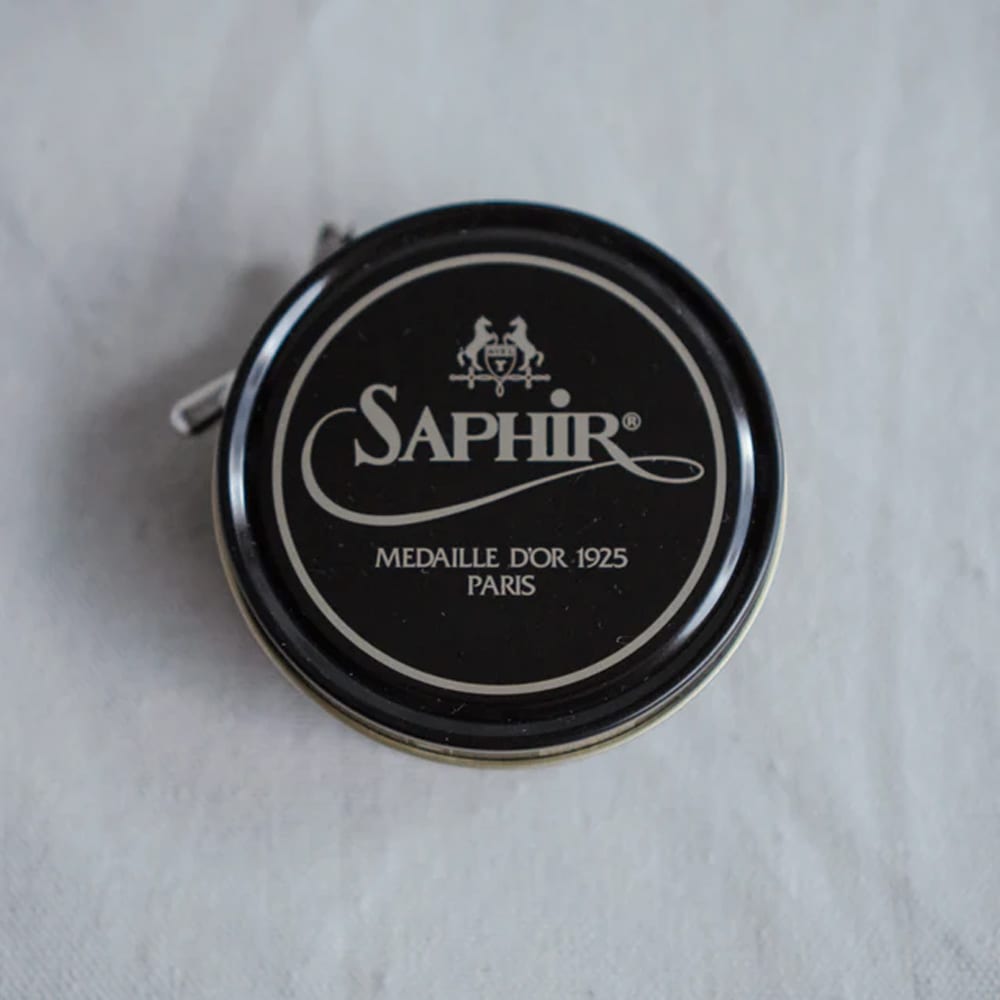
In the Philippines, reliable basics can be found from Signet, The Tannery Manila, and Besa’s. For polish, Saphir Medaille d’Or is the gold standard as an all-natural wax polish (composed of beeswax, turpentine, carnauba, and six other natural waxes). It can be quite pricey, however, as a 50ml tin can set you back P900. It’s available in various colors (Navy Blue, Medium Brown, Black Neutral, Burgundy, Cognac, Mahogany, and Dark Brown) and can be used to clean, protect, nourish, and provide additional glossy shine to your shoes.
Saphir Medaille d’Or (P900)
As a wallet-friendly and last-minute alternative, Kiwi Liquid Shoe Polish (P138.75 for 30ml) is available in most supermarkets and Ace Hardware branches for basic shine and color restoration. Some of their products may contain silicone, though, so make sure to read the label, and it’s not advisable to use them long-term. Needless to say, avoid silicone-based products, which can clog leather pores and lead to cracking over time. Always read the label.
Polishing, Conditioning, and Achieving a Mirror Shine
To polish properly, start with clean, dry shoes. Apply a thin layer of cream polish that matches the shoe color using a cloth or dauber. Let it sit for a few minutes, then brush it off with a horsehair brush to create a soft, buttery shine. If you want a higher gloss, layer on some wax polish and buff in small circular motions using a soft cloth.
Mirror shines take practice and patience. The trick is to build up thin layers of wax, letting each dry before adding the next. Use a dedicated polishing cloth, like Brift H Cotton Cleaner (P780) or even the inside of a cotton flannel shirt. Don’t apply mirror shines to the entire shoe—just the toe and heel. Too much wax on the flexing areas can cause cracking.
Brift H Cotton Cleaner (P780)
Conditioning, on the other hand, is for hydration and should be done more frequently than polishing. Especially in tropical climates, where heat dries out leather faster, conditioning every two weeks is ideal. Think of it as moisturizing after a day in the sun. You wouldn’t skip that for your face, so why do it to your shoes?
Storage and Damage
How and where you store your shoes has a huge effect on their longevity. In the Philippines, the worst thing you can do is leave them in a dark, closed cabinet in a non-air-conditioned room. That’s a breeding ground for mold, especially during monsoon season. Instead, store your shoes with cedar shoe trees in a breathable cotton or canvas bag. Avoid plastic bins unless they’re vented.
Even better, keep them on open shelves in air-conditioned areas or rooms with dehumidifiers. If that’s not possible, silica gel packs can help absorb excess moisture. Brands like MUJI offer affordable, breathable fabric shoe bags, while Daiso and Japan Home Center often stock reusable dehumidifiers.
Now, let’s talk damage. We covered what to do when there’s water damage: remove insoles, stuff with newspaper, and let air dry. Then apply leather conditioner and let it rest. For salt stains, however, which are common if you’ve been walking on treated sidewalks or gone to the beach, use a solution of equal parts white vinegar and water. Gently dab the mixture on the stain with a cloth, then wipe clean and condition afterward. Salt can dry out and permanently discolor leather if left untreated.
If the shoe is gouged, scraped, or deeply creased, then it’s time to seek professional help. Doctor Leather can do sole replacement, shoe cleaning and restoration, as well as repair other leather bags and accessories. Besa’s also does shoe and bag repair and restoration, and has been doing so since 1935. Another option is Mr. Quickie for affordable repairs and sole replacements in malls nationwide.
Remember: not every issue needs a trip to the shoe doctor. Scuffs, light water damage, or faded color can be fixed at home with proper tools. But when the sole separates, the heel collapses, or the leather starts splitting, call the pros. Continuing to wear them when damaged will surely worsen their condition and may permanently damage your shoes.
Lastly, shoes cannot live forever. If you’ve resoled the same pair three times and they’re starting to lose structure, then it’s time to say goodbye. Sometimes shoes simply outlive their lifespan; they can’t all be heirloom objects.
But a quality pair of leather shoes can last over a decade with proper care. But “quality” is the operative word. Shoes from heritage brands that are made with full-grain leather are made to be resoled and restored. Fast fashion leather shoes with glued soles, on the other hand, will fall apart after a year, regardless of how well you treat them.
Longevity comes down to a simple cycle: wear, rest, clean, condition, polish, and store properly. Rotate between multiple pairs so no single pair bears the brunt of your weekly routine. Even shoes need a day off. Lastly, remember that signs of wear aren’t always bad. A gentle crease on a loafer or a slightly dulled heel means you’ve lived a fascinating life.
At the end of the day, just buy the best leather shoes you can afford, then care for it like your life depends on it. In a world of throwaway trends and disposable everything, a well-maintained pair of leather shoes is proof that you know how to take care of your things—and by extension, yourself.
