Two Steps to Better Skin: A Man’s Skincare Shortcut

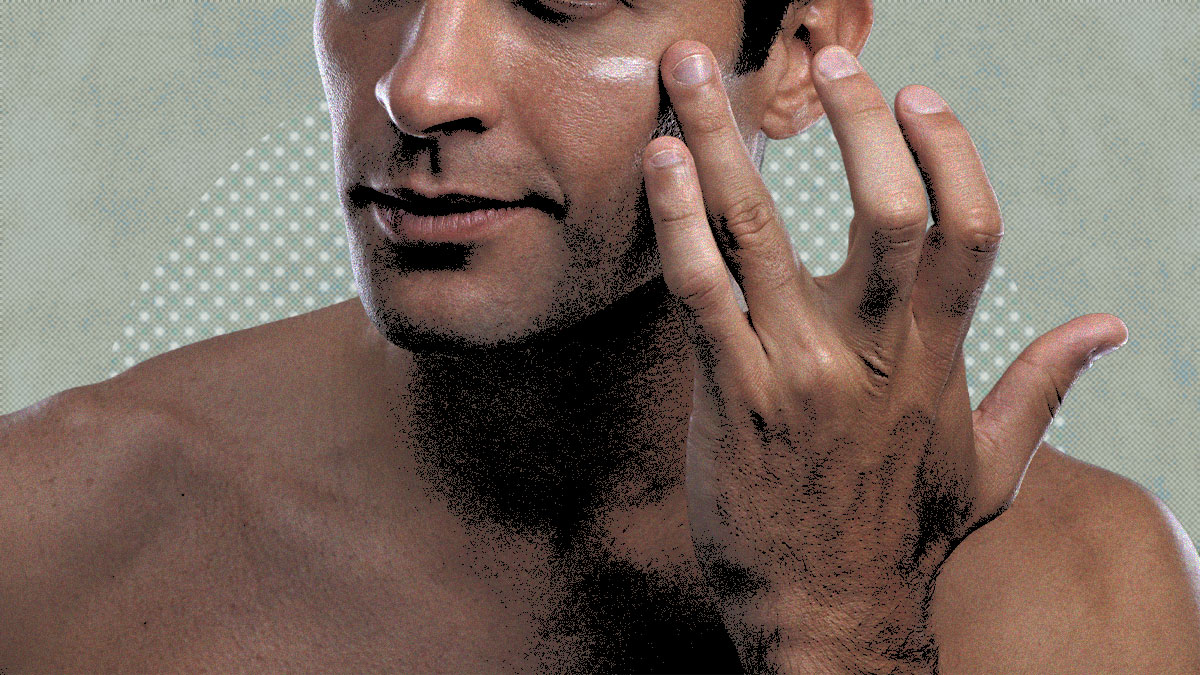
Men always seem to find skincare daunting, like a Mission Impossible film minus Ethan Hunt’s uncanny ability to walk away unscathed. But with 10-step skincare routines, numerous aesthetic treatments flooding the market, and the rise of local and international skincare brands, even women nowadays find themselves struggling to find a routine that works best for their skin.
If you want to start taking care of your skin but are scared of falling deep into this rabbit hole and ending up wasting thousands of pesos, only to end up with worse skin, then let us assure you: your fear is valid. Skincare can be tricky. As much as we’d like to say that beauty is more than just our looks, being unsatisfied with your appearance can affect your confidence and self-esteem. At the end of the day, loving yourself can also mean taking care of your looks while also nourishing your mind, heart, and soul. They’re not mutually exclusive.
ALSO READ:
Men's Skincare 101: How to Treat Dry Skin Under the Beard
The Men's Skincare Secret No One Talks About
With this in mind, you can always start simple. Even a two-step skincare routine is better than nothing, especially in the Philippines, where the tropical climate and pollution both seem to be hellbent on ruining our skin. Forget about the serums, facials, exfoliants, eye cream, and more for now. What you need to do is two things: cleanse well and hydrate. Consistently do these two fundamental steps, and let your skin take care of the rest.
To be clear, this isn’t promising an overnight transformation. It’s about creating a baseline: the simplest, most effective path that anyone can stick to. Once you’ve mastered this basic routine, you can start incorporating other steps or products, especially when your skin calls for it. But remember that for every additional product, you increase the chance of them reacting against each other and triggering a negative response. So, start simple.
Step One: Cleanse Smart (Not Hard)
Cleansing is your foundation. Miss this step, and whatever you apply afterward just sits atop dirt, oil, sweat, pollution, and dead skin cells your skin hasn’t shed. In our tropical, humid climate, daily sweat, dust, and grime are your perpetual enemies.
Belo Medical Group stresses, “Sweat and oil buildup are common in humid climates, so proper cleansing is a must. Opt for a gentle, sulfate-free cleanser that removes dirt and sweat without stripping your skin’s natural oils.”
ZO Hydrating Cleanser 200ml (P4,000 on Belo Shop)
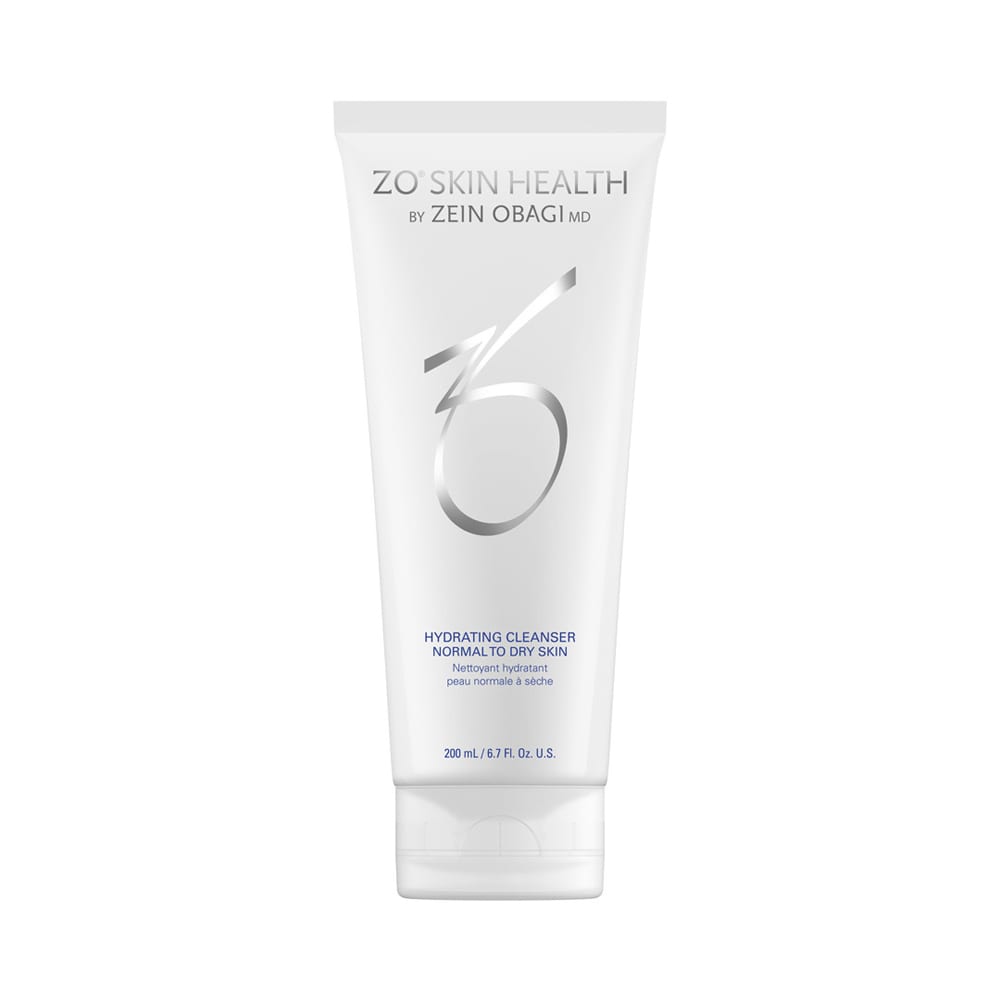
There’s a different version of cleansing: double cleansing. As the name implies, it involves cleansing twice. First, with an oil-based cleanser, then a water-based cleanser. For a lot of people, this could be overkill for a morning routine. As you start your day, a simple, gentle cleanser is more than sufficient. Just make sure to account for your skin type: normal, oily, combination, dry, or sensitive. Avoid harsh chemicals or those with strong chemicals, as these can irritate your skin. Use lukewarm water, massage gently, and rinse well.
SK-II MEN Moisturizing Cleanser (P3,499 on Sephora)
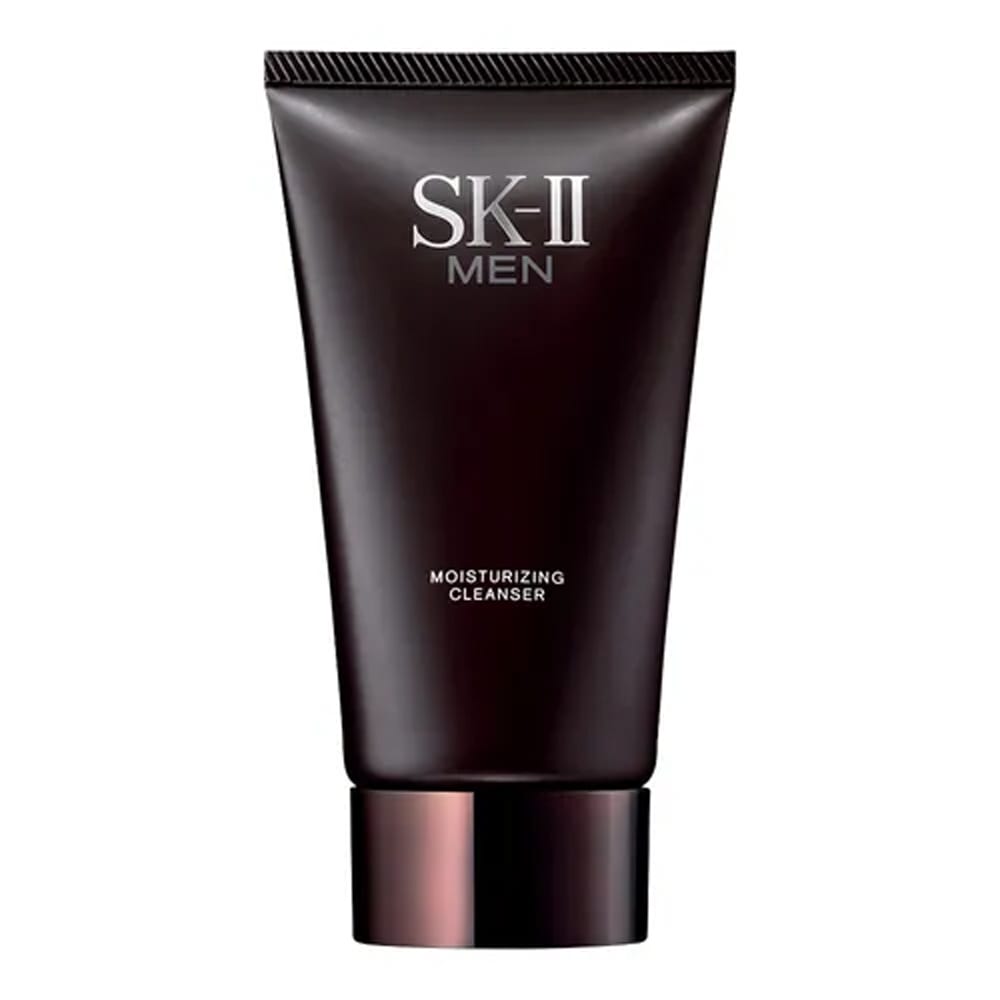
For your evening routine, however, you can use the double cleansing method to get rid of the buildup of dirt, oil, pollution, grime, and more that have accumulated on your skin throughout the day. Remember: the goal isn’t squeaky clean; rather, it should be clean but comfortable skin. Overwashing leads to compensatory oil, dehydration, and irritation.
Pro tip: Use a separate face towel that’s dedicated only to your face to dry your skin after cleansing. Using your body towel or the common hand towel by your sink increases acne risk, as the skin on your face is more sensitive than the rest of your body. It’s also thinner and has more oil glands, and it’s more exposed to the environment (sun, pollution, etc.) compared to the rest of the body, which is typically covered by clothing.
This small step of using a separate towel for your face reduces the chances of exposure to bacteria, oils, and dirt that could be transferred from the other parts of your body.
Step Two: Moisturize, Lock, and Protect
If cleansing is the foundational step that ensures a clean base, moisturizing is the armor. It locks in hydration, repairs your cells, strengthens the skin barrier, and protects your skin from the stressors you’ll encounter: UV rays, dust, humidity, etc.
Age Defender Gel Moisturizer (P3,200 on Kiehl's)
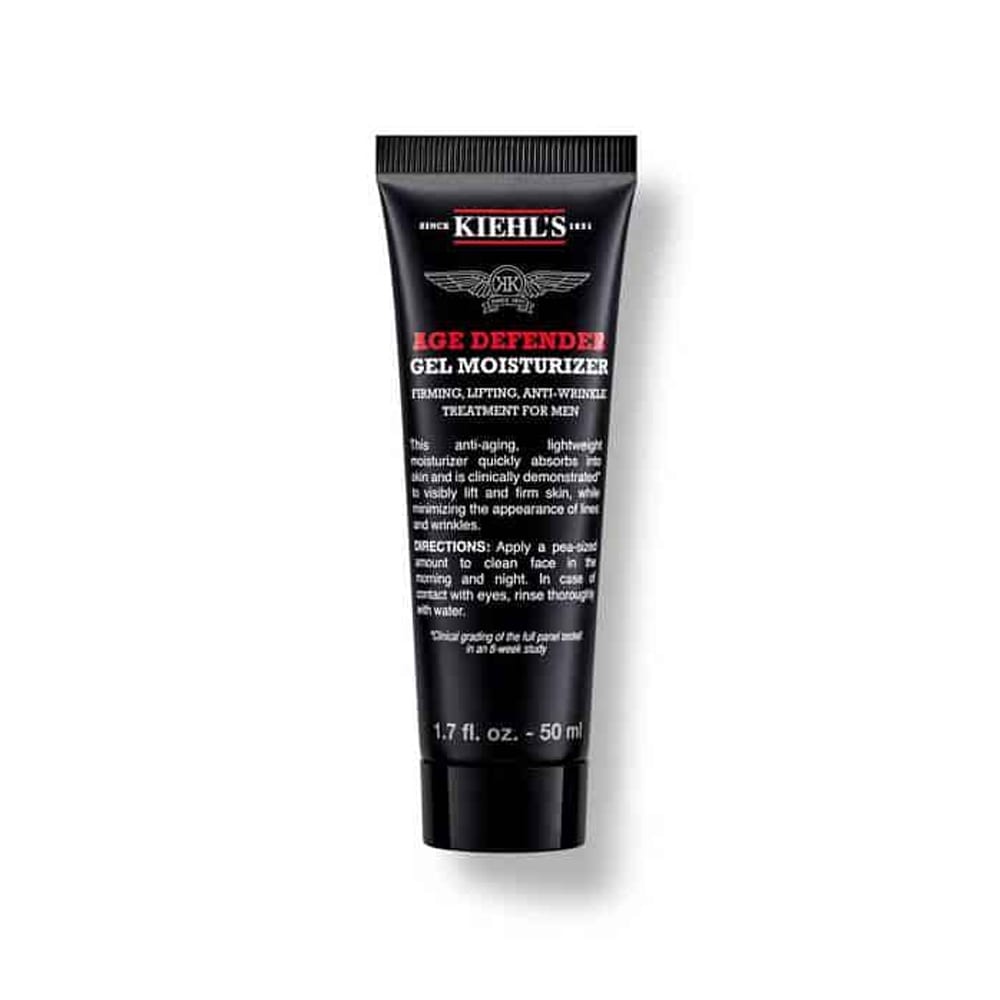
A good moisturizer should hydrate without heaviness. Gel creams and lotions work best with our climate: they sink into your skin quickly, don’t clog pores, and let your skin breathe. But if you’ll find yourself in cold temperatures often or if you have extremely dry skin, a thick cream could work. The key is to figure out your skin condition: dry, oily, combination, or sensitive. Once you understand your skin condition, you’ll need to find products that will work with that instead of against it.
One thing is clear: everyone needs to moisturize. Just because your skin is oily doesn’t mean that you don’t need to put on moisturizer anymore. In fact, skipping this step will push your oil glands into overdrive, leading them to produce even more oil. As ironic as it sounds, not moisturizing your oily skin makes it even oilier.
In the morning, your moisturizer should include SPF 30 or higher. This can’t be emphasized enough: sun protection is not optional, it’s a must. “Responsible for 90% of visible changes to the skin, photoaging is a direct result of cumulative sun damage you’ve been exposed to throughout your life,” the Skin Cancer Foundation said. Photoaging, as the name suggests, is the damage caused by sunlight and UV exposure.
Cade Revitalizing Cream (P3,400 on L'Occitane)
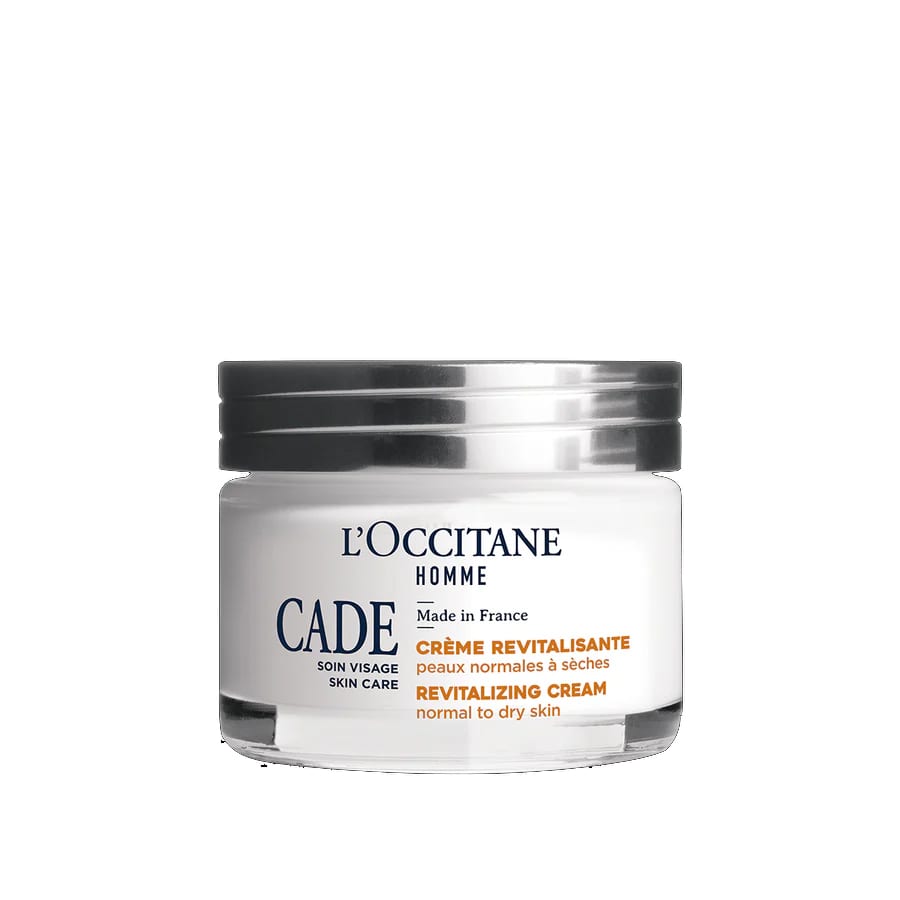
At night, your moisturizer has a different job: repair. All the stressors you’ve encountered all day may have damaged your skin — although your morning moisturizer may have tempered this — and now it’s time for your skin to relax and repair as you sleep.
“I always tell my patients: what you put on your skin at night is like giving it a personal care package,” Dr. Mona Foad of MONA Dermatology told Women’s Health Magazine. “Your skin is at its busiest while you snooze — it’s when repair and renewal truly happen.”
Look for ingredients like Hyaluronic acid for hydration, Niacinamide for improving the skin barrier, Peptides for skin regeneration and firming, and Retinol to boost cell turnover. These help your skin at night so you can wake up with even better skin.
Difference Between Morning and Night Routine
These two steps are your ultimate base: cleanse and moisturize. But there are several key differences between your morning and night routine. Before you worry, these adjustments are going to be just as easy to remember as this two-step routine. All in all, it’s still the same structure.
For your morning routine, choose a gentle cleanser to remove the oil and sweat buildup overnight. Apply a lightweight moisturizer with SPF. Again, sun protection is imperative. After you’ve mastered these two steps, you can add this optional step to up your skincare game: use a Vitamin C serum before moisturizing. This helps brighten your skin, counter pollution and UV stress, and functions as an antioxidant.
At night, double cleanse with an oil cleanser, then a water-based cleanser to completely get rid of the dirt, oil, and pollution buildup on your skin. Apply a moisturizer or a thicker repairing night cream.
And that’s it. While you can slowly and surely build up your routine to add more steps, such as an exfoliating serum, eye cream, and more, but it all starts with these two steps. Remember what they always say when starting something new: the best routine is the one you’ll actually follow. Consistency beats complexity every time. It’s like going to the gym or working out: dedicating 15 minutes a day every day is better than working out for two hours but only once in a blue moon. These small steps have a cumulative effect on your skin like quick, everyday workouts have on your body.
Final Tips and Tweaks
Lightweight, non-comedogenic products are key to places with high humidity, such as the Philippines. Heavy creams tend to clog pores, but you can use them if you find yourself in cold temperatures at all times or if you’re traveling to colder climates. You can also keep a hydrating mist on your bedside or office table, as air-conditioning can dry out your skin. Lightly spraying your face every few hours or before sleeping can do wonders in keeping your skin hydrated. But another tip in keeping your skin moisturized is to keep your body moisturized by drinking water. There’s only so much your products can do when your entire body is dehydrated.
Ultra Light Daily UV Defense Aqua Gel SPF 50 PA++++ (P2,750 to P3,850 on Kiehl's)
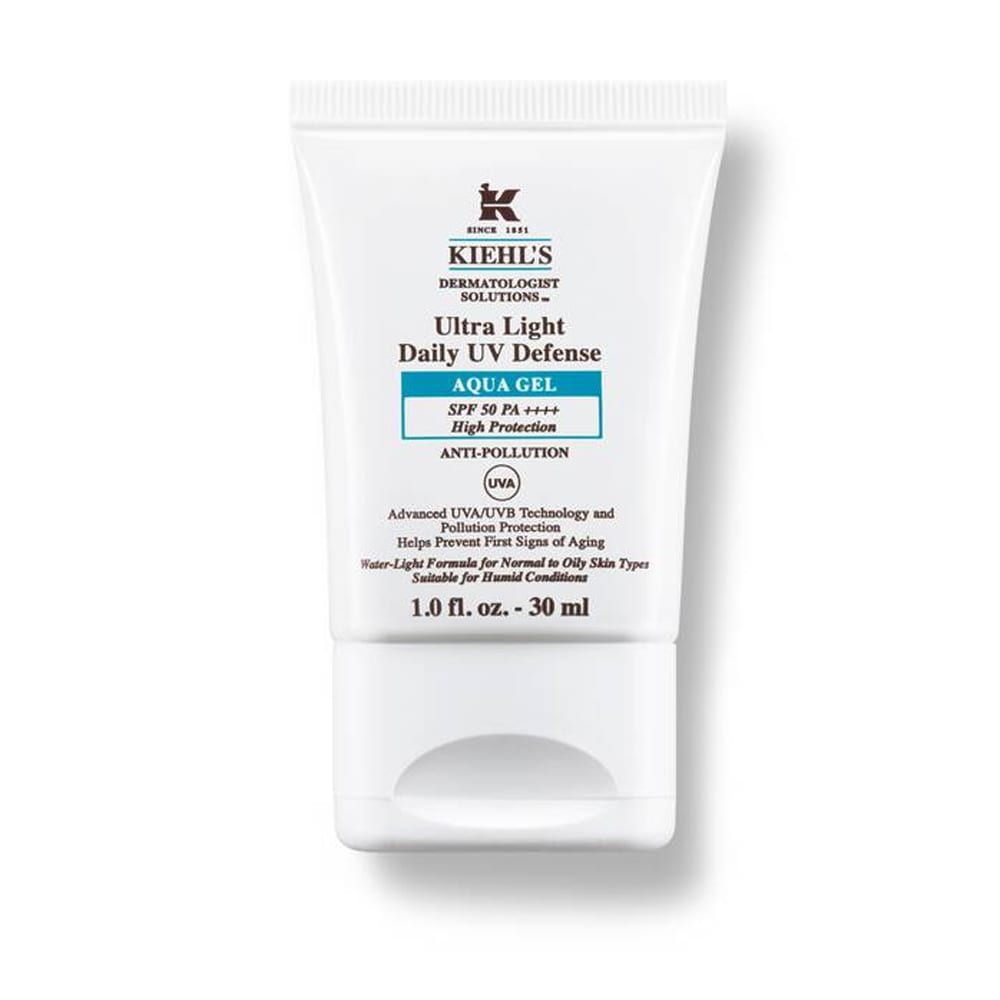
Sunscreen, and this cannot be emphasized enough, must be worn at all times. Even if you’re indoors for most of the day, UV rays can still penetrate glass and blue light from digital screens can also damage your skin. Lastly, it’s still a must even when it’s cloudy or there’s a storm. In other words, for good measure: wear them at all times.
To stay consistent, keep your products where you typically perform your morning routine: bathroom sink, near the shower, anywhere you’ll be able to see them alongside your other products. It’s the opposite of out of sight, out of mind.
Avoid harsh scrubs. They cause microtears in your skin, so instead, choose chemical exfoliants if you want to add this step to your routine. And always check your products for expiration dates. Old, expired products are worse than none at all.
Lastly, if you want to improve on this routine little by little, then slowly incorporate products one by one. There’s a chance that their ingredients will counteract each other, so adding one product at a time helps you narrow down which doesn’t react well with your skin. The simpler your routine, the less chance of overwhelming your skin.
Minimalism is not neglect. It’s discipline. In an era where beauty influencers promote multi-step skincare routines that seem to take up at least half an hour and dozens of products, precious time and resources that not everyone has the luxury of having. Plus, it can get confusing, especially for a first-timer who just wants to take better care of their skin.