
Guide to Watch Straps: Leather, Metal, or Rubber?

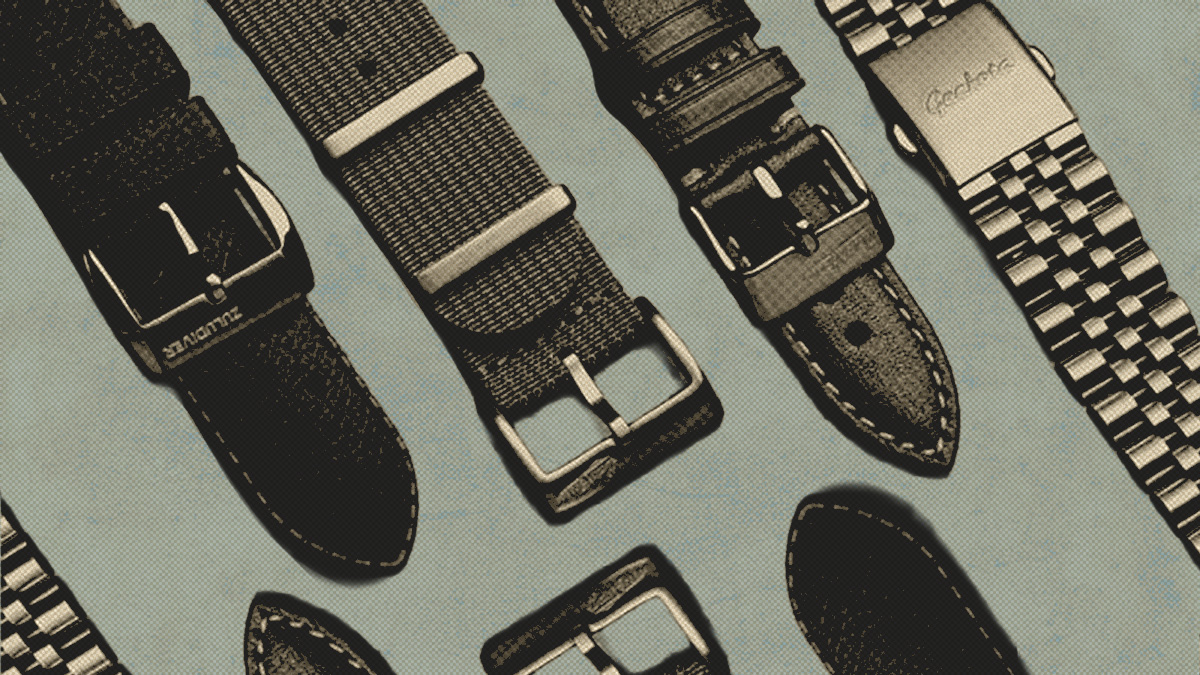
When discussing watches, they are often judged by their complications, craftsmanship, and numerous features. The strap, however, is hardly brought up. But it’s more crucial than you think. It touches your skin, absorbs your rhythm, and quietly broadcasts your sense of style, even when you’re just adjusting your cuff.
The most popular watch straps are leather, metal, and rubber. But you may have encountered other kinds, such as plastic, polyurethane, cloth, FKM, and silicone. Before your head starts to reel from all of these varieties, just remember these three things when choosing a watch strap: context, comfort, and character.
ALSO READ:
10 Luxury Watch Brands for Men
Survive the Outdoors With These Durable Smartwatches
Classic, Go-To: Leather
There’s a reason why everyone typically gravitates towards leather watch straps, especially if your calendar includes going to cocktail parties after your corporate weekdays. Think of it as the Oxford shoe of watch straps: timeless, refined, and a touch of confidence. It ages well, developing a patina that blends well with business lunches, family occasions, and maybe even those gallery openings that weren’t meant to turn into a hangover the next morning.
Jaeger-LeCoultre Reverso Tribute Nonantième 'Enamel'
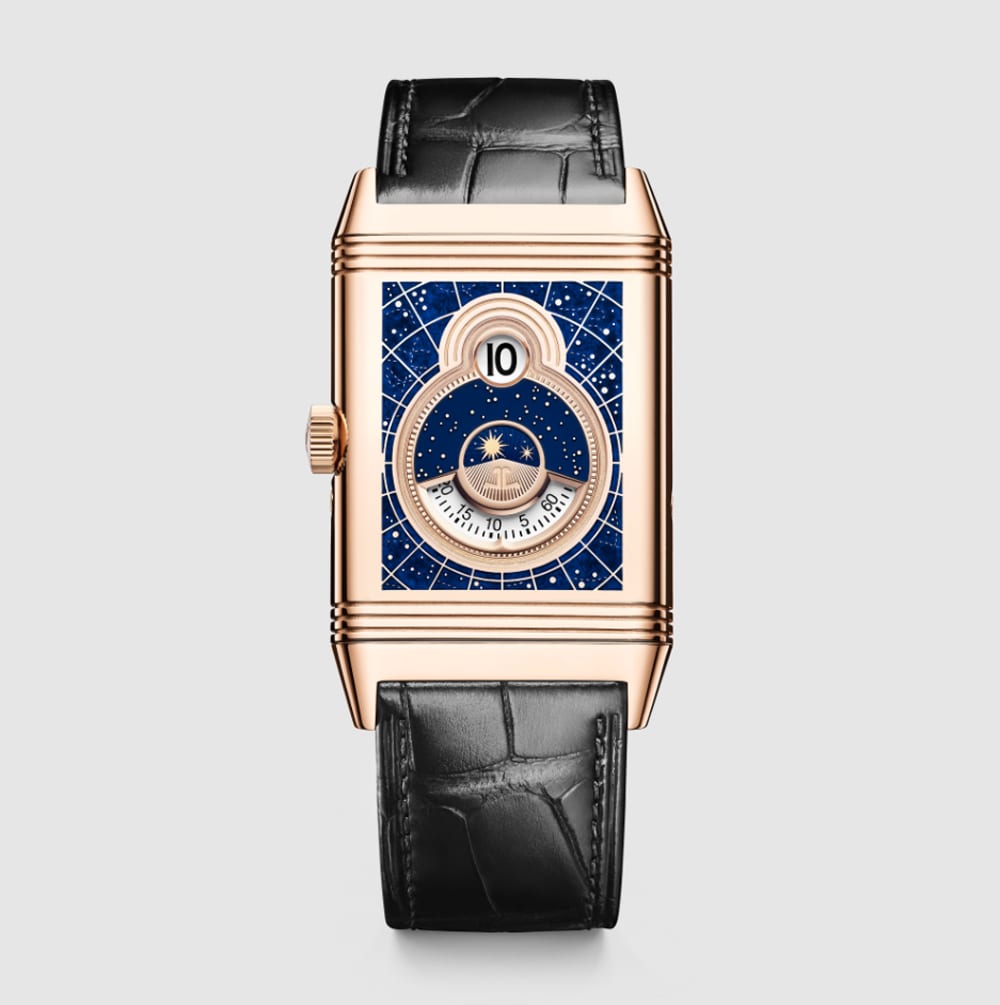
Full-grain leather is the cream of the crop. It’s supple, breathable, and durable. While calfskin remains a popular choice, often paired with dress watches like the Cartier Tank or Jaeger-LeCoultre Reverso. But exotic leathers — example: alligator, ostrich, or even stingray — are even more luxurious and rare, best worn with a tailored suit.
Care is crucial with leather, though. As with how you take care of leather shoes or bags, they need to be stored properly and conditioned with leather balm to prolong their life.
Versatile, Durable: Metal
If leather watch straps became a person, they would be the gentleman who enjoys Negronis and has a closet full of tailored suits. Metal, on the other hand, would be that friend who seems to have their work-life balance sorted out. They hit the gym, nail client pitches, and still manage to show up for drinks with friends at the end of the day.
Steel bracelets are, by far, the most common and durable straps in modern watchmaking. Whether it’s the Oyster, Jubilee, or Milanese weave, metal straps have a certain daily-wear practicality while also exhibiting strength and polish. It’s hypoallergenic, sweat-resistant, and basically immune to most things that can ruin leather.
Rolex Submariner
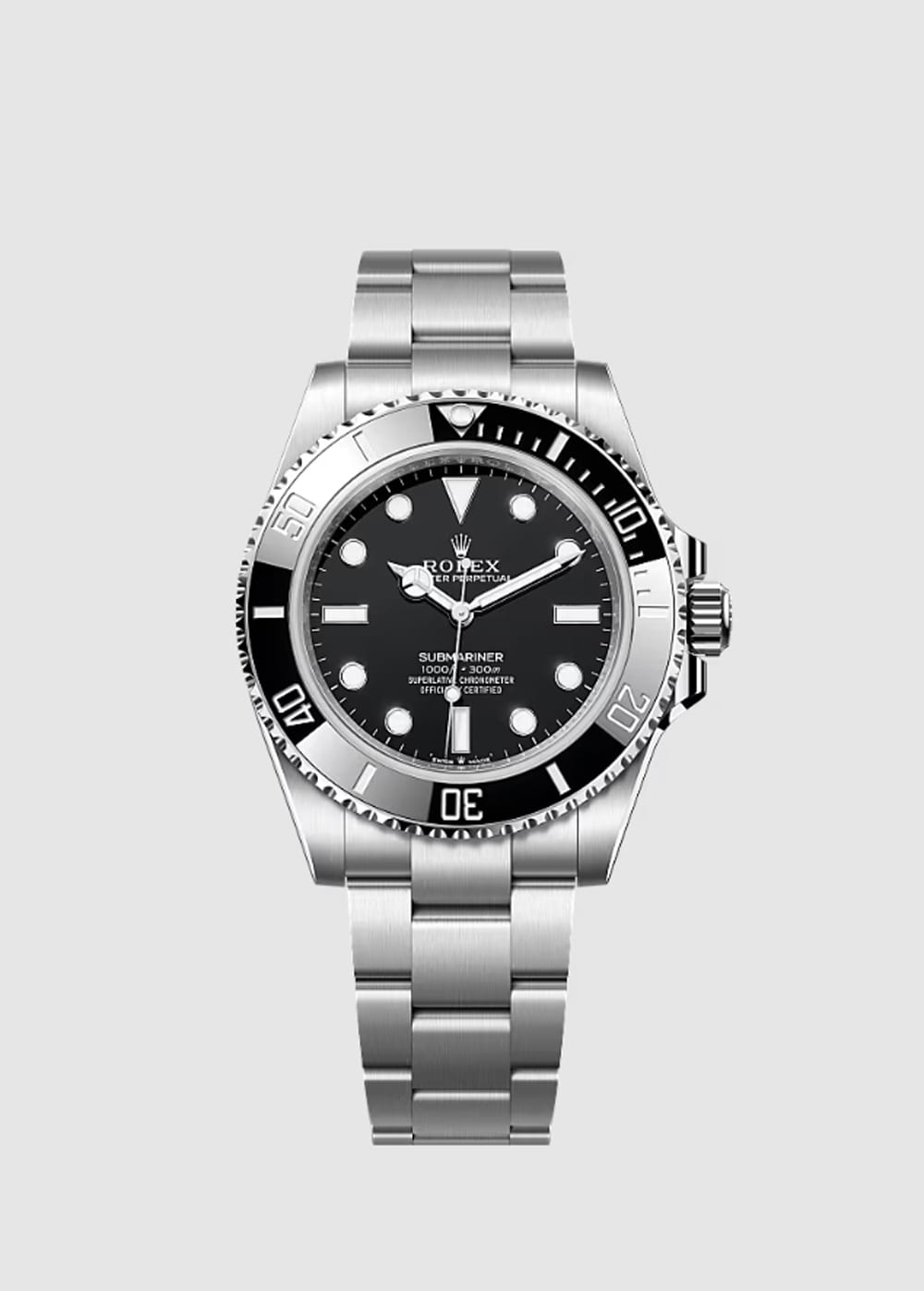
Tool watches (dive, field, GMT) often sport steel bracelets for this very reason, think Rolex Submariner or Omega Seamaster. But if you want something lighter, titanium is corrosion-resistant and about 40% lighter than steel. Downside? Metal can be noisy, cold to the touch, and can occasionally pinch your arm.
Functional, Lightweight: Rubber
When people say rubber strap, they’re often lumping together a bunch of synthetic straps. But traditional rubber straps can still hold their own in this list. After all, they have one major plus: utility. They’re waterproof, flexible, and can be worn in various kinds of environments. Dive watches often come stock with rubber straps because they can be submerged and sweated in, no problem. One example is Luminox’s Volition America Dive Watch.
Luminox Volition America 'Freedom Isn't Free'
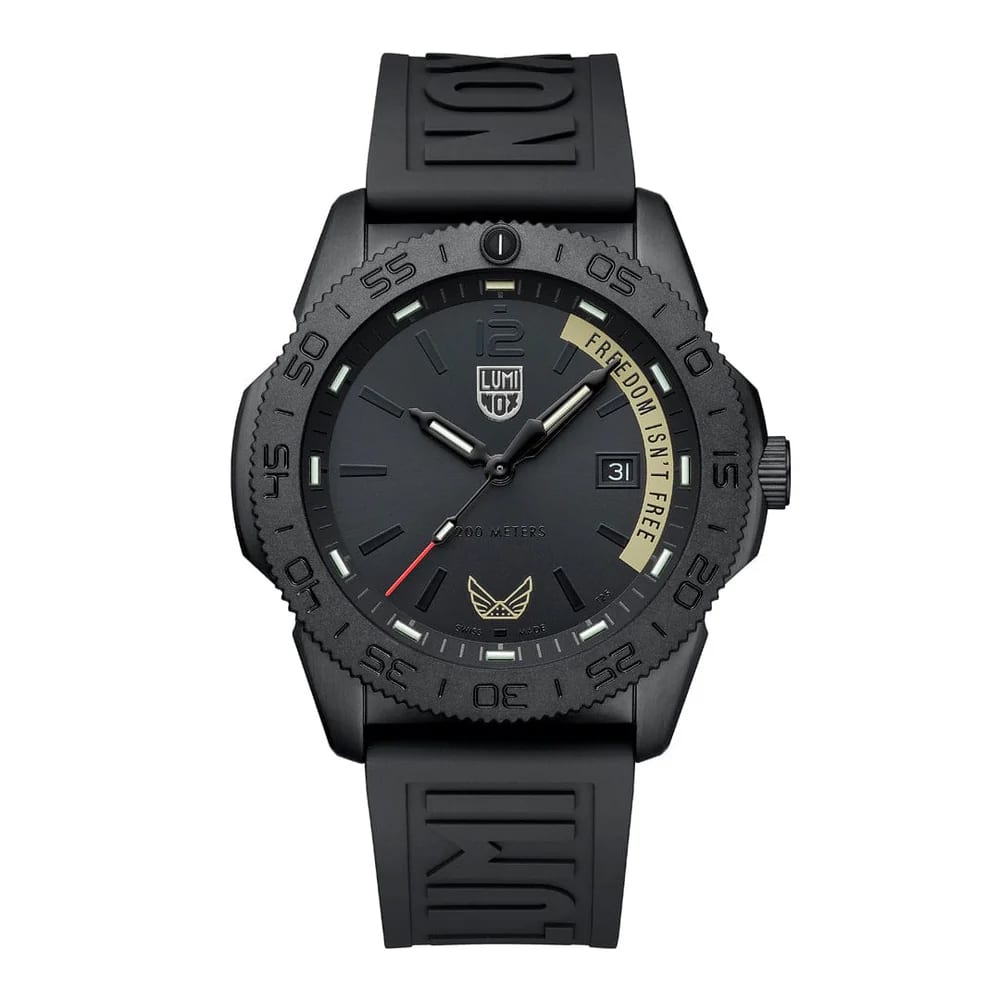
Plus, it’s lightweight and usually inexpensive. It could also match well with a sporty, athleisure aesthetic, especially when they come in bright colors. Cleaning is also easy, just rinse and soap. It’s ideal for weekend dives, trail runs, casual streetwear outfits, and more.
Be careful, however, as lower-grade variants can become brittle with age, cracking, or turning chalky with constant UV exposure. They can also pick up dust or feel stiff over time, which is why higher-end brands have shifted towards more advanced materials like silicone and FKM. But we’ll talk about those in a second.
Colorful, Mass-Market: Plastic
Plastic isn’t high fashion, and they don’t pretend to be either. That’s exactly its charm. They’re often colorful, loud with patterns, and mass-market. Chances are, these are the first watch straps you’ve had, likely dating all the way back to your first watch in grade school.
Casio’s G-Shock DW5600
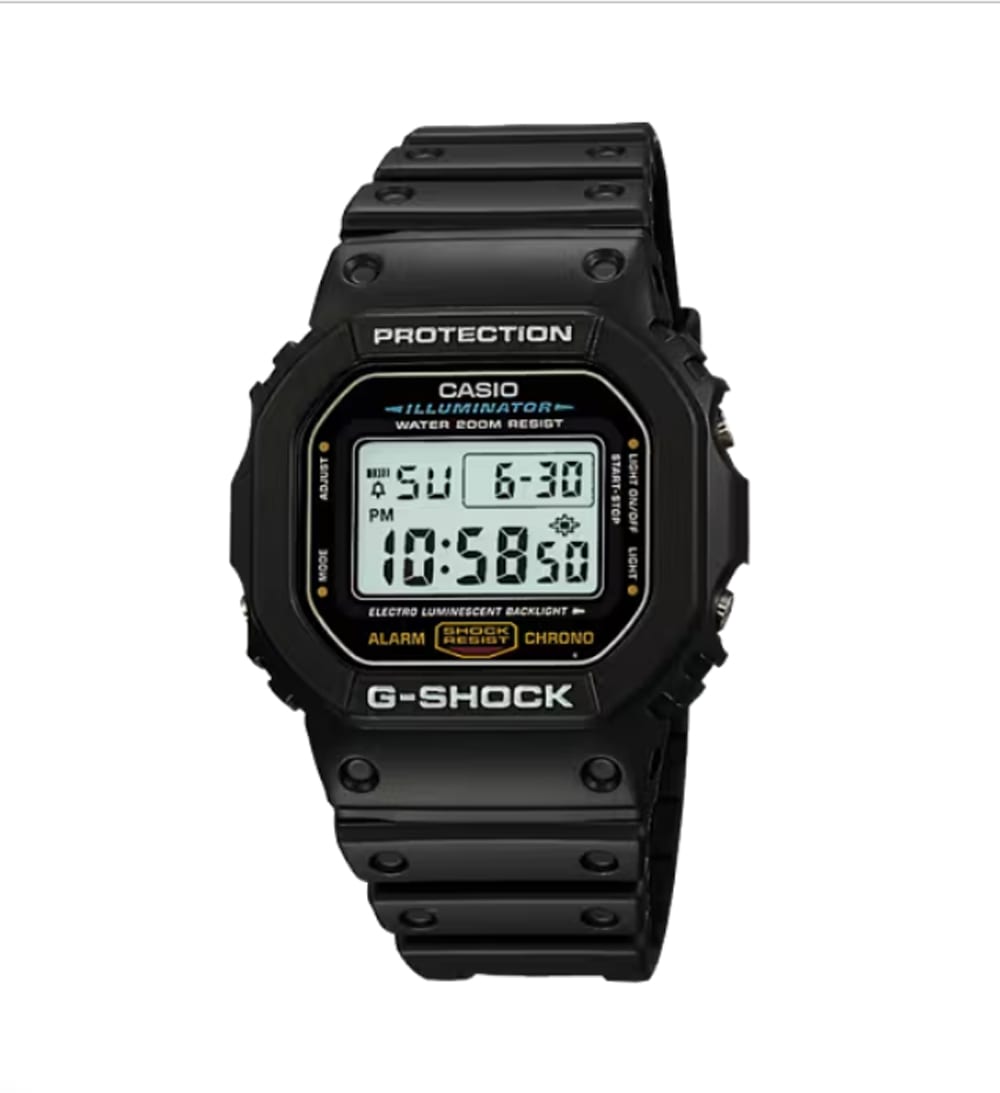
Casio’s G-Shock DW5600 series is the poster child of the plastic strap, offering shock resistance, water protection, and a utilitarian aesthetic. Lightweight and inexpensive, plastic straps make for great company when you’re going to a multi-day music festival or a muddy hiking trail, the kinds of trips that make you forget you still have a timepiece on your wrist.
It can last for a decent amount of time, but like rubber, it’s not eternal. They can also crack over time with exposure to direct sunlight or extreme heat. The good news is that replacement comes cheaply and is accessible. It’s fun, functional, and honestly, everyone should have that one watch that you don’t have to fuss about so much.
Tough, Flexible: Polyurethane
Often confused with generic plastic or rubber, polyurethane (PU) occupies a middle ground: it’s tougher than plastic, more flexible than cheap rubber, and is durable. Brands like Citizen Promaster rely on PU straps for their outdoor models because of how well they handle environmental extremes.
Citizen Promaster - Marine - Eco-Drive Professional Diver
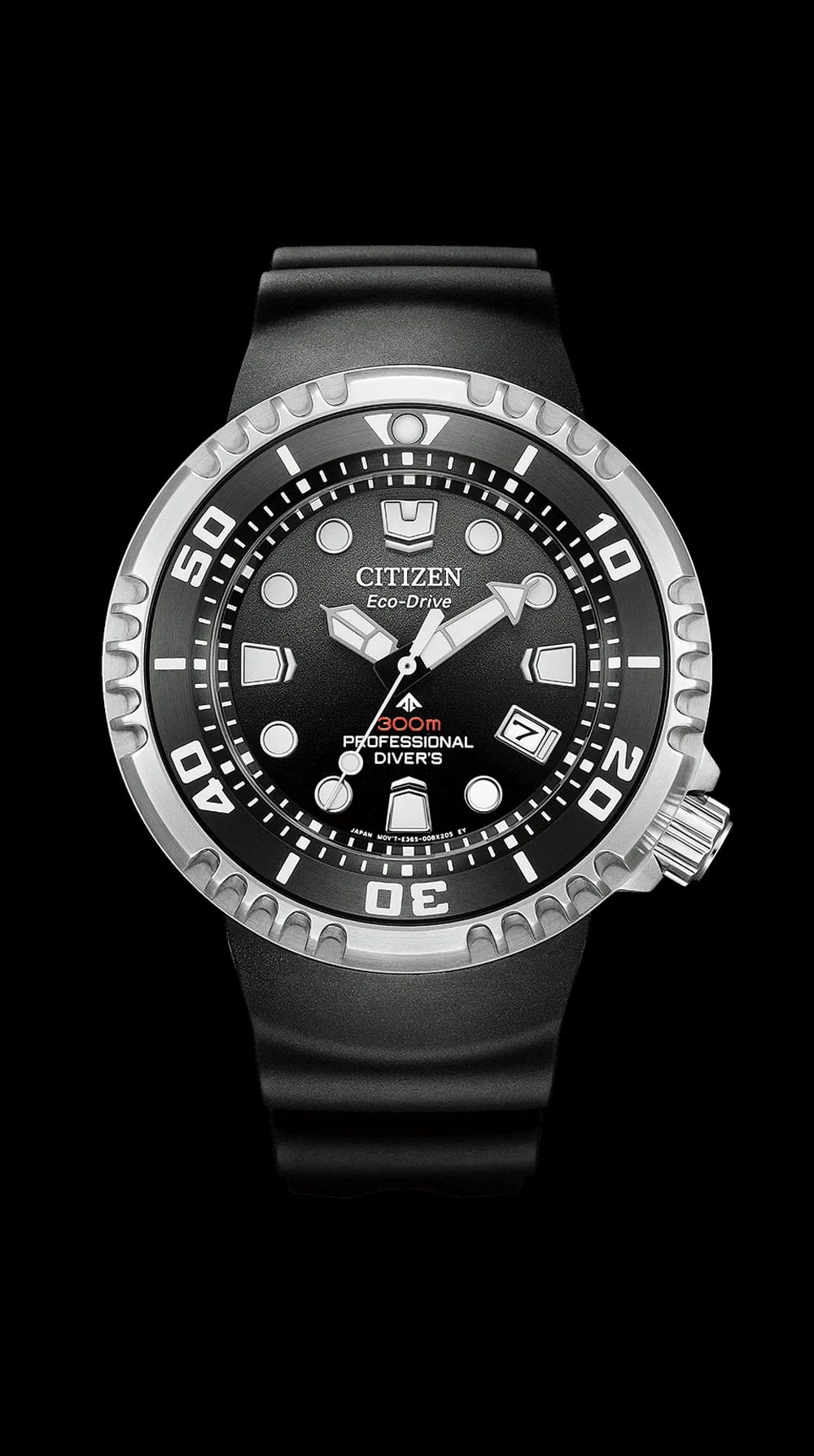
PU is waterproof, flexible, and resists cracking better than plastic. It can handle saltwater, sunscreen, and the occasional motorcycle grease. Although it does have a slightly waxy feel, it’s undeniably dependable. Style-wise, think of them as cargo pants — great in the forest, but not in a dinner setting. Still, they’re easy to clean and won’t make you flinch when you bang them up.
Comfortable, Soft: Silicone
Again, it’s like rubber but not quite. Silicone is in a whole other league of its own when it comes to comfort, though. Soft, flexible, and hypoallergenic, silicone straps wrap around your wrist with ease. No itchiness, no stiffness, just plush pliability.
Fossil Machine Chronograph Black Silicone Watch
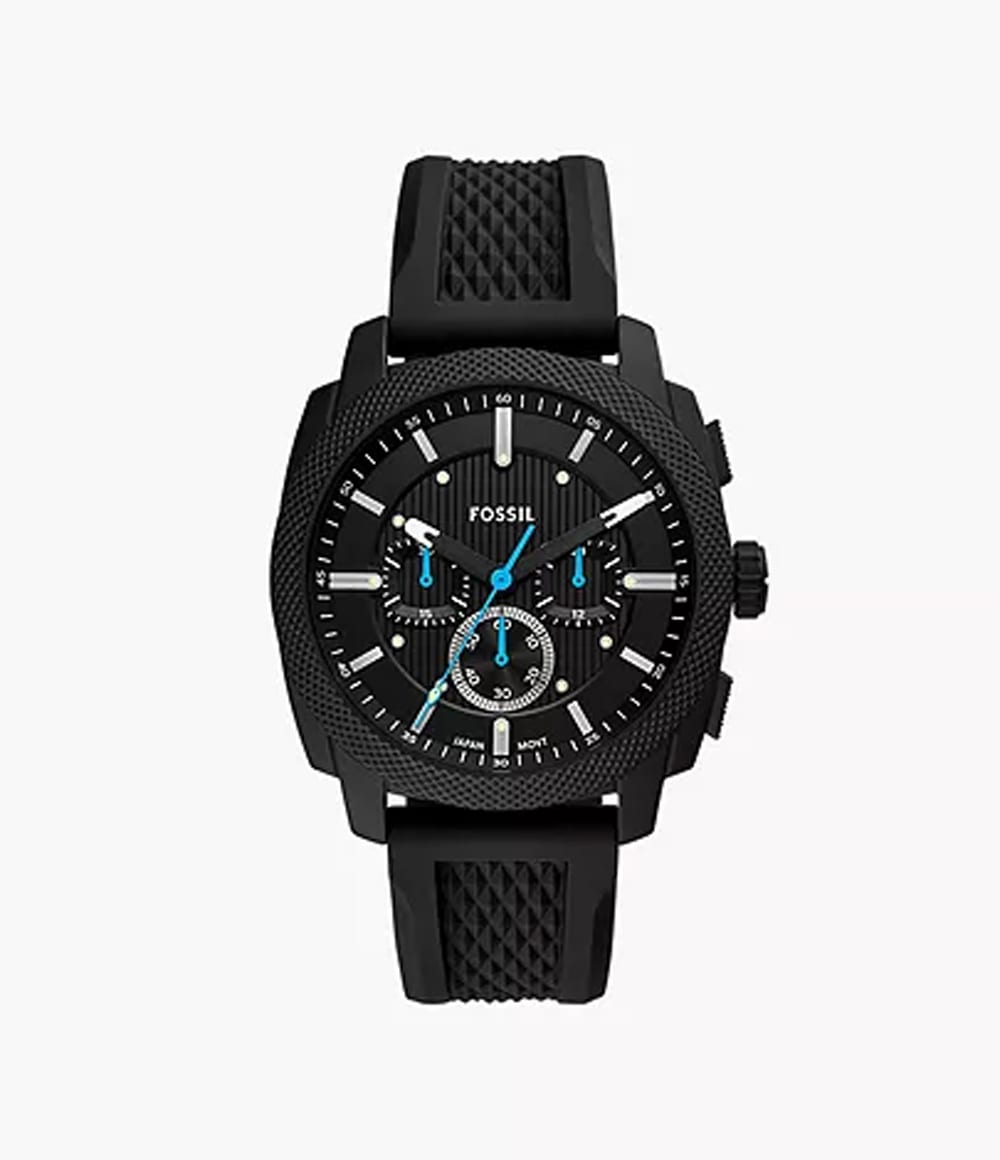
That being said, they’re not all created equal. Like rubber, there are cheap versions that you would want to stay away from. Cheaper silicone can feel sticky and easily attract lint, not good news for pet owners. But higher-quality silicone, like that used by Swatch or certain Fossil watches, offers a smooth texture that works for everyday wear.
In our climate, silicone is quite ideal as it dries quickly, resists mold, and doesn’t retain odors. Plus, it often comes in a wide array of colors, allowing you to easily mix and match with your outfit.
Resilient, Action-Ready: FKM
Short for “Fluoro-Elastomer,” FKM rubber is a high-class synthetic rubber strap. It’s chemically resistant, heat-resistant, and built to survive extreme environments, which is why it’s fast becoming a go-to option for those who often find themselves in such situations. It’s stiffer than silicone, but far more durable. Resilience, after all, is one of the main perks of FKM straps: it resists UV rays, oils, and even acidic sweat.
Apple Watch SE
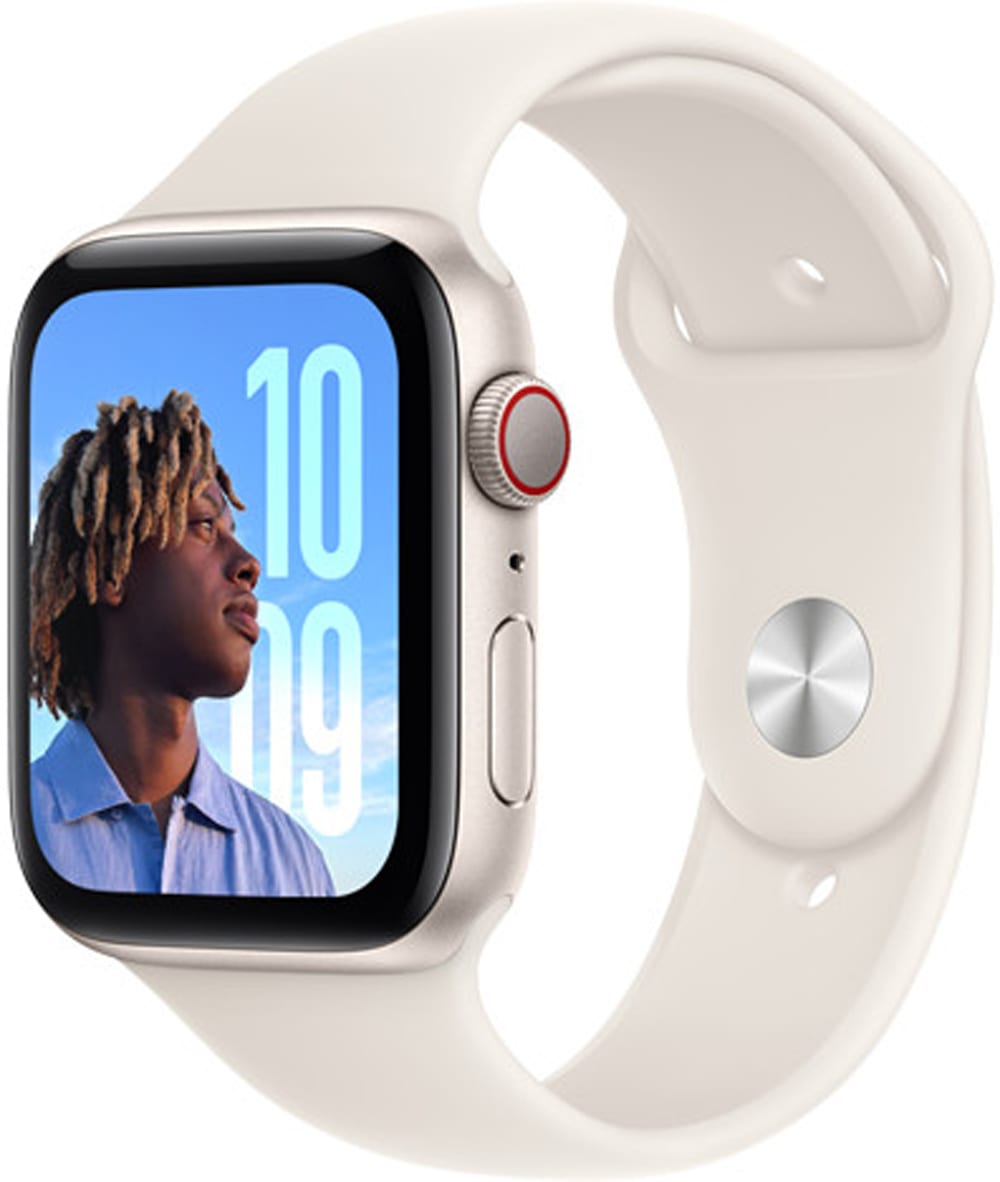
One popular example of a watch that uses fluoroelastomer is the Apple Watch. Their “Sport Bands” are made of FKM rubber and come in seven colors. For only Php2,890 per band, you can buy several to easily match with your outfits. After all, these small details matter; matching your watch band’s color to your aesthetic would mean you pay attention.
Casual, Rugged: Cloth
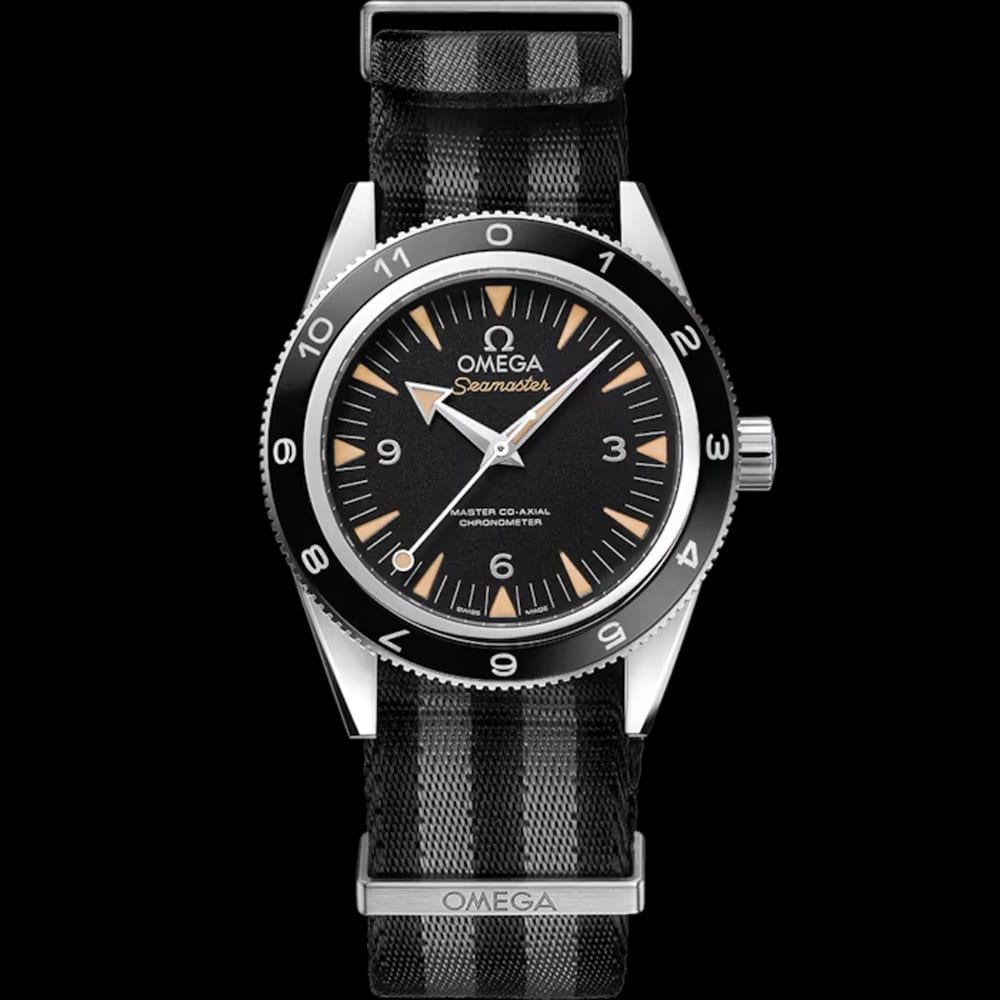
Cloth straps, whether NATO, Zulu, or canvas, bring military grit and a laid-back cool vibe. Originally designed for soldiers in the British Ministry of Defence, NATO straps became popular for being rugged, inexpensive, and easy to swap out. It can also be a fashion statement. See: James Bond’s Rolex Submariner on a black-and-gray strap in Goldfinger. Although, to be clear, the band on Sean Connery’s watch then was not a NATO band, but this “fun fact” (albeit false) has taken on a life of its own. Omega then released a Seamaster 300 for Daniel Craig’s James Bond, finally using a NATO strap.
Omega Seamaster 300
Canvas, on the other hand, tends to be thicker and often paired with field watches or pilot designs. Brands like Hamilton and Timex carry NATO or fabric bands for their watches. They hold up pretty well, clean easily, and dry quickly — just make sure to avoid full submersion unless they’re labeled as water-resistant.
Fabric straps are breathable, something Filipinos can appreciate, given our weather. Plus, it pairs easily with a casual outfit for errands and day trips.
Size, Comfort, and Skin Sensitivity
Now that we’ve ironed out the differences, let’s talk details. A strap’s fit is your number one priority once you’ve decided on a kind. Ill-fitting straps may not instantly feel bad on your wrist, but eventually, you’re going to notice. A loose strap will make your watch flop about your wrist, while one that’s too tight will cut off circulation and leave marks.
Straps typically come in various widths and lengths, but the goal is simple: a snug, but not tight fit, with a bit of space so your wrist can breathe. For comfort, leather straps tend to mold to your wrist over time, while rubber and metal need to be sized properly from the get-go.
If you have sensitive skin, certain metals can cause irritation. In this case, leather, rubber, or hypoallergenic titanium is your safest bet. Some leathers, however, are tanned using chemicals that can also affect your skin, so vegetable-tanned straps would be best.
Comfort, however, doesn’t just come from material. You have to consider the fit, weight distribution, and flexibility. You’re wearing this watch all day. It should feel like a natural extension of you and not pull focus from your tasks.
Occasions and Outfits
Like we said, context matters. You wouldn’t wear a plastic strap watch with a tuxedo, or a neon rubber strap to your cousin’s wedding. Not unless the dress code is “beach rave.”
For formal events, nothing beats black or brown leather: clean, minimal stitching, maybe even a subtle taper. Office days or business casual? Go for metal bracelets. Sporty looks or casual weekends call for rubber or NATO straps.
Some brands offer hybrid straps, like the Cartier Santos’ quick-change bracelet that shifts from steel to leather in seconds. Even fashion houses are playing with this: Prada has been experimenting with recycled nylon straps with Panerai, and Apple Watch has collaborated with Hermès.
While not everyone can afford a whole watch drawer full of options, the modern, stylish gentleman should at least have the basics: leather, metal, and rubber or fabric. A solid leather strap watch could be your go-to for special occasions and fancy work events, while a metal strap watch can easily take you from day to night. Lastly, a casual option with a rubber or fabric strap always comes in handy for weekends and easygoing days. At the end of the day, your watch strap reflects your lifestyle, mood, and taste, so make better-informed choices with this guide.
