
Tick or Tech: Traditional Watches vs Smartwatches

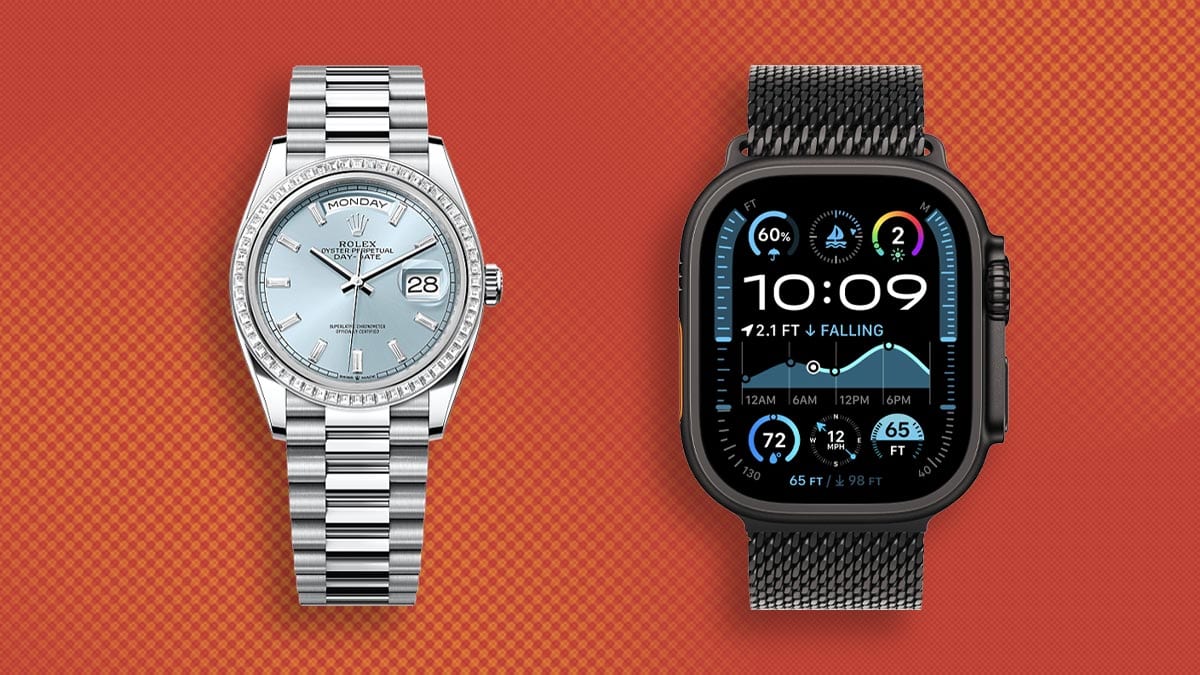
For humans, we treat time as not merely a concept, but a statement piece to be worn, displayed, and sometimes, flexed. In one corner of the modern world sits the traditional watch: a mechanical, ticking device that reflects centuries of elegant craftsmanship. On the other hand, the smartwatch is a mini-computer buzzing with texts, heart rate alerts, and weather updates. Choosing between the two isn’t just a matter of preference; it’s a declaration of lifestyle. But how exactly do these two horological camps compare?
ALSO READ:
10 Luxury Watch Brands for Men
The Timeless Elegance of a Chronograph Watch
Defining Features of a Smartwatch and a Traditional Watch
It doesn’t take much inspection to figure out which timepieces are traditional watches and which ones are smartwatches. For better or worse, hybrid watches (smartwatches that typically have the aesthetic of traditional watches) still haven’t captured most of the market’s attention. Purists argue that while they have the aesthetic of traditional watches, the artistry lies in the masterful, precise engineering happening under the surface, while avid smart watch users simply want much more than the basic “smart” features that hybrid watches offer.
In any case, a traditional watch is essentially an intricate piece of mechanical engineering (or quartz wizardry perhaps) designed solely, or mostly, to tell you the time, though more luxurious models feature chronographs, moon phases, and even perpetual calendars. Think tiny gears and painstaking craftsmanship that can take years (even decades) to perfect. They are often mechanical (automatic or manual) or quartz-powered.
Meanwhile, a smartwatch is, as mentioned, a tiny smartphone or minicomputer attached to your wrist. It’s powered by a rechargeable battery and offers a host of features beyond telling time: messaging, fitness tracking, GPS, and even app control.
Pros and Cons
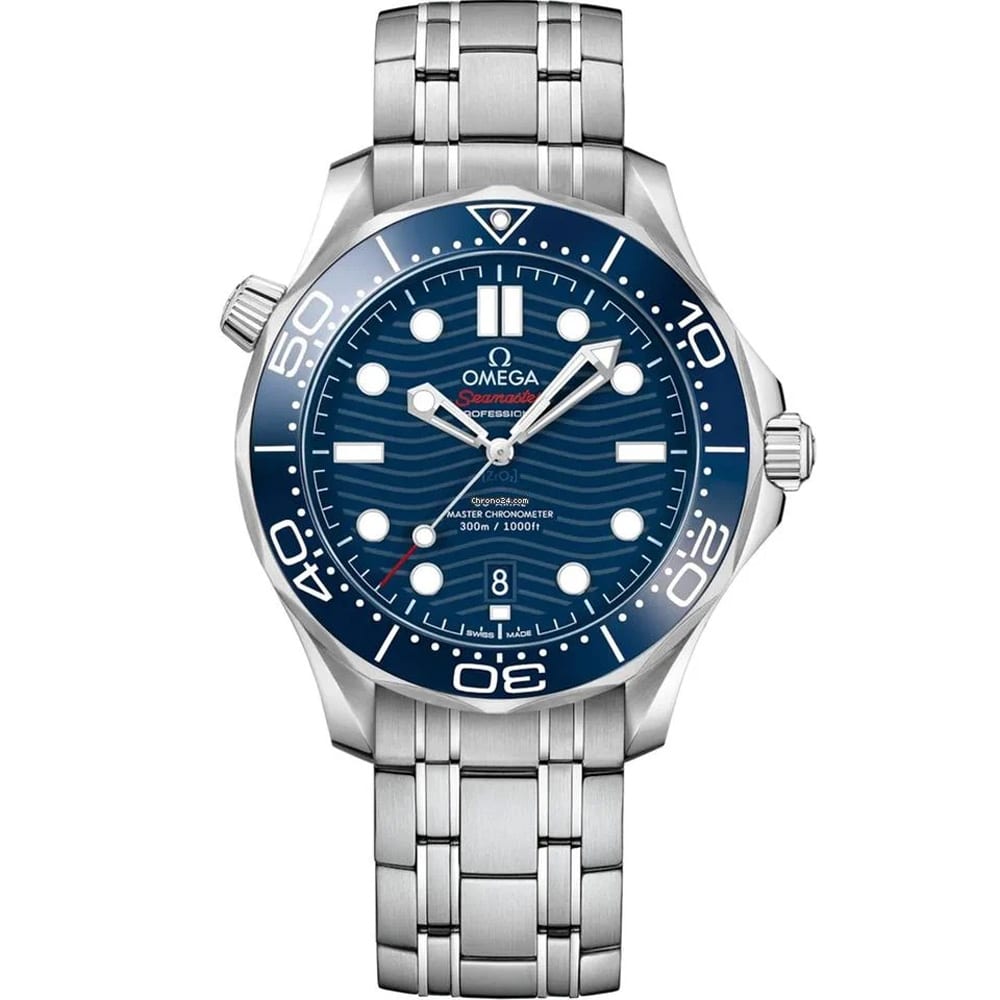
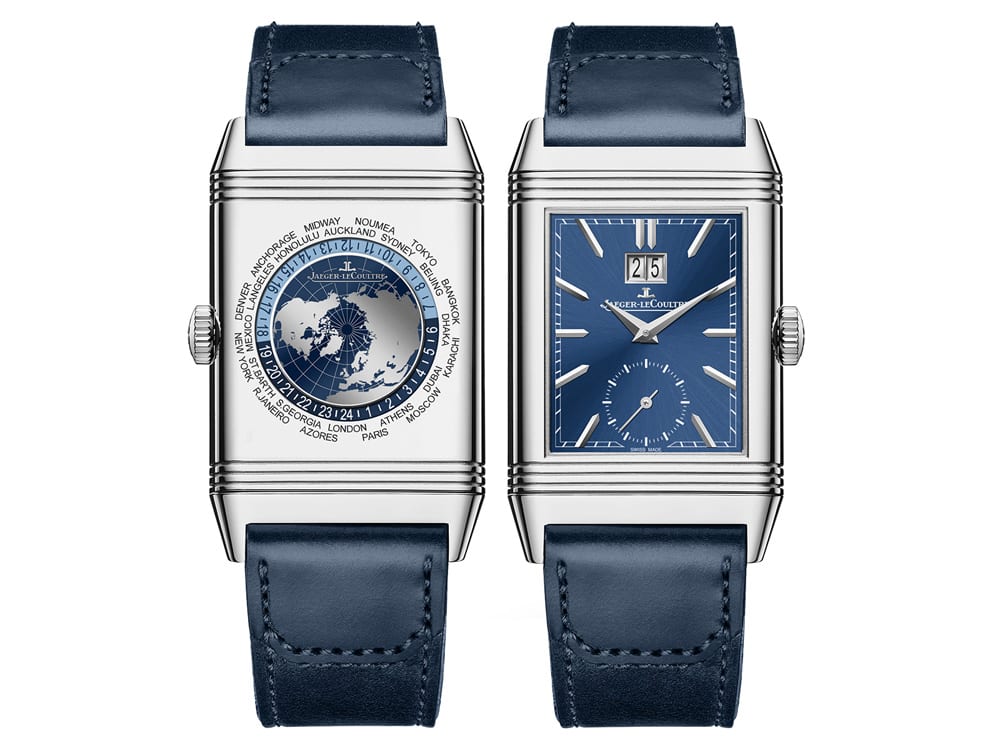
Owning a traditional watch is like owning a piece of history and art. A well-made mechanical watch can last for generations–your grandfather’s Rolex might still tick along just fine with a little maintenance. They don’t require charging, and many models are water-resistant to the point of surviving shipwreck dives (talking about the Omega Seamaster 300). Plus, traditional watches, particularly luxury ones, tend to hold or even appreciate in value. Wearing a Jaeger-LeCoultre Reverso Tribute Geographic doesn’t just tell people you know the time–it makes a statement that you value yours.
Omega Seamaster 300
Jaeger-LeCoultre Reverso Tribute Geographic
The downside? Mechanical watches can be less accurate than their quartz or smart counterparts–we’re talking seconds lost or gained per day, and servicing them can cost a small fortune.
Smartwatches, by contrast, offer incredible functionality. Track your steps, monitor your sleep and heart rate, navigate a city, respond to texts and emails–all from your wrist. A Statista study on the global smartwatch market found its value is projected to reach US$32.05 billion by 2025, a testament to just how mainstream wrist-tech has become. However, smartwatches age like milk. Within three to five years, your model might be outdated, slower, and no longer supported. Also, battery anxiety is real–forgetting to charge your watch could leave you, ironically, out of time.
Comparing the two can be likened to getting handcrafted leather shoes versus a pair of athletic sneakers. With the level of precision and skill that goes into crafting a fine pair of Oxfords, it’s like wearing a piece of art every time you step out with a 50,000-peso pair of Ferragamos. On the other hand, you cannot ignore the amount of science and technology poured into a pair of running sneakers that provide comfort even after a long run, such as the Nike Vaporfly 3 Running Shoe. They both have something to offer to a discerning gentleman, but the question is where to wear which.
Where and When to Wear a Traditional Watch and a Smartwatch
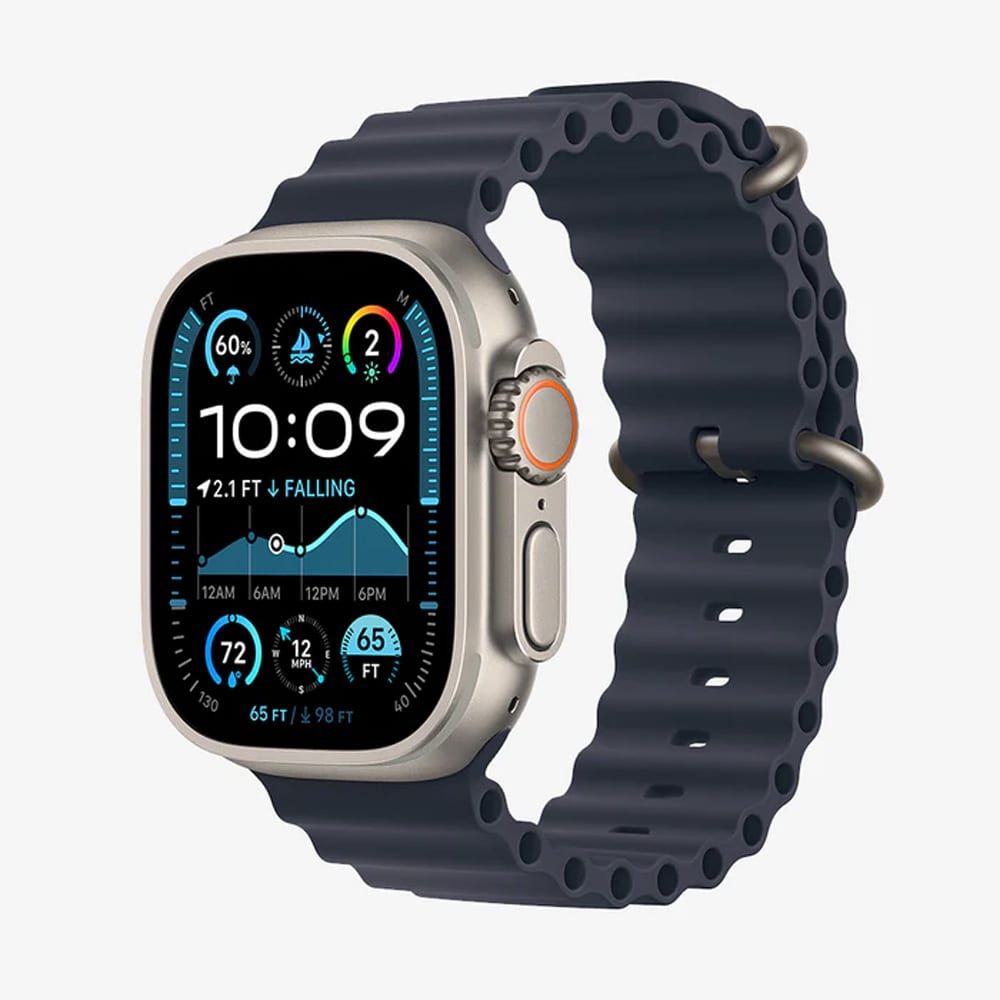
You wouldn’t wear a Rolex Submariner to a CrossFit class. Nor would you pair an Apple Watch Ultra with a bespoke tuxedo–unless your goal is to become a cautionary tale on Reddit’s r/malefashionadvice. Traditional watches and smartwatches thrive in different ecosystems, and understanding the difference is crucial.
Apple Watch Ultra
For formal events–weddings, black-tie galas, corporate meetings where bonuses and promotions are on the line–traditional watches are king. A slim dress watch like the Cartier Tank or the Piaget Altiplano slides effortlessly under a cuff, whispering sophistication rather than saying, “Tech-savvy, but didn’t fully understand the dress code.”
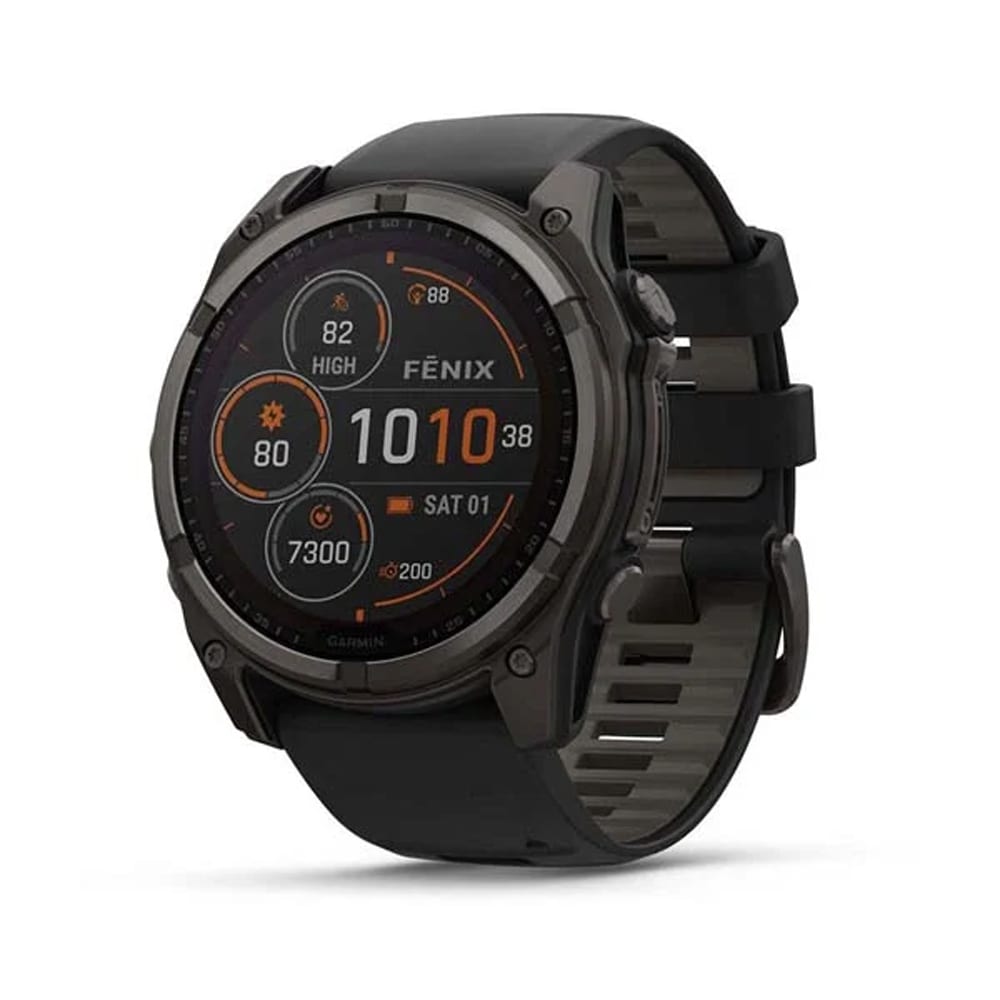
Smartwatches, on the other hand, dominate casual and active spaces. You’ll want a Garmin Fenix 8 for hiking up Mt. Pulag, an Apple Watch Series 10 for daily commuting, or a Samsung Galaxy Watch7 when counting macros at the gym.
Garmin Fenix 8 - 51mm, solar
Style-wise, traditional watches lean into leather straps, metal bracelets, and precious materials (gold, titanium, platinum) and gems. Smartwatches, meanwhile, offer silicone or fabric bands, customizable faces, and infinite personalization. One looks better paired with a Negroni in a speakeasy during a date; the other looks better while logging your 10K steps as you explore an unfamiliar, foreign city.
Traditional and Smart Watches Worth a Look
In the traditional watch camp, nothing beats a classic like a Rolex. The Rolex Submariner 41mm (starting at around P547,000) continues to be the benchmark for luxury watches. Oystersteel, Cerachrom bezel insert, and 300 meters of water resistance–who can say no to James Bond’s unofficial timepiece?
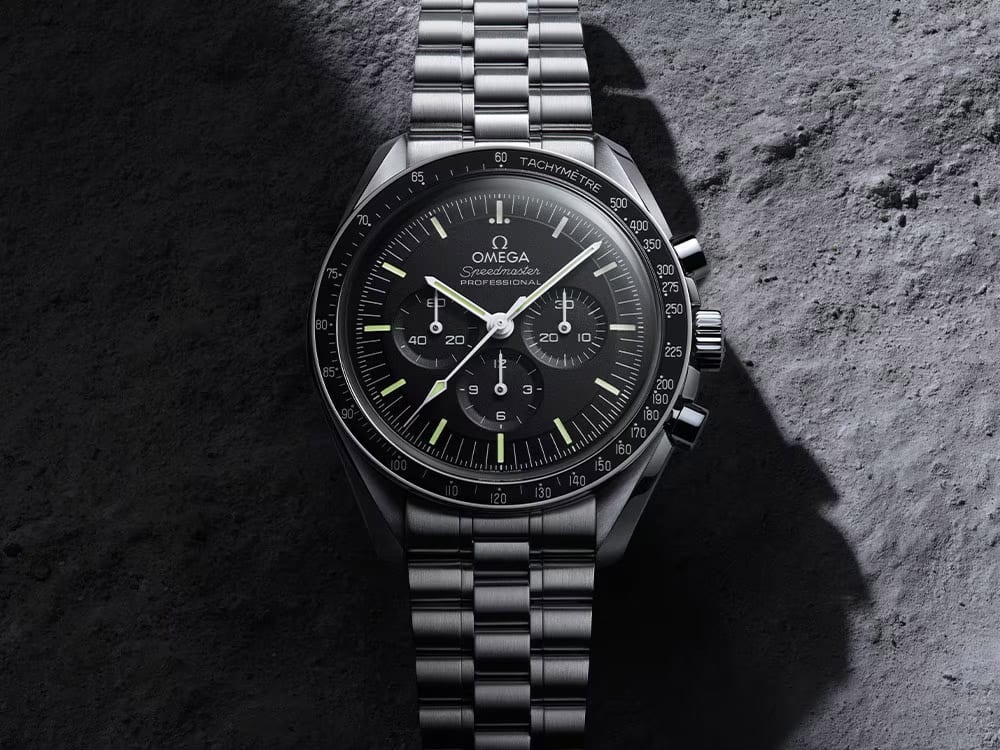
Omega’s Speedmaster Professional Moonwatch (priced at around US$8,000), especially famous for being the first watch on the moon, can be a worthy addition to your finest collection. Patek Philippe, meanwhile, sits in the realm of high-end collections; their Nautilus 5711 recently broke auction records, fetching more than US$7.3 million.
Omega’s Speedmaster Professional Moonwatch
If you want something under the radar but no less storied, Grand Seiko–Japan’s horological pride–offers pieces like the Snowflake SBGA211 (around US$6,600), combining Spring Drive technology with pure, snowy minimalism.
On the other hand, in the smartwatch sphere, the Apple Watch is the titan. Their latest Series 10 model (starting at P26,490) includes an always-on Retina display, double-tap gesture control, heart and sleep monitoring, and emergency SOS. For fitness buffs, Garmin’s Fenix 8 AMOLED (around P69,990) is a beast, boasting up to 29 days of battery life, multi-band GPS tracking, multiple sports modes, and meets U.S. “military standards for thermal, shock, and water resistance.”
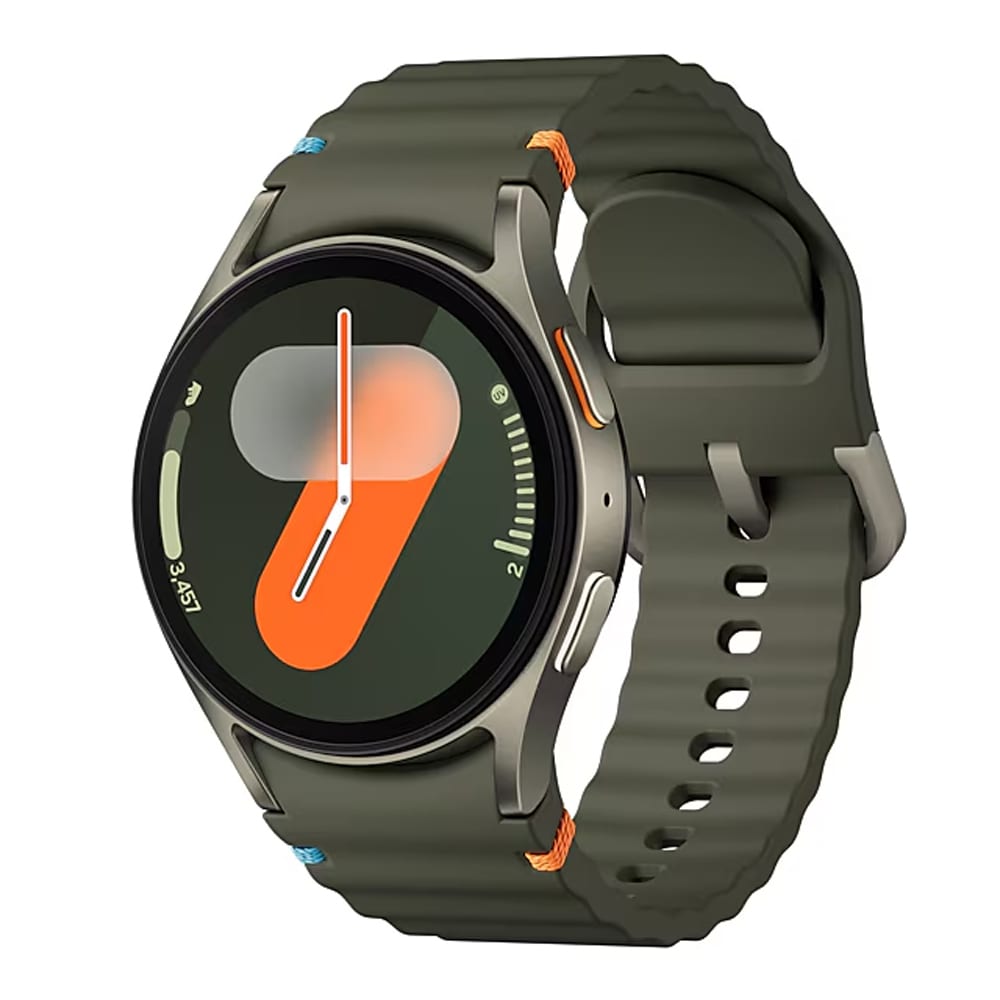
Last but not least, Samsung’s Galaxy Watch7 Classic (starting at Php18,990) brings just as many features to the table with its dual-frequency GPS, BioActive Sensor, and Galaxy AI-powered wellness monitor.
Samsung Galaxy Watch7
If you’re looking into hybrid watches, some luxury brands are already trying to bridge the gap. TAG Heuer’s Connected Calibre E4 45mm in Steel (about P109,000) is a luxury smartwatch wrapped in titanium and ceramic, proving that even Swiss horologists know they can’t ignore the rise of wrist-tech.
It’s All About What You Value
Ultimately, choosing between a smartwatch and a traditional watch boils down to what you value: timeless artistry or cutting-edge convenience? Traditional watches have endured for centuries for a reason, and they’ll never go out of style. Smartwatches, in turn, propel us into the now, where connectivity is king, while reminding us how technology can make our lives easier.
Neither is better than the other, but they do have their place and time. Wear a mechanical marvel when you want to impress, and a wrist-computer when you want to survive the week and watch over your health. There’s room for both, and hopefully, with the rise of hybrid watches, watch enthusiasts no longer have to choose between them.
