

The Genius of Michael V's Characters

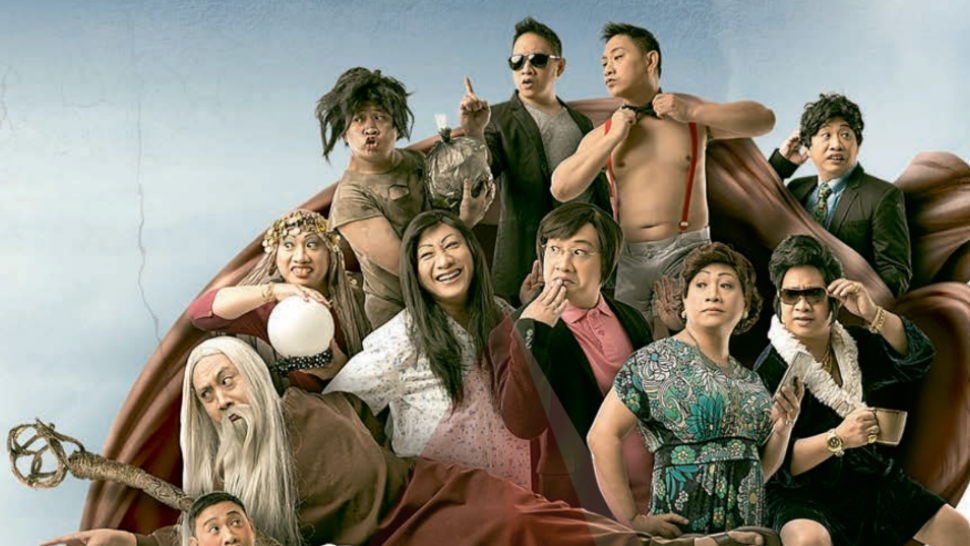
What Michael V has managed to pull off in three decades of show business is nothing short of spectacular. On Bubble Gang, he became the nation's most important court jester, pulling characters out of his bag by the dozen, racking in hundreds of thousands of viewers on a nightly basis. He would come to shape the kind of comedic enterprise the gag show would pride itself on. It honored a long-standing tradition of TV comic wizardry in the Philippines. Bitoy, by himself, turned into a pop cultural phenomenon. As the many faces he's worn through the years live on, so does the comedian's legend.
Understanding his influence on Filipino comedy is what makes The Bubble Bible by Bitoy such a delight. Bitoy walks us through 12 of his most memorable roles on the show, taking us through the wardrobe, attitudes, motivations, and of course execution. With a foreword by Joey De Leon, the book delves into the genius it takes to achieve each characterization. We see in the book the trends we have allowed, the limits of our sensibilities, and the things we can laugh at among ourselves.
Such is the case with his descriptions of Junie Lee, Madam Rocha, Don Miguel, Mr. Assimo, Mr. Matapobre, Bonggang Bonggang Bongbong, and Doña Yna Moran, to name a few. We get their signature lines, catchphrases, and the context in which they were created (some have aged far better than others, we should say). The icon even offers us insights into the makings of Bubble Gang lore and the power of persona in storytelling.
It's quite the ensemble from the fabled humorist. Each personality was chosen based on a survey among fans and colleagues. The illustrations come from him, too. Bitoy, who had won Asian Television Awards for Best Comedy Performance for three consecutive years, triumphs here as a sort of television humor historian.
Comedy is serious work, of course. In The Bubble Bible, we also get a sense of just how far Bitoy was willing to go to stage his character's profiles. Looking at his collection of characters, we get a piece of cultural critique and social commentaries that once reflected the times, and even some of his personal history. In the case of a character like Junie Lee, Bitoy claimed in an interview that it was a way for him to cope with stardom and the idea of people wanting to interview him. Junie Lee is always prepared to talk.
You look at a character like Yna Moran and you find yourself thinking about that wily aunt you used to abhor. “Paki-explain! Labyu!” Those sermons were something else, weren't they? Mr. Matapobre, on the other hand, is that one douche of a guy that for some reason endears the hell out of you, no matter how annoying he is. It's a rumination of Elvis' assholery. Madam Rocha toys with our irrational reverence for horoscopes and predictions. That Sexballs music video, we may argue, pays homage to the gravitas of that Sex Bomb era. Tata Lino is there for us as this sort of intellectual shaman (so when are we going to see those tattoos, aye?).
Bonggang Bongbong and Tata Lino. Now what would that conversation look like, you think?

ALSO READ:
The Return of the Big-Budget Comedy
Macoy Dubs: 'Nakaka-Limit ng Comedy ang Cancel Culture'
In the case of Don Miguel Ayalabang, we even have a full-blown The King of the Hill feature on the spoof magazine Fobres. The blurb, written by a certain Allan Hernandez, writes: "Any career-driven person knows how hard it is to get to the top of the mountain. But only the most successful of men, like Don Miguel De Ayalabang, arguably the country’s richest and most influential, know that it’s doubly harder to stay on top of Smokey Mountain."
If we go through the article, we are treated to a conversation with the man himself. And the quotes are exactly what you thought they were going to be. Just stupid fun we can chew on. Filipinos love their media-centric escapism, after all.
Equally stupid and fun was the simulated interaction in the Facebook comments section between all of them. These quite literally are conversations between the many people in Bitoy's comedic psyche. Each chapter in the book maps out the character's respective backgrounds, temperaments, and places in the Bitoy cinematic universe, so to speak. And to think, this collection isn't even the entire thing. Plenty of other personalities still exist elsewhere.
We can make the argument that Bitoy's brand of world-building still reverberates through our comedic memory. Sure, these are parodies. But that shouldn't take away from the influence these personas had on pop culture. The Bubble Bible by Bitoy is a comic's own meditation of a career that was built on the backs of these personalities, as well as of the demographic and period they served.
Junie Lee interviewing Madam Rocha. Imagine that.

Yes, some of these may be deemed "problematic" in the current social landscape (like the "Hindi Ako Bakla" or "DJ Bumbay" skits), but they unravel pieces of truth in the memory of Filipino television. There was a time when Sex Bomb girls reigned supreme. Fortune tellers became their own alternative institution. Shows about perceived strongmen solving ordinary people's problems continue to exist. Politicians and celebrities remain a well-spring of material, too.
While plenty of these characters may not do well in 2023, many of Michael V's skits have nevertheless stood the test of time. All these transcend meme culture, offering us something more tangible and with a wider audience base. All these personas are caricatures of modern history, in a sense. Bitoy's work on Bubble Gang mirrors the prevailing tropes and narratives in various social circumstances.
Bitoy truly is one of our greatest showmen. He was and is one of the biggest draws on Filipino mainstream TV The Bubble Bible by Bitoy wasn't supposed to be an autobiography, but in many ways, it is. Maybe not just the textbook kind where a certain successful man babbles along about his fondest memories and achievements. The 45-year-old comedian still has a few more creative terrains to conquer. Bitoy, after all, is still in the middle of playing his most important character as we speak: himself.
