

The Gifts of Fernando Zóbel

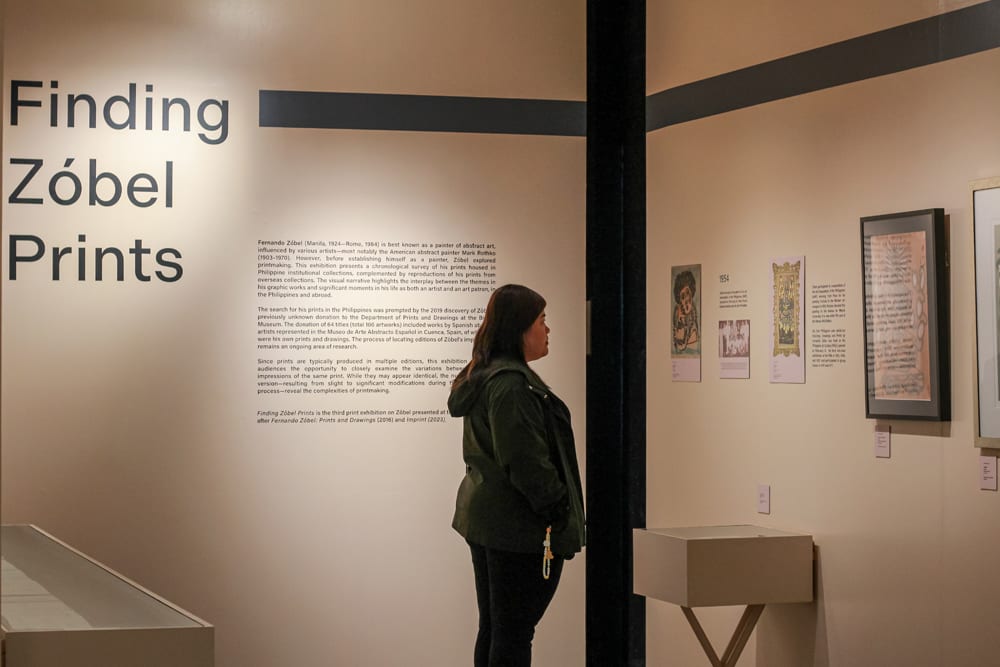
The Finding Zóbel Prints exhibition at the Ayala Museum is an intimate look into the gifted mind of Fernando Zóbel. Though the Spanish-Filipino artist is celebrated as a pillar of modern Philippine painting, he was also a prolific printmaker. On sheets of paper, Zóbel’s ideas—whether grounded in reality or heading toward the abstract—unfold seamlessly, offering glimpses into the pages of his artistic career.
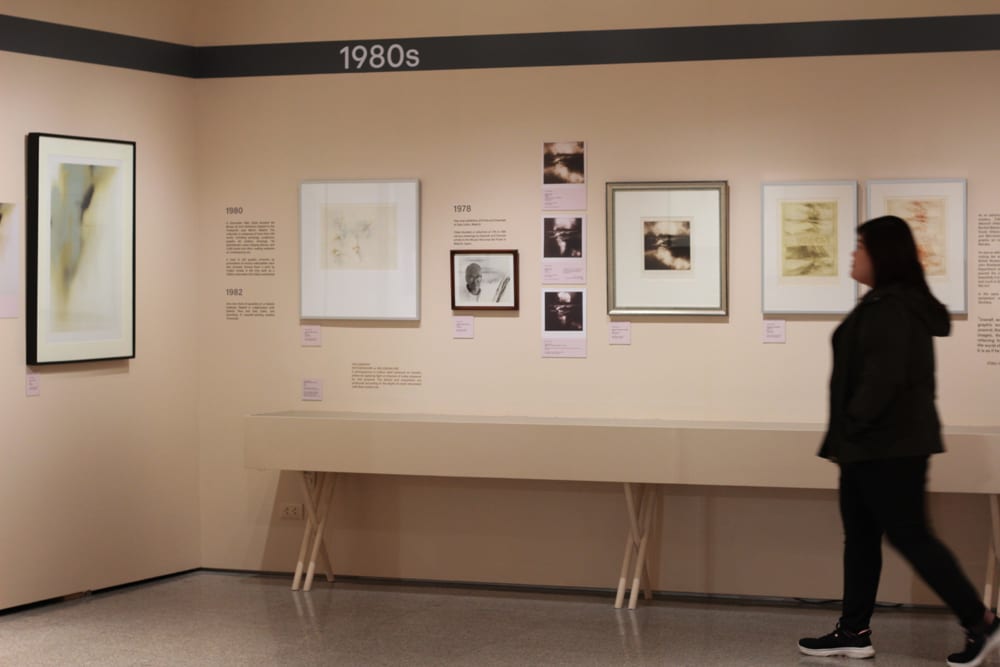
Curated by Aprille P. Tijam, the museum’s Associate Director and Head of Exhibitions and Collections, the exhibition is the first to gather Zóbel’s prints from various collections in the Philippines and abroad. Arranged chronologically and contextualized by key moments from the artist’s life and career, the works trace the connections between the prints and his evolution as an abstract painter. Yet, what’s interesting here is that you won’t actually see any canvases on the walls. "There are no paintings on exhibit," Tijam tells Esquire Philippines, "because we wanted to really focus on his prints and printmaking journey."
ALSO READ:
How Zóbel Tried to Define Filipino Art
Sofia Zobel-Elizalde on Shaping Future Ballet Stars
The Discovery of Zóbel’s Prints
The exhibition serves as a thoughtful counterpart to the recently closed Zóbel: The Future of the Past. While the previous show explored Zóbel’s cosmopolitan life and broader artistic practice, Finding Zóbel Prints focuses specifically on the importance of printmaking to the artist. In many ways, Finding Zóbel Prints echoes Zóbel’s love for prints because, at its core, the exhibition is an ode to printmaking. It showcases the medium’s idiosyncrasies as well as its poetic tendency to attract unexpected surprises.
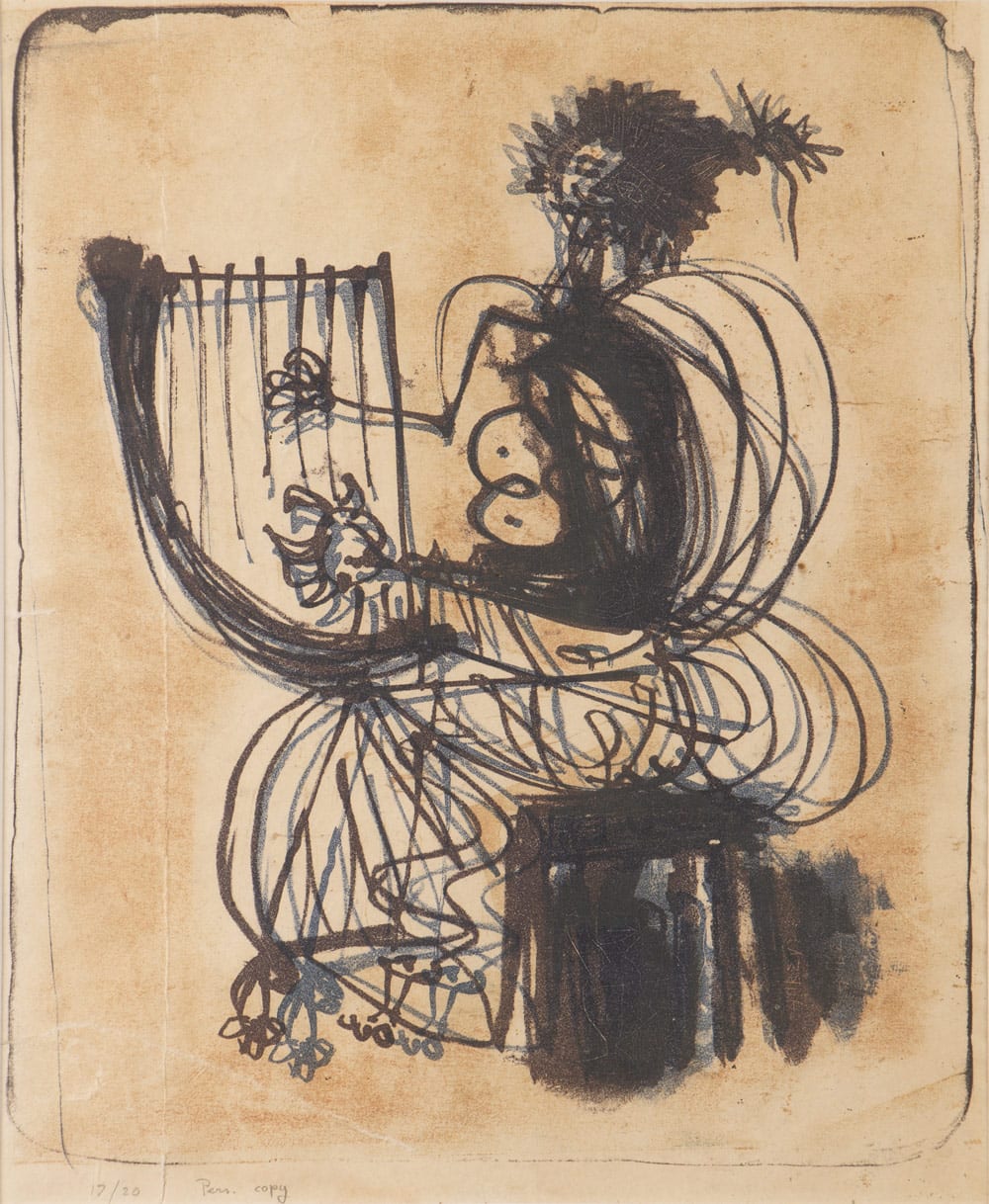
'ORPHEUS, 17/20' by Fernando Zóbel
1952, Lithograph, 32 x 26 cm
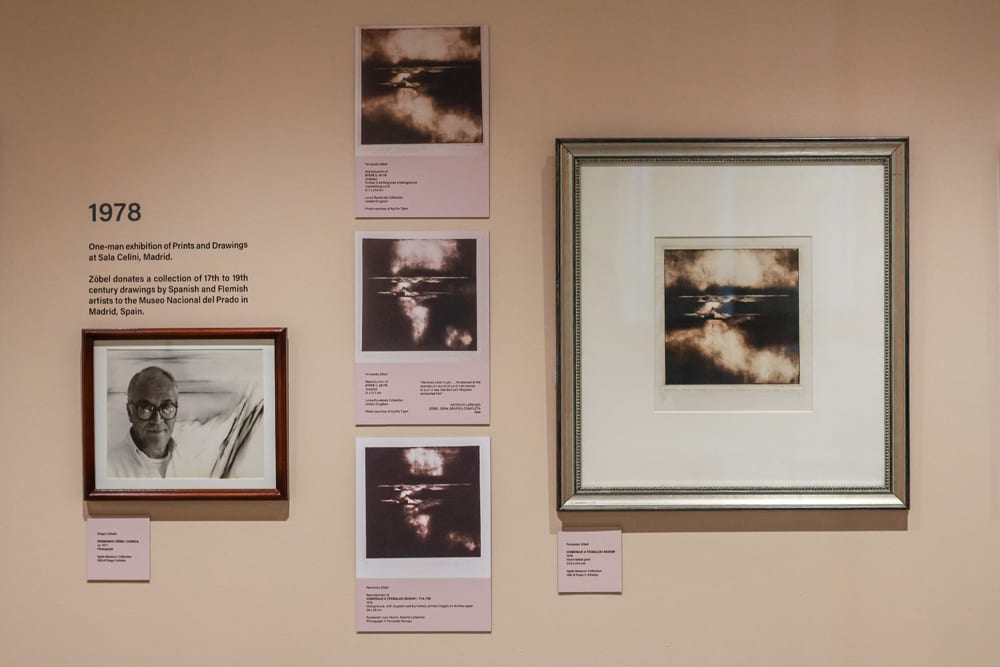
In this sense, it’s quite fitting that the show’s own origin also resulted from the unexpected. In 2019, Tijam participated in the International Training Fellowship at the British Museum. In true Filipino fashion, she brought with her a small token—a catalog from another Zóbel exhibition. Upon presenting it, the Zóbel name had sparked a memory for someone who had recalled meeting the artist when he had donated prints to the museum’s Department of Prints and Drawings decades prior. This led Tijam to rediscover Zóbel’s largely unknown donation containing hundreds of the artist’s own works as well as prints by his fellow Spanish abstract artists.
Surely, Tijam could not have anticipated that her gift of Zóbel would lead her to a gift from Zóbel. She also couldn’t have foreseen the years-long search for Zóbel prints that would commence. “Each discovery is a ‘eureka’ moment,” she says, “much like when I first discovered his donations to the British Museum.” Now, as that research comes home to Manila, we get to see these prints ourselves and uncover our own revelations about the artist.
The Artist at Work
More so than his canvases, the prints on display open an intimate window into Zóbel’s artistic process. Their scale is modest; the use of paper feels more approachable. They also allow us to see traces of Zóbel’s hand, not just the designs he created. We get glimpses, for instance, into how he applied ink or how hard he may have pressed a design onto paper. And while these details may sound trivial, they offer valuable insights into the artist’s technical and conceptual explorations.
'DIAGONAL DEPORTIVA, 23/35 (RED ORANGE)'
1974, Etching, 26.3 x 33 cm
One of seven prints contained in a jacket.
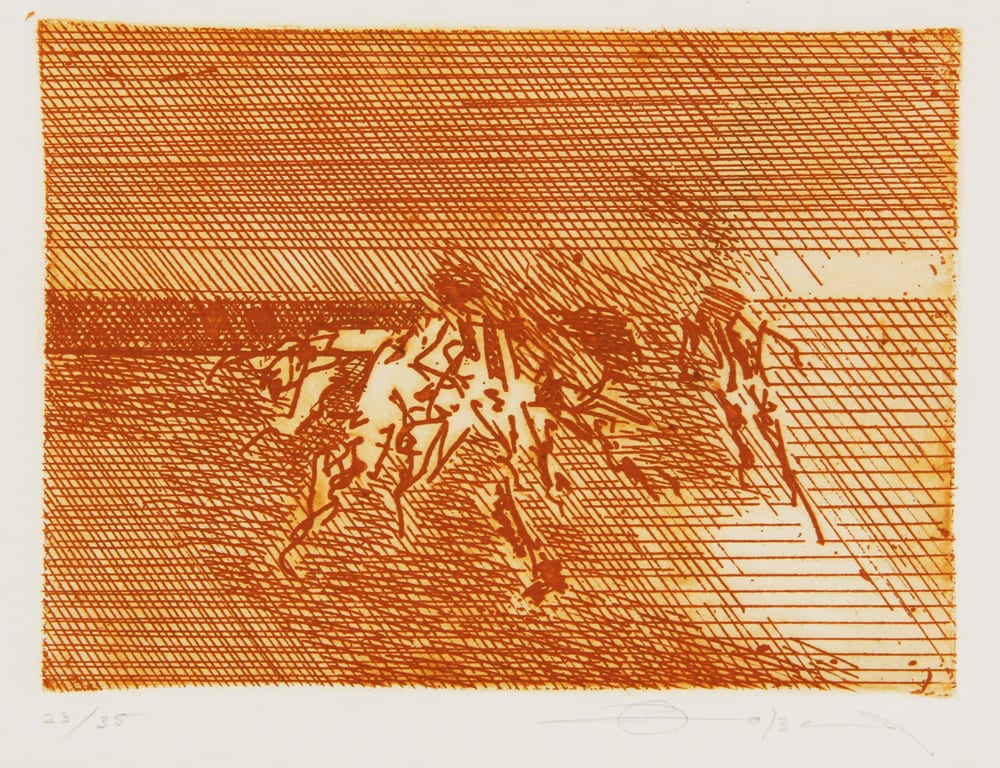
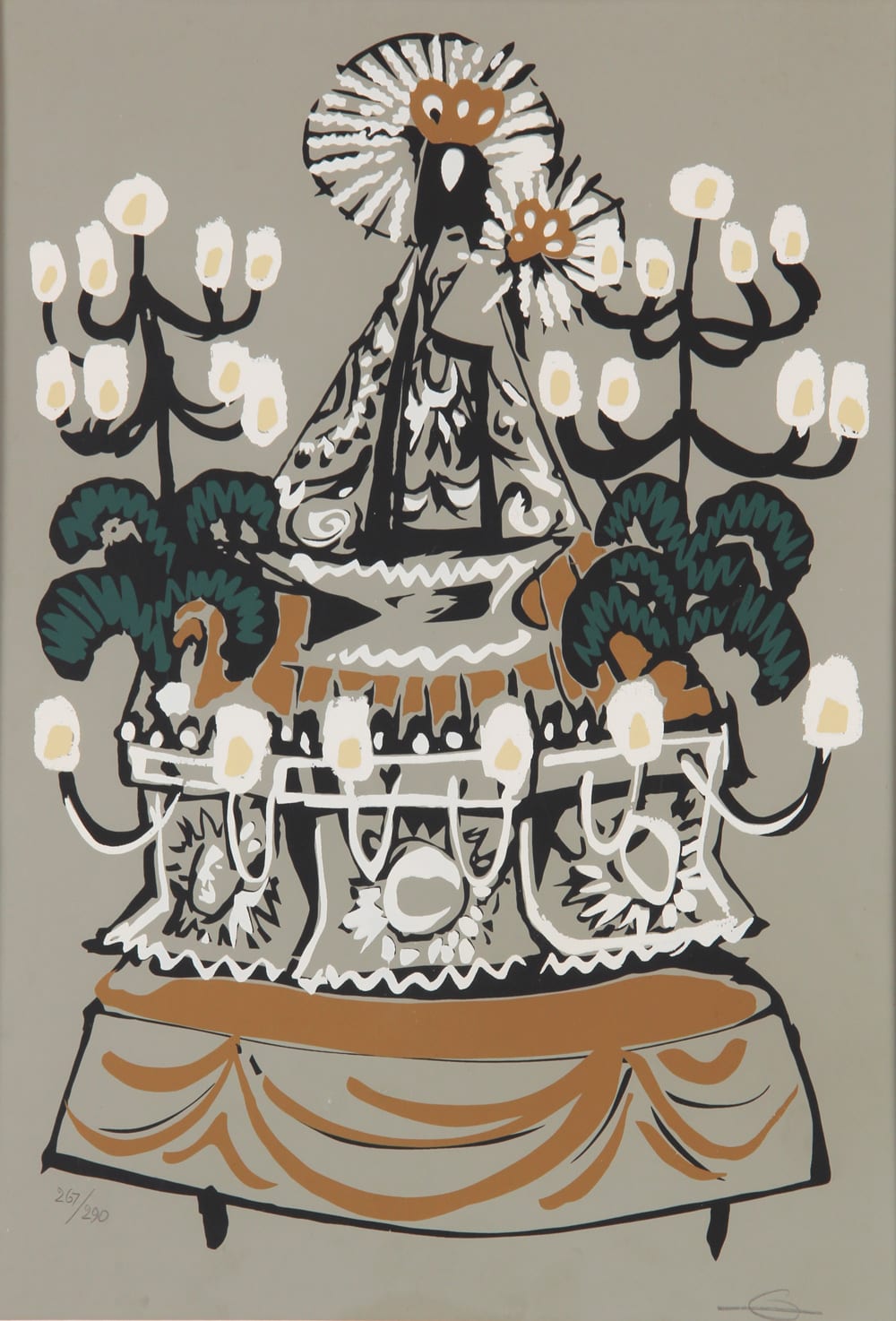
Notably, there are differences from print to print that make us look at them again and again. “That was actually the goal,” Tijam explains, “to put as many editions of one print as possible and see the nuances. It all looks the same from afar. But when you look closer, there are variations in the impressions.” Take, for instance, his Carroza prints depicting the Virgin Mary on an ornate parade float. Initially, they seem like studies for one of his more well-known paintings. But when we take a closer look at the nuances of the prints, we don’t just see Zóbel finalizing a composition. We, in fact, witness his experimentation with form, color, and printmaking techniques.
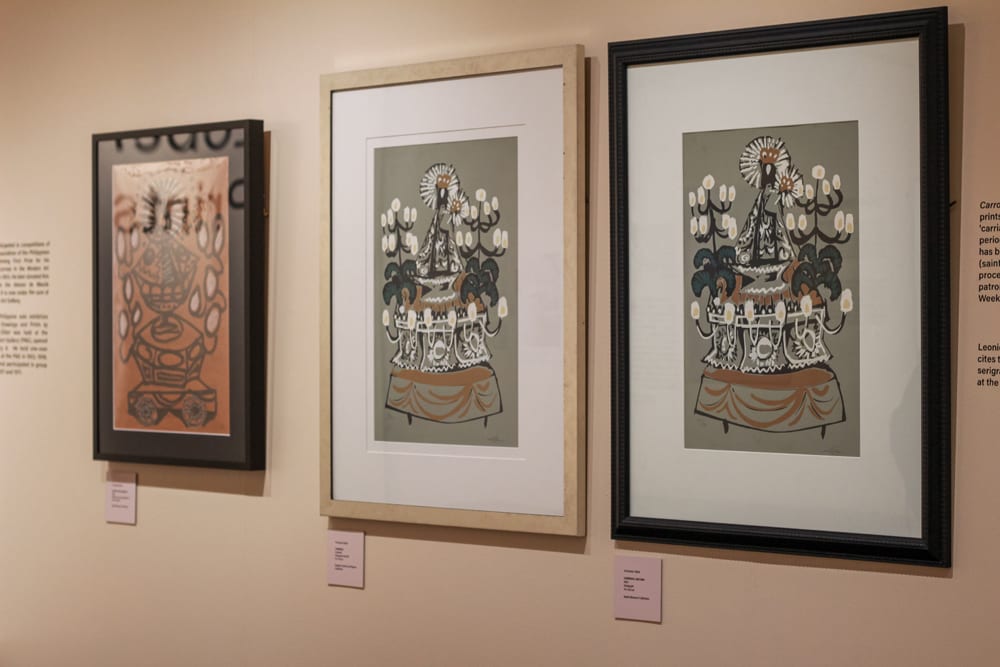
'CARROZA, 267/290' by Fernando Zóbel
1953, Serigraph, 74 x 58 cm
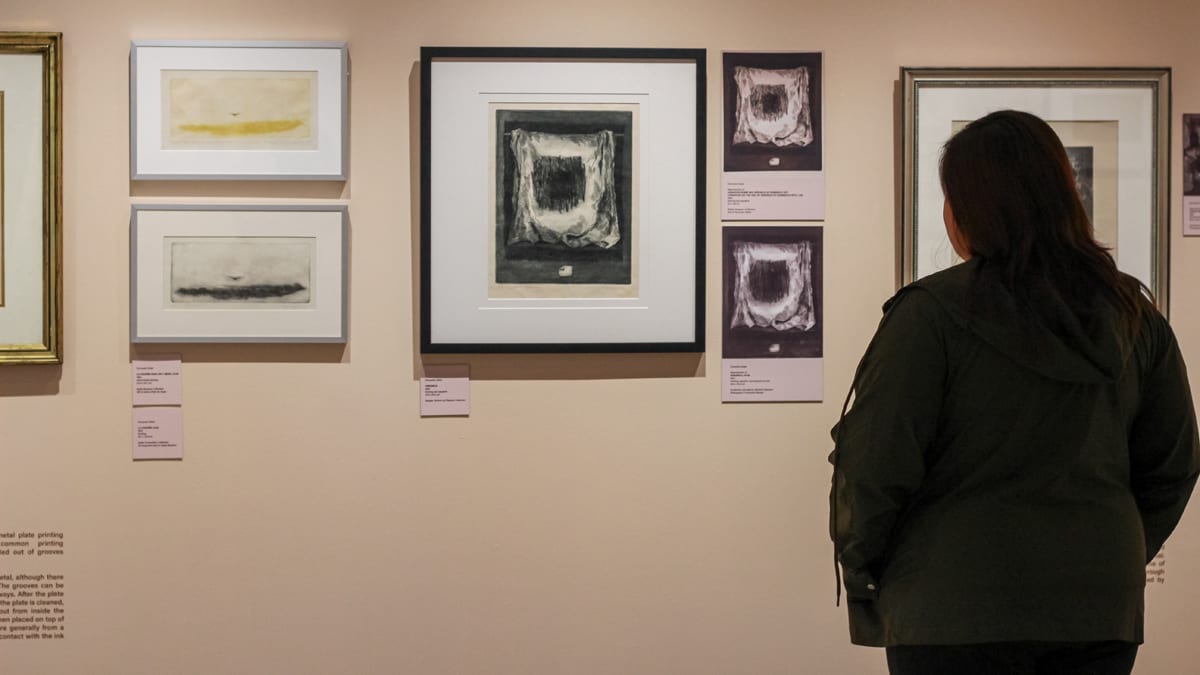
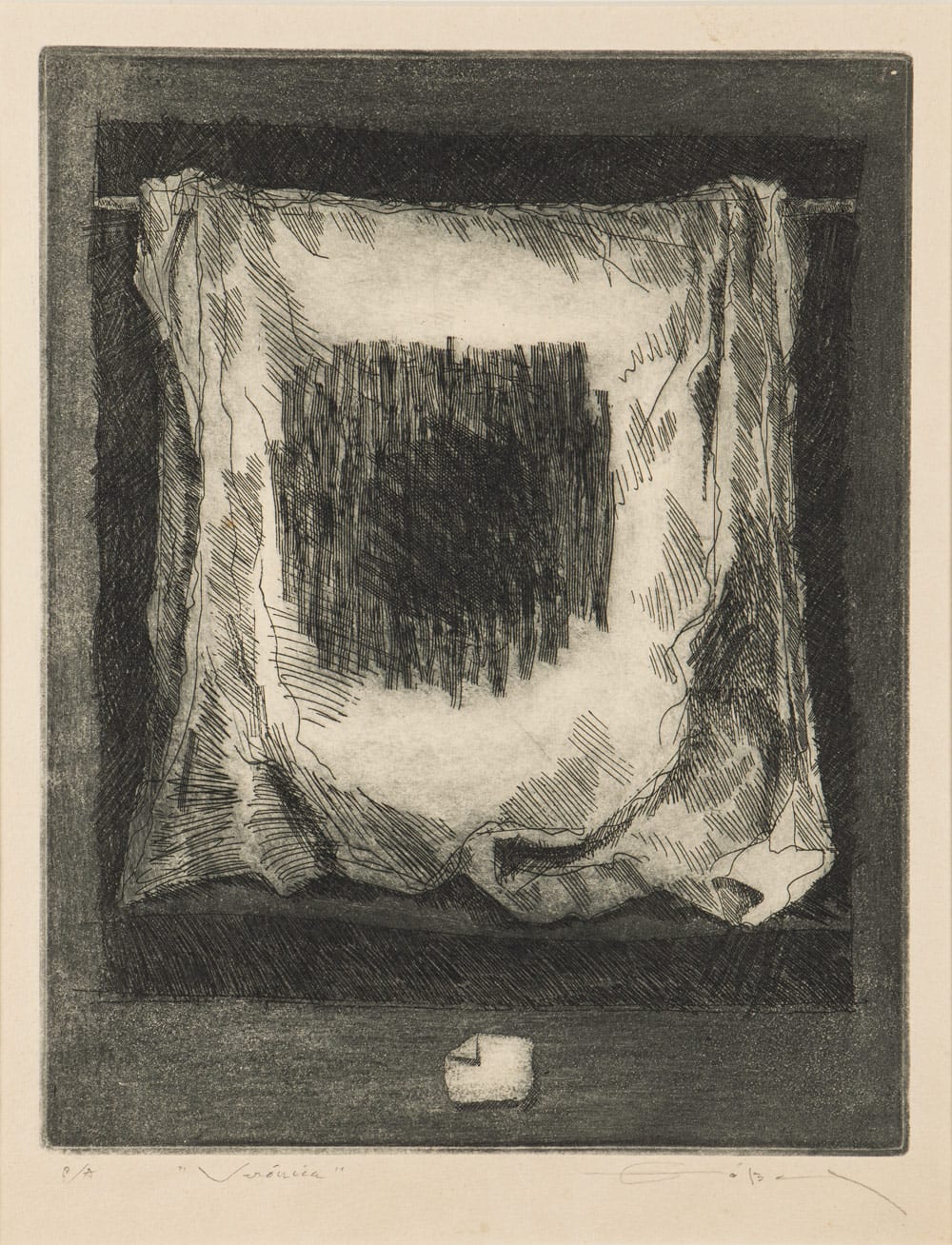
With the Veronica prints, the nuances are more subtle but still offer insights into Zóbel’s mind. They draw us in, making us consider the artist’s attempt to create more painterly prints. While the etched lines are evidence of the medium, the tonal variations between the black backgrounds compel us to look again. When we do, we notice from the prints and their labels that this is a direct conversation with a broader iconographic tradition. But in taking yet another look, we realize that Zóbel is perhaps also trying to have a conversation with the history of printmaking. These Veronica prints depict the veil that was believed to have wiped the face of Jesus while carrying the cross. This left a bloody mark on the cloth, essentially turning it into a print of Christ’s likeness. This could, perhaps, be one of Zóbel’s mediations between painting and printmaking.
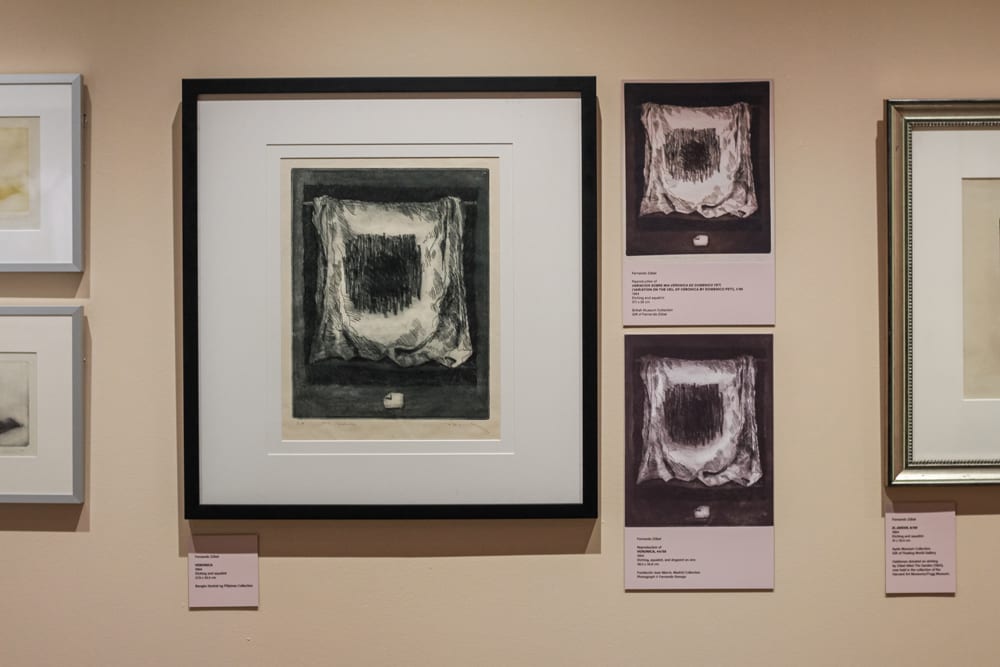
'VERONICA' by Fernando Zóbel
1964, Etching and aquatint, 27.9 x 35.5 cm
Enduring Legacies
On the surface, this exhibition is about Zóbel’s printmaking journey and the serendipitous discoveries of a curator. However, what truly grounds it all is the very notion of legacy. The show shines light not only on Zóbel's impact as an artist, but also the enduring influence of his roles as both an educator and patron.
Zóbel was deeply invested in spreading his love for printmaking. As an art educator, he ensured that the history and techniques of printmaking were always present in his art appreciation classes. The exhibition even includes his technical guides on printmaking, which show his commitment to sharing his knowledge of the medium. The definitions from this guide are also placed throughout the galleries, making Zóbel’s educational materials just as relevant today as it was decades ago.
'PAISAJILLO, 74/100' by Fernando Zóbel
1969, Print, 38 x 25.5 cm
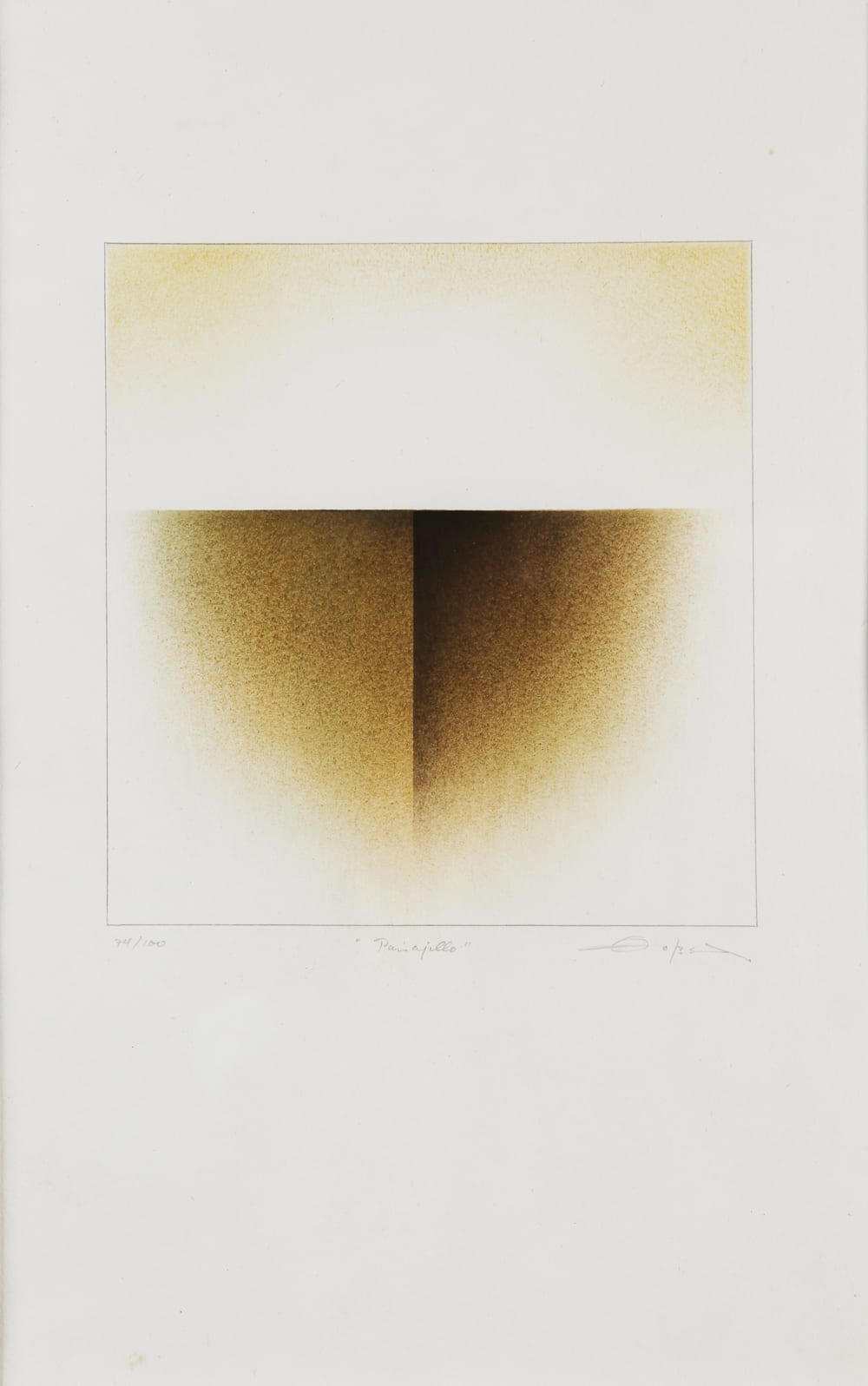
His patronage is evident, of course, through his gifts to European institutions. However, the exhibition also highlights how his support is virtually synonymous to the development of Philippine art institutions. And ultimately, with his donations, his spirit lives on in these collections. "He liked knowing that some of these works were out there," Tijam says, "because he really wanted to have this legacy."
As it comes to a close on August 31, Finding Zóbel Prints reminds us that Zóbel has left an indelible impression on the history of modern art, especially in the Philippines. It also reminds us that—although the ink has dried—his legacy is still continuing to unfold, one unexpected discovery at a time.
Finding Zóbel Prints runs until August 31, 2025, at 3/F Gallery, Ayala Museum, Makati Avenue corner De La Rosa Street, Greenbelt Park, Makati City. it is open from Tuesday to Sunday, from 11 a.m. to 7 p.m.
