
The Food is 'Soul-Healing' at Apo Filipino Heritage in Makati

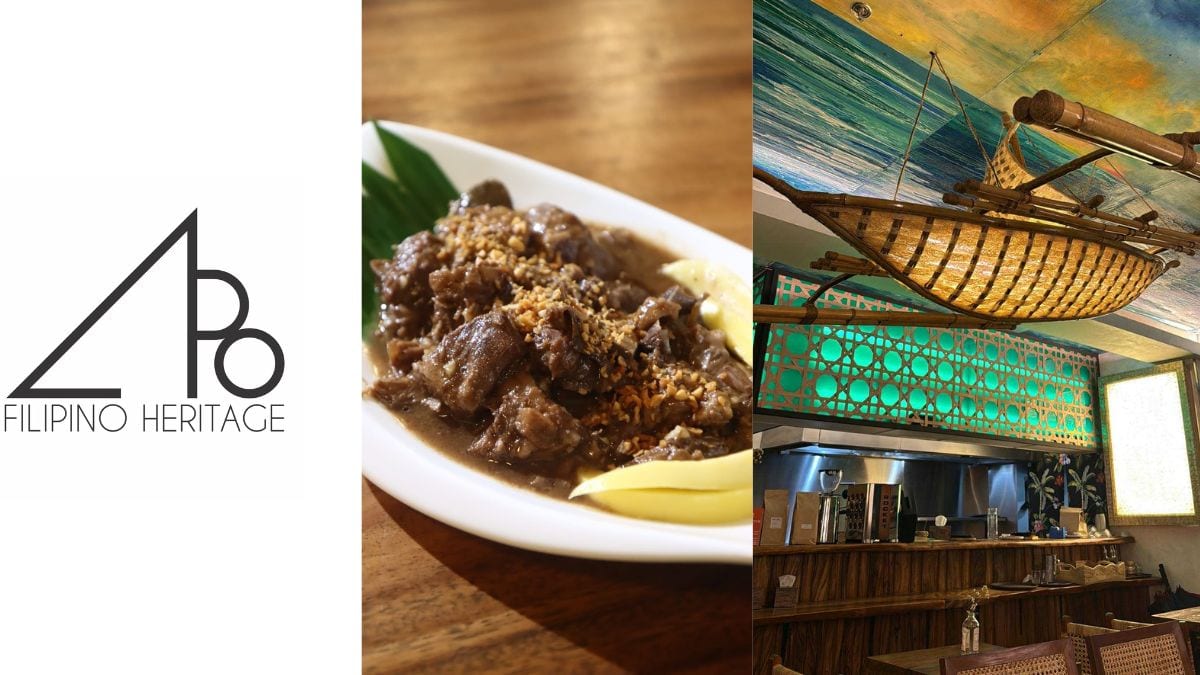
Nothing beats coming home to family and the dishes you grew up liking. This is the experience that awaits you when you dine at Apo Filipino Heritage Restaurant in Makati.
The brainchild of the Kazemis, who also own Izakaya Hamachi and Persia Grill, this Filipino restaurant promises classic Filipino food staples with their own spin on them.
Every bite is a trip to that scene from the 2006 animated classic Ratatouille, when the food critic Ego, who is an extreme stickler for food quality, was immediately transported back to his childhood after biting into Remy the Rat’s special ratatouille dish.
ALSO READ:
Hamachi Takes Center Stage at This Quaint Japanese Joint
This New Filipino Restaurant Doesn’t Serve Sinigang, Kare-Kare or Adobo
An understated joint that proudly bears the word heritage in its name, Apo is from Restaurateur Kian Kazemi and his wife Nikole, who plan on passing on their family recipes to their children, eventual grandchildren, and to any hungry soul who may walk through the restaurant’s doors.
“Apo” translates to grandchild from Filipino and is endearingly the heart of what the Kazemis aim to achieve, passing down priceless memories and flavors to subsequent generations and for these dishes to live on as long as humanly possible.
Apo Filipino Heritage's Lamb Adobo
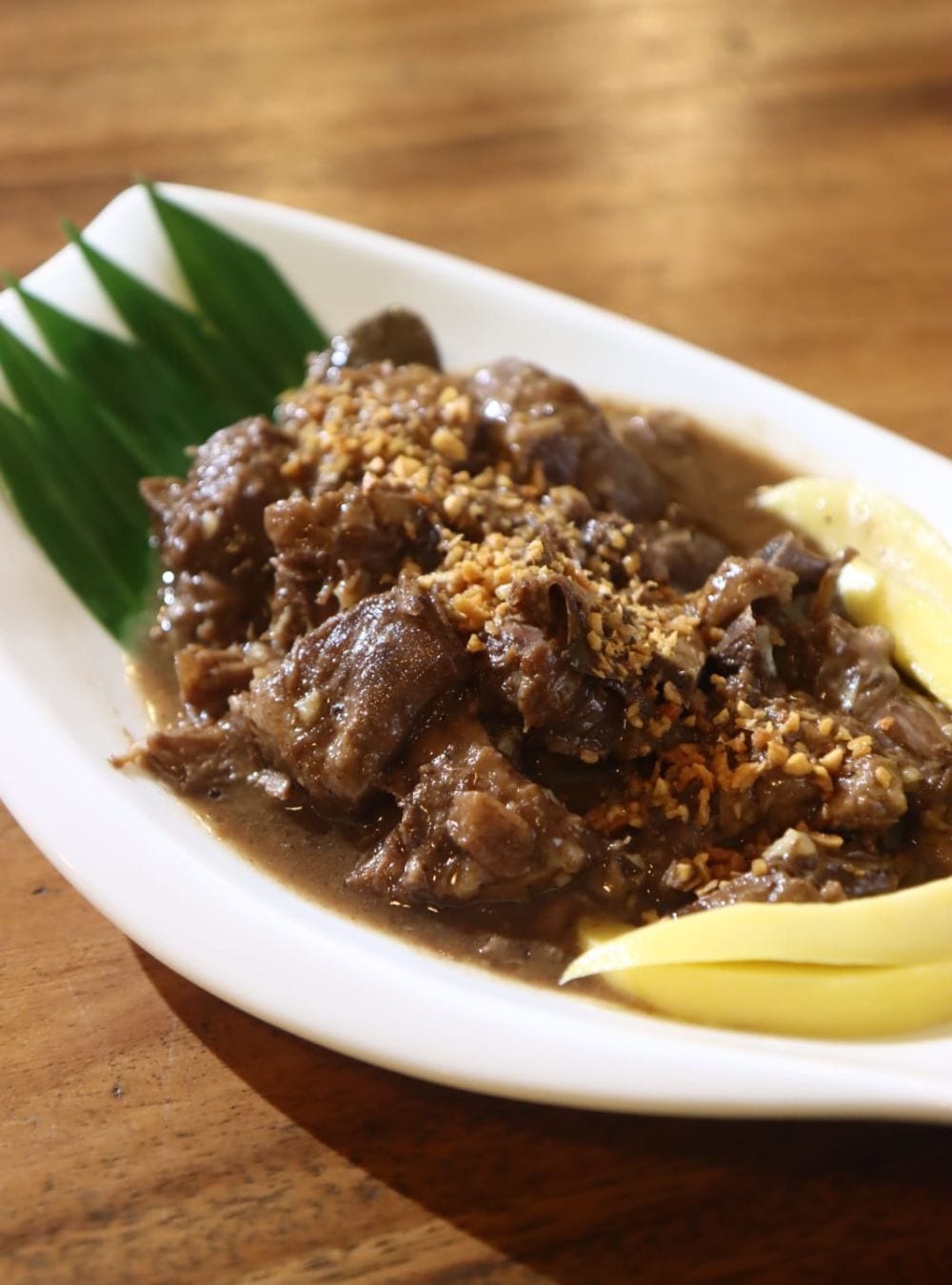
Being half Persian and half-Illonggo, it’s no surprise that Kian nails the marriage of lamb and the Filipino food staple of adobo.
When you set foot into the quaint little spot in the heart of Salcedo Village in Makati, virtually everything is sourced locally and handcrafted by local artisans, and even by some of Kian’s friends.
He says the walls are fashioned out of soil from his family’s farm in Alfonso, Cavite, which his relentless machine of a business mind is also lining up as a potential destination restaurant and villa.
The restaurant's rustic and handcrafted interior
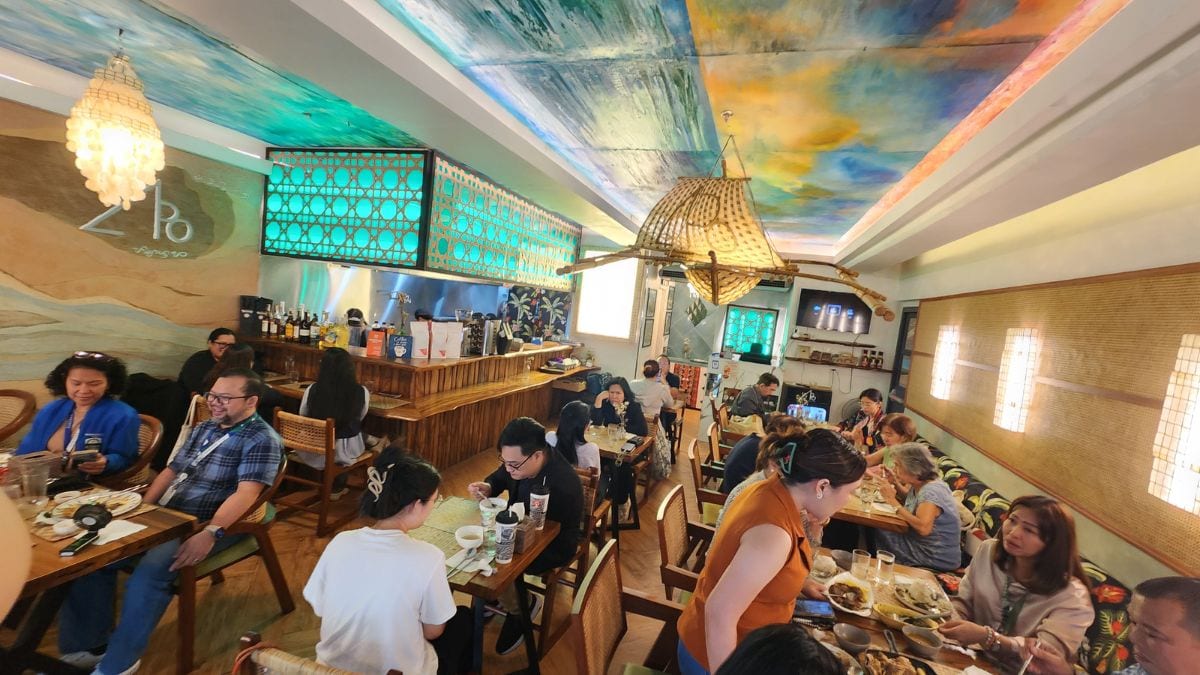
The headturning bamboo chandelier is what will probably steal your attention away once you settle in, while the permaculture clay and soil-designed walls paint a very rustic feel for an already homey environment.
“In terms of our ingredients we really like to be able to source it as fresh as we can,” Nikole says. “We want to really show when you taste the flavors of our food you really taste the coconut milk, coconut vinegar, lemongrass, pandan. These are things that we are also passing on to our next of kin and food experience that really brings to life culture.”
Getting straight into the food, the star of the show was unquestionably the Apo Filipino Heritage Lamb Adobo, which was just a melt in your mouth sensation that you have got to try in person.
One misconception Kian wishes to dispel about local cuisine is that the Pearl of the Orient’s dishes are far more than just sweet delicacies and have enough depth and diversity to sit among the world’s most celebrated cuisines and cultures.
“We’re situated in Barangay Bel Air, Salcedo Village where there’s a mix of Filipinos and a bunch of foreigners who are in this area. When they come in they’re like, wow I never thought Filipino food could taste this good,” the seasoned restaurateur said. “I think what sets us apart is our heirloom recipes from our moms, see my mother-in-law is from Leyte and my mom is Ilongga. So we merge things together.”
The first things we tried were unassuming starters such as the homemade Empanadas with Quesong Puti and their specialty Kinilaw, which were both nothing short of trips to flavor town.
Kinilaw and Empanadas
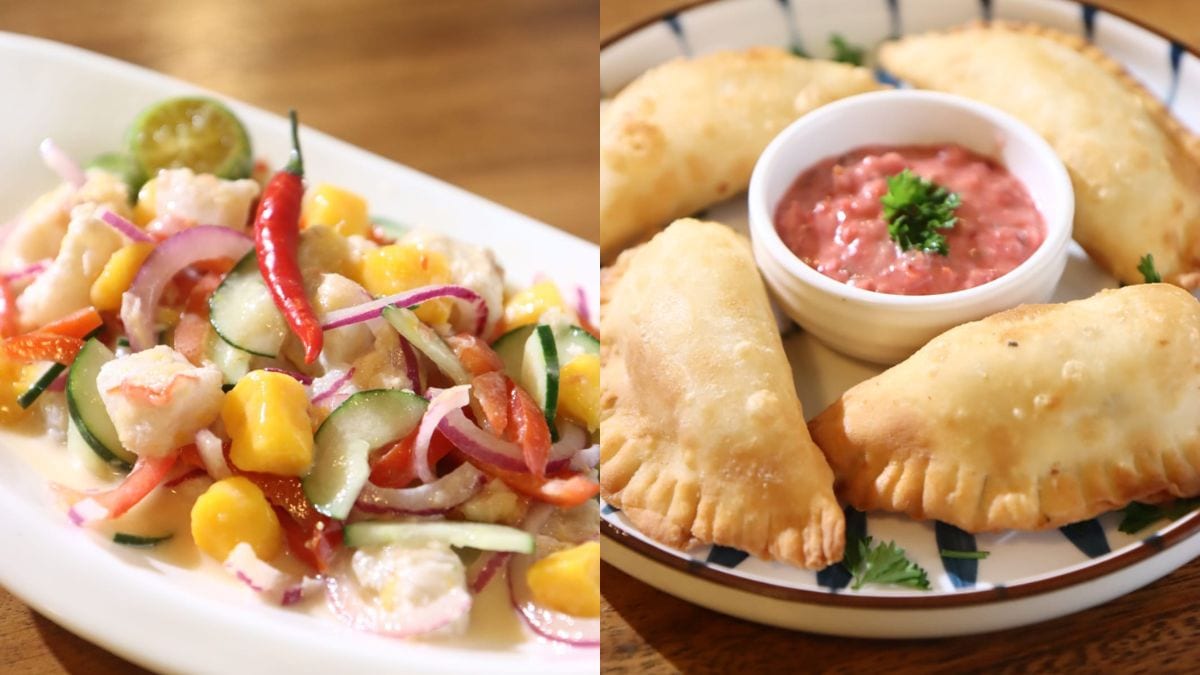
Kian notes that everything they whip up is done in-house and that the cheese comes from their special carabao farm in Bulacan.
The kinilaw dish is also very tastefully and masterfully done and is attributed to Kian’s tenure in setting up the well-loved Izakaya Hamachi Japanese restaurant.
The intimate team behind the kitchen, composed of their most trusted cooks and artisans in their own right, also familiarized themselves with delicate Japanese sashimi techniques essential to Hamachi preparation.
“The way we handle the tanigue, the fish, we prepare it the same way, sashimi style and this also goes into how we properly salt, water, keep it air-dried and keep it in ice properly in small batches,” Kian says, going into excruciating detail into how much love goes into food preparation at his establishments.
We then moseyed along to other Filipino classics that are usually genuine litmus tests to see if a place means business about tradition and history.
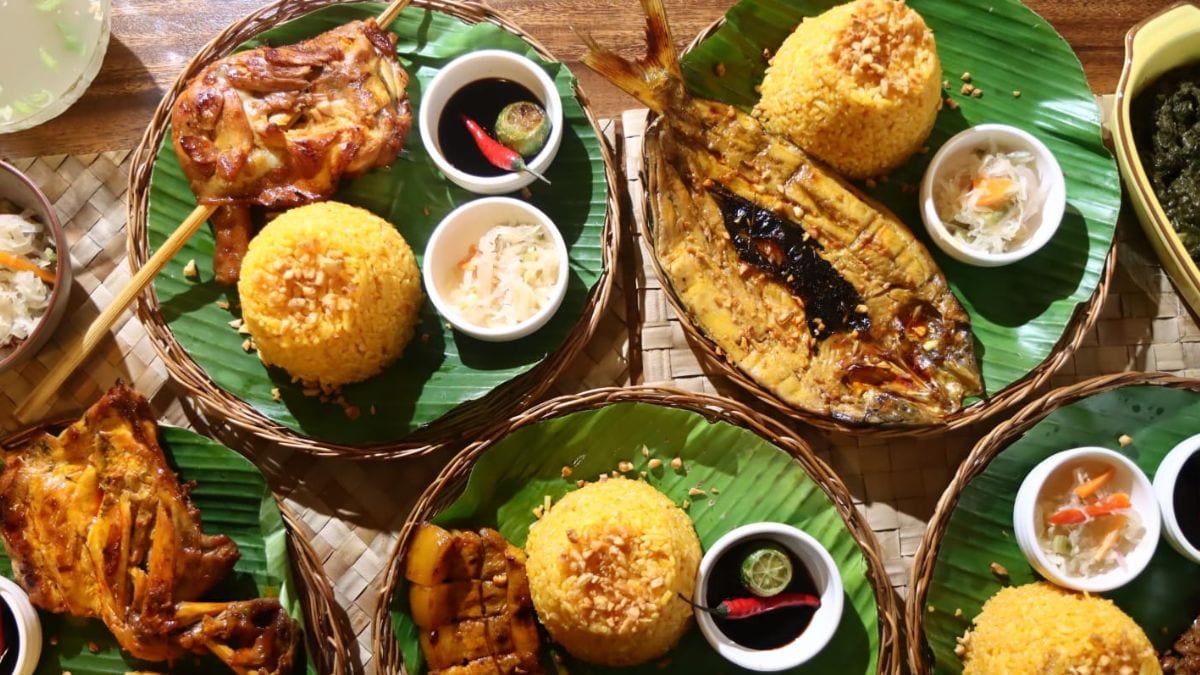
The Chicken Inasal was unlike any other commercial Inasal place we’ve tried and was a symphony of tanginess and smokiness with every bite.
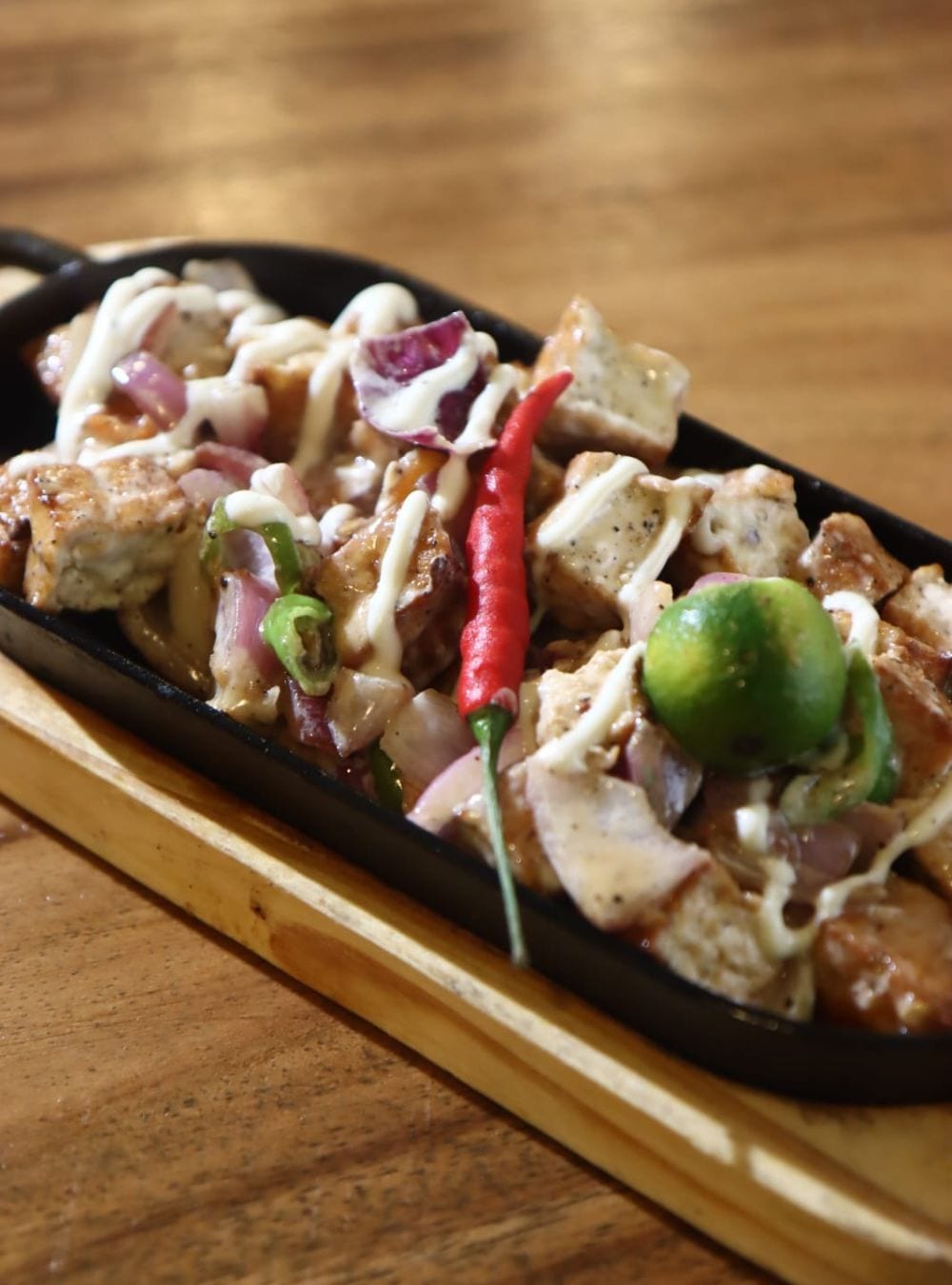
Another favorite is their sisig but made out of tofu for an extra layer of texture and variety.
Chicken Inasal set and Grilled Bangus Set
Tofu Sisig
We already let our excitement slip over the restaurant’s signature fall-off-the-bone/makes-you-forget-your-name-inducing Lamb Adobo, which is tediously and carefully marinated and slow-cooked for about six hours.
Nikole, who is the 'chief flavor officer’s' partner in flavor innovation, says dishes like adobo need to be injected with fresh ideas and cultures to elevate the local palate.
“Lamb is a typical diet in the Mediterranean, but with Kian's idea and creativity, we've made it into an adobo style with pickled mango or burong manga on the side,” she says, dissecting their signature dish. “Every part of the dish is just elevated, from the type or way of cooking it, the softness and the flavor, and then topped with burong manga for a very memorable experience.”
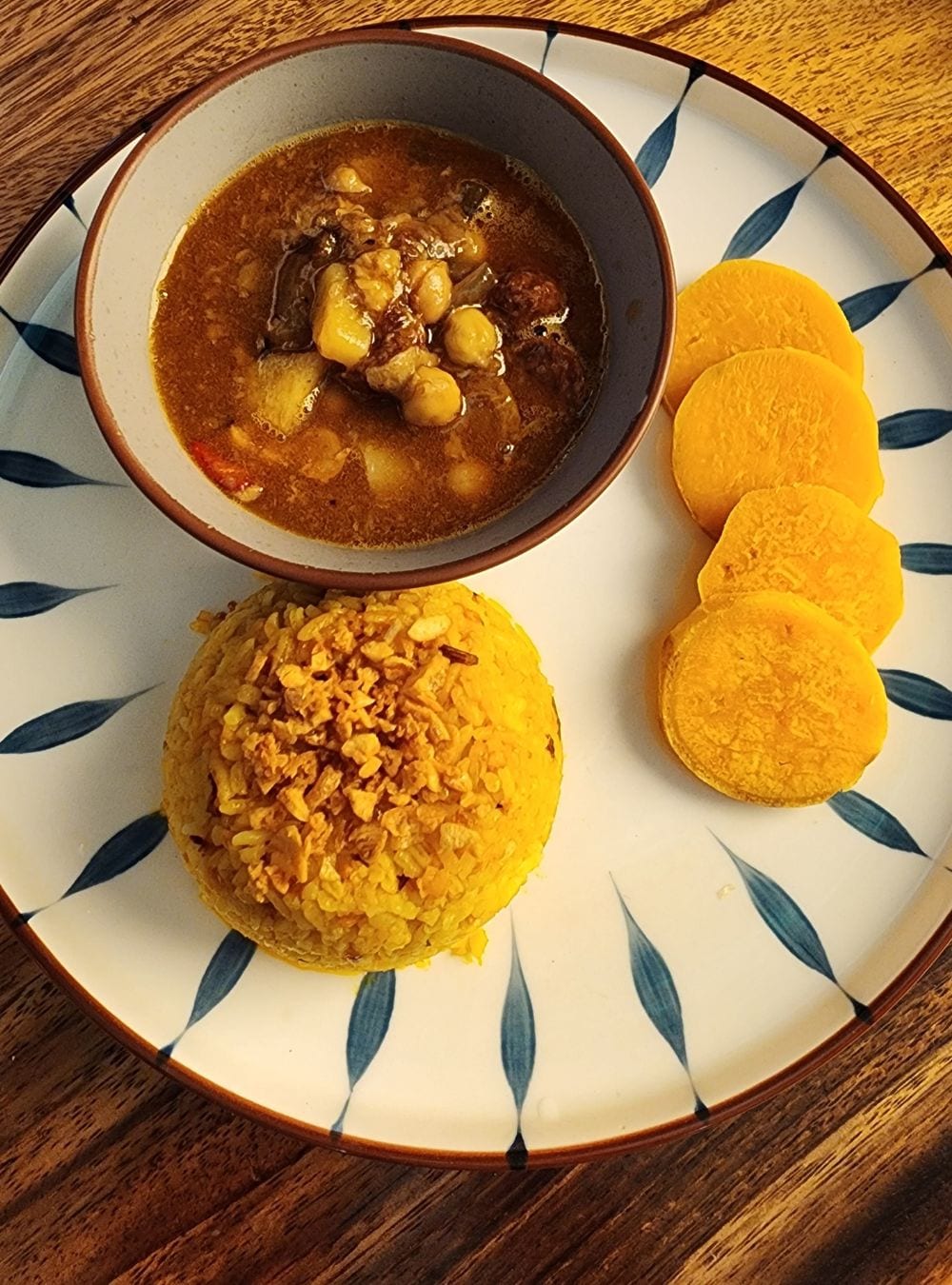
A true Filipino home-cooking experience is also incomplete without a type of hearty stew, which is why we went with their take on Callos, which is a blend of strong salty and smoky flavors. The menu also has Nikole’s grandmother to thank for this Spanish-rooted comfort stew.
The slow-cooked stew is carefully fashioned with oxtail, potatoes, chickpeas, Spanish chorizo, olives, and tomato sauce.
The restaurant's Callos
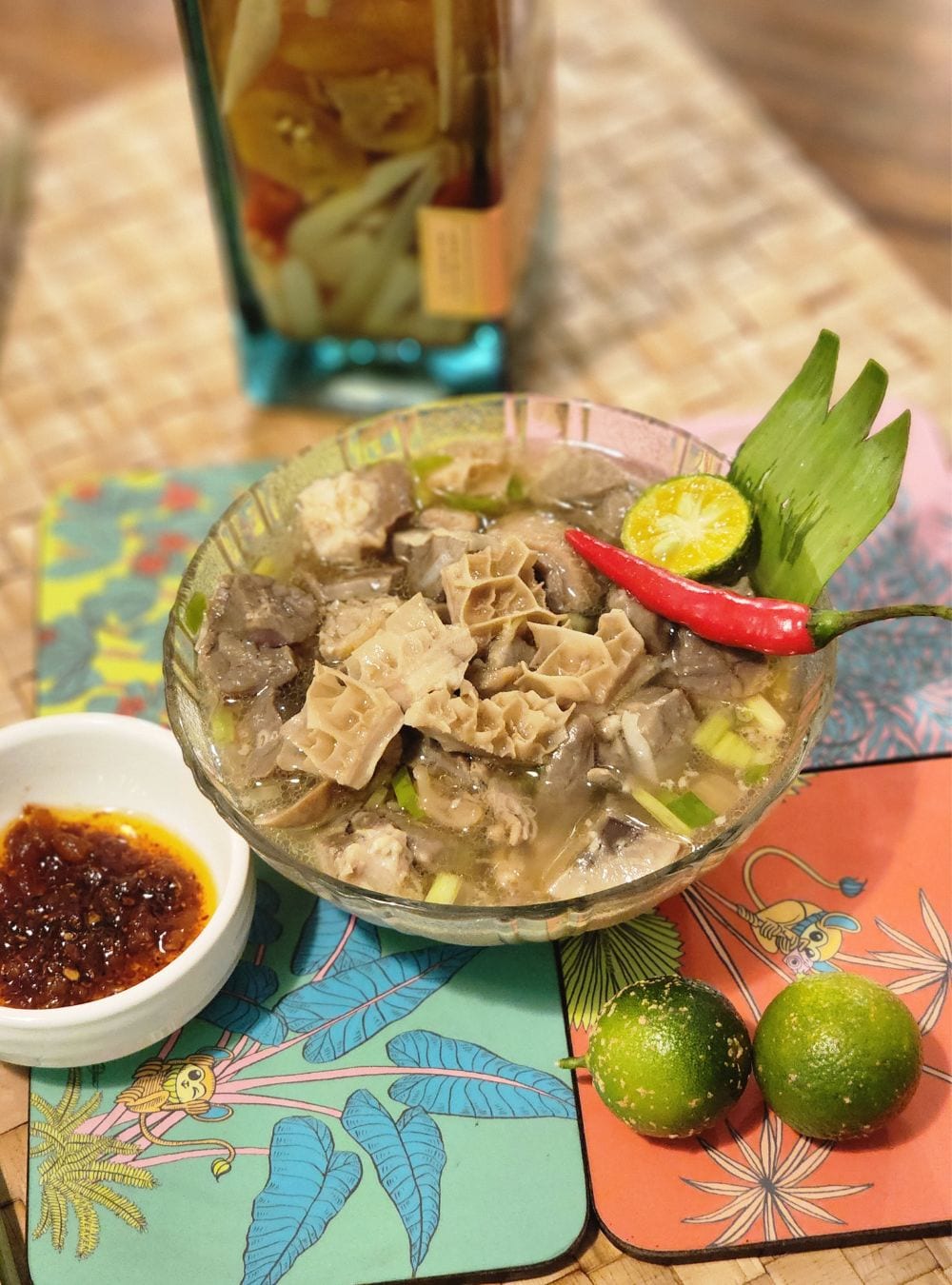
Papaitan beef stew made of heart , honey comb tripe, intestine, lungs , liver, slow cooked
The Kazemi family at Apo Filipino Heritage Restuarant
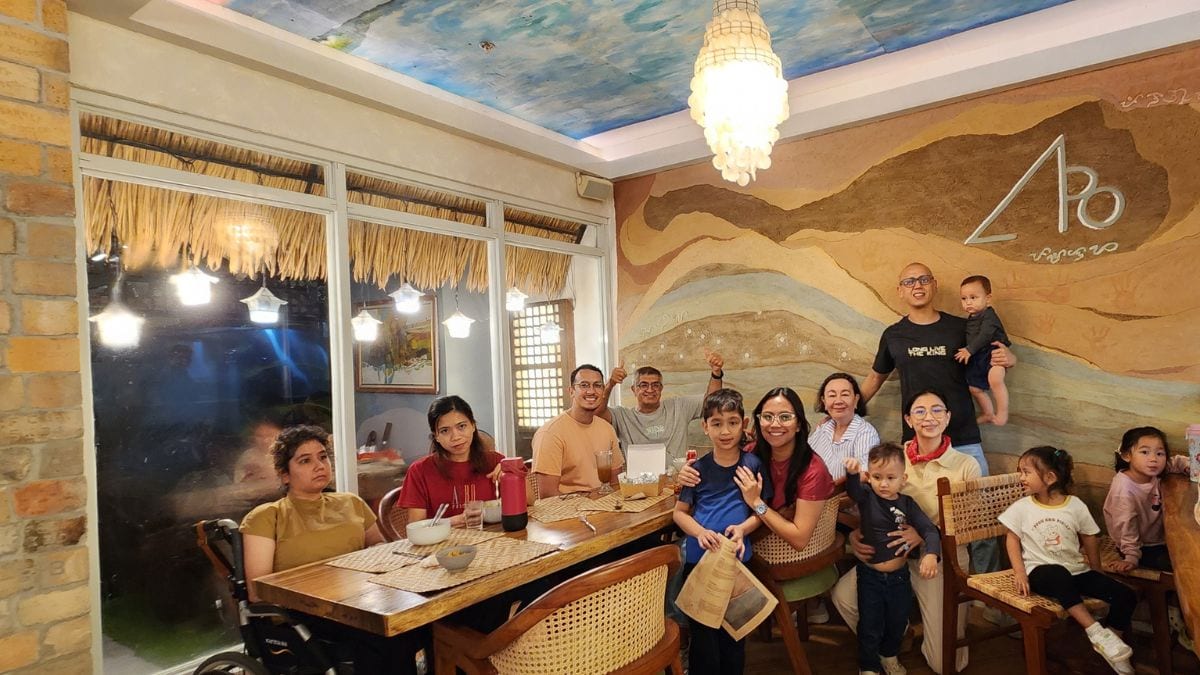
Apo Filipino Heritage Restaurant evokes an atmosphere reminiscent of an ancestral home that belonged to people that have rich stories to tell that demand to live on through the flavors shared on the table. The place aims to accomplish this by being a no-fuss and no-nonsense restaurant that does away with the pretentiousness and needless fusion elements.
“Our food is for everyone and it’s unpretentious. Everyone has a seat on the table. We’re inclusive to all walks of life,” says Kian. “The key ingredient here is cooking with gusto because if you have good energy when you prepare food, good positive vibes, it translates into your pot. We simply cook with love.”
