
Today I Learned: The Top Food Trends This 2024


ILLUSTRATION: Igi Talao
The rising cost of commodities is a concern that we share with the rest of the world. This I learned after attending the Worldchefs Congress & Expo in Singapore recently. These days, we feel a twinge of dread every time we open our wallets for a grocery run. But unlike us regular folks, chefs, who are tasked with preparing meals daily, face an even more complex challenge.
"How to serve more with less is the big ask of chefs today," reads Unilever Food Solutions' Future Menus Top Global Trends 2024 report. "Diners are hungrier than ever for unforgettable dining experiences—delicious food, drinks and entertainment. However, the ability to satisfy these demands is getting tougher as the price of ingredients, labor shortages, and the cost of doing business continue to soar."
Attendees of the "Future Menus 2024" launch explore the different food trend stations.
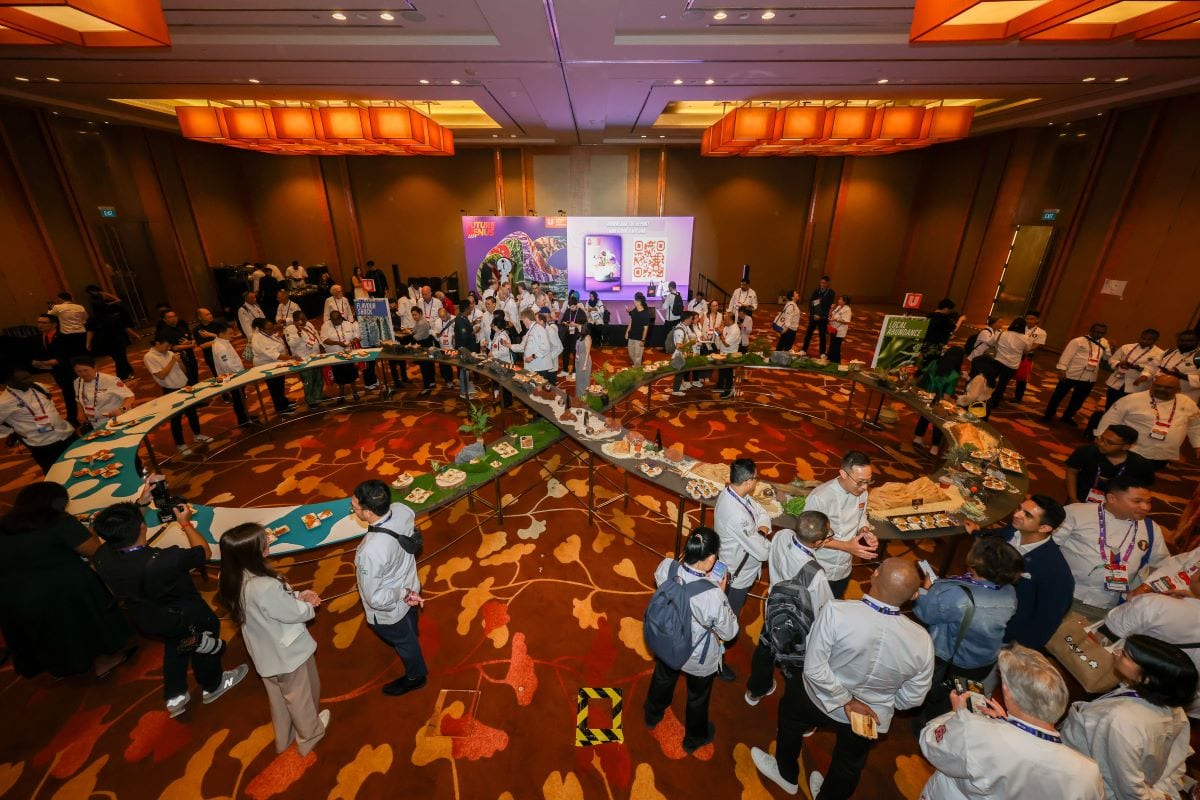
Chefs need to innovate more in creating dishes that will excite diners. But with rapidly changing menu trends, particularly in our digital world, this becomes increasingly challenging. The report addresses this by analyzing inputs from over 1,600 chefs across 21 countries and identifying the eight biggest menu trends.
Chef Kees van Erp, UFS' Global Executive Chef, assures those in the foodservice industry that their 2024 trend report is "packed with solutions to some of the biggest challenges facing our industry today–from shifting diner behavior and skilled labor shortages to inflating food costs and environmental impact on the global supply chain."
ALSO READ
How Chef Miko Calo Is Challenging Culinary Norms
How Amado Forés is Carving His Own Path in the Restaurant Business: 'It's Not About Being Trendy'
Four food trends more relevant to the Southeast Asian region were especially highlighted at the event. They are as follows:
UFS Philippines Executive Chef Kenneth Cacho's Flavor Shock station features chocolate with salted egg powder and truffle balls with cassava filling.
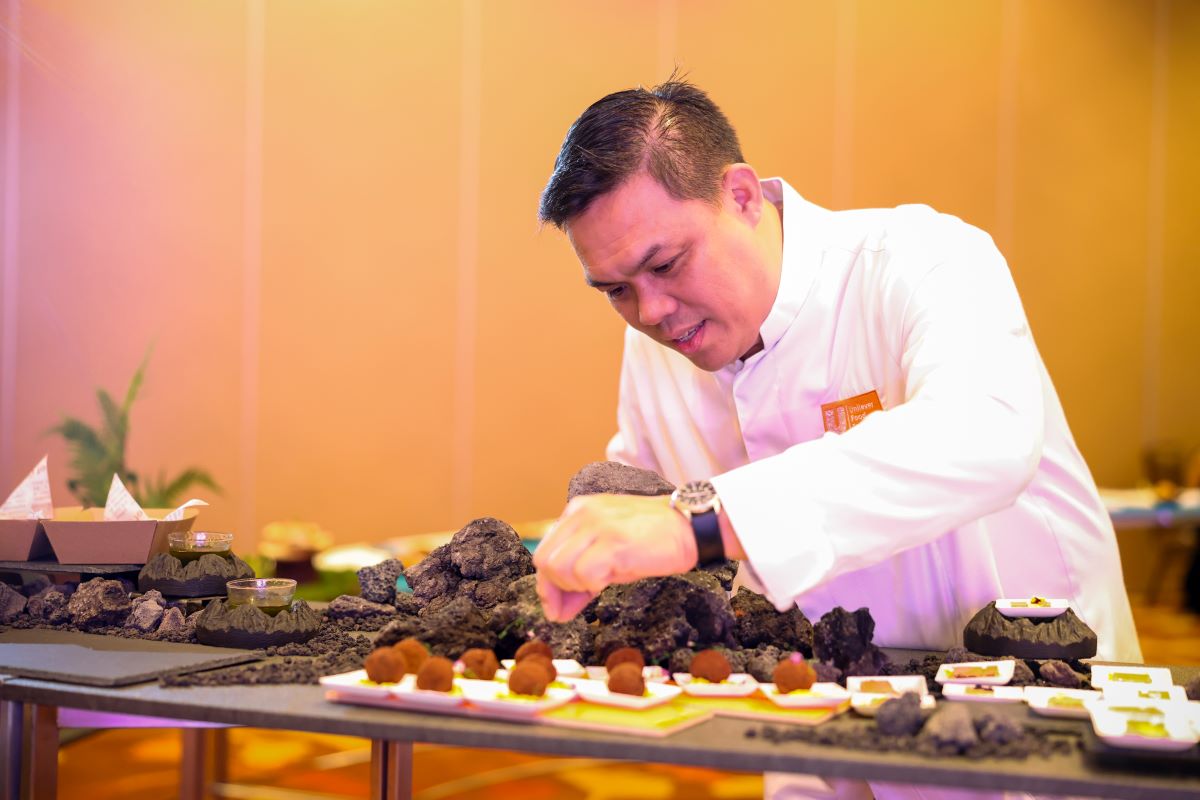
1. Flavor Shock encourages chefs to break traditional boundaries and experiment with unexpected combinations. "The future of dining is about providing escapism through surprising and challenging sensorial dishes that captivate and delight," the report said.
During the event, Kenneth Cacho, Executive Chef for UFS Philippines, took us "taste adventurers" on a Flavor Shock experience, allowing us to sample chocolatier Christian Valdes' creations—chocolate with salted egg powder and truffle balls with cassava filling. We were all pleasantly shocked, to say the least.
The report also highlighted how Gen-Z diners, known for their tech-savvy nature, are shaping the culinary scene. They demand convenience, flexibility, high food quality, and a strong a media presence.
Chef Gun Gun Handayana, UFS Indonesia Executive Chef, introduces the Tempeh Sando at the Local Abundance station.
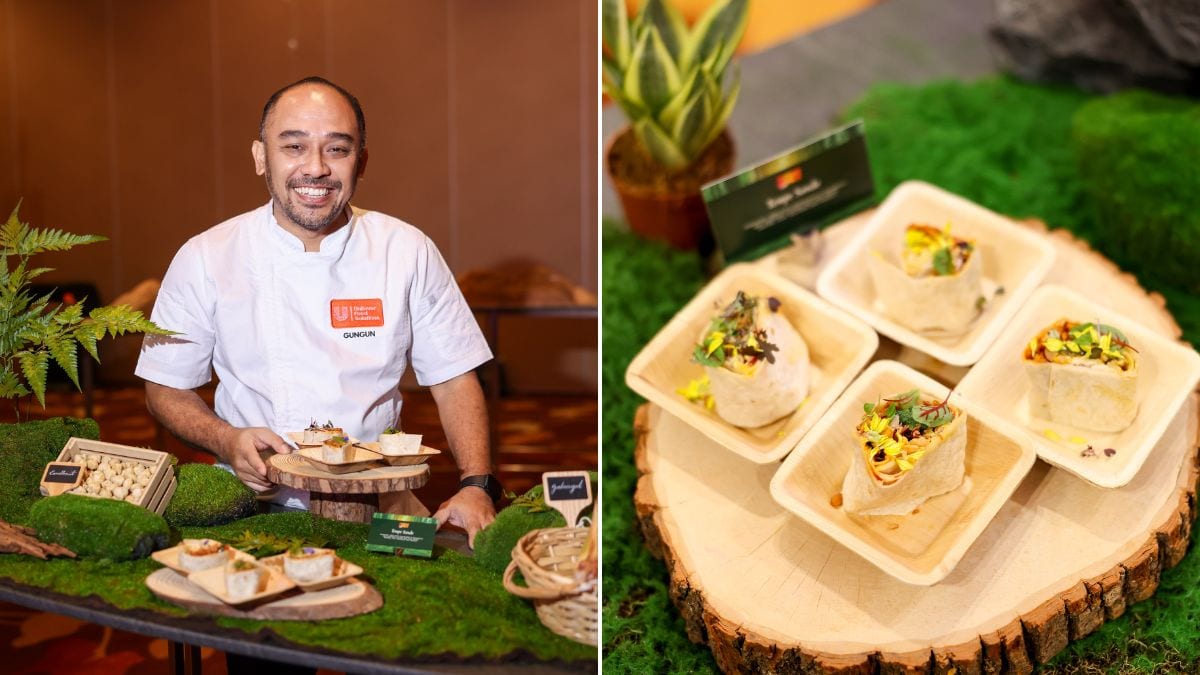
2. Local Abundance showcases how local, sustainable ingredients can be a chef’s treasure trove. The report said "77% of Gen Z diners and 70% of Baby Boomers are willing to pay more for dishes with locally sourced ingredients."
Chef Gun Gun Handayana, Executive Chef of UFS Indonesia, presented the trend with a tempeh sando. "Tempeh is a humble ingredient in Indonesia, typically served as a side dish. In this concept, I've turned tempeh into a hero. The base of this tortilla is made from tempeh mixed with pulled chicken, which is stir-fried with spices and coconut milk," Handayana offered. "It also includes a coleslaw made from red cabbage and a Caesar dressing. What's unique about this Caesar dressing is the addition of a local anchovy, known as teri medan, adding complexity to the tempeh sando."
Chef Eric Chua, UFS Executive Chef for Singapore, Vietnam, and Cambodia, delights guests with Spent Grain Detroit-style Focaccia at the Low Waste Menus station.
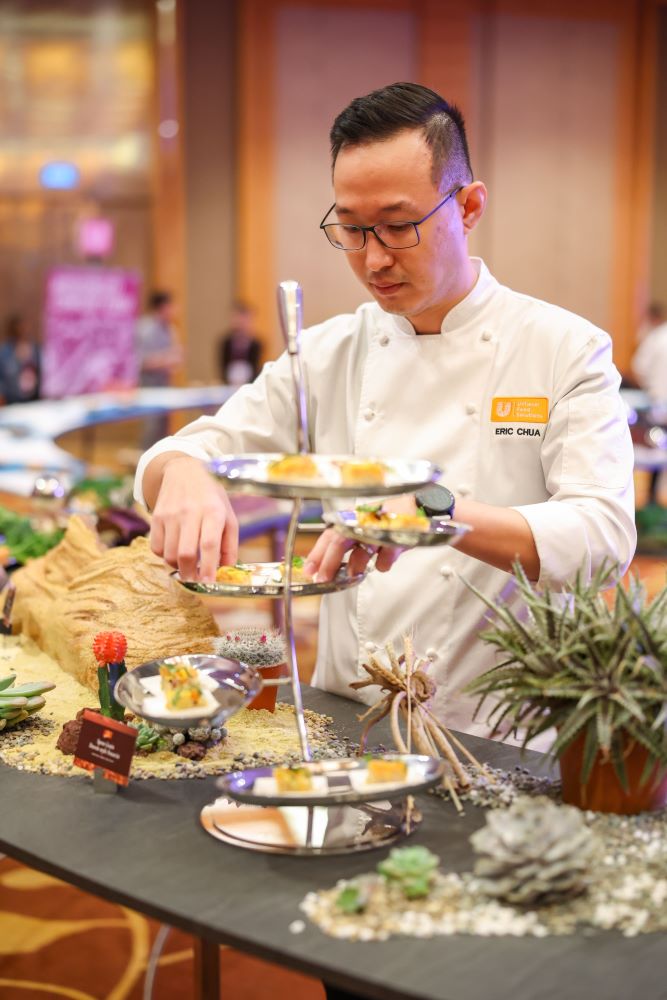
3. Low-Waste Menus. In an effort to be resourceful amidst rising produce costs, chefs are repurposing leftover ingredients into creative dishes. Brandon Collins, Executive Chef for UFS North America, shared in the report that his initial approach to utilizing waste involved considering items he knew were edible. “Cores of cauliflower, broccoli stems, mundane things that we often throw out can be turned into soups. Or perhaps take those stems and slice and pickle them." You'd be surprised what he made out of banana peels. He diced them finely, mixed with vinegar, sugar, and jalapeño, creating a mignonette sauce for oysters.
At the event, Chef Eric Chua, UFS Executive Chef for Singapore, Vietnam, and Cambodia, made us try the Spent Grain Detroit-style Focaccia—it's a high-fiber focaccia, topped with a pesto made with carrot tops, carrot aioli, fermented garlic, and a kick of spice from Nduja.
Amid challenges like staff shortages, the report noted that smaller menus are emerging as a popular strategy among chefs and restaurateurs, as these allow them greater creative freedom without sacrificing quality or consistency.
At the Modernized Comfort Food station, UFS Thailand Executive Chef Jiraroj “Pop” Navanukroh presents Fish & Chips with Salted Egg Mentai Sauce.
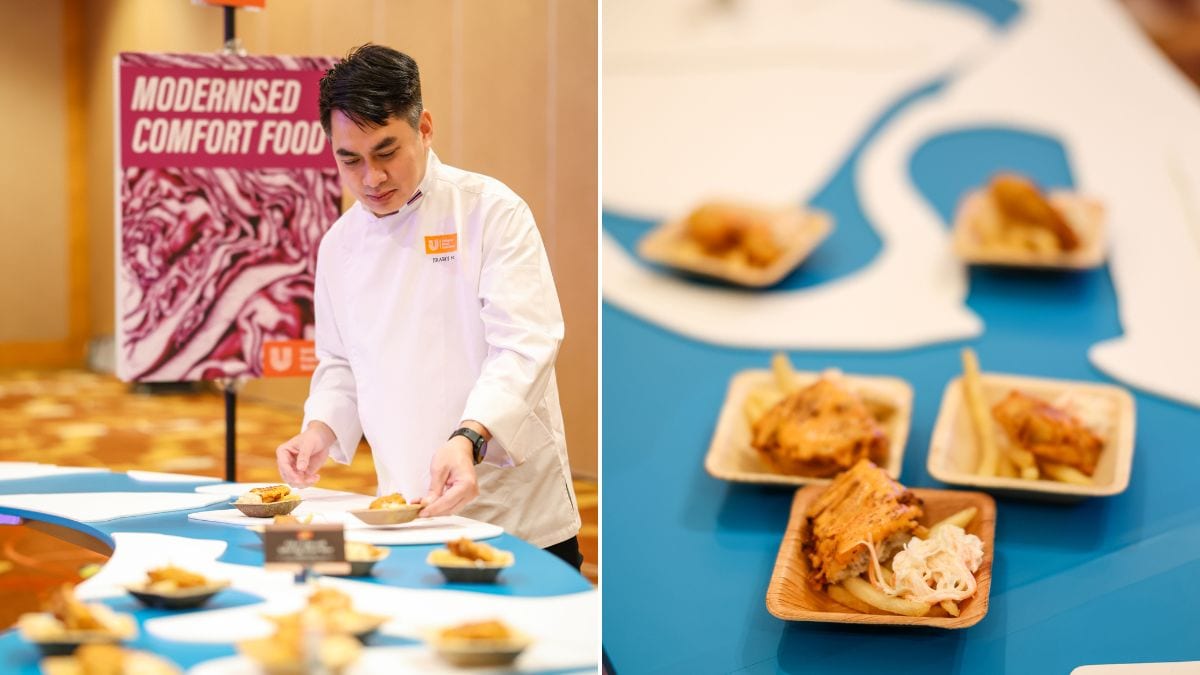
4 Modernized Comfort Food. The evolution of comfort food now offers diners unique culinary experiences through nostalgic yet modernized dishes. Chefs worldwide are reviving traditional ingredients and recipes, offering a fresh twist on familiar classics for today's diverse palates.
"This trend bridges tradition and innovation," Chef Jiraroj “Pop” Navanukroh, Executive Chef of UFS Thailand, said. For the event, he tweaked the classic fish and chips dish, typically served with tartar sauce, and served it with a salted egg mentai sauce. To do that, he combined the Knorr salted egg powder with some mayonnaise and flame-seared it to achieve that smoky flavor.
Below are the rest of the food trends:
5. Plant-powered Protein. Flexitarianism is on the rise as people increasingly embrace plant-based diets with occasional animal products, focusing on flavorsome and health-conscious dishes. This shift has led to more vegan and vegetarian options at dining establishments, offering diverse and creative plant-powered protein options.
The popularity of flexitarian dining highlights a move toward "conscious gastronomy," which emphasizes seasonal, organic, and low-waste foods. Research shows that diners are more likely to choose vegetarian meals when they dominate menu options, which benefits both health and restaurant profit margins.
6. The New Sharing. Post-pandemic, dining has become more social and interactive, with playful and multi-sensory experiences, encouraging communal enjoyment and conversations. Meanwhile, AI is emerging as a transformative tool in restaurants, enhancing personalization by analyzing customer data for tailored recommendations and immersive dining experiences. AI also improves customer feedback analysis and inventory management, ensuring efficiency and reducing waste. AI-driven recipe development sparks creativity, allowing chefs to explore new culinary concepts.
Hot Honey Caramelized Butternut Squash Tostada with Whipped Feta showcases how seasonal vegetables can become a trendy, flavorful, and visually appealing dish.
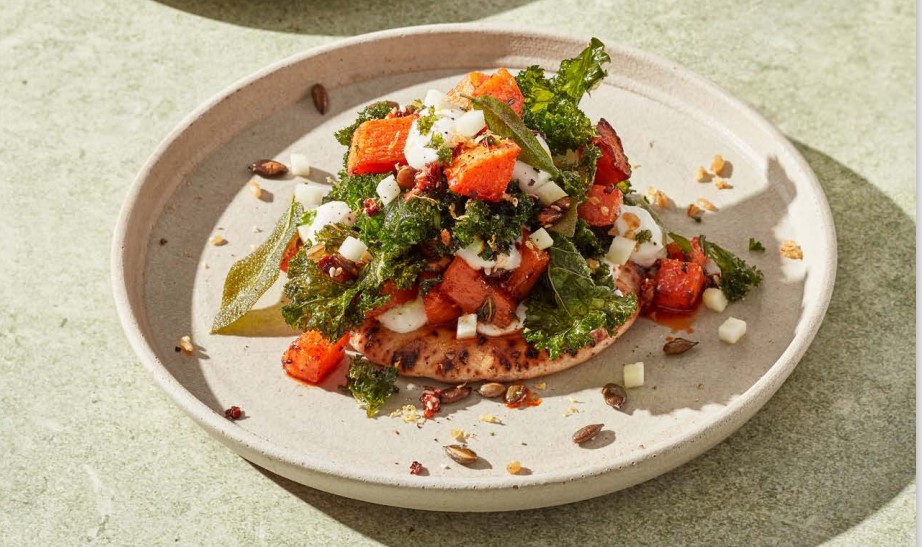
7 Irresistible Vegetables. Often overlooked, veggies like butternut squash and cabbage are gaining popularity for their affordability, versatility, and nutritional benefits, including vitamins and fiber. This resurgence highlights their potential to be central, rather than sidelined, on the menu, promoting both creativity and health.
8 Feel-Good Food. This year, the focus is on transforming "healthy options" into nutrient-rich, visually appealing, and delicious dishes. Traditional salads are being replaced by vibrant alternatives featuring vegetables and grains. Embracing a variety of colorful vegetables and fermented foods can lead to significant health improvements, showcasing the hidden potential of everyday ingredients.
The full report can be downloaded through this link.
