
Papillon in Salcedo Is a Trip Through Southeast Asian Flavors

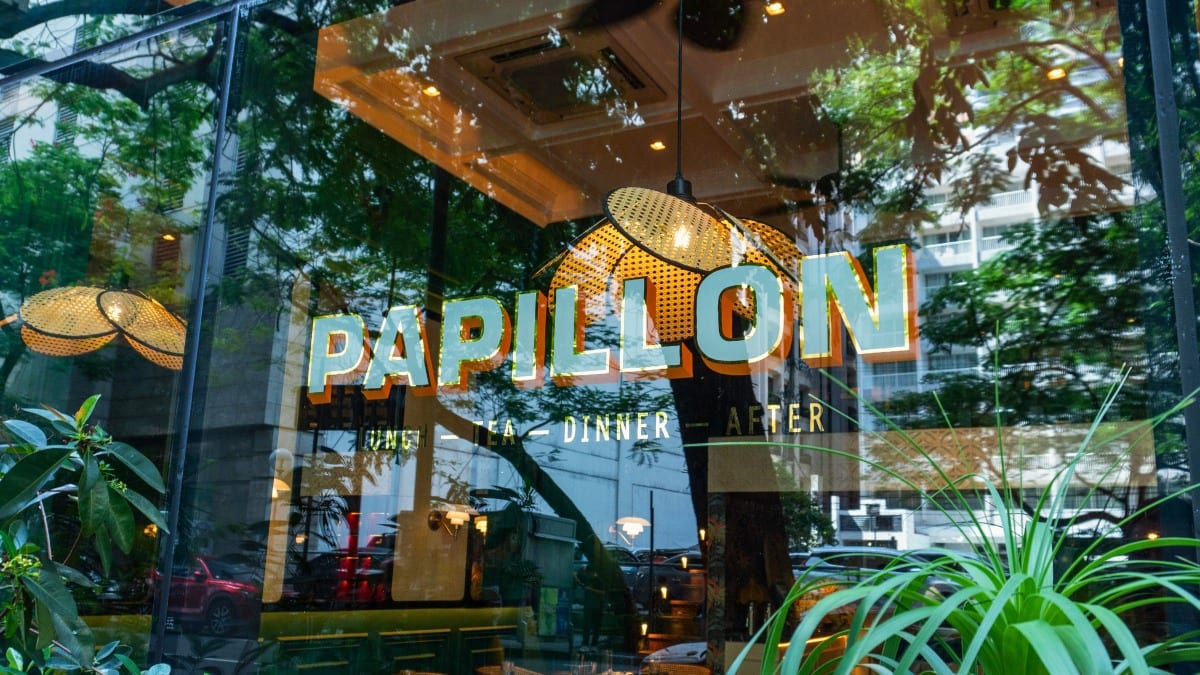
Like a band advancing from the success of their debut album, Chefs RJ Ramos and Alphonse Sotero of Lampara are back with their new sophomore restaurant in Salcedo Village, Makati. Papillon is a Southeast Asian "fun dining restaurant," as Ramos puts it, with dishes and drinks inspired by their travels across the lush, diverse region.
Culinary rock stars in their own right, the duo shares that the idea to open a Southeast Asian food concept started as far back as 2021 when they were trying to create meal plans for Lampara patrons during the pandemic. At the time, it was hard to sell their usual Filipino fare since most people in lockdown could cook those flavors at home. "So we had to offer something different," Sotero shares. "One of those cuisines that we explored was Southeast Asian flavors," taking a more regional approach to their meals to offer more diverse dishes.
What they also noticed about the current roster of Southeast Asian restaurants in the local market, few as they are, is that they exclude Filipino cuisine. “They focus more on Thai, Malaysian, Singaporean—but we’re also in Southeast Asia,” Ramos points out. This was the birth of Papillon, an all-encompassing sojourn of flavors and ingredients throughout the region.
ALSO READ
A Little Restaurant in Poblacion Will Light the Way for Filipino Food
Best Filipino Restaurants in Metro Manila
Regional Tastes and Sights at Papillon
Entering Papillon, you’re welcomed by an open space that breathes in natural light through its floor-to-ceiling glass front. On their inspiration behind the interior design, Sotero cheekily described it as Crazy Rich Asians-inspired. This is evident in the deep emerald walls, which evoke the same lush interiors of Eleanor Young’s abode as in the film.
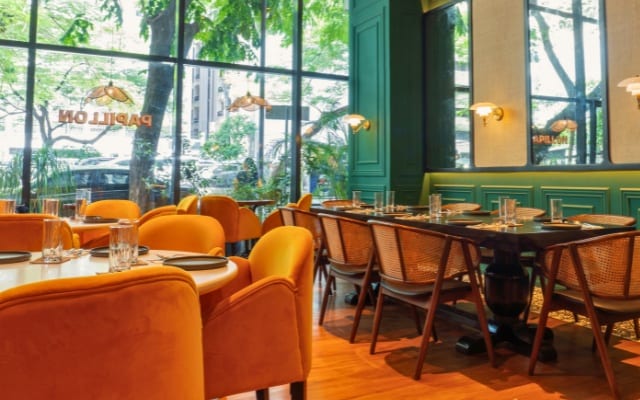
Sotero adds that they pulled from different Southeast Asian elements in designing the interiors of Papillon, wanting the dining space to reflect the same eclectic energy as their food. "These are actually different cultures meshed together," he adds. "Here on the ground floor, you have tropical colonial; at the under mezzanine, it’s reminiscent of a plantation house."
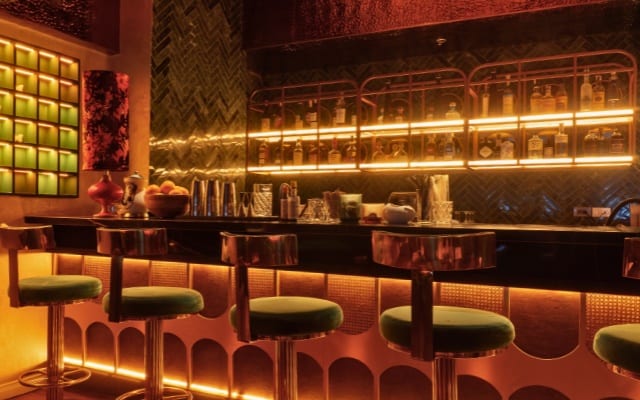
On the second floor, Sotero shares that they wanted it to be intimate and cozy. "So if the first floor is tropical colonial, the second floor is tropical prohibition." This is where they house their bar, styled in a clandestine cove, fitting the prohibition theme of the upper floor.
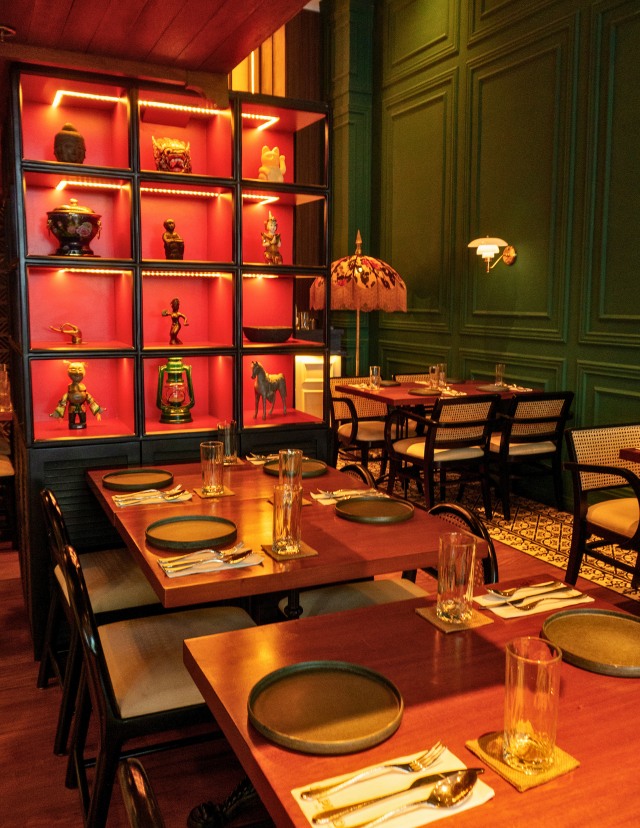
One of the highlight features that will catch your eye when you first enter Papillon is the bright red shelf with black lining nestled at the center of the ground floor space. It’s divided into small compartments, each one with an artifact representing the different countries and cultures Papillon takes inspiration from, from Buddha heads to dragon ornaments. Interestingly, one compartment houses an oil lamp, a callback to the duo’s debut restaurant—Lampara in Poblacion.
This then spurred a question, "How are Lampara and Papillon related?" Are they siblings? Cousins? Friends? The query took both chefs by surprise. They never really thought about it that way, but the question did intrigue them. Asking for some time to ponder on it as they prepped the dishes for today.
Papillon's Menu
Starters
First out was a dish that quickly became a crowd favorite, "Eggs, Eggs, Eggs." A sort of fusion of two Thai egg dishes: son-in-law eggs and kai jeow, the dish is playfully served in a bowl shaped like a cracked open eggshell—just to hammer down the egg theme.
Eggs, Eggs, Eggs
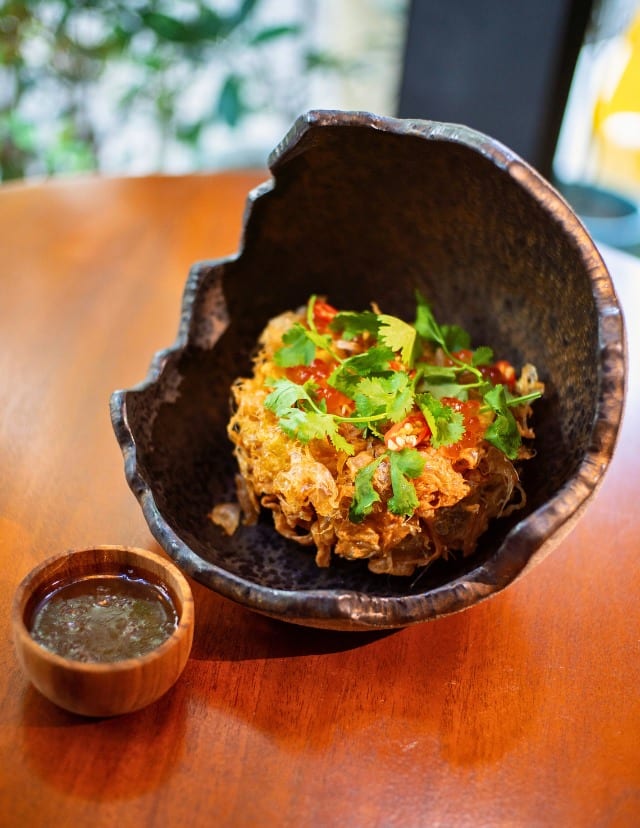
The thrice repeated name of the dish basically tells you of its contents. In the bowl, a nest of flossy deep-fried egg is topped with ikura (salmon roe), and inside the nest hides its last egg element—a soft-boiled egg. This three-fold serving of egg is contrasted with a bright tamarind sauce and is garnished with cilantro for some added freshness.
Our next starter was the Beef Tendon, a Filipino-inspired dish taking flavor cues from a local favorite, pares. The dish has an element of play to its presentation, served in a bowl with its contents covered by a puffy, cloud-like rice cracker acting as a lid. After breaking the cracker into bite-sized chips, you’re met with the tender cuts of marinaded beef tendon in the bowl.
Beef Tendon
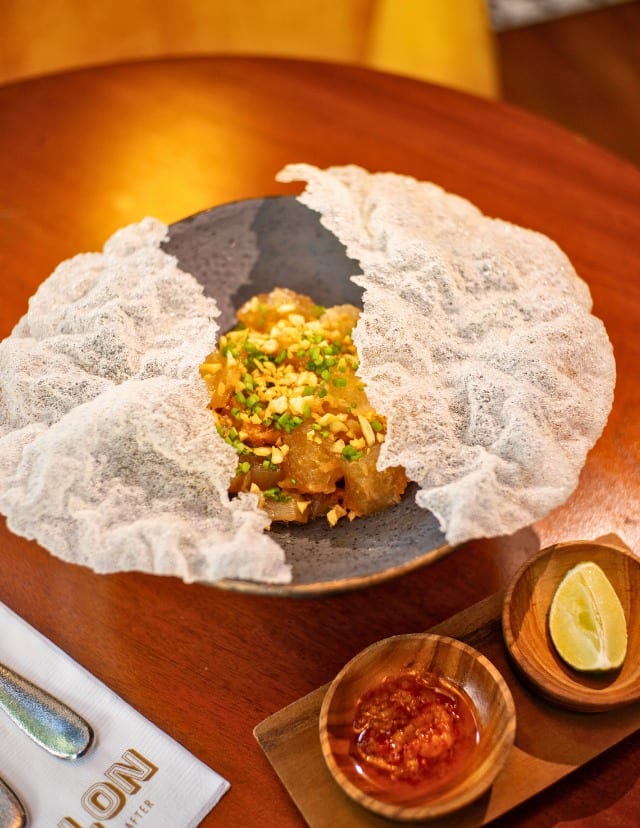
Melt-in-your-mouth tender with the gentle savoriness of sweet soy, each piece of tendon is soft and packed with flavor, pairing well with the crunch of the rice cracker as its vessel. The dish is served with a side of chilli garlic and a wedge of dayap (a local lime), to add a sour kick to every bite.
Mains
For our first entrée, Ramos served us a juicy serving of their Pork Neck. The dish consisted of succulent slices of grilled pork, with its layers of meat and glistening fat, served with a verdant side salad speckled with pomelo pulp. It’s also served with rice (of course) and an earthy and spicy nam chim sauce.
Pork Neck
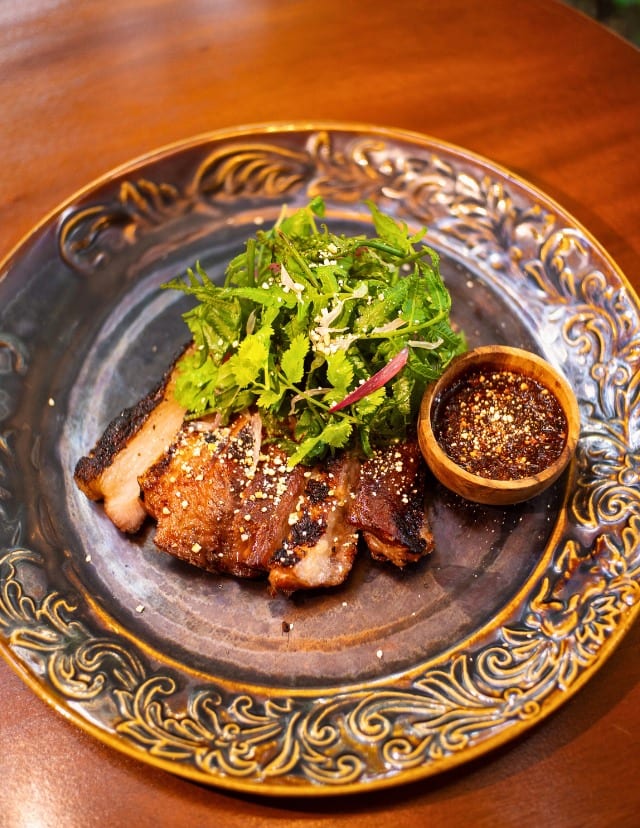
Chef RJ shares that his motivation in making the dish was the specific cut of pork it uses. Locally, pork belly has been the dominant part used in most recipes. In his trips to Thailand, he was inspired by how they use different parts of the pig, namely the neck, which got him experimenting with it in building this dish. This Thai inspiration continues with the sauce—which was the flavor highlight of the dish.
He elaborates that their nam chim sauce is made with shallots, tamarind and toasted rice, along with some lime and fish sauce to add sour tang. Its deep nutty kick pairs well with the savory juices of the pork, and the rice makes for the perfect vessel to carry all these strong flavors.
For our second main, we were treated to their Duck Leg Confit. A spin on the nasi lemak, this dish is a symphony of flavors and textures. You have the usual suspects of the Malay staple: slices of cucumber, fried anchovies, peanuts, a boiled egg, and a rich sambal assam—but it’s the combo of the duck leg confit and coconut rice that really makes the dish shine.
Duck Leg Confit
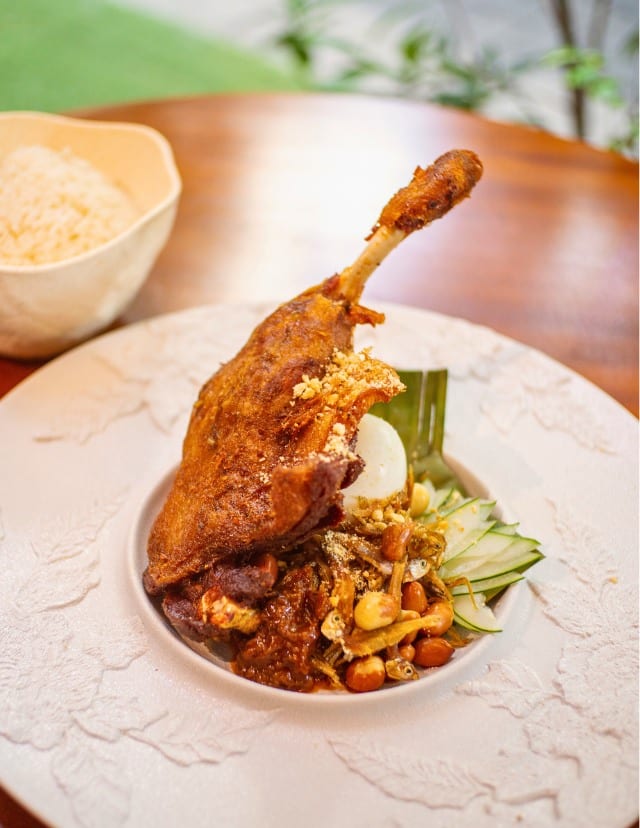
The rich, juicy meat of the duck is balanced with the creamy coconut-laced grains of rice. Along with the assortment of textures and flavors that come with the dish’s other components, you get a delicious mix of everything in every bite, all without overwhelming the palate.
Deliberations Over Dessert and Drinks
After going through all our savory stops, it was time for something sweet. Sotero recommended the Durian, an ice cream dish made from the infamous fruit. Interestingly enough in concept, what came was a dish filled with ornate colors—a rich treat for the eyes even before your first bite.
Durian
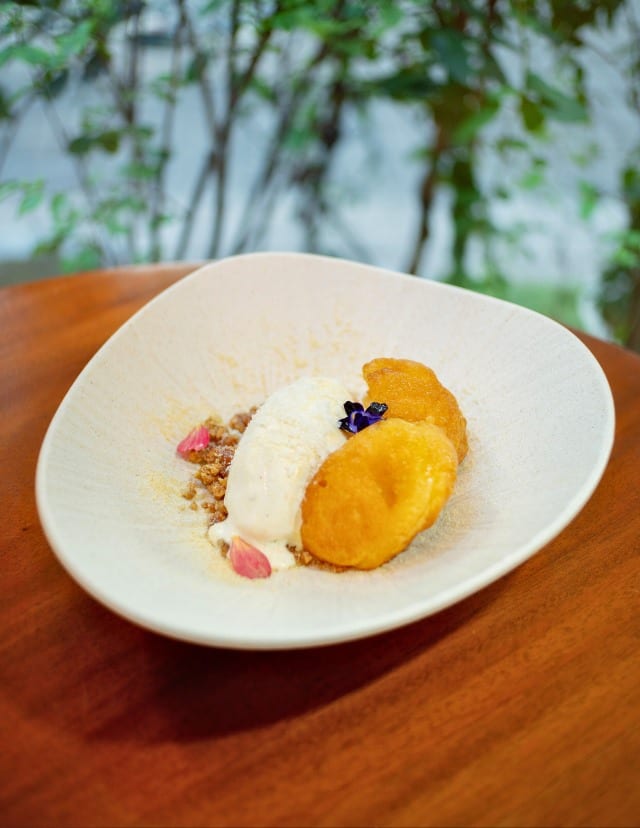
The dish consisted of a scoop of durian ice cream in a white hue; under it were bits of crushed cashews. Beside the ice cream were two pieces of pastry called baba, soaked in a passion fruit syrup. "Baba is a yeasted dough," Sotero explains. "It’s usually soaked in syrup so that it absorbs the juice, so it’s chewy and gets a burst of flavor." He continues that they added the baba to balance out the durian. "Durian is very strong, so you need something to cut it, so that’s the job of the passion fruit."
The dish is finished with a powdery topping of toasted milk and pecorino cheese, along with some flower petals for a vivid garnish. The taste was pleasant and custardy; it’s an amazing skill to translate durian’s flavor into a delightfully dense confection. The fruity syrup from the baba was greatly enhanced by the durian’s creamy richness, while the slight saltiness from the pecorino further elevated the custard notes. Rounding it out, the cashews provided a well-needed crunch and nutty accent in taste. Overall, it was a fitting end to our meal—or so we thought.
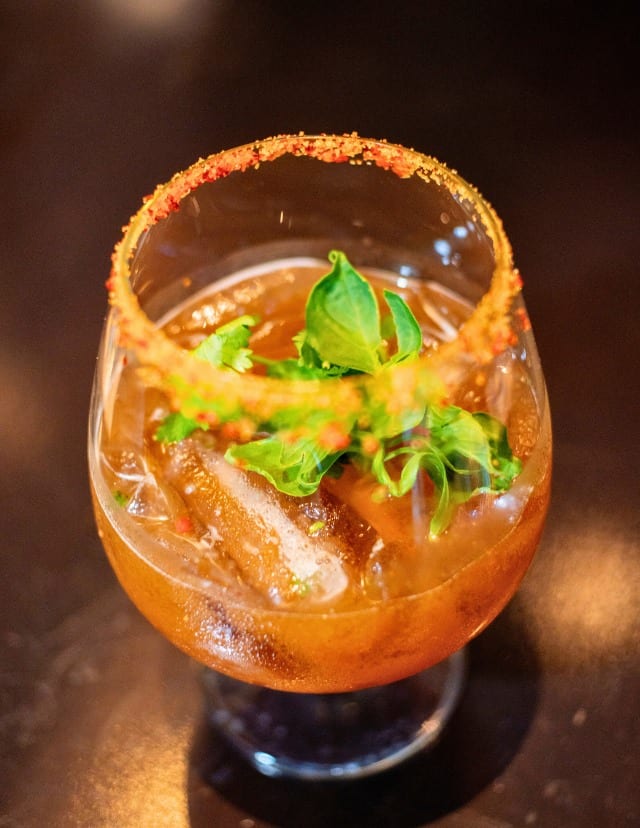
Delighted to continue our earlier conversation, the pair brought out three cocktails for us to try. First was the Along the Mekong. The cocktail is inspired by the herbs found throughout the peninsular Southeast Asia, which its namesake river flows through. The cognac-based drink leans on the sour side with its mix of tamarind and kick from the spiced salt rim of the glass.
Along the Mekong
Nirvana
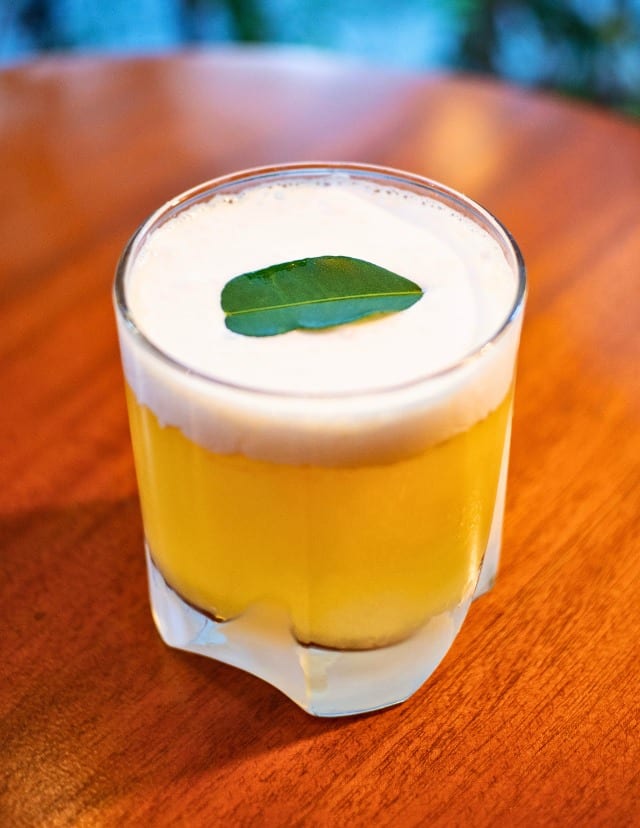
The Nirvana is a surprisingly creamy and satisfying drink made with rum, coconut, and kaffir. Its creaminess comes from the coconut foam that tops the drink. Sotero shares that its name comes from its distinct cloud-like foam, almost like a heavenly element to the drink. Lastly, we have the Thai Me Up. A very straightforward cocktail and a must-try for Thai milk tea lovers. It’s basically a vodka-spiked milk tea, simple but effective in its execution—a perfect brunch drink.
Thai Me Up
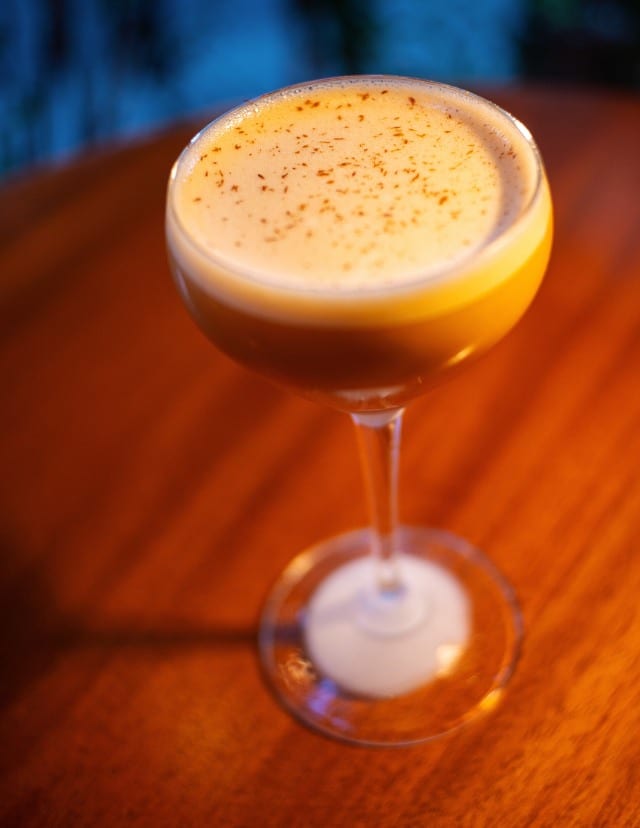
While enjoying the cocktails, we revisited the question once again: How is Papillon related to Lampara? Both gave it some thought. "[Papillon is] a place where you can laugh," Ramos opens, contemplating the restaurant’s character. "A place where you can be loud and just be yourself."
"[So] maybe a younger brother," Ramos declares. "Who just came back from studying abroad," Sotero cheekily adds. "And he has a lot of ingredients from his travels." Both give a snickering grin at the thought of it.
Lighthearted as their answer was, it reflects what Papillon is. A fun place with playful dishes that showcase the vibrant flavors of Southeast Asia. The duo’s sophomore restaurant distinguishes itself from its elder sibling on the other side of Makati, both in flavor and in looks. But despite that, there is still that same masterful and lively approach to recipes that is present in both concepts. Earnest in their use of these regional ingredients and the culture they originate from, yet ever-inventive in the dishes they produce.
Papillon is at 129 Frabelle Corporate Plaza, Tordesillas Street, Salcedo, Makati. It is open daily from 11 a.m. until late.
