
How Pop-Ups, Chef Residencies Are Transforming Manila's Dining Scene

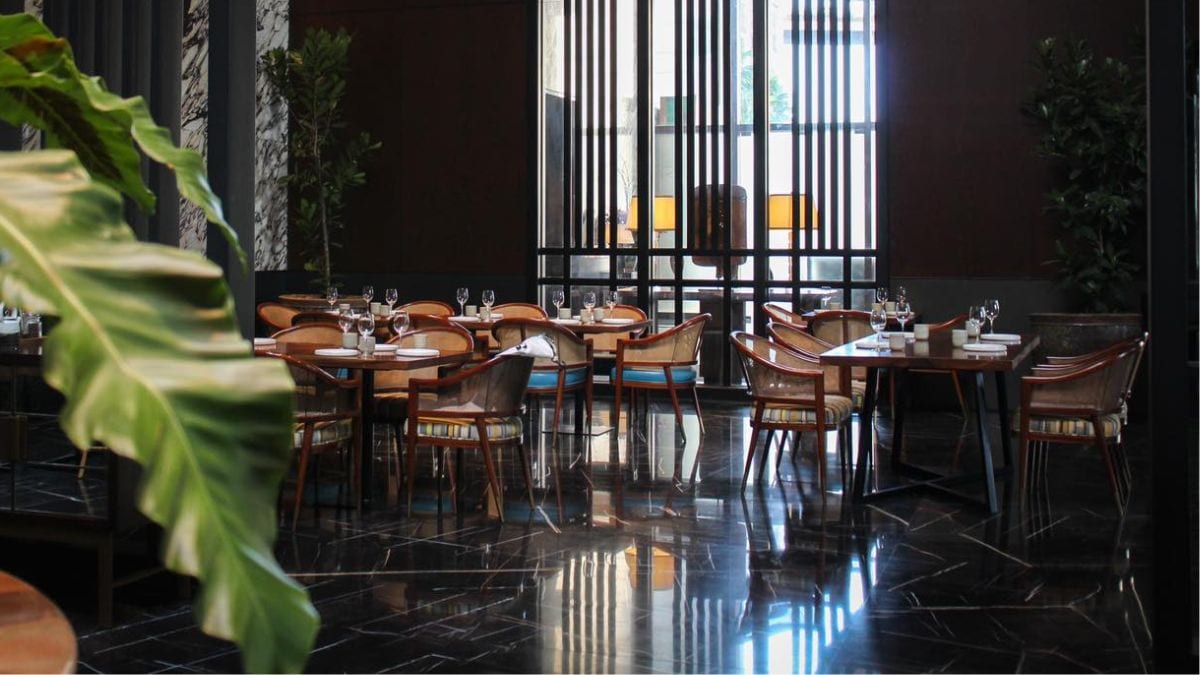
Generations ago, running a restaurant was like a heavily guarded top-secret operation. No outsiders were welcome in the kitchen, and the recipes were big trade secrets that no one would dare to touch. But in recent years, the F&B industry has become more and more collaborative. Terms such as "kitchen takeover" and "four-hands dinner" emerged, which became great marketing initiatives.
Fast forward to today, we see another trend happening. It is a resurgence of another form of collaboration—not only among chefs, but a partnership with rented spaces. The terms "pop-up restaurant" and "chef residency" made big headlines when Balmori Suites in Rockwell opened its doors and hosted A-list chefs for limited-time engagements. Month after month, this space has remained fully occupied, serving as a dynamic stage for new concepts and fresh faces to shine.
Now, in an exciting development, four renowned chefs will have limited runs at prime locations for at least two months, starting this October. They are Chef Miko Calo at the old Sage Bar of Makati Shangri-La, Chef Rhea Rizzo of Mrs. Saldo’s at Karrivin Plaza, Chef Francis Tolentino of Taupe Dining at Balmori, and Chef Sharwin Tee of Little Grace at Ezra Resort Tagaytay.
We each ask them questions to know more about their views and perspectives on this topic.
Chef Miko Calo
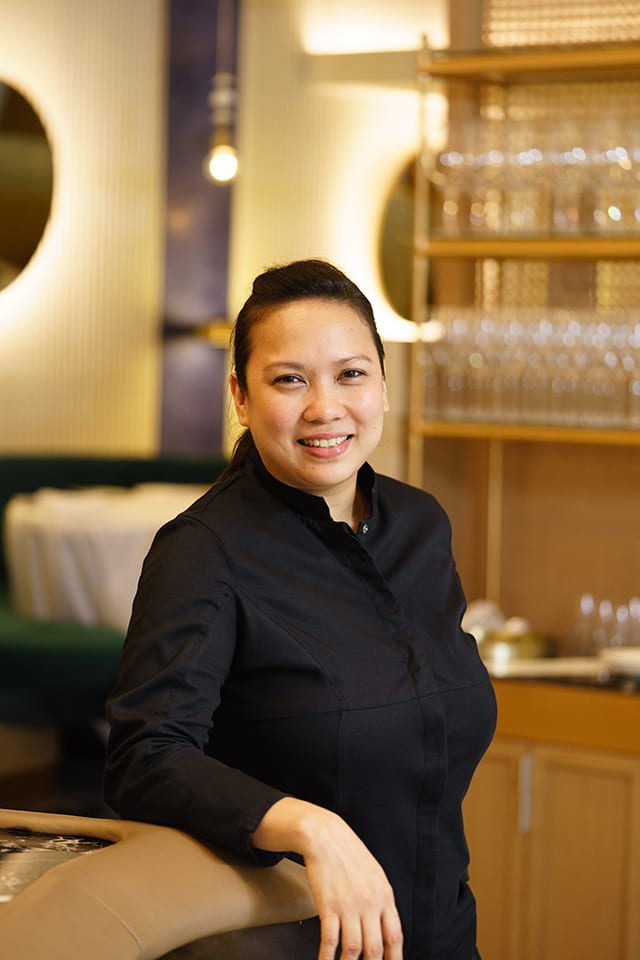
Why did you decide to join the growing number of chefs doing either pop-up restaurants or chef residencies?
Miko Calo: I would call it more of a residency at an established hotel, and we're doing it for two months. When they approached us, it was a great opportunity because it is an international chain, and if I'm not mistaken, I'm the first one to do something like this in Manila. As a Filipino chef, doing this with an international brand as iconic as Makati Shangri-La, which coincidentally I grew up visiting with my family, is an incredibly exciting opportunity.
Rhea Rizzo: We did the Balmori pop-up last year and we were blessed with such a warm welcome and an amazing reception. It pushed me to venture further into the city and explore more pop-ups and events.
Francis Tolentino: I wanted to shake things up, try new ideas, and bring my food to different spots without being tied down.
Sharwin Tee: I actually started doing pop-ups in 2016. I wanted to raise funds to build a public school library, and a friend invited me to participate in a couple of pop-up events in San Francisco and Chicago. That’s where I learned about the concept of pop-ups, which was very popular in the US. When those two dinners were a success, I decided to keep doing pop-ups both here and abroad to support my social work. Years later, with six libraries and a handful of projects uplifting indigenous communities completed, I’m still at it.
ALSO READ
At Global Food Event in Italy, Filipino Lechon Becomes the Star
The Best Lechonero in Cebu Has Been Named
Chef Rhea Rizzo
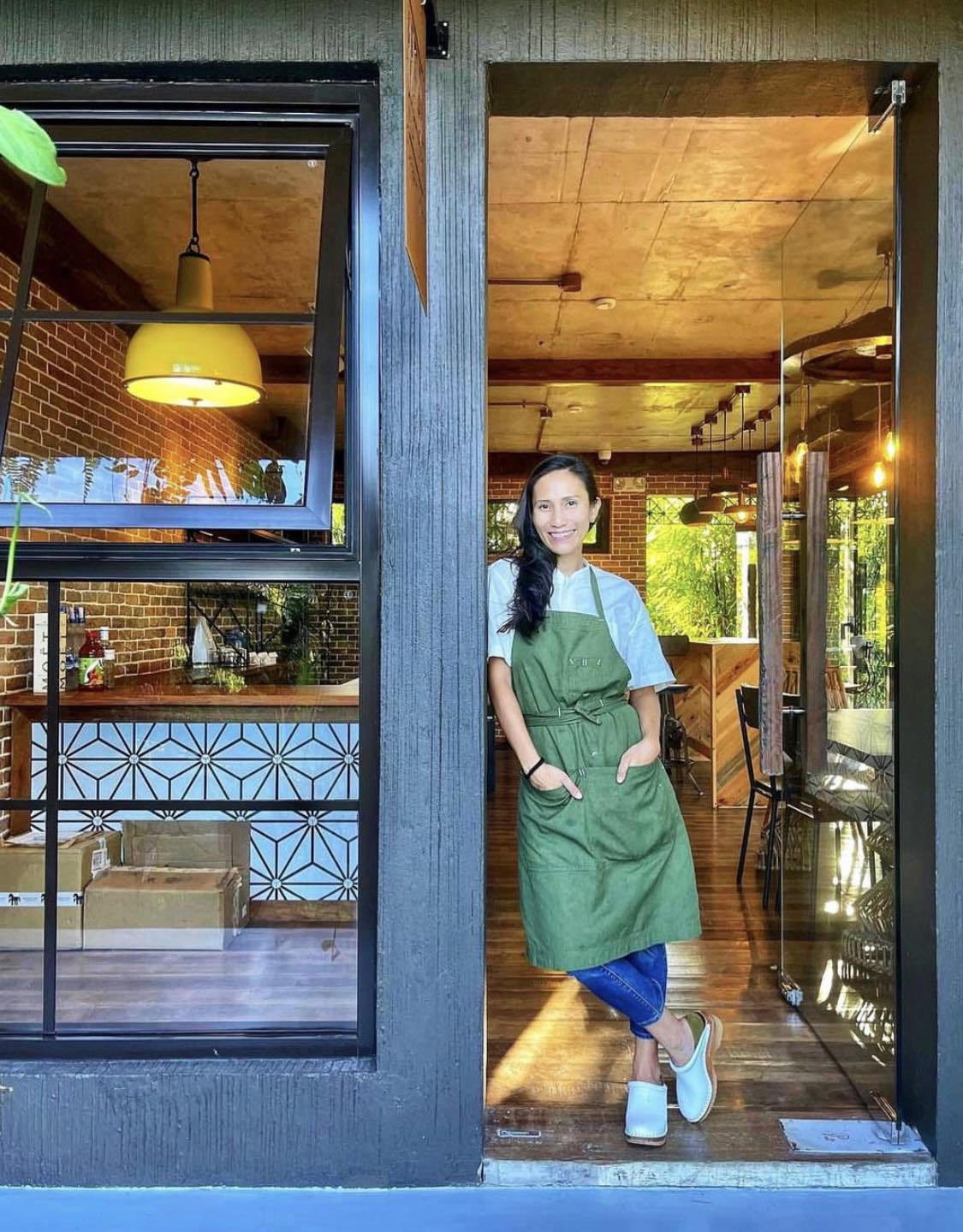
Why do you think there has been a sudden rise in the popularity of pop-up restaurants and chef residencies recently?
Calo: I think what happened with Balmori was about timing. Most of the chefs who did their pop-ups were renovating their restaurants, so there’s still a place to run the business and reach a different audience. In this day and age, there are a lot of connections online, and having something physical in addition to a virtual connection is a good thing. Also, being mobile might be a factor as well, because it’s easier to move around and reach different audiences.
Rizzo: Everyone knows and understands the huge capital investment that goes into opening a restaurant, not to mention the amount of work in conceptualizing, training, menu development, and all the hundreds of details in creating something from the ground up without a guarantee of success. I think it’s helpful to dip your toes in the water first, gather data points, and make necessary adjustments and iterations before making the significant emotional, mental, physical, and capital investment.
Tolentino: People love unique, creative dining. Pop-ups are fun, flexible, and give chefs room to experiment.
Tee: I think it has a lot to do with how adventurous Filipino diners have become, always looking for new dining experiences. Pop-up restaurants often feature new, temporary menus with fresh concepts and even chef collaborations, so diners are almost always assured of trying something new.
Chef Francis Tolentino
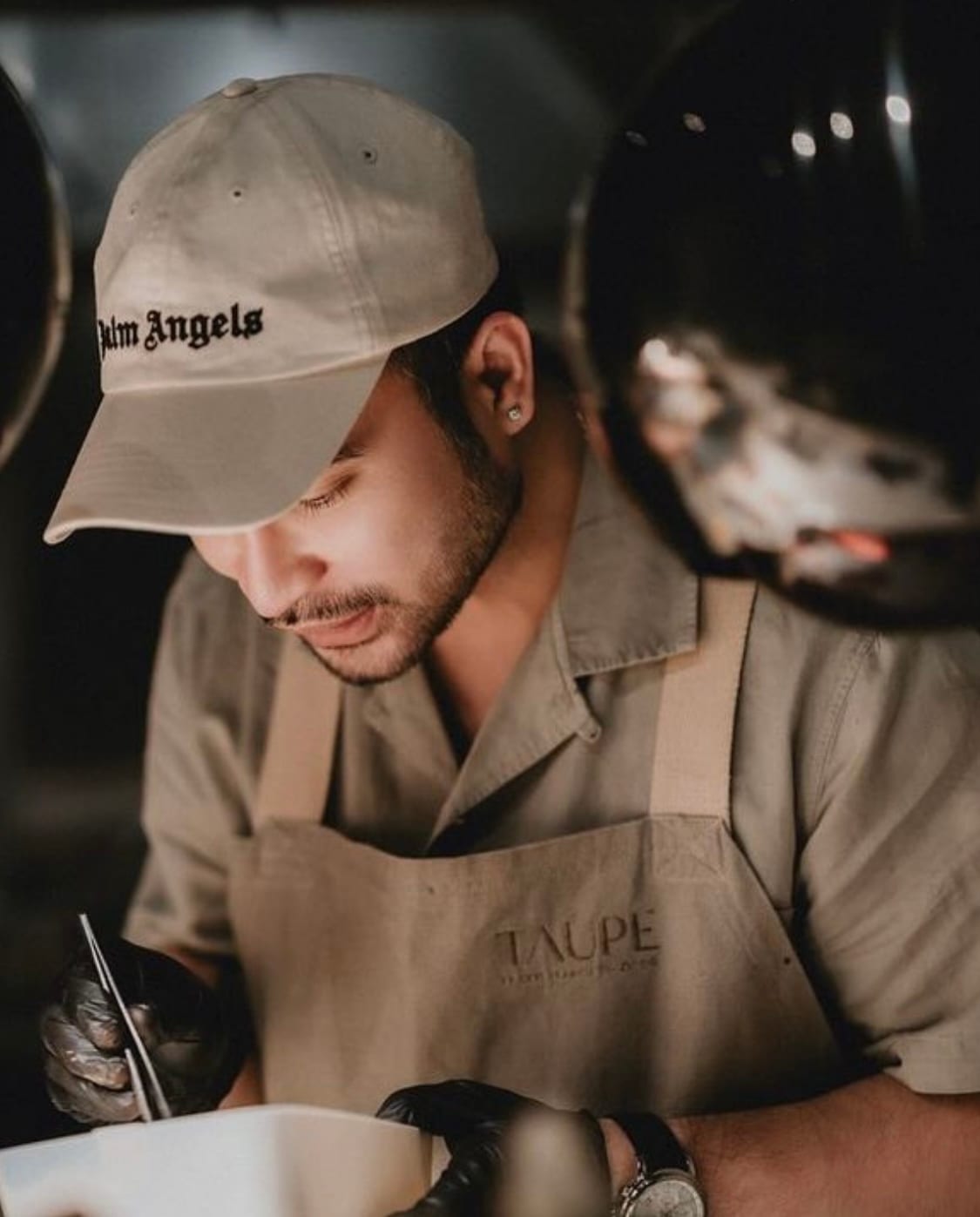
What is the benefit of doing this for your business?
Calo: It allows me to still have a creative output without my own physical restaurant. Residency also allows me to keep the core of my team intact and to continue working together even if I don’t have a physical outlet. Being able to do something in a different space with a different audience also benefits me, and it’s mutual because I have an audience that is different from Makati Shangri-La, and vice versa.
Rizzo: It allows you to test an idea or concept first. Learn from it, make nimble adjustments, and to see if it’s viable.
Tolentino: It’s a low-pressure way to reach new people, test ideas, and create buzz.
Tee: Pop-up restaurants are a great way of testing new concepts and dishes without having to be bogged down with paying long-term rentals and filling huge crew lists. For some, pop-ups are also a great way of working your "kinks" out, before investing in the actual resto.
Chef Sharwin Tee
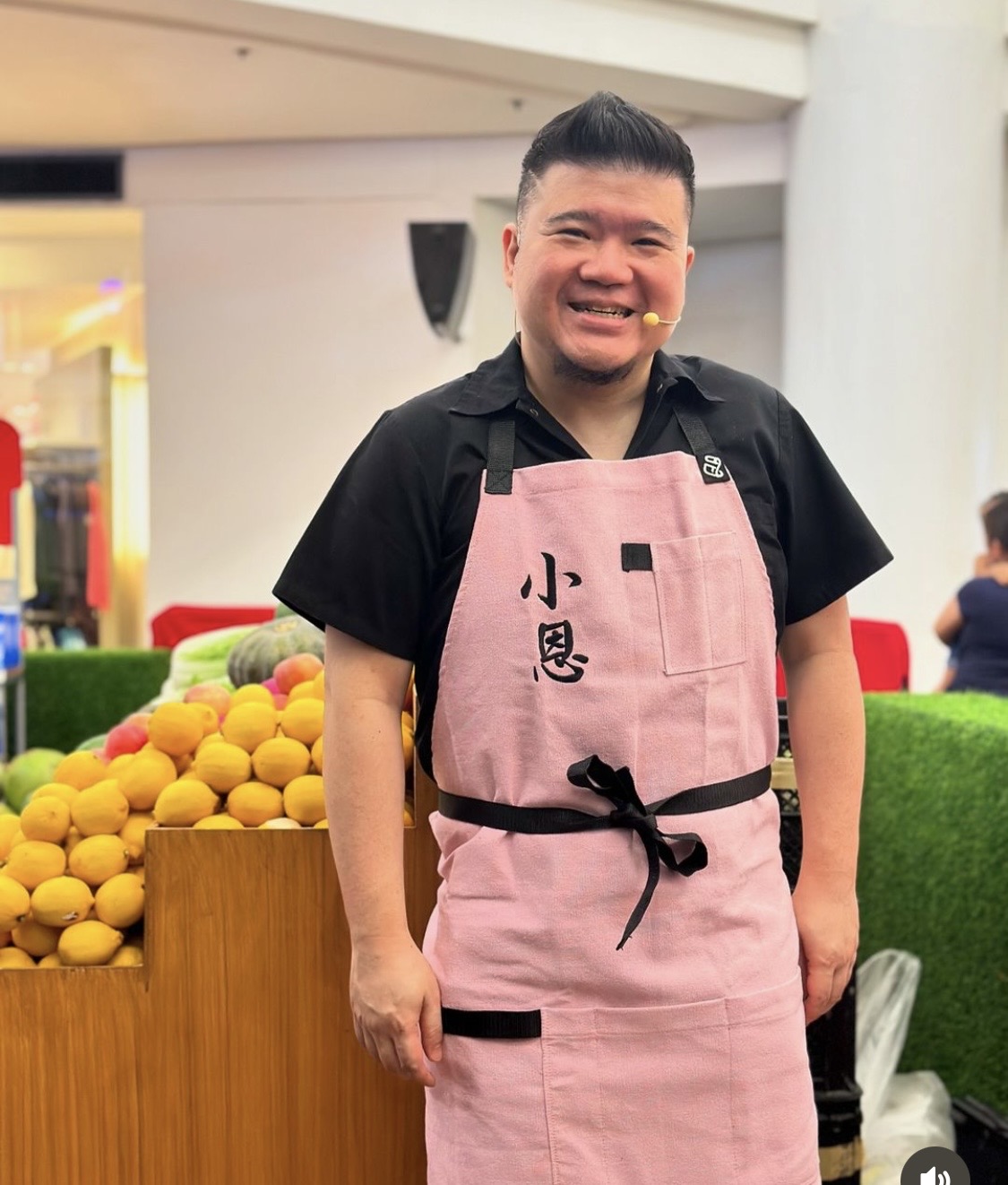
How do you think it will affect the landscape of Philippine F&B?
Calo: It's about representation and it’s telling other younger chefs and the local market that we also deserve a space in an international hotel chain. It’s hard to look for local talent to be at the helm of these hotels and harder to work in partnership with the hotel at this level. It’s like saying we have a local talent that you can harness, and we are internationally competent.
Rizzo: I think it will open doors to explore creativeness without being held back because of barriers and deterrents in a huge business undertaking. Because of that, I believe there will be a burst of courage that will propel ideas to move forward more than ever before, which is great for entrepreneurs and opens up more exciting options for everyone. Another positive impact is robust employment and the release of creative energy that will feed this cycle of goodness.
Tolentino: They’ll make the scene more creative and exciting, pushing chefs to try bolder concepts.
Tee: I think it’s exciting to have more pop-up restaurants because it will ignite more creativity among chefs. More chances to experiment with concepts for the older chefs and more chances for the younger chefs to showcase their skills when they’re ready for the spotlight. I think it’s also a great opportunity for prospective investors to find the next chef they want to invest a resto in.
Your fearless forecast: Is it here to stay, and why?
Calo: I feel like I am not an authority to look at trends because I believe there’s much research involved in that, but given that we have been presented with these opportunities and these spaces, it has sparked a different kind of possibility for the local talent. Chefs can become more mobile and more collaborative, and it’s also an opportunity for us to work with other people rather than just staying in our own kitchens.
Rizzo: Here to stay, and I believe it should and will continue to be encouraged, precisely because of its positive and purposeful impact on the F&B industry; for those bringing the concepts and those simply aiming to enjoy them.
Tolentino: For sure. Pop-ups are fresh and flexible, and people will always be down for something new.
Tee: I know there are going to be more popup restaurants in the future because there are simply too many concepts and dishes waiting to be showcased and too many creative chefs to be kept bottled up. My sincere hope is that venues like hotels and malls open their minds and hearts to provide more opportunities and spaces for pop-ups. In my almost 8 years of doing pop-ups, my greatest difficulty has been finding venues willing. If that process is made easier, plus backed by the venue’s marketing team, everyone benefits from this, I assure you.
