

Today I Learned: Black Pepper and Other Cooking Spices Can Be Faked

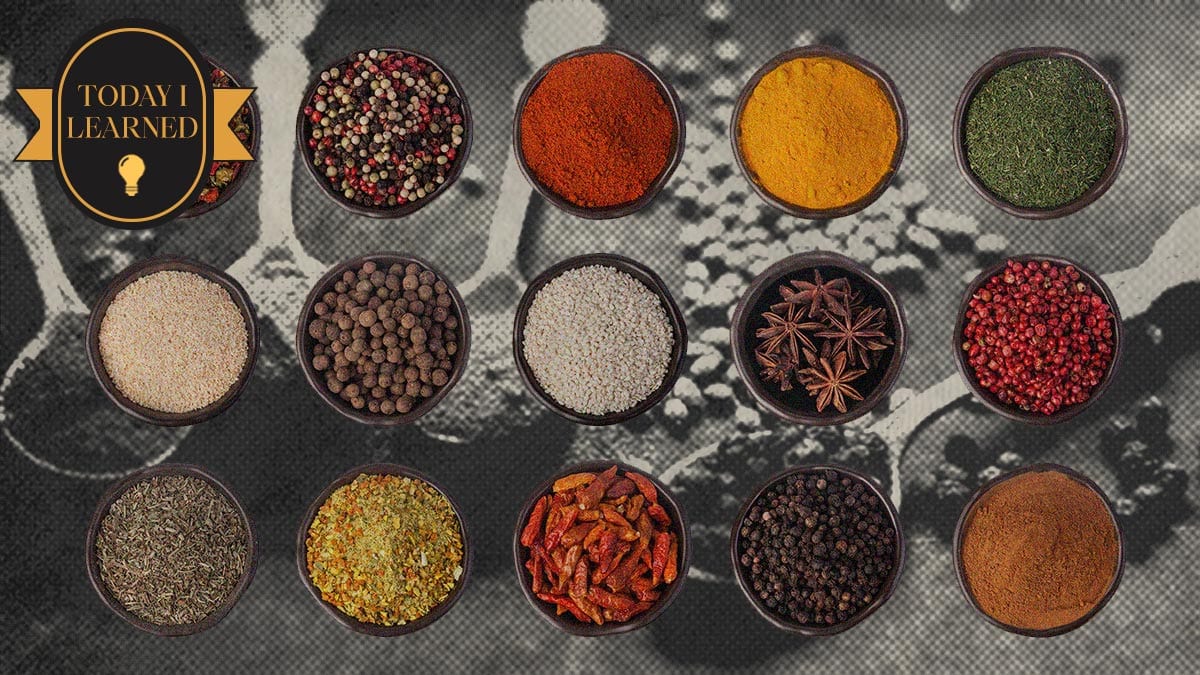
How much time do you spend poring through reviews and product descriptions just to make sure that you’re buying an authentic product? Whether you’re buying online or offline, counterfeit products abound: fake sneakers, clothes, beauty products, knockoff luxury pieces—the list goes on. But are you aware that imitation products might also be lurking in your kitchen?
Black pepper is surprisingly one of the most commonly adulterated spices globally. In fact, a study conducted by the European Commission—composed of 21 European Union (EU) member states plus Norway and Switzerland—revealed that out of 421 pepper samples, 70 of them (or 16.6 percent) were contaminated.
In Asia, seven out of 10 ASEAN member countries were flagged for incidents of Food Fraud and Adulterations (FFA) in their export products. Thailand (32 percent) and the Philippines (26 percent) had the highest frequency of FFA notifications, with “Herbs and Spices” (15.2 percent) being the biggest issue. As the largest producer (responsible for 68.8 percent of the world's herbs and spices production) and consumer, Asia is both the most at risk and the most responsible in the fight against spice fraud.
ALSO READ
Today I Learned: The Many Ways to Get Creative with Bulalo
Today I Learned: The Top Food Trends This 2024
What is Spice or Food Fraud?
Spice fraud is a widespread concern, as some manufacturers deliberately mix or even completely replace genuine spices with alternative ingredients. For black pepper, this can mean adding papaya seeds, coffee husks, dried juniper berries, starch, millet, or even bizarre substances such as mineral oil, ash, and even synthetic fibers.
The motives are obvious: profit. Due to its simple appearance, black pepper is easy to bulk up with cheaper materials. Fraudulent suppliers can increase their profit margins by cutting corners. A study shows that the "Salt & Other Spices" market is worth US$48.97 billion in 2024, with an estimated annual growth of 5.75 percent. Needless to say, it’s not chump change.
Fake spices aren’t just an issue here in Asia, however. The British Food Standards Agency discovered that approximately 13 percent of spices sold in the United Kingdom are mixed with fake fillers. Black pepper contributes heavily to the massive global spice market, with pepper production increasing from 511,000 tonnes in 2015 to over 731,000 tonnes in 2019.
In 2020, local police seized over 300 kilograms of fake spices in a factory in Hathras, India. Upon testing, they contained adulterants such as donkey dung, acid, hay, and inedible colorants. The European Commission study also revealed that apart from black pepper, significant sample portions of other spices were also at risk for adulteration: oregano (48 percent), cumin (14 percent), saffron (11 percent), paprika or chili (6 percent).
The same EU study, however, noted that other factors may also be at play: vulnerabilities in the supply chain, seasonality, weather events and natural disasters, economic situations, and geopolitical events. In any case, it helps to know that you’re getting real spices.
Fake peppercorns will not crack as easily and lack the distinct intense fragrance.
How to Ensure You're Getting Real Pepper
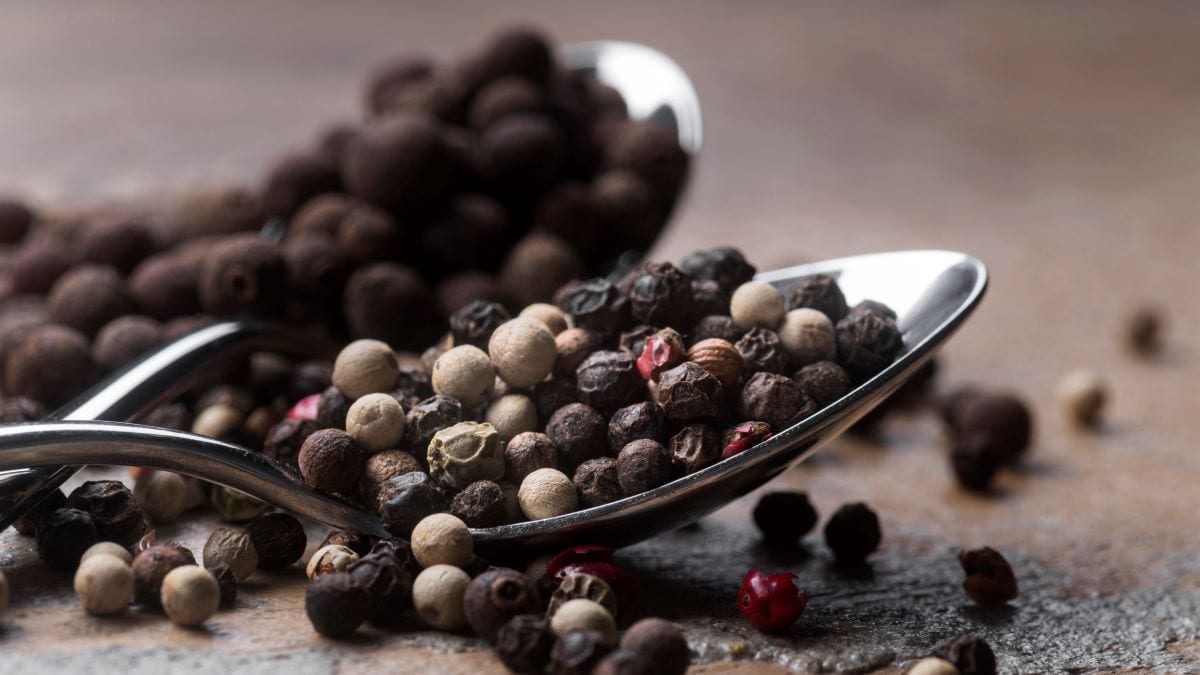
One solution would be to opt for whole peppercorns over pre-ground pepper, as they are harder to fake. Then, conduct a “Crack Test.” Real ones crack easily when ground and release a strong, pungent aroma. You should hear a crisp cracking sound; they should also release oils. Trust your senses: fake peppercorns will not crack as easily and lack the distinct intense fragrance.
Lastly, purchase spices from trusted suppliers who are transparent about their sourcing and processing methods. While it’s much less hassle to simply grab whatever you see first in the grocery store or wet market, remember that using fake black pepper won't just make your dishes bland; it could be potentially dangerous. Adulterated spices—or food products in general—pose serious health risks as they can trigger allergies or damage your body if mixed with synthetic materials.
Almost all recipes call for a pinch of salt and pepper at the very least. A pinch may seem inconsequential in comparison to the rest of the ingredient list, but if you think about it, how many times a day do you reach for the pepper shaker?
It’s not just black pepper, though. Other commonly adulterated spices are:
- Saffron can be faked by mixing red dye, corn husk silk, and cotton threads.
- Oregano is frequently bulked up with olive leaves.
- Turmeric can contain artificial coloring and chalk.
- Cinnamon is often replaced with a potentially toxic variant, the bark of a cassia tree which may contain coumarin, a toxin that’s dangerous in large doses.
- Vanilla, cardamom, and chili are also frequently faked. These spices are specifically targeted due to their high market value and production complexity.
Research on Pepper Fraud
Researchers are hard at work, developing cutting-edge technologies to fight spice counterfeiting. A study investigated various detection methods, using techniques that can identify adulterants even at concentrations as low as 2.5 percent. Advanced techniques like Direct Analysis in Real Time Mass Spectrometry (DART-MS) and Visible/Near-Infrared Spectroscopy can detect adulterants with remarkable precision.
Obviously, not everyone has access to such technology but we’re not entirely powerless as consumers. By understanding the risks, learning to identify authentic spices, and searching for ethical suppliers, we can purchase authentic spices with ease.
Remember: not all spices are created equal. Genuine spices can not only elevate a dish, they can also keep you healthy. A little skepticism and some sensory investigation can go a long way toward making sure you’re getting the real deal.
