
A New Species of Pungapong May Have Just Been Identified at Masungi

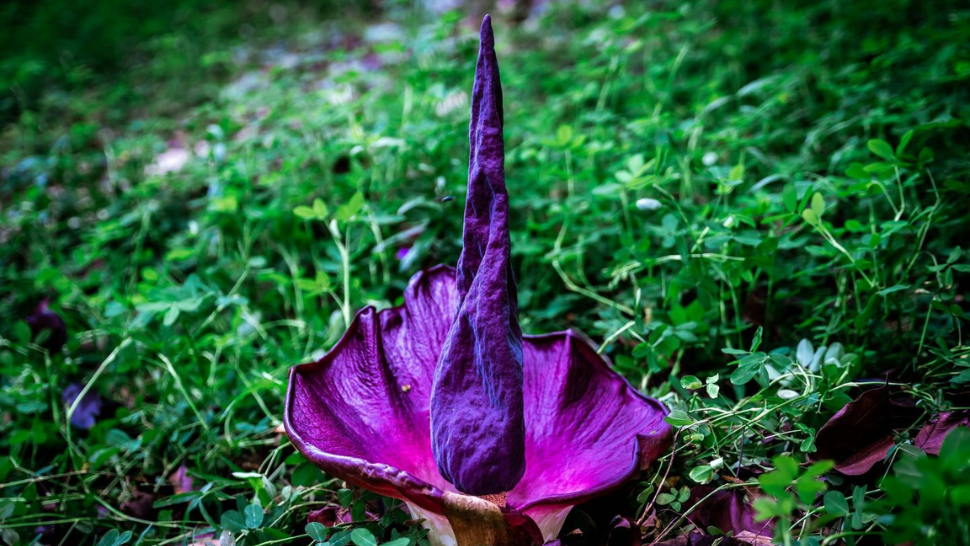
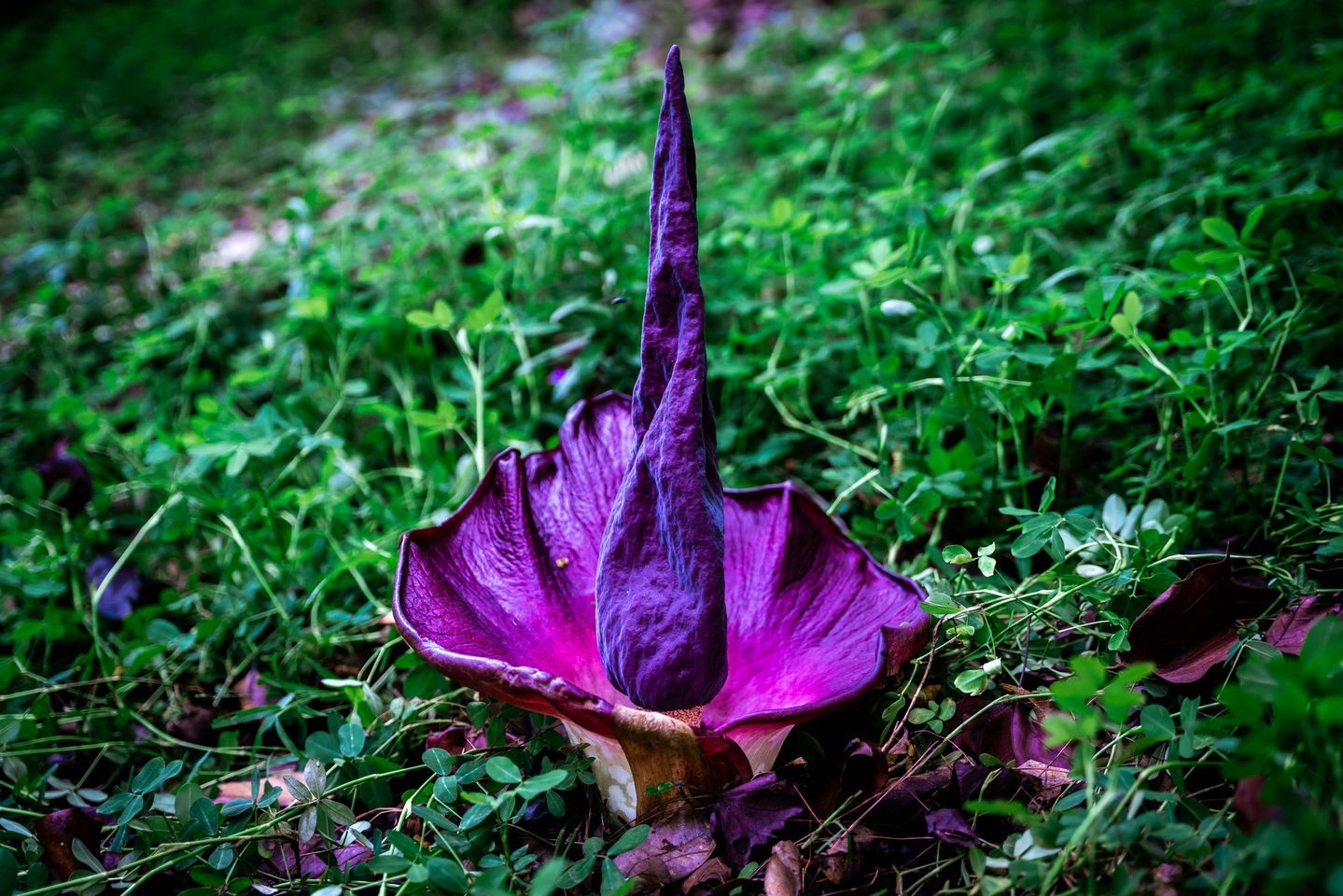
We might have just discovered a new species of Amorphophallus campanulatus in the Philippines. At the Masungi Georeserve, researchers identified Pungapong that differs from its usual composition. It's a good sign that the ecosystem is thriving, too.
Yes, these are images you can definitely smell.


ALSO READ:
This Farm in Calamba Has Over 34 Peacock Breeds and Other Rare Bird Breeds
A Catanduanes-Endemic Shrub Was Spotted for the First Time in More Than 100 Years
What Is Pungapong?
The horrendous-smelling Amorphophallus campanulatus, or better known locally as Pungapong, is one of the weirder plants we have in the Philippines. It is also called the Elephant-Foot Yam plant because it belongs to the jack-in-the-pulpit and skunk cabbage family. A perennial herb, the plant can grow to 30 centimeters in diameter and weigh as much as 25 kilograms when found in the right conditions, like at the Masungi Georeserve's.
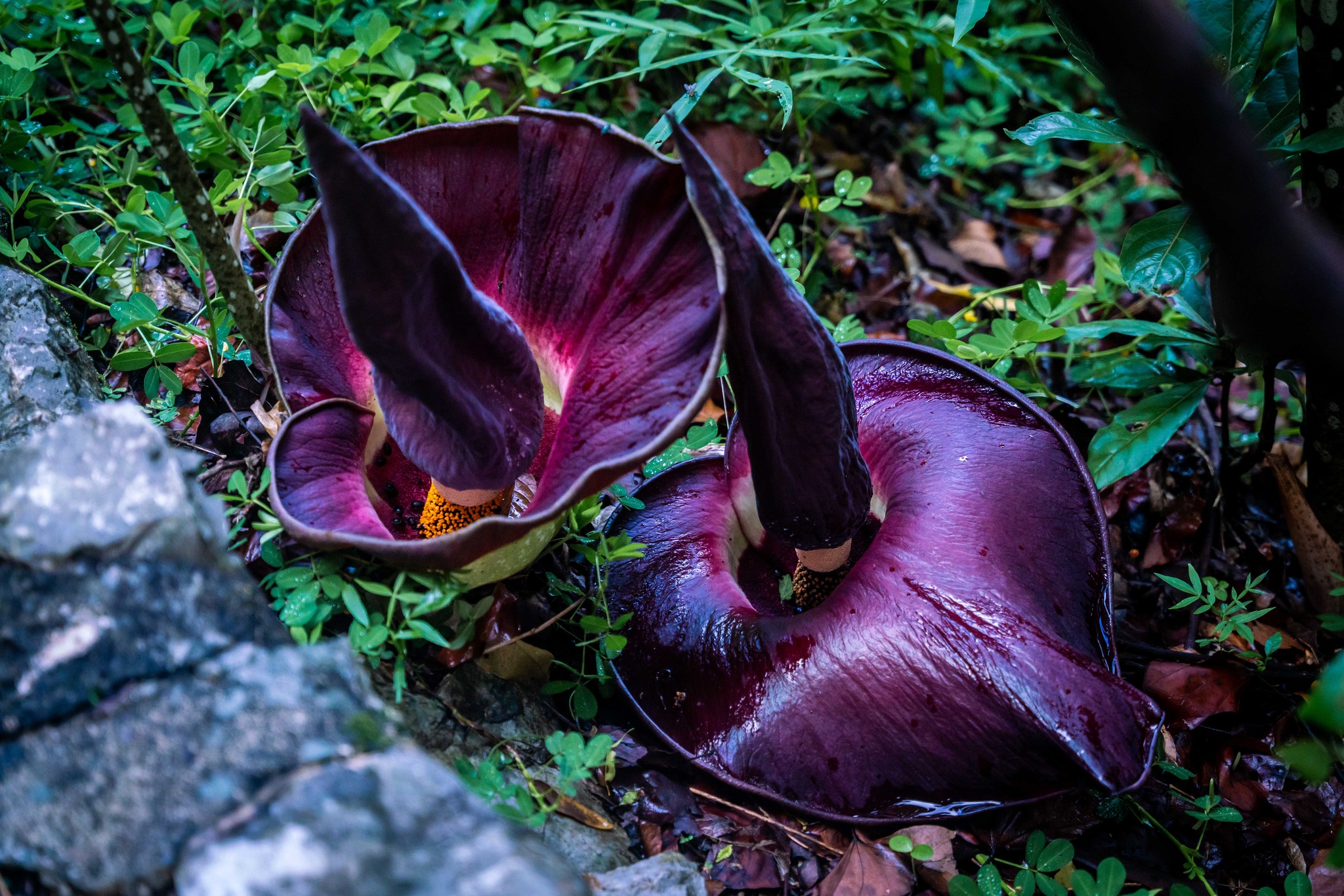


It usually blooms during the rainy season. This is when the flower bud from the corm emerges, which gives us a beautiful look at the purple shoot. From there, it later blooms into a purple inflorescence.
Interestingly enough, the plant actually has high medicinal value and can be consumed by humans, too. That is, of course, if you can get over the itchy sensation upon eating and that rotten smell. In other cultures, it can even be cooked as a curry. In the Philippines, it can even be used in Sinigag. Some farmers harvest it as a cash crop.
