
A New Species of Fish Is Named After the Bakunawa, the Visayan Mythological Serpentine Figure

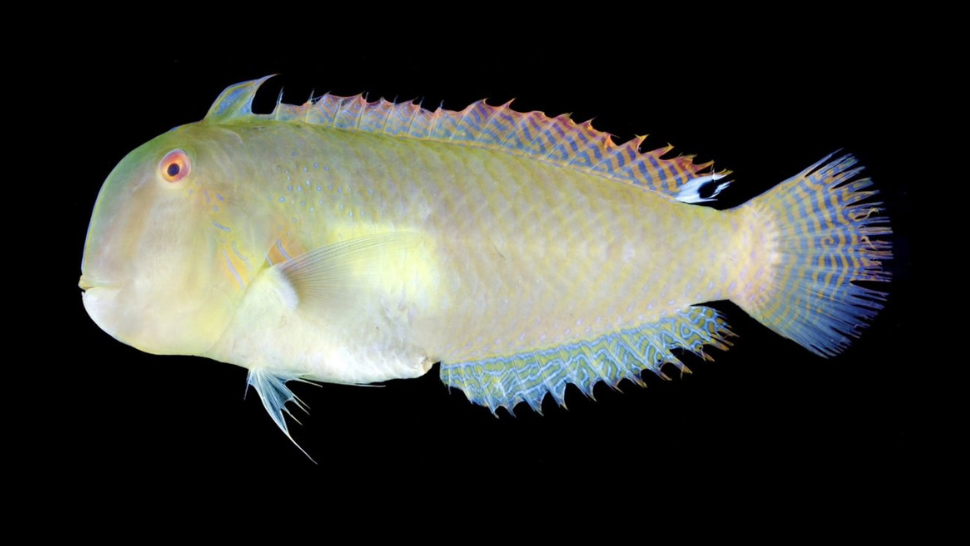
Researchers from the Australian Museum, the National Museum of the Philippines, and the University of the Philippines have just discovered an interesting new species of Razor Wrasse fish. The Iniistius Bakunawa happens to be a fish that has been named after Visayan mythology's serpentine-like dragon, the Bakunawa, a study published by the Lee Kong Chian Natural History Museum finds.

The team has collected from public markets in the Philippines and trawl specimens from Western Australia. Kent Elson S. Sorgon, Yi-Kai Tea, Jasmin C. Meren, and Cleto L. Nañola Jr.analyzed specimens from museums in the Philippines, United States, Japan, and Australia and from fish markets in the islands of Panay, Cebu, Bohol, and Jolo. Razor Wrasses happen to almost exclusively live in wide sandy habitats. This is part of the reason why they tend to get overlooked. These things tend to live away from coral reefs, too.
"We described I.bakunawa from specimens collected from public markets in the Philippines and trawl specimens from Western Australia," wrote Sorgon, who helped co-describe the new species, "speaking to the rich diversity of the Philippines' reef fisheries and the poorly understood nature of fishes like this species that live in sandy habitats."
ALSO READ:
These Characters from Filipino Mythology Would Make for Really Original TV Series
Philippine Mythology Takes Center Stage in Netflix's Trese
One of this species' more distinctive features is its pale yellowish to jade green boy, as well as its white oval spot with a central black mark on its posterior dorsal fin, resembling an eclipse when viewing the disappearing white margin. Apparently, it was named after the Bakunawa because of this.
As the Hiligaynon myth goes, the serpentine figure causes eclipses, earthquakes, rains, and wind when it eats the moon or sun. In one version of the story between the Bakunawa and its arch-enemy, Haliya, the moon deity, the latter was said to have been the last moon standing. She fights the Bakunawa by making noises and gong sounds. The myth originates from Bicol.


"The discovery and description of species new to science often conjure imagery of exhilarating expeditions of scientists in the middle of the tropical rainforests or underwater exploring vibrant coral reefs or the deep abyss," Sorgon noted. "But sometimes, the quiet halls of museum collections and the loud hustle and bustle of wet markets may yield new species hiding in plain sight."
