

Adolf Alix, Jr. on the Art of Horror


Over the past two decades, filmmaker Adolf Alix Jr. has built an eclectic horror filmography that spans techno-horror, folklore-inspired thrillers, creature stories, Gothic romance, and documentary-fiction. He has conjured vengeful spirits in Chain Mail, unearthed digital demons in his Cinemalaya techno-horror episode "Porno," crafted pandemic-era cautionary tales in Huwag Kang Lalabas, and explored crime, guilt, and the supernatural in his horror film The Vigil. For television, he has turned Kapuso Mo, Jessica Soho’s annual "Gabi ng Lagim" into a playground of Filipino myth, directing everything from "Maria Labo" and "Amaranhig" to sinister tiyanaks, headless horsemen, and even a mischievous “Flying Ataul.”
His fascination with origin myths has led him to imagine the first manananggal in Misterio De La Noche, and more recently, to reframe vampirism as a centuries-old colonial curse in the Netflix original The Time That Remains. He has also collaborated with the late Nora Aunor on two remarkable horror films—Mananambal and the still-unreleased Laro, where the Superstar transforms into an aswang—and is set to release Poon, a horror film starring the late Jacklyn Jose and Ronaldo Valdez.
Across these projects, Alix returns again and again to the Philippines’ deep well of folklore, superstition, and oral history—stories once whispered in childhood that he now reshapes for a modern audience. In this conversation, he talks about the distinctly Filipino way of telling horror, the psychology of fear, and the politics that inevitably seep into stories meant to haunt.
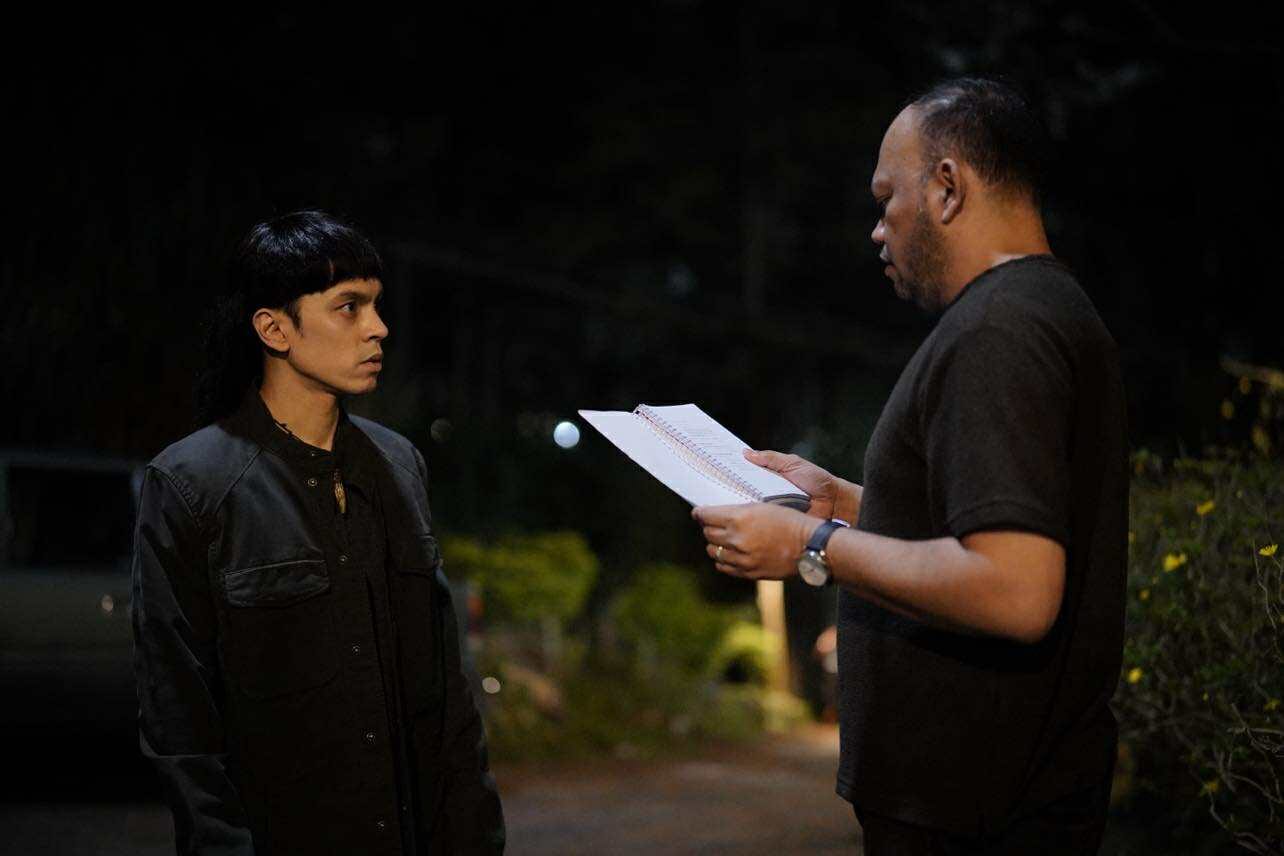
Carlo Aquino portrays Matias, a Kalinga headhunter who becomes cursed with immortality.
You’ve worked across a variety of film genres. What drew you to making horror films?
When I was younger, 'di ba we used to watch horror shows on TV. Lumaki tayo sa OG na Shake, Rattle & Roll. We had those radio programs at night like Gabi ng Lagim. Then my mom used to tell me folktales, folklore, at night to put me to sleep. As Filipinos, we have all these superstitious beliefs. I think that’s what’s special about us. We have so much oral histories about aswang, tikbalang, duwende. If you go to the South, they have different versions of these creatures. They have manananggal, aswang, tiktik. I was really curious about those things then, so when I was given a chance to direct, tell stories, sabi ko, "Kung may opportunity na i-blend ang local folklore with horror, I’d like to do that, because it's very interesting, especially since the younger generation now are not very acquainted with these things anymore.
What do you think is the distinctly Filipino way of telling horror?
Yung folklore at oral histories na pag ikinuwento sa ‘yo, maniniwala ka ba or hindi. Kasi ang daming unexplained di ba? Lalo na ngayon, minsan nakukuhanan siya sa cellphone. Maiisip mo, totoo ba or hindi or? AI lang ba ito? Para sa akin, ang maganda sanang i-explore ay yung mga Filipino folklore. Kasi ang dami niya. Ang nasa forefront lang palagi are aswang, tikbalang, duwende. Pero ang dami pang creatures in the South gaya ng mga zombies. May amaranhig na nabubuhay.
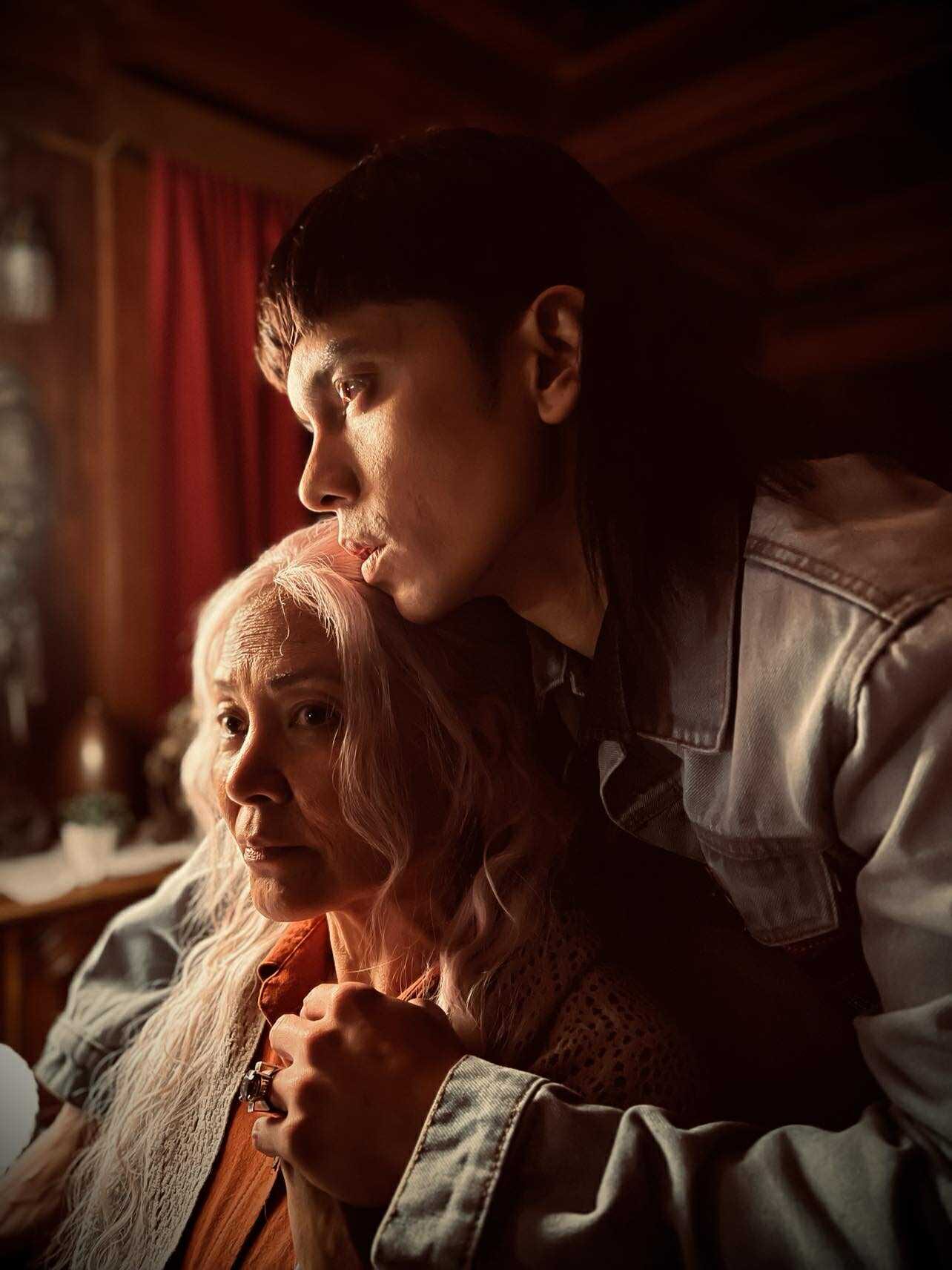
Carlo Aquino and Bing Pimentel as star-crossed lovers Matias and Lilia in 'The Time That Remains'
What inspired you to create the vampire movie 'The Time That Remains'?
Matagal na siya eh. Like mga 10 or 12 years ago pa yung concept. Gusto ko kasi talagang gumawa ng vampire love story. Sabi ko, parang maganda yung love story ng isang mortal at imortal. Pero walang vampire mythology ang Philippines. Then I thought, what if it’s a curse. Dumating ang mga Spaniards, Portuguese dito sa Pilipinas, baka pwedeng dinala nila yung curse.
Sa story, Carlo Aquino plays Matias, who belongs to the Kalinga tribe in the North. He's a headhunter. When the Spaniards came, they wanted to invade their land, so nagkaroon ng battle. May kasamang vampire ang mga kalaban. Nanalo sina Matias sa laban, pero eventually na-convert siya into a vampire. Tapos sa sobrang gutom niya, nakain niya yung tribe niya. Na-experience nya yung curse.
Sa gitna noon, nabuo ang love story nila ni Lilia (played by Bing Pimentel). Kung iisipin mo, ideal ang pagiging imortal. Pero nirespeto ni Matias ang choice ni Lilia na hindi magpa-convert. Noong nasa twilight stage na ng buhay niya si Lilia, will she give in doon sa request ni Matias to convert her? It also has snippets of Philippine history. Kung ano yung status ng bansa natin habang nangyayari ang love story nila.
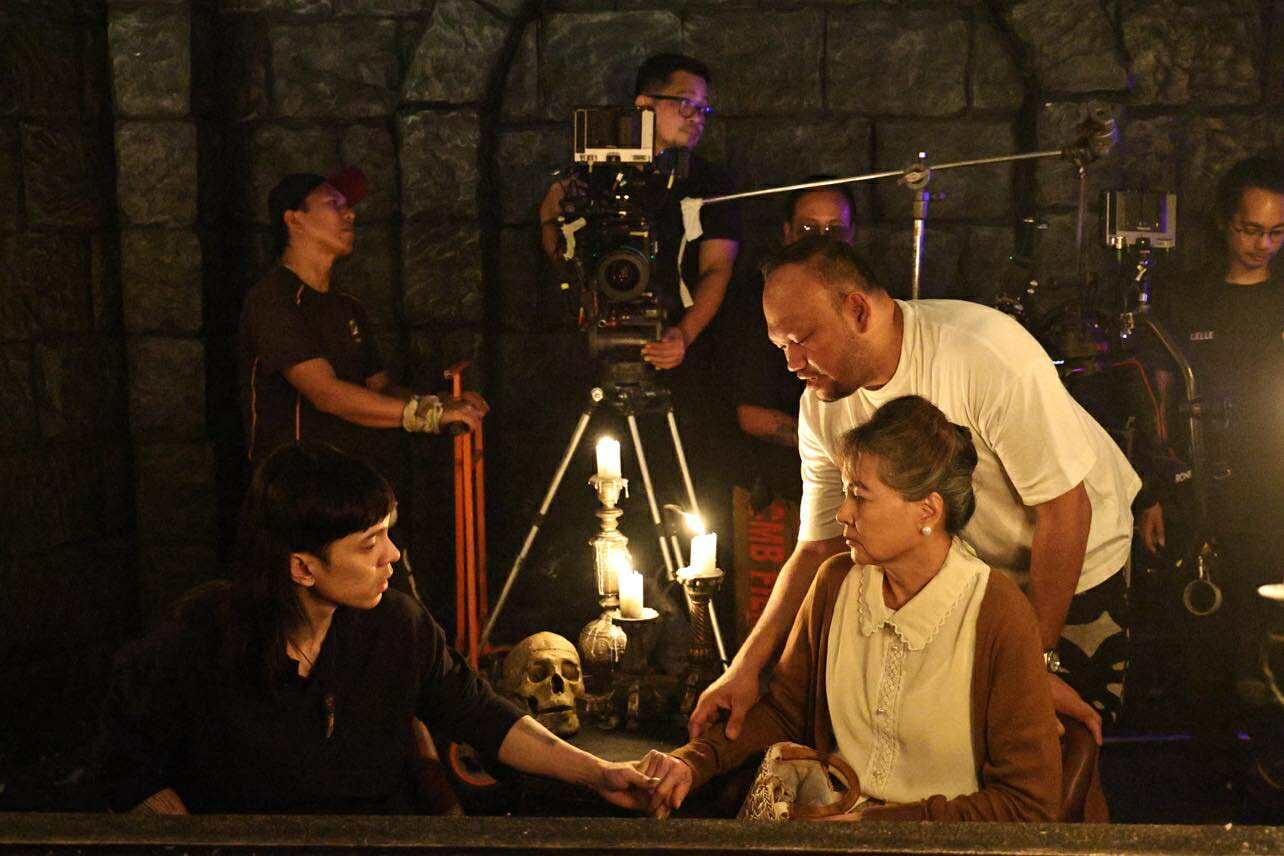
On the set of The Time That Remains
Where did you film it?
We shot in different places. Thankful kami na pinayagan kami to shoot in Sagada. Yung mga hanging coffins kasi have a direct link to Matias’ history. We also shot in Baguio, Batangas, and Bulacan. We shot this during his break period in It’s Okay Not to Be Okay. Pahinga lang siya ng ilang days, then lock-in taping naman siya sa amin. Niloloko ko nga siya, kasi Mat-Mat ang character nya sa It’s Okay... then Matias naman sa The Time That Remains. “Vampire pala si Mat-Mat eh!”
What are the unique challenges of making a horror movie?
One is, anong level ng pananakot ang gusto mong i-achieve? Kasi ang easy way is the jump scare. You have a monster. Pero ako, interested ako doon sa psychology ng horror. Na wala kang nakikita pero natatakot ka. Ang dali ilabas yung creatures, sisigaw ka tapos na e. Pero 'yung build up, I think iyon ang importante sa horror. You leave the audience to imagine because of the space, the mood that you set up. Ang mahirap sa horror, yung pag-set-up ng atmosphere, ng mood para makasabay ang audience sa character mo. Maganda din mag-create ng world na technically hindi nakakatakot because it's a common space. Like for example, sa Chain Mail, it happened in an internet cafe. Or doon sa Huwag Kang Lalabas, naka-quarantine ang character sa isang hotel room.
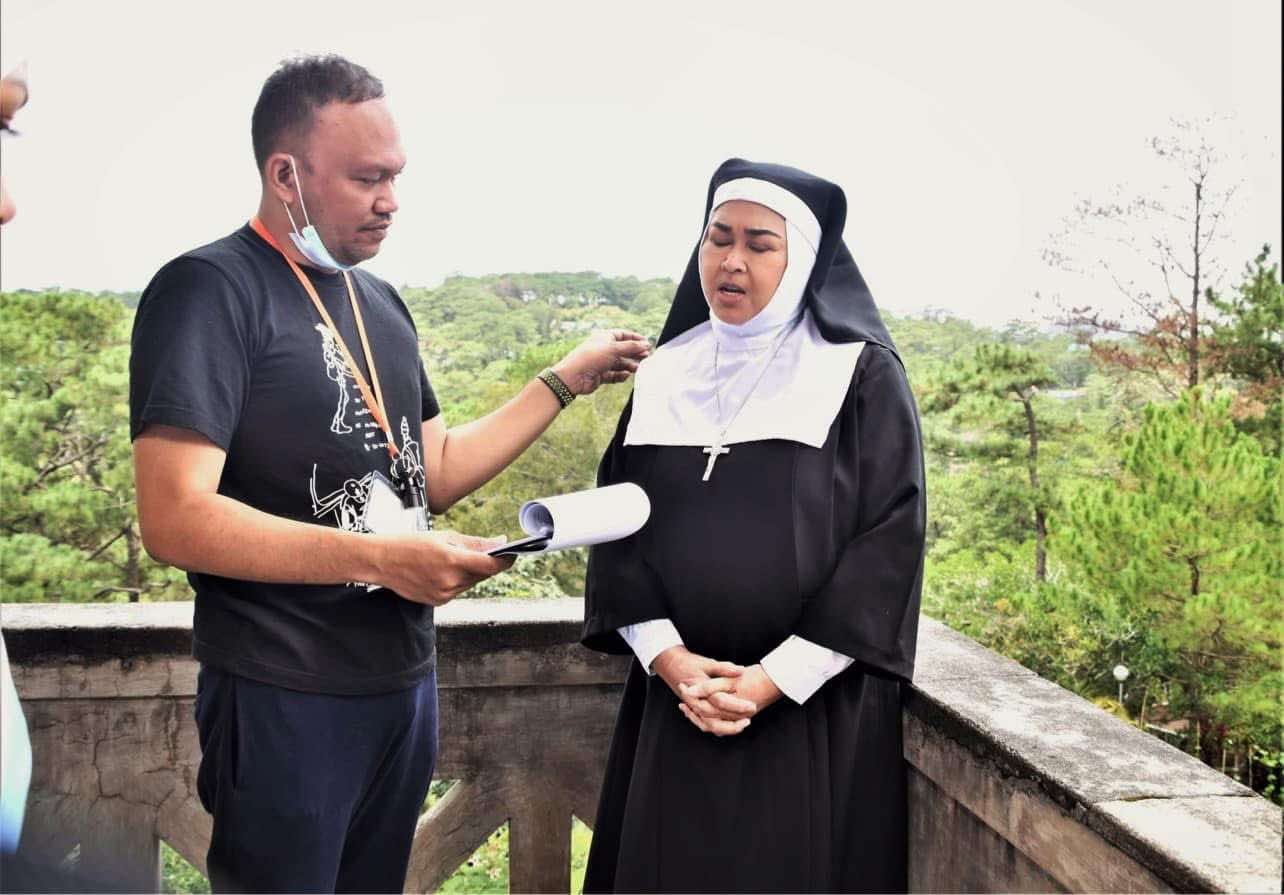
Veteran actress Elizabeth Oropesa plays Sister Fides in the “Kumbento” segment of the horror film "Huwag Kang Lalabas."
Of course, you have to work closely with your sound engineer and set designer.
Sound is also very crucial, kasi that helps to set the ambiance. Ano yung tunog ng creature kung hindi nag-e-exist? Like in Huwag Kang Lalabas, merong creature na kumukuha ng mga tao. Sa The Time That Remains, ano yung sound ng vampire? Paano siya kinakagat? Mas matrabaho ang horror than drama pero mas masaya gawin kasi may mga layers. Kumbaga nagke-create ka ng world, versus drama na madalas existing na yung mundo. Sa The Time That Remains iba-ibang period siya nangyari. Tapos yung bahay ni Matias... siyempre kung 300 years old na siya, ang dami na niyang loot. Hoarder siya supposed to be kasi hindi naman niya kailangang mag-work dahil vampire siya. So ini-insinuate mo na marami siyang art pieces. Pero siyempre may front silang business para kunyari yun lang ang pinagkakakitaan nila. Pero siyempre nag-amass din siya ng mga bagay bagay.
ALSO READ
How Adela Came Together: Director Adolf Alix Jr. Pays Tribute to Anita Linda
In Memory of Jaclyn Jose: A Director's Tribute
What kind of horror scares you personally?
I'm not partial to a specific kind of horror kasi minsan, kahit nga yung mga cheesy like the original Shake, Rattle & Roll, masarap pa din panoorin.
Pero I think mas nakakatakot yung horror na it can happen to you. Kaya feeling ko nag-work talaga yung Feng Shui noong araw kasi it's a common thing. Sinabit mo ang bagua sa bahay mo. Many of us Filipinos naniniwala sa concept ng swerte at malas. So maiisip mo, pwede mangyari sa akin ‘yun. Nag-work sya noong time na 'yon at up to now marami pa ring nagagandahan sa horror movie na yun.
Ngayon, uso na din ang elevated kind of horror na mas quiet, mas slow, mas nagbi-build ng atmosphere... like mga Midsommar. Tuwa-tuwa ako din ako sa remake ng Nosferatu. (Director) Robert Eggers created a world na napaka-interesting. Bago ang treatment niya sa isang vampire. Kasi normally, ang vampire is Dracula, 'di ba? Pero siya yung parang naaagnas, parang decaying. Ang galing din. Ngayon, excited ako to see Frankenstein ni Guillermo del Toro. Kung paano niya gagawin yung creature. Napaka-rich ng world na pwedeng gawin with horror.
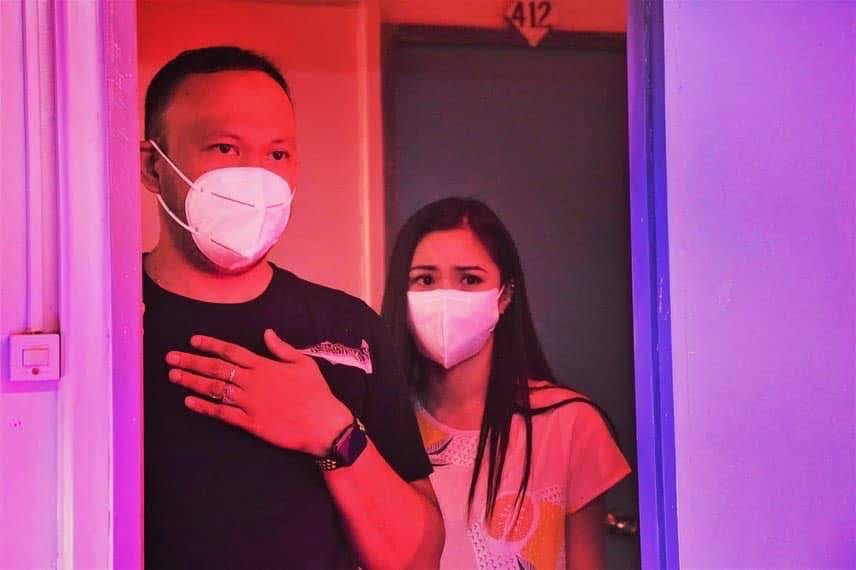
Kim Chiu plays Amor, an OFW who comes home from Japan amidst the COVID-19 pandemic, in the "Hotel" episode of "Huwag Kang Lalabas."
With global streaming platforms like Netflix, did you have to change your approach to storytelling?
Ako hindi naman because I always believe na the form of the film is determined by the story. Totoo na kapag streaming, maikli na ang attention span ng mga bata. Pero kasi ako nilalabanan ko yung idea na since maikli ang attention span, kailangan bilisan ang pacing ng movie. I believe in the idea na you let it simmer. Parang kung nagluluto ka, kung hindi pinalambot yung meat, niluto mo agad, hindi siya kasing sarap versus something na pinakuluhan mo, na-marinade mo nang tama. Mas naniniwala ako na pag horror, kailangan mo siyang i-build and that takes time. Hindi mo siya pwedeng madaliin.
For me, as a filmmaker, kailangan mo ire-educate ang audience. Responsibility mo rin as a storyteller na hindi maging kampante sa stereotypes ng genre. Kasi may ine-expect ang audience di ba? Pero minsan baliktarin natin. Wag nating gawing yung ine-expect nila for a particular story. Baka nag-work, 'di ba?
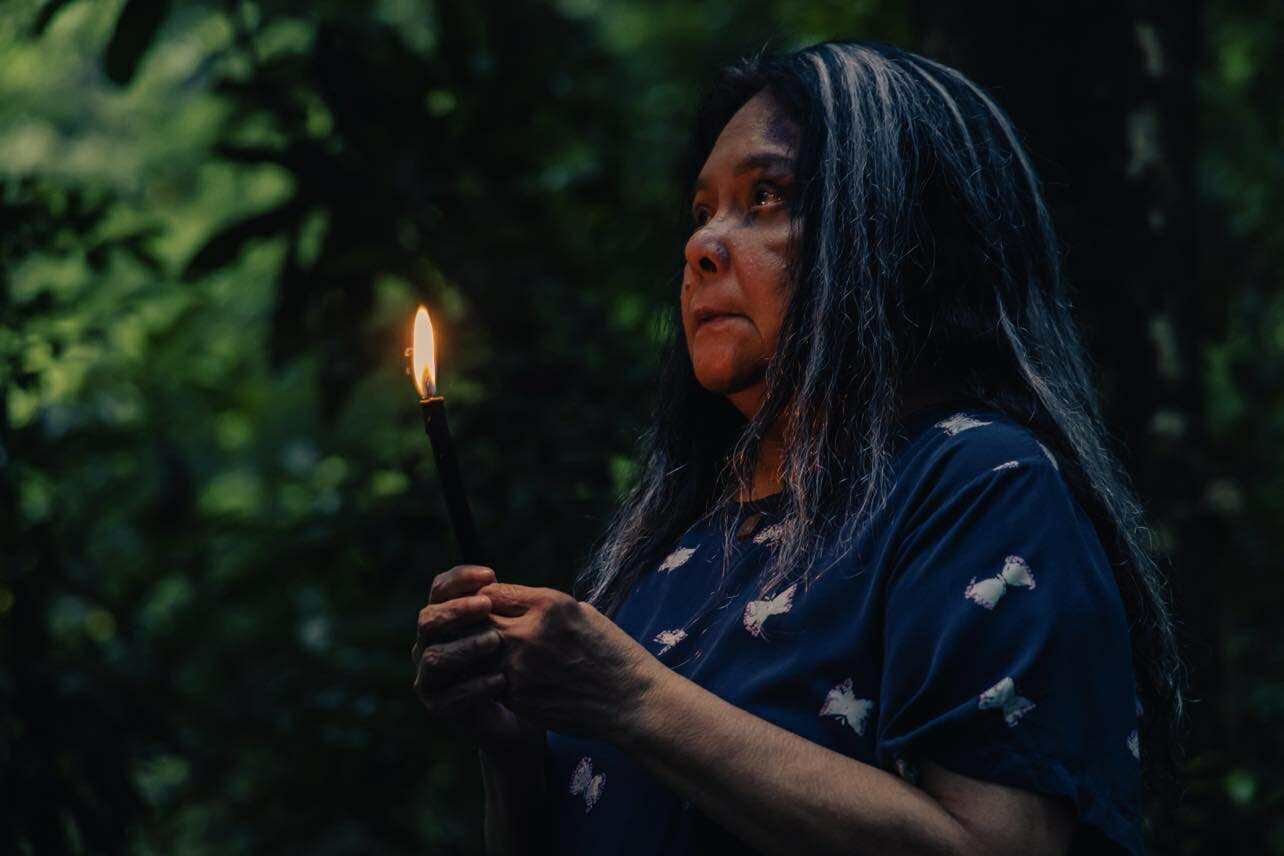
“Her advantage was that she had the most expressive eyes—pag sinabi mo sa kanya yung kailangan mo for a particular scene, ang bilis niyang ma-translate,” says Alix of working with Aunor in Mananambal.
How was it working with Nora Auror in 'Mananambal'?
For horror, the actor has to be very instinctive. It's easy to just shout or cry for help, but what separates a good performance—especially in horror films—is the psychological makeup of the character. Ate Guy had all of that when we were shooting Mananambal.
Physically, we told her, “Ate Guy, kailangan nating baguhin nang kaunti ang physicality mo. Lalagyan ka namin ng balat (birthmark)—what a typical mananambal looks like in the South.” She never had qualms about changing her appearance when she liked a role; she didn't mind looking less glamorous if it served the character. And you could see her presence even without lines. Her advantage was that she had the most expressive eyes—pag sinabi mo sa kanya yung kailangan mo for a particular scene, ang bilis niyang ma-translate.
Nung nag-work kami sa Mananambal, lagi naming pinag-uusapan, “How would you do it?” She wasn’t sinister just because she was a mangkukulam or a healer. The concept was that if you can heal, you can also inflict sickness. So we always discussed that she shouldn’t be played as a monster. Ate Guy wanted to humanize the character, to help the audience understand why she did what she did. And that perspective—her sense of humanity—came through. Kaya ganun ang naging approach namin sa Mananambal.
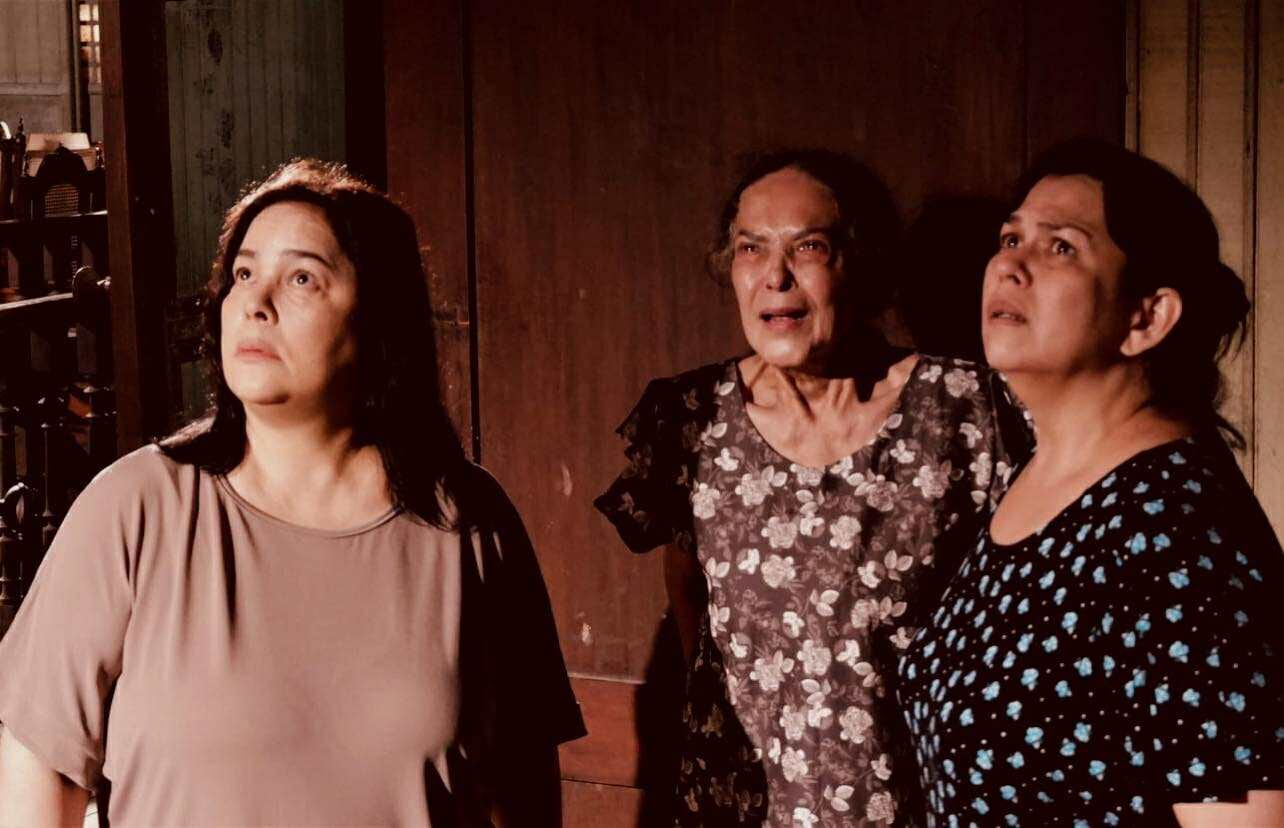
Jaclyn Jose, Gina Pareño, and Lotlot de Leon on the set of the upcoming horror-mystery drama "Poon."
How hands-on did you need to be when directing her?
Ate Guy was very collaborative. Although she was the greatest Filipino actor that ever lived, what was beautiful about her was that she never rested on her laurels. She asked questions, she listened, and she respected the director. Nagtatanong siya kapag may hindi siya naiintindihan. Pero ang lamang niya talaga was the strength of her instinct as an actor. So when you worked with her, alam mo na once she stepped on the set at ma-explain mo sa kanya ang role niya, she would make it her own in her own way. Pag lumabas na siya sa eksena, she became the character—hindi na siya si Nora Aunor. But at the same time, alam din niya ang parameters ng character. Siguro kaya rin ganoon ang stature niya.
I understand you still have one more unreleased horror film that also starred Ate Guy?
I've done five films with her. May isang film pa kaming hindi na nailalabas. The title of the film is Laro. She played the role of an aswang na ang kinakain niya ay mga lowlife, mga patapon ang buhay. Yung call boys, akala nila it was all a role play. Naglalaro lang sila. Pero kakainin niya sila after. Hindi kami gumamit ng prosthetics doon. Ang sabi ko sa kanya, "Ate Guy, paano kung ang pagiging aswang ay isang sakit?” The transformation is you become a monster but without the trappings of a prosthetics – walang pangil, hindi nahahati ang katawan or something. It's more of the transformation of a person to becoming a monster. Ang ganda nung eksena ng pagka-transform nya.
Have you had any scary or weird experiences on set of your horror films?
Minsan I felt something weird on the set. Parang meron kang ibang nararamdaman. Noong nag-shoot kami ng Huwag Kang Lalabas, parang ang bigat-bigat ng feeling ko pagpasok doon sa kumbento. The set was at an old convent in Baguio run by two or three nuns. Tapos may mga dumadating lang to help them clean up. Alam mo yung parang you feel a presence, mabigat ang feeling na hindi mo ma-explain. Every house and structure has a history di ba. So minsan siguro kung maraming pain or suffering na nangyari doon sa lugar, baka nagre-resonate. But I haven't seen a physical creature.
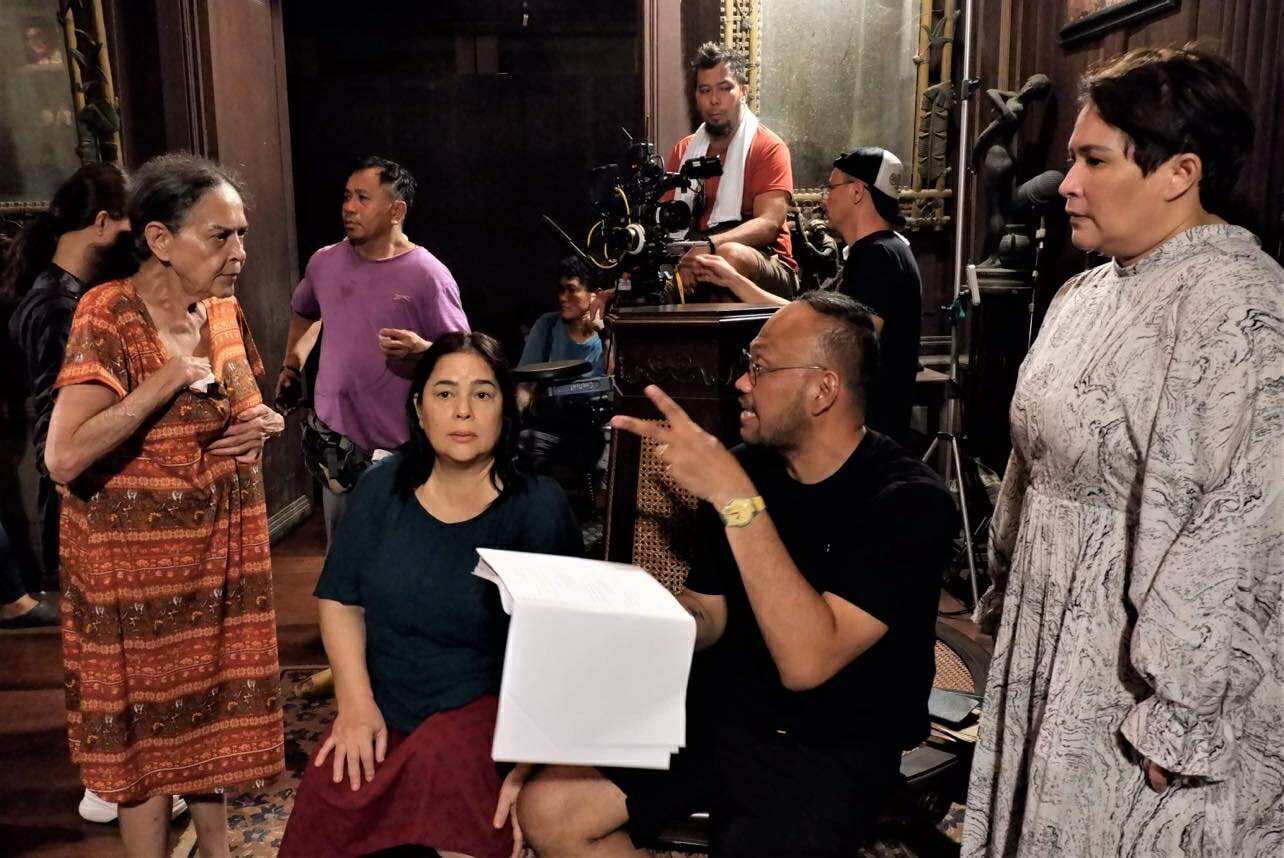
Cast members of the upcoming horror film 'Poon' during filming.
If you could reinvent a Filipino myth or monster for a future film, what would it be?
Actually yung aswang masarap din siyang i-reinvent kasi paano kung may totoong aswang ngayon at this day and age? Pano sila nagsu-survive? Paano sila nagsa-struggle? Pano sila kumukuha ng biktima nila? Kasi parang yun pa din ang pinaka-relatable. Everyone will always have their own take on that as well. Naapektuhan ba sila ng flood control? Maganda ma-explore kung paano ang politics ng buhay nila ngayon.
So you believe that good horror films are socially aware?
I think yung mga ibang horror films naman are grounded in an environment that's very political in a way. Kasi syempre isi-situate mo siya in a time where audiences see the bigger environment, ano yung values ng society? Kahit as simple as nag-aagawan lang ng lupa or bahay pero may multo na lumalabas. Sila ba yung nagmumulto? Or gaya ng sinabi ko kanina, yung politics ng isang tormentor noong araw na, he was killing people. Ngayong matanda na siya, minumulto siya. Masarap paglaruan yung blur sa pagitan ng reality at fiction. I think pag-namerge mo siya, if you are able to create an interesting situation or film merging both worlds, it will be interesting to the audience. There will always be a horror film na nakaka-relate ang marami because it can happen to you or your friend. Pag na-mix mo lang yung tamang blur, yung tamang formula, it would turn out interesting.
