
Turning Red Is a Toast to Adolescence, Asian Parenting, and Messy Mother-Daughter Bonds

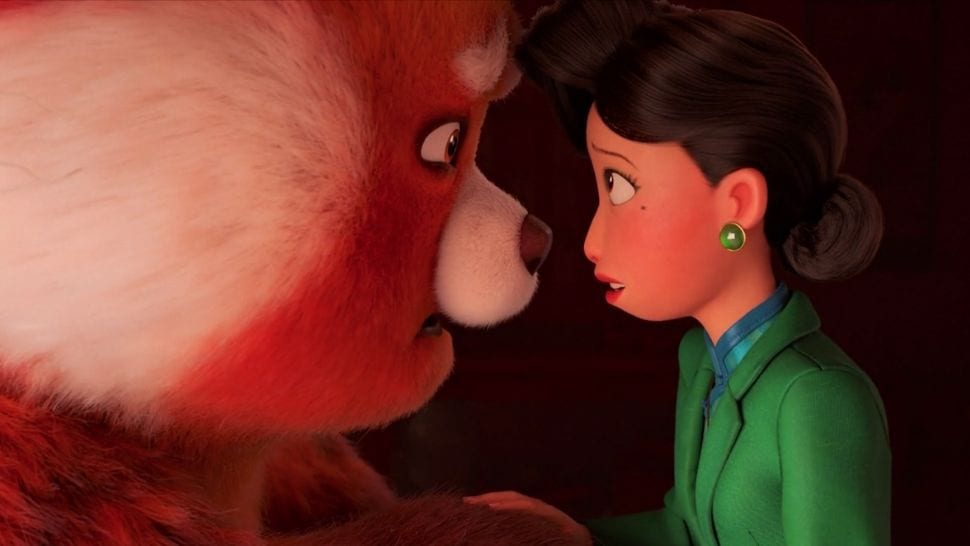
Really, though—if you haven’t seen it yet, what are you doing?
Pixar has always been a master at capturing the messy essence of being human. But Turning Red might just be one of the most tender explorations of adolescence and Asian mother-daughter relationships that we’ve ever seen in cinema to date.

Painted in a stunning mix of pastel hues and vibrant primary colors, the world in Turning Red is a portrait of life as seen through the eyes of our main character, 13-year-old Mei: brimming with possibility, and charged with the kind of excitement that’s common in young girls who haven’t been warned of the non-negotiable awkwardness that comes with growing up.
None of us need to be reminded of the miserable pains of going through puberty. But as if that stage in our lives wasn’t troublesome enough, imagine having to deal with the irksome quirk—or, in Mei’s words, the “inconvenient genetic thingy”—of nonconsensually transforming into a giant red panda every time you feel strong emotions.
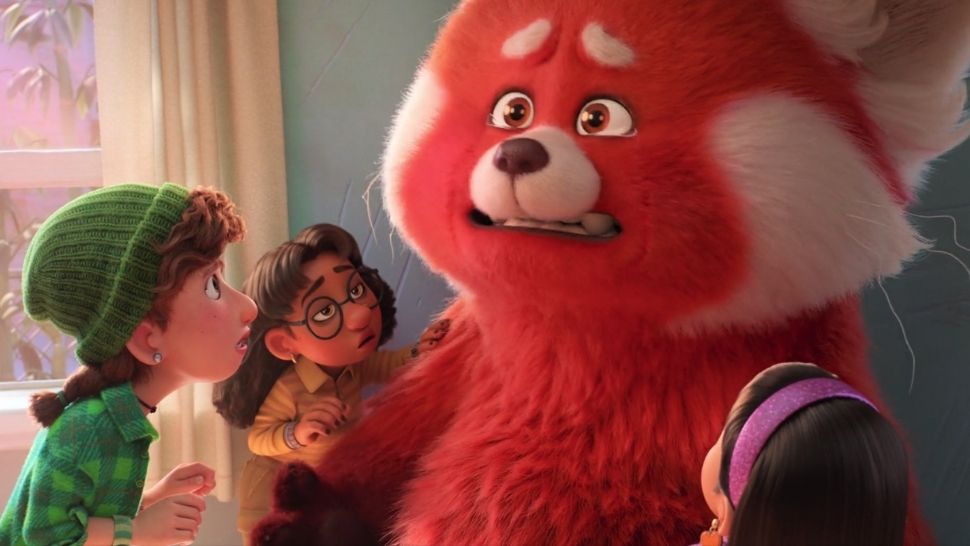
We don’t want to give too much away, but you must know that this movie is painfully adorable. In all her jiggly, fluffy, oversized glory, Mei’s red panda character triggers an automatic must-cuddle-now response from any viewer. And, even in their regular human forms, all the characters in Turning Red were specifically designed in a style that the art directors call “chunky-cute.” This, in combination with each of their uniquely lovable personalities, allows the film’s characters to immediately win over their audience’s hearts, and remain with them until long after the credits roll.
But of course, like all great Pixar movies, Turning Red is far more than just an endlessly entertaining mood booster. Director Domee Shi is an expert at revealing her characters’ insecurities with tremendous empathy, peeling back the layers of complex relationships—most notably the kind that’s shared between the Asian mother-and-daughter pair—in a way that’s just as likely to make you laugh out loud as it is to make you curl up into a ball of tears.

While all relationships between parent and child can be nuanced, complex mother-daughter relationships are a fundamental part of the Asian family experience; Mei’s relationship with her own mother is no exception. In Turning Red, we watch Mei go through the relatable struggles of mistaking her mothers’ dreams for her own, using her mothers' validation to affirm her self-worth, and eventually taking on the seemingly impossible task of creating an identity outside of being her mother’s daughter. Pixar makes breakthroughs in representing the lives of Asian immigrants, in turn receiving a roaring round of applause from both film critics and everyday Asian women.
Please—trust the hype on this one. Marked by tender clumsiness and nostalgic insecurity, Pixar’s newest animated film is all about embracing the moments in life that can be ripe for change, remembering who we are, and celebrating where we’ve gone astray.
