
The Last of Us: A Complete Guide to the Post-Apocalyptic World and Lore

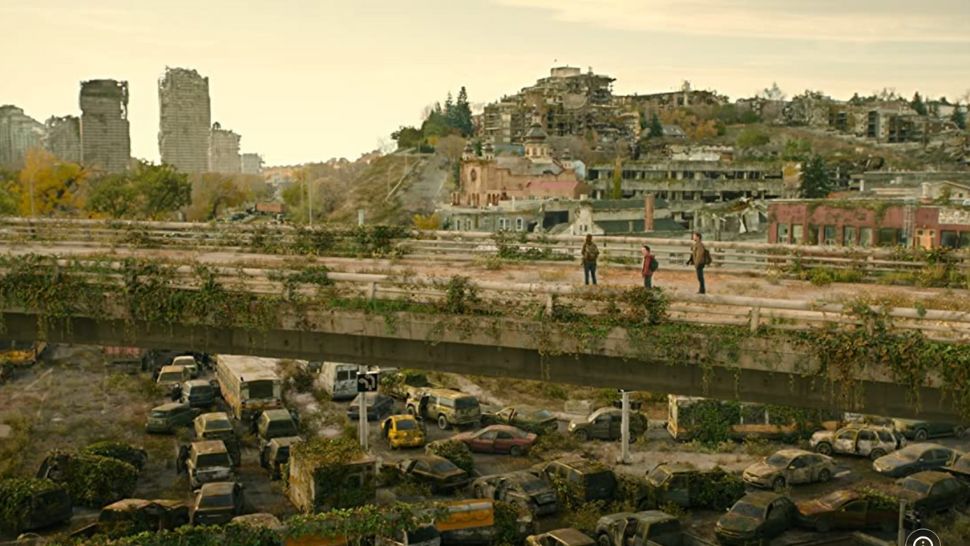
HBO has successfully made Monday mornings all the better thanks to the weekly releases of the latest episodes of The Last of Us. The hit HBO show has succeeded where many have failed: in turning a wildly popular video game into a wildly popular TV show. We’ve seen games be adapted into shows and movies before, but almost all fall short of the OG video game legacy. But The Last of Us is the exception, not the rule. In a wild turn of events, ratings have been getting higher, not lower, with every weekly release. That almost never happens with big-budget shows—most viewers tune in to the pilot then the numbers slowly dwindle down. But The Last of Us is just getting better and better with each new episode. That said, we’re six episodes in at the moment, and the world of The Last of Us is still a lot for us to wrap our heads around. If you lived under a rock like us and didn’t play the video games, we’ve prepared a dummy-proof guide to The Last of Us world.
ALSO READ:
The Last of Us Season 2: Everything We Know So Far
The Last of Us: A Guide to All the Infected Runners, Stalkers, Clickers, and Bloaters
The Last of Us Season 1: Everyone Who’s Died So Far
The Day the Civilization Collapsed
God bless The Last of Us for avoiding the trap of exposition vomit. Fantasy, sci-fi, and even dystopian shows have a bad habit of dumping exposition in the first episode as a way to make viewers catch up with the plot, but The Last of Us is smart enough to avoid that. However, that means we’ve only received bite-sized hints as to what happened when the world went to shit. But with the latest developments of Episode 6, we now have a clearer bird’s eye view of what went down.
In Episode 6, “Kin,” Joel tells Ellie about the theory of how the pandemic began when the fungi cordyceps mutated in human food. The theory goes, the cordyceps mutated, infiltrated the basic food supply of either flour or sugar, and were then sold across the world. The tainted food eventually infected whoever ate it, resulting in Outbreak Day—September 26, 2013—when the world went to shit. As Joel put it, on Thursday evening, people started getting sick, then by Friday evening, people started biting. By Monday, the world as they knew it was gone.
Episode 6’s mention of flour is actually an easter egg for Episode 2, “Infected.” Set in Indonesia just days before Outbreak Day, Episode 2 follows Indonesian mycologist Ratna Partiwi brought in to investigate one of the first cases of Cordyceps brain infection. The victim? A worker from a flour mill who mysteriously caught the bug and bit three of her coworkers.
How Cordyceps Took Over the World
At the start of the season in Episode 1, “When You’re Lost in the Darkness,” we received a subtly-delivered monologue of exposition when two epidemiologists, Dr. Newman and Dr. Schoenheist, debated on humanity’s next big threat. Schoenheist argued that influenza was the enemy, but Newman explained that humans have beaten viral infections time and again. It was fungi that we should be afraid of.

As Newman explained, fungi, like cordyceps, had the uncanny ability to control instead of kill their hosts. They could remove free will by flooding their victims with hallucinogens and gain complete control of their bodies. At the time the interview takes place, which is about 1968, fungi could only control animals with a body temperature below 94 degrees. But he hypothesized that should global warming hasten the evolution of fungi, they could learn to tolerate higher temperatures and eventually infect warm-blooded hosts like humans and cause the collapse of human civilization.
The worst part? Newman threw in that humans don’t have a natural immune response to fungal infections.
Fast forward to 2013 after humans destroyed the environment with global warming. The cordyceps adapted to warmer temperatures and humans were suddenly ripe for the picking.
The Societies That Rule The Last of Us
Even after the apocalypse, governments survive like leeches. In place of an actual national government, the Federal Disaster Response Agency (FEDRA) assumed power as a totalitarian government agency after Outbreak Day. In The Last of Us, the group is made up of the remains of the U.S. military and rules over quarantine zones using martial law. As we’d expect from a post-apocalyptic government, FEDRA is pretty shitty. Their mission is to maintain order through force, keep people in line, keep out the infected, and kill the Fireflies.

The rebel faction in this post-apocalyptic society, the Fireflies is a so-called revolutionary militia trying to re-establish democratic societies. Their mission is to break FEDRA down so they can take it out, and unlike FEDRA, they have slight intentions to rebuild society. That’s where Ellie comes in. The Last of Us is Joel and Ellie’s, and Ellie’s history with FEDRA and Fireflies plays a huge role in their future. We won’t spoil anything, but Episode 2 showed that it was the Fireflies who handed Ellie over to Joel. The Fireflies know Ellie’s immunity to the cordyceps brain infection could be the key to a cure, but don’t let that fool you into thinking they’re the good guys. In the post-apocalyptic world of The Last of Us, there are no good guys or bad guys. Just desperate people trying to survive.
Catch The Last of Us in the Philippines only on HBO GO.
