
Tim Burton on Bringing Beetlejuice Back to Life After 35 Years

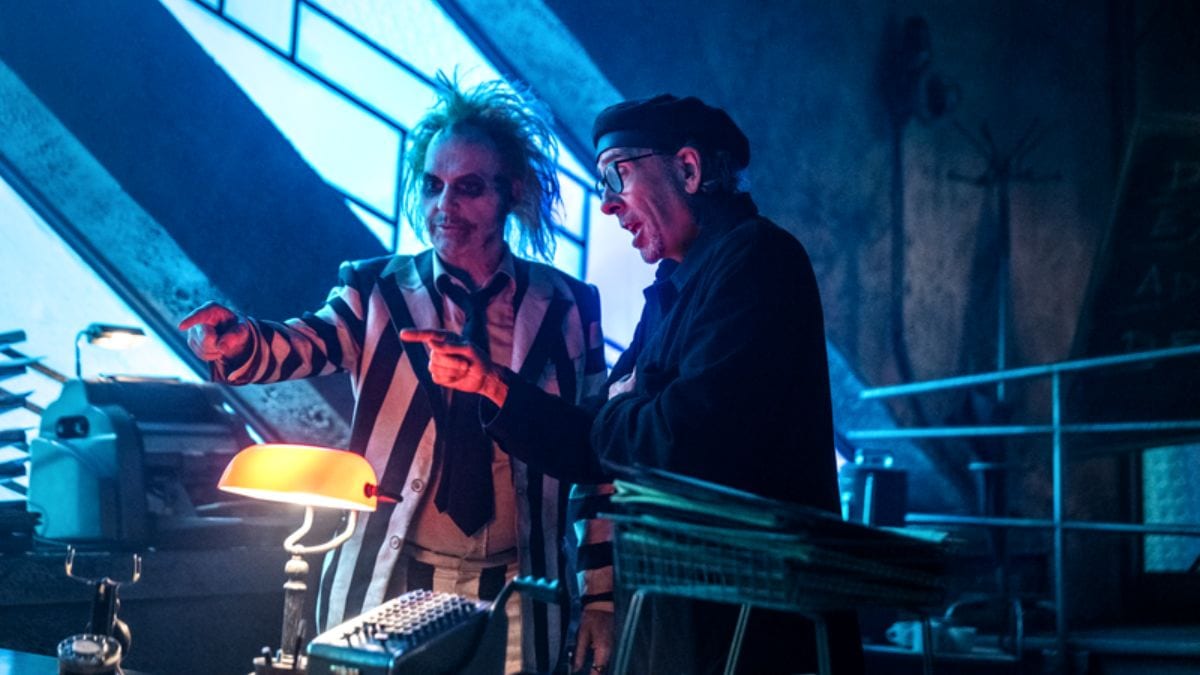
After the first Beetlejuice movie was released in 1988, there were lots of talk about a sequel and different ideas were thrown out over the years, but nothing really clicked for director Tim Burton.
“And so, all this time goes by, 35 years, and what really got me interested and excited is… life,” says the acclaimed director.
“It’s like, what happened to the Deetz family? You know, it’s 35 years later, what happened to Lydia, this interesting teenager? And so you start to use your own life experience: you’re an interesting teenager. What happens when you become an adult? Do you have children? What are your relationships like? What have you become? Things happen to all of us as we get older and change—relationships, children—all those things. That was the nucleus of it for me that got me back interested in it—what happened to the Deetz family. It was quite emotional for me to revisit these characters.”
Beetlejuice, Beetlejuice, the sequel to dark comedy fantasy film, features original cast members Michael Keaton (Beetlejuice), Winona Ryder (Lydia Deetz), and Catherine O’Hara (Delia Deetz) along with newcomers Jenna Ortega, Justin Theroux, Monica Belluci, and Willem Dafoe.
In the film, three generations of the Deetz family return to Winter River after a family tragedy. Lydia's rebellious teenage daughter, Astrid (Ortega), stumbles upon the town's model in the attic, accidentally opening a portal to the Afterlife. Chaos ensues when someone says Beetlejuice's name three times, leading to the demon's mischievous return. The screenplay is by Alfred Gough and Miles Millar, with a story by Gough, Millar, and Seth Grahame-Smith.
In this exclusive Q&A, Burton talks about the magic of filmmaking that brought Beetlejuice back to life.
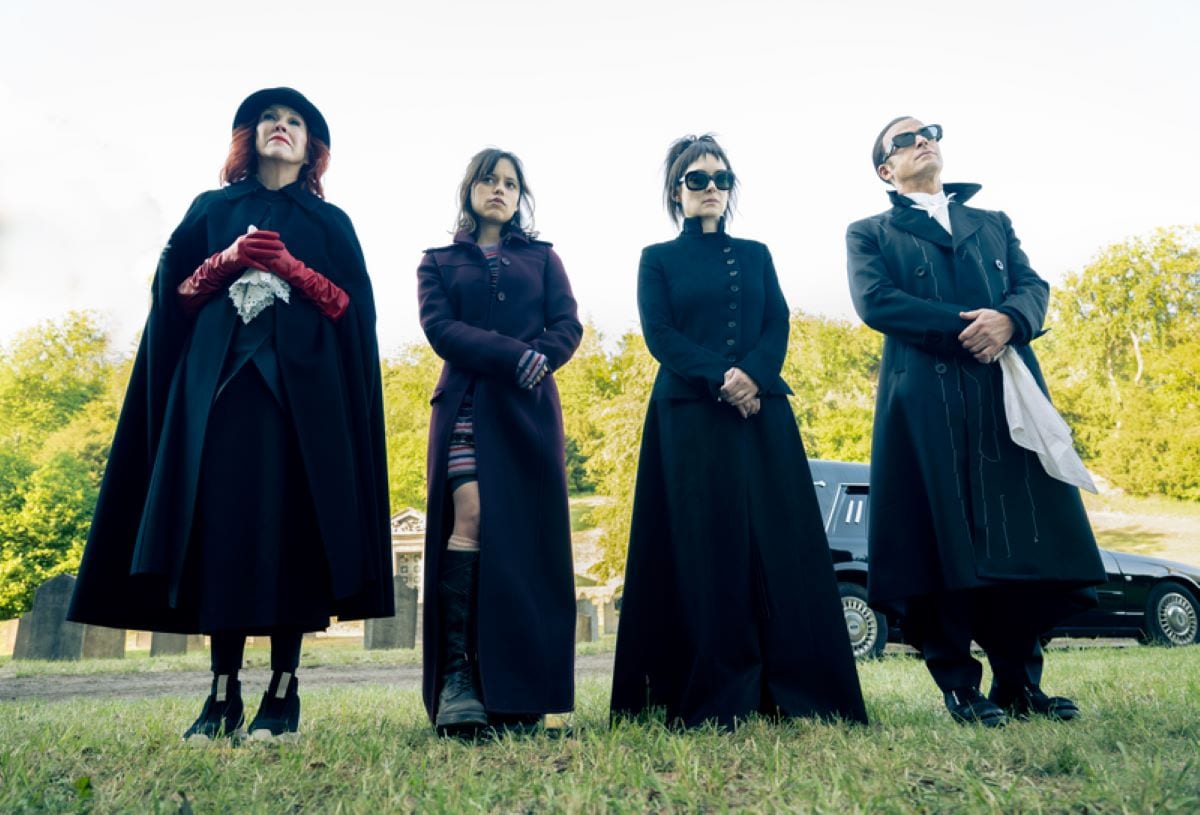
From left: Catherine O'Hara, Jenna Ortega, Winona Ryder, Justin Theroux
So, the time was finally right for you to make a sequel to the beloved Beetlejuice. How did things come together?
I worked with Al [Gough] and Miles [Millar] on Wednesday, so I knew them very well. That was great because they’re very collaborative. I basically treated the movie similarly to the first one—we had a script, but I also worked with a lot of good improv actors. Part of the fun of the original movie came from its loose and spontaneous spirit. We had a script that evolved as we progressed, and we relied on these great character actors who brought a lot to the film. This was a similar spirit. Without thinking too much about it, we tried to reconnect to the fun of making the first movie. Everybody contributed to their characters, making it very exciting to work in the spirit of the first film.
Can you set up the story?
You’re asking the worst person. [Laughs.] I directed it. Well, it’s basically revisiting the Deetz family 35 years later and seeing where they are. There’s something that happens in the family, which sort of triggers the events that are going on. But it’s almost coming in to see where these people are now.
The character of Beetlejuice is eons old. Has he changed in this relatively brief passage of time?
There’s not a lot of character depth or growth with Beetlejuice—I mean, he is kind of what he is. We reveal certain things about him that we didn’t know from the first movie, but it’s such a sort of strange character anyway. That’s why I loved going back to this story, just because it was just slightly different and sort of had his own set of rules, which I liked.
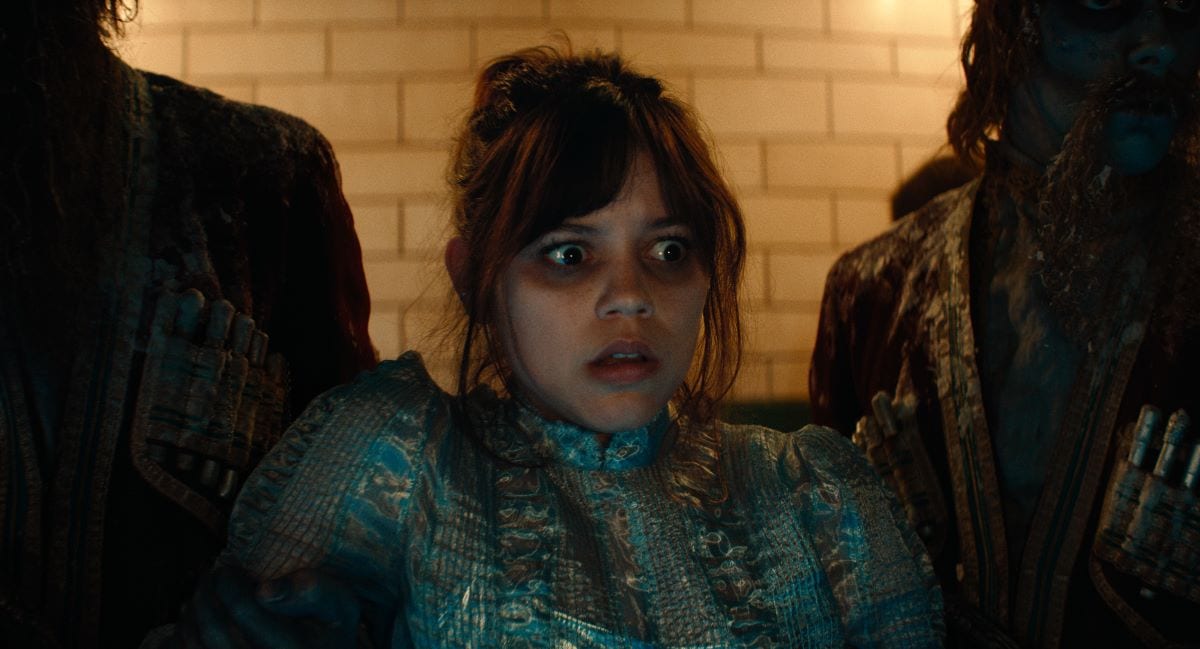
Jenna Ortega as Astrid Deetz
Beetlejuice is a pop culture icon, and the film showcases your wonderful imagination. What went into realizing your vision this time?
Well, there was the original movie, which we paid tribute to—Bo Welch was the designer on that—and I worked with [production designer] Mark Scruton on this one, whom I also worked with on Wednesday. So, there are certain aspects of it that I would just call "part of that world," except for the house, which was all kind of new.
We had some sets that were reminiscent of what we did because that was the world. We expanded it a bit, but again, we didn’t want to over-expand it. I mean, we built all of the sets. It became more expansive, but not too expansive. And like I said, it was all in that loose spirit of spontaneity and improv, with everybody developing their own characters and just getting into it that way.
ALSO READ
EXCLUSIVE: Behind the Scenes with Director Greg Berlanti on the Set of 'Fly Me to the Moon'
The Funniest Reactions to Manny Jacinto as the Sith Lord in Star Wars: The Acolyte
Did you encourage improv from this comedically adept cast?
Everybody—Michael, Catherine, Winona, Jenna, Justin, Willem, Monica—all contributed, and I love that. The script was like a blueprint, and it was there, so we weren’t all going, “Hey, what’s going on?” Again, it reminded me of the first one. If you read the script and then you read what it became, it was two different things. There’s a lot of stuff that goes on, and it was the same on this one. So, it was almost like making an animated film in the sense that there are lots of contributors in the mix.
It’s also 35 years later in Winter River. You got to go back to the same town in Vermont where you filmed the first time. What was that like?
It was really interesting going back to Vermont because we were wondering, “Well, what is it like? You know, is it all built up?” And it was actually strangely kind of exactly the same. It was weird. You wouldn’t go, “This is 35 years later”; you’d go, “Oh, we were here just last week.” It was very, very strange. But again, it was because that was part of the vibe. That place was and is a little bit of a character. It was like working with the same people again. It was an emotional thing to go back there. It added something for me, anyway, to re-experience that place.
Everyone connected with Beetlejuice, Beetlejuice seems to have come away with the same comment—they had some of the most fun they’ve ever had making a movie. What about you?
Well, maybe our ideas of fun are wildly different. My idea of fun compared to anybody else's is probably different. But, I would say, “Yes, I did have fun.” It was one of the more satisfying experiences I’ve had in a long, long time. After years in the industry where I got a little bit sidetracked or just might not have been as interested in the business that much anymore, it reconnected me to what I love, which is making a movie. You push the business stuff aside and go right to it. And so, yes, I did have a very artistic, exhilarating, and emotional time. So, yes. If you call that fun, then yes.
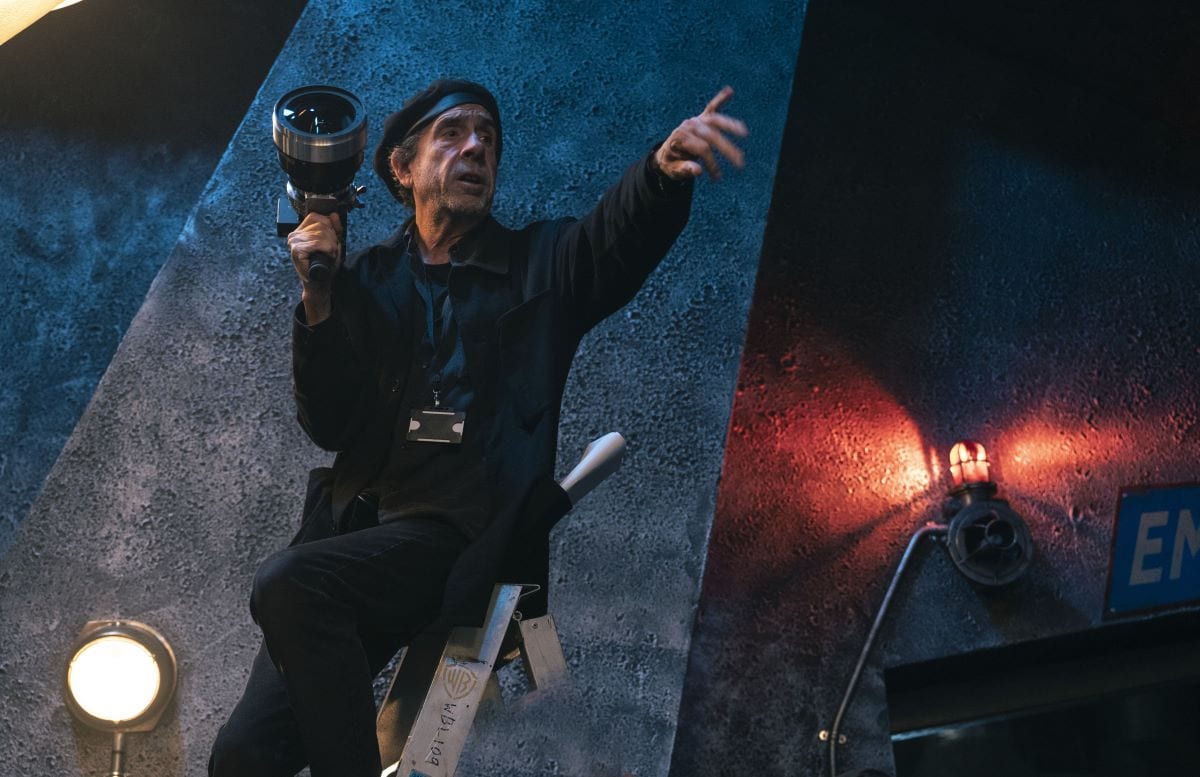
Burton in his element
Anything stand out? Any favorite part?
I don’t have a favorite part. I think it’s just more of the overall experience and the unknown quality of it. I think that that was the thing. It’s like, there’s expectation attached to the idea of a franchise, that sort of thing. On this, there was no expectation, not even a necessary idea of what it is. That sometimes can help you. It’s like, they can’t put it in a category. But I think there’s a certain type of unknown excitement when you’re doing something where you just really don’t know what it is. And Beetlejuice has always been that.
Did anything in particular stand out to you, or do you have any favorite moments?
I don’t have a favorite part. I think it’s just more about the overall experience and the unknown quality of it. I think that was the thing. It’s like there’s an expectation attached to the idea of a franchise, that sort of thing. On this, there was no expectation, not even a necessary idea of what it is. That sometimes can help you. It’s like they can’t put it in a category. But I think there’s a certain type of unknown excitement when you’re doing something where you just really don’t know what it is. And Beetlejuice has always been that.
Your films are perfect for the big screen, with their detailed worldbuilding and the awe they inspire. Was the theater-going experience important to you growing up?
Oh, yeah. There was a theater in Burbank [California], the Cornell Theater—they’d show triple features for 50 cents. Absolutely, I’ll never forget those first theater experiences. I remember seeing Jason and the Argonauts as my first movie and I still remember it. So, those things can impact you—or they did to me—and I think they still can to some degree… and that’s amazing.
So why do you think it’s important for people to not only see Beetlejuice, Beetlejuice in a theater, but movies in general on the big screen?
Well, a few years ago, there seemed to be a very polarized debate between cinema and TV, and it was like, "What’s it going to be?" Luckily, what we’ve seen is that movies are important. Seeing something on a big screen... like this movie, we made it for the big screen. You make it to be felt in a cinema. You make it for the scope, the size, the sound, and all of that. So, it’s very important. And luckily, I think that polarization is diminishing a little bit, and people still realize how important and how beautiful an experience it is to go to a movie.
