
In Case You Need a Reminder, Google Chrome's Incognito Mode Isn't That Incognito

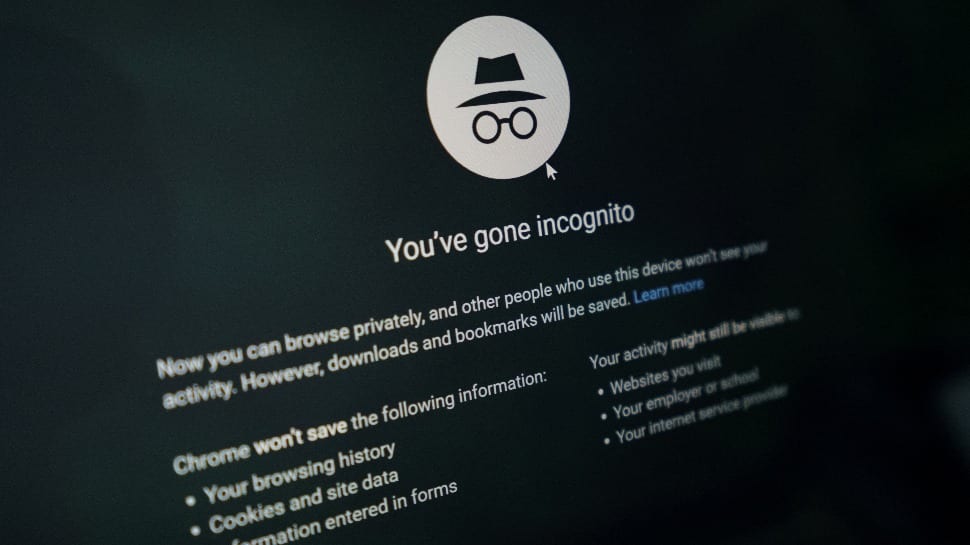
We should know by now that nothing is ever really private on the Internet, but a new lawsuit against Google might just reveal how not incognito Google Chrome’s Incognito Mode really is.
Google is facing a new lawsuit and court documents have unearthed conversations between Google employees who’ve joked about their own company’s misleading feature. According to Bloomberg, former employee Lorraine Twohill wrote to CEO Sundar Pichai, claiming that it’s time to “make Incognito Mode truly private.”
Another court document revealed that Google employees found the Incognito feature so misleading that they’d started making inside jokes out of it, with one employee saying that Google needs to “stop calling it Incognito and stop using a ‘Spy Guy’ icon.” In response, another employee sent a link to the Wiki page of Guy Incognito from the Simpsons, a character believed to be Homer in a lame disguise. The parallels to Google’s Incognito Mode were implied.

While most people might believe that Google Chrome’s Incognito Mode lets you browse the Internet untracked, the reality couldn’t be farther from the truth. Incognito Mode still tracks and extracts your data, and even lets some advertising partners view it. That might be why you’ll find advertisements for embarrassing items when you swore you viewed those products in Incognito Mode.
Your IP address isn’t hidden either, for that matter, so the “Incognito” function can be pretty much thrown out the window. What Incognito Mode can do is hide your history and cookies, but that’s about it.
The “private browsing” angle is a sham, and Twohill pointed out that Google’s been adopting “hedging language” to make Incognito appear more private than it really is. Still, Google isn’t completely in the wrong. The company states Incognito’s conditions in the fine print, and users agree to have their data tracked whenever asked.
The fact of the matter is, you agree to have your data tracked whenever you open the Google Chrome app and browse in normal or Incognito Mode. There’s no hiding from big brother even when you’re scrolling on R-18 pages in Incognito. But you might be able to achieve complete privacy outside of Chrome. If you’re really looking for a truly private browser, you might be better off with Brave and Tor to do your sleuthing. At least these browsers encrypt your activity and block trackers at every turn—especially if you’re a spy for Interpol…or maybe just really thirsty.
