
Viral: Lessons from Reesa Teesa's Story on Spotting a Pathological Liar

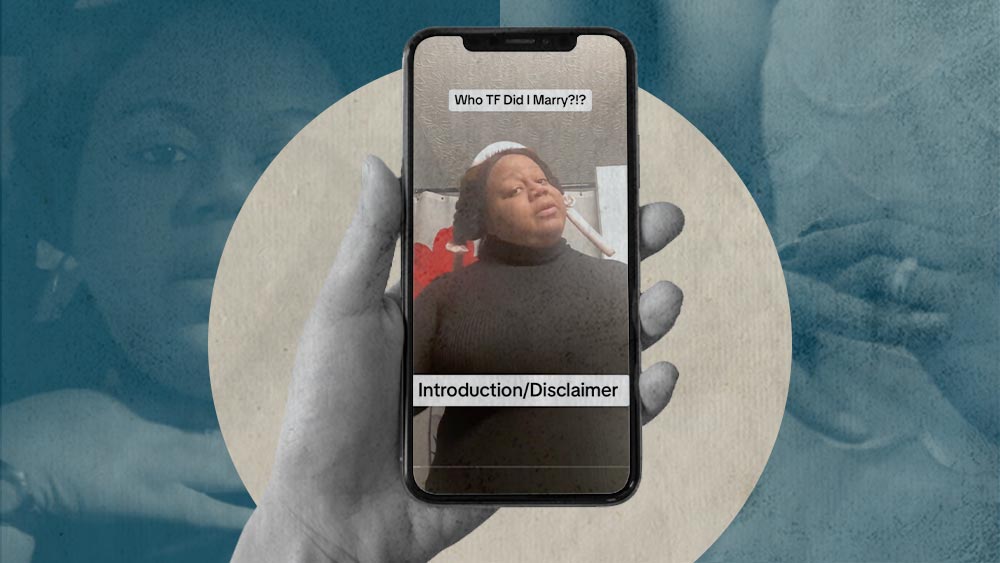
Reesa Teesa's 52-part TikTok series "Who TF Did I Marry?" has taken the internet by storm as she revealed her tumultuous marriage to a man she nicknamed "Legion." In the Bible, as Teesa pointed out, Legion refers to a group of demons that inhabited a man.
Teesa's posts, which garnered millions of views, chronicled the red flags she overlooked in her relationship with a man who presented himself as wealthy and successful but was later revealed to be a master manipulator and liar, engaging in controlling and bizarre behavior. Teesa's detailed recounting of her experience resonated with millions, transforming her into a viral sensation.
The story unfolds in the early days of their romance during the start of the COVID-19 pandemic, moving quickly due to shared desires for a serious relationship. However, Legion's fabrications about his financial status, professional accomplishments, and personal life begin to crumble, leading to the discovery of his true nature as a serial liar with a penchant for manipulation. Despite initial attempts to rectify the situation through marriage counseling, Teesa's investigations reveal a web of lies, including fabricated identities and non-existent careers.
ALSO READ:
Apparently, Husbands Are More Likely to Cheat If Their Wives Earn More Than Them
8 Filipinos Share Their Sex Horror Stories
Spoiler alert! In the end, Teesa made the decision to confront Legion about his numerous lies and threw him out of the house. This action marked the decisive end of their marriage, with Teesa choosing to prioritize her well-being and move forward from the manipulative and deceitful relationship.
After ensuring Legion was taken away by the police when he attempted to return, she proceeded with finalizing their divorce before Legion could be released from prison, seeking a fresh start away from the turmoil of their past.
With her TikTok post, Teesa aimed to raise awareness about the red flags of deceitful behavior and educate others on how to recognize and protect themselves from similar situations.
Following Teesa's viral story, Filipino licensed psychologist Riyan Portuguez created a video to teach viewers how to identify potential pathological liars and protect against them.
She differentiated two types of liars—compulsive and pathological. "Basically, with compulsive lying, it becomes a habit. And when lying, this person may feel discomfort, awkwardness, and guilt," she explains. "For someone who is a pathological liar, it goes beyond simple or habitual lying. Pathological lying has a deeper source, possibly stemming from narcissistic personality disorder or antisocial personality disorder." Pathological liars often lie with specific motivations, such as material gain or attention, which can undermine healthy, honest relationships.
How then can we protect ourselves and discern if someone, particularly a partner, might be a pathological liar?
Firstly, if something feels too good to be true, it likely is. "For example, if you don't fully know them, they don't share anything about themselves, and you can't spot any imperfections, it might be curated," she says.
Secondly, you may notice inconsistencies in their words and actions. Ask yourself, "Do their actions truly support what they're saying?"
Thirdly, if you confront them, they might dismiss your feelings, showing they can manipulate emotions to change your beliefs. They might also isolate you from important people, manipulatively controlling the narrative. "If you notice they overly impress those important to you but act differently in private, it's worth reevaluating," advises Portuguez.
Noticing a change in how you see yourself, or questioning your self-worth, may indicate manipulation, suggesting you're dealing with a pathological liar. Sharing your concerns with a trusted individual is vital for support and to validate your feelings.
"We might be right in our suspicions, or we might be the problem, but it's crucial to have a community supporting your relationship. Don't isolate your relationship from others. Be assertive in your communication, as lacking firmness can lead to persuasion."
If you recognize these warning signs, seek support from someone you trust. Remaining assertive and setting firm boundaries are key, as changing such individuals is difficult. Most importantly, recognize when to let go. If your efforts to repair the relationship only leave you feeling lost and doubting, with no prospect of a future, it's likely time to accept the situation and move on.
