
Today I Learned: Many Strokes Are Preventable—If You Recognize the Warning Signs

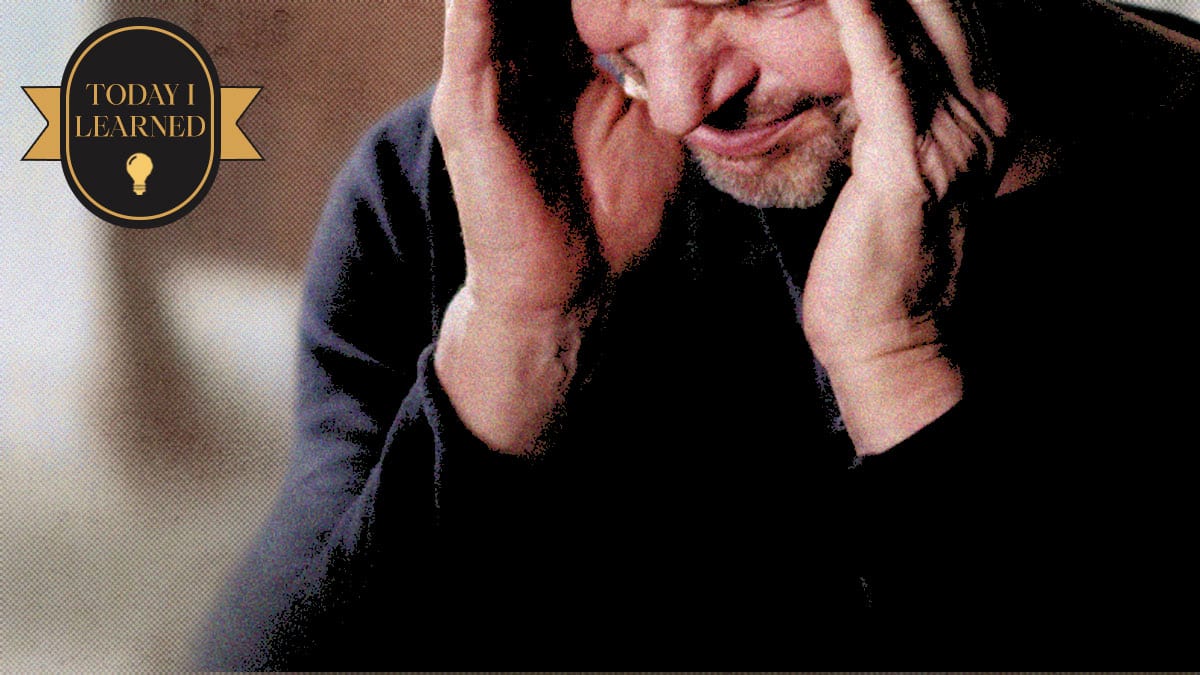
Stroke remains one of the leading causes of death in the Philippines, yet there still appears to be a scarcity of education about this killer. The average Filipino would either have little to no relevant knowledge about stroke, or hold on to long-held misconceptions that have no real scientific basis.
World Stroke Day, marked globally every October 29, seeks to raise awareness of stroke symptoms and the need to #ActFAST to help save more lives. In line with this recent observance, experts from the Stroke Society of the Philippines share essential information on stroke prevention, causes, treatment, and care.
Stroke Signs You Should Never Ignore
Dr. Ma. Cristina Macrohon-Valdez, MD: The acronym “BEFAST” serves as a helpful tool for recognizing the signs of stroke: B for Balance and/or dizziness, E for Eyes, pertaining to double or blurred vision, F for Face drooping, A for Arm weakness, S for Speech difficulties, and T for Time to call emergency services. Immediate medical attention is crucial when these symptoms are present, as timely care can reduce the potential long-term impact of stroke and increase the chances of a successful recovery.
The World Stroke Organization (WSO) underscores that stroke is a leading cause of death and disability worldwide, but many strokes can be prevented through lifestyle changes and awareness. In the Philippines, it remains the third leading cause of death and the leading cause of disability.
To address this, WSO calls on individuals and communities to educate themselves about the risk factors associated with stroke, such as high blood pressure, diabetes, cardiac arrhythmia, and smoking. By promoting both awareness and prevention strategies, WSO aims to decrease the global burden of stroke, improve care for stroke survivors, and encourage the public to act rapidly in the event of a stroke to ensure better health outcomes.
Dr. Ma. Cristina Macrohon-Valdez, MD, is the President of the Stroke Society of the Philippines. She is a vascular neurologist at St. Luke’s Medical Center Global City and Quezon City. She also serves as the Head of the Stroke Service at SLMC Quezon City and is the Principal Investigator of the Stroke Databank at SLMC Global City.
Hypertension and Its Hidden Dangers
Dr. Lina Laxamana, MD: Hypertension has beset the majority of Filipinos for decades. Both government and private organizations have meticulously launched numerous programs to combat hypertension, yet as we review the data from region to region, it remains a major cause of stroke and mortality. The Philippines’ reputation for serving some of the best cuisines in the world has become a double-edged sword, since the way we eat and what we eat determine how susceptible we are to hypertension.
A high-salt diet, physical inactivity, excessive alcohol intake, and genetics are all risk factors for hypertension. High blood pressure damages blood vessels, making their walls narrower and stiffer. Over time, these diseased vessels build up fats and plaques, leading to more blockage and eventual ischemic strokes. Uncontrolled hypertension likewise weakens blood vessels, increasing the risk of hemorrhagic stroke.
Chronic, untreated hypertension damages small vessels and—whether alone or combined with other risk factors like diabetes and dyslipidemia—increases the chance of cognitive decline or vascular dementia. Management is always a challenge. It therefore becomes necessary for people to adopt a health-conscious attitude and gain proper knowledge and recognition of hypertension as one of the major causes of stroke in the Philippines.
Dr. Lina Laxamana, MD, is the Second Vice President of the Stroke Society of the Philippines, Vice President of the Philippine Neurocritical Care Society, and Secretary of the Neurotrauma Society of the Philippines. She also heads the Neurocritical Care Unit and the Institute for Neurosciences at St. Luke’s Medical Center Global City.
ALSO READ
Today I Learned: Nighttime Scrolling Delays Sleep More Than a Double Espresso
He Sought Treatment for Cancer Abroad but His Visa was Denied. It was the Beginning of a Movement
How Diabetes Leads to Stroke
Dr. Muktader A. Kalbi: Diabetes mellitus, or simply “diabetes,” is a chronic condition in which the body either cannot produce enough insulin or cannot properly use it. Insulin is the hormone that helps control blood sugar (glucose) levels. Without it, glucose builds up in the blood instead of being used for energy.
Over time, high blood sugar damages the body’s blood vessels and nerves, affecting the heart, kidneys, eyes, and brain. People with diabetes are therefore at a much higher risk of developing cardiovascular diseases, including stroke.
The link between diabetes and stroke lies in the damage that high blood sugar causes to blood vessels. Constantly elevated glucose levels make arteries stiff and narrow due to plaque buildup, which blocks or reduces blood flow to the brain. This makes both ischemic stroke (caused by a clot) and hemorrhagic stroke (caused by a ruptured vessel) more likely.
Studies show that people with diabetes are about two to four times more likely to suffer a stroke compared to those without the condition. The good news is that this risk can be reduced through proper control of blood sugar, blood pressure, and cholesterol, along with healthy lifestyle habits like regular exercise, a balanced diet, and smoking cessation. By understanding this connection and taking preventive steps early, individuals with diabetes can protect not only their hearts but also their brains.
Dr. Muktader A. Kalbi is the National Public Relations Officer of the Stroke Society of the Philippines and the Treasurer of the Philippine Association of Vascular and Interventional Neurology. He is a board-certified vascular neurologist of the Philippine Neurological Association, the Chairman of the Brain and Spine Center at Zamboanga City Medical Center, and the Head of the Acute Stroke Unit at Ciudad Medical Zamboanga and the Electroencephalography Unit at Zamboanga Peninsula Medical Center.
Understanding Atrial Fibrillation and Stroke Risk
Dr. Jay Villavicencio, MD: Atrial fibrillation (AF) is a common heart rhythm problem in which the upper chambers of the heart (the atria) beat irregularly and often too fast. Instead of contracting in a coordinated way to push blood efficiently into the lower chambers, the atria quiver or “fibrillate.” This causes the heart to pump blood less effectively and allows blood to pool inside the heart, forming clots. If one of these clots travels to the brain, it can block blood flow and cause a stroke.
AF may feel like palpitations, shortness of breath, or fatigue, although some people may not experience symptoms at all. Common risk factors include high blood pressure, heart disease, diabetes, obesity, and excessive alcohol intake.
Prevention and management focus on reducing stroke risk and controlling the heart’s rhythm or rate. Doctors often prescribe blood thinners to prevent clot formation, along with medications or procedures to restore or maintain a normal heartbeat. Maintaining a healthy weight, controlling blood pressure, limiting alcohol, and staying active are essential.
In severe cases where AF leads to a stroke, a mechanical thrombectomy may be performed. This is a minimally invasive emergency procedure in which doctors use a catheter to physically remove the clot from a brain blood vessel, restoring circulation and preventing permanent brain damage. The best outcomes are achieved if it is done within six hours of stroke symptom onset.
Early recognition, treatment, and stroke prevention are key to living well with atrial fibrillation.
Dr. Jay Villavicencio, MD, is a Board Director of the Stroke Society of the Philippines and a member of the Board of Trustees of the Academy of Filipino Neurosurgeons. He is the Training Officer of The Medical City Neurosurgery Residency Training Program and is affiliated with several hospitals, including St. Luke’s Medical Center, Makati Medical Center, Cardinal Santos Medical Center, The Medical City, Asian Hospital and Medical Center, Manila Doctors Hospital, Ospital ng Makati, and Rizal Medical Center.
Smoking, Vaping, and Stroke
Dr. Jose Miguel Medrano, MD: Smoking traditional cigarettes is a well-established and significant risk factor for stroke. Nicotine and carbon monoxide in cigarettes damage blood vessels, leading to atherosclerosis (the hardening and narrowing of arteries) and increasing the likelihood of blood clots. This damage can affect the cerebral arteries, which supply blood to the brain, greatly increasing the risk of both ischemic stroke (caused by a clot blocking blood flow) and hemorrhagic stroke (caused by bleeding in the brain).
Furthermore, smoking elevates blood pressure, a major independent risk factor for stroke. Even secondhand smoke exposure is associated with an increased stroke risk, highlighting the systemic danger posed by the combustion products of tobacco. Quitting smoking is one of the most effective lifestyle changes an individual can make to immediately and substantially reduce stroke risk.
While often marketed as safer alternatives to traditional cigarettes, e-cigarettes (vaping) are not risk-free and, according to new research, are increasingly linked to adverse cardiovascular outcomes.
Vaping liquids typically contain nicotine, a potent vasoconstrictor that acutely increases blood pressure and heart rate, stressing the cardiovascular system. In addition to this, the aerosols contain various chemicals and ultrafine particles that cause endothelial dysfunction, or damage to the inner lining of blood vessels, similar to the initial damage caused by cigarette smoke.
Emerging research suggests that the use of e-cigarettes, especially among younger populations, is associated with a heightened risk of stroke, although the long-term effects are still under investigation. Current evidence strongly indicates that both smoking and vaping pose a measurable and serious threat to cerebrovascular health and elevate an individual’s lifetime risk of experiencing a stroke.
Dr. Jose Miguel Medrano, MD, is the Secretary and a Board Trustee of the Stroke Society of the Philippines, and the Secretary of the Philippine Neurological Association Stroke Council. He also serves as the Continuing Professional Education Officer and a Board Member of the Philippine Neurocritical Care Society.
