
Inside the Most Important Shark and Ray Areas in the Philippines

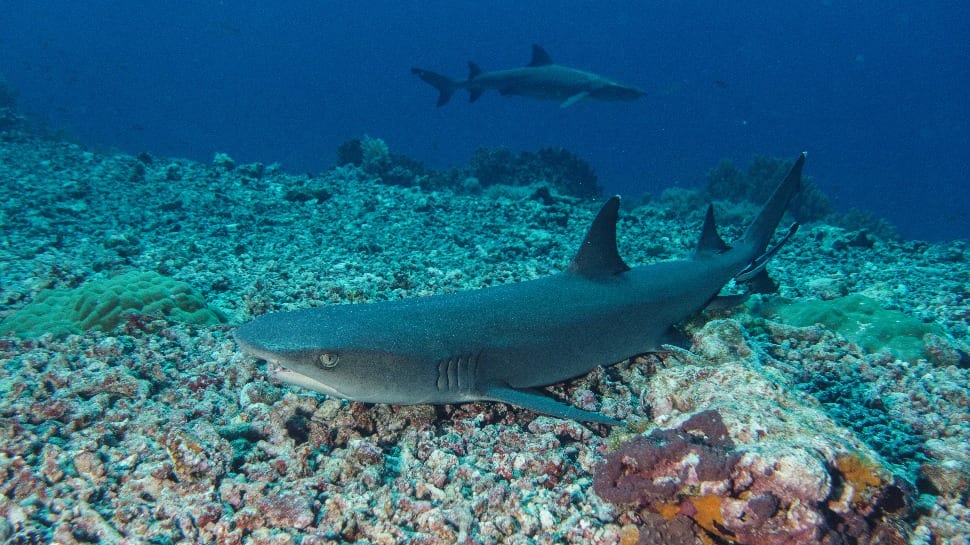
When it comes to targeted elasmobranch fisheries, the Philippines remains one of only three countries in the world thanks to the country's large, archipelagic Exclusive Economic Zones (EEZ). This means that it has access to large, pelagic species with valuable fins, offering items like shark liver oil and meat fisheries, among others.
A global initiative led by the International Union for Conservation of Nature Species Survival Commission (IUCN-SSC) Shark Specialist Group has the Philippines pegged as an epicenter for its critical habitats for sharks, rays, and chimaeras. Among the 11 “Important Shark and Ray Areas” (ISRA), six of them are especially noted for their increased importance over the years.
Led by the IUCN SSC Shark Specialist Group, ISRAs are defined as “discrete, three-dimensional portions of habitat, important for one or more shark, ray, and chimaera species, that are delineated and have the potential to be managed for conservation." ISRAs are a tool to guide the development and management of conservation strategies.
ALSO READ:
How Did the Janitor Fish End Up Surviving—and Thriving—in the Pasig River?
See Photos of the Stunning Underwater Marvels of Palawan's Tubbataha Reef
The new ISRAs identified in the Philippines.
The Large Marine Vertebrates Research Institute Philippines (LAMAVE) would spearhead the research for such, mapping out the most important critical habitats in the Philippines.
In Asia, there were roughly 200 preliminary Areas of Interest (AOI) considered during the regional workshop in Bali, Indonesia earlier this year. Only 122 of them would be approved as ISRAs. In the Philippines, these are:
- Binulbulan Island
- Bohol
- Danjuagan Island
- Honda Bay
- Monad and Kimud Shoals
- Puerco Island
- San Teodoro in Batangas
- Sogod Bay
- Ticao Burias Pass
- Tubbataha Reefs
- East Tun Mustapha (a transboundary area between the Philippines and Malaysia)
The six specific sites named, on the other hand, were key to the research conducted in Northern Palawan. This includes:
- Honda Bay and Tubbataha Reefs Natural Park in Palawan
- The Bohol Sea
- Sogod Bay in the Visayas
- Ticao Burias Pass in Southern Luzon
“While identifying these ISRAs is a crucial first step, there are more areas in the Philippines that are critical for sharks that lack collated data and dedicated research that should be considered in international maps and atlases like this.” Ariana Agustines, LAMAVE Program Manager for Sharks and Rays, explains in a statement.
