
What Can the Philippines’ Famous Beaches Learn from Bali’s Desa Potato Head?

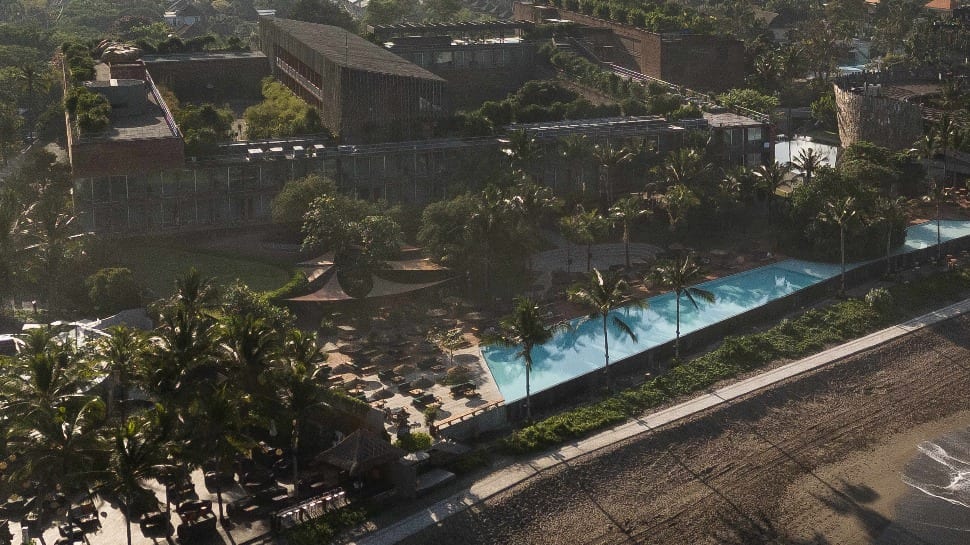
At least four typhoons hit the Western Pacific Ocean within a span of two weeks in the last quarter of 2024, affecting many parts of Asia, including the Philippines. This has been called an "unusual" occurrence by NASA and is obviously just one of the many indicators that climate change has gone beyond critical thresholds.
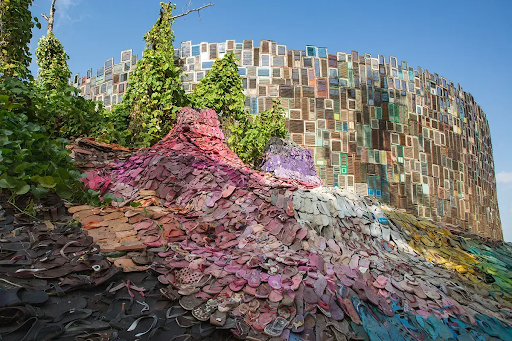
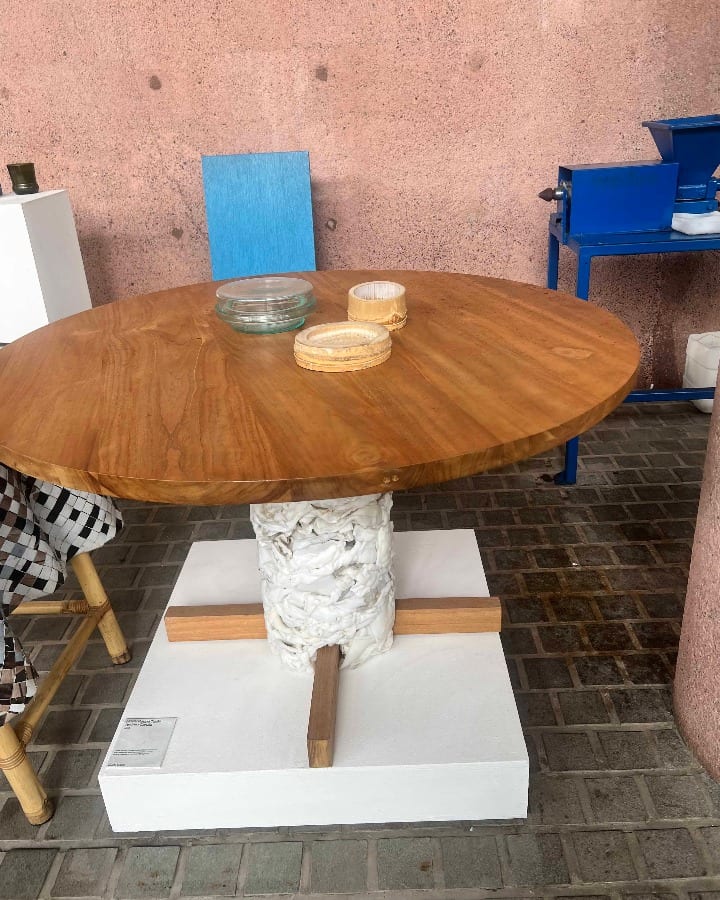
Huge Art Installations inside Desa Potato Head encourage conversations around regenerative hospitality
However, the alarm has been ringing for quite some time now. In 2018, Boracay’s closure sent a clear signal to the local hospitality industry to beef up sustainability efforts. At the time, about 85 percent of residential and business properties did not have proper, authorized sewage facilities in the island. Meanwhile, the devastation that super typhoon Odette left in Siargao and other parts of the country in 2021 will continue to be felt for years to come.
Since then, there has been a serious shift to genuine sustainable practices in many hotels, and resorts in the Philippines. What was once a checklist in their resume is now a vital part of their operations. However, the country’s overall regenerative efforts have yet to catch up, with reports of untreated waste due to the high volume of visitors all across many popular tourist destinations.
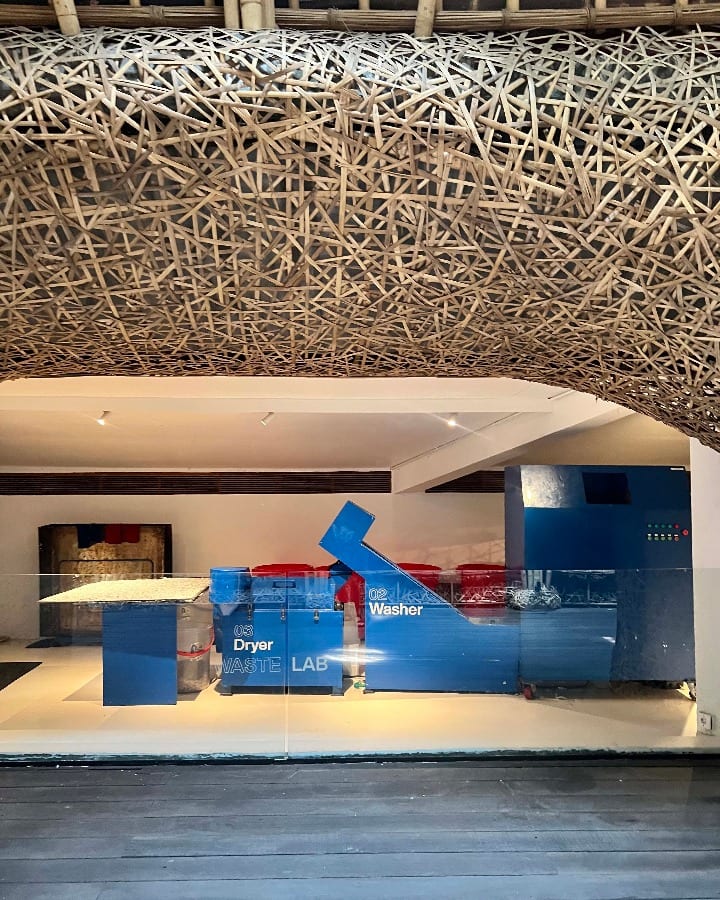
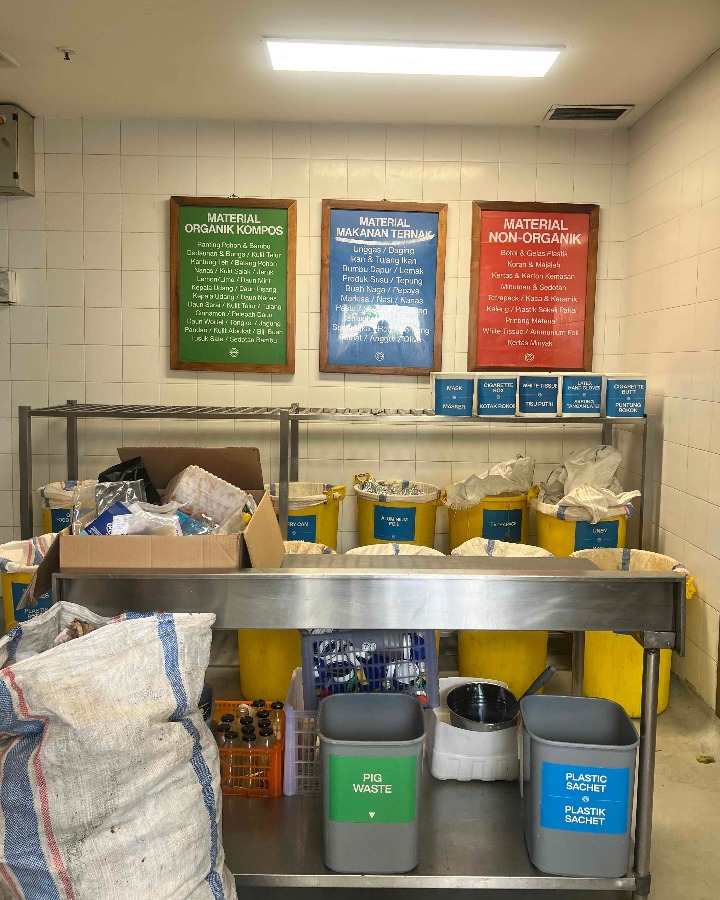
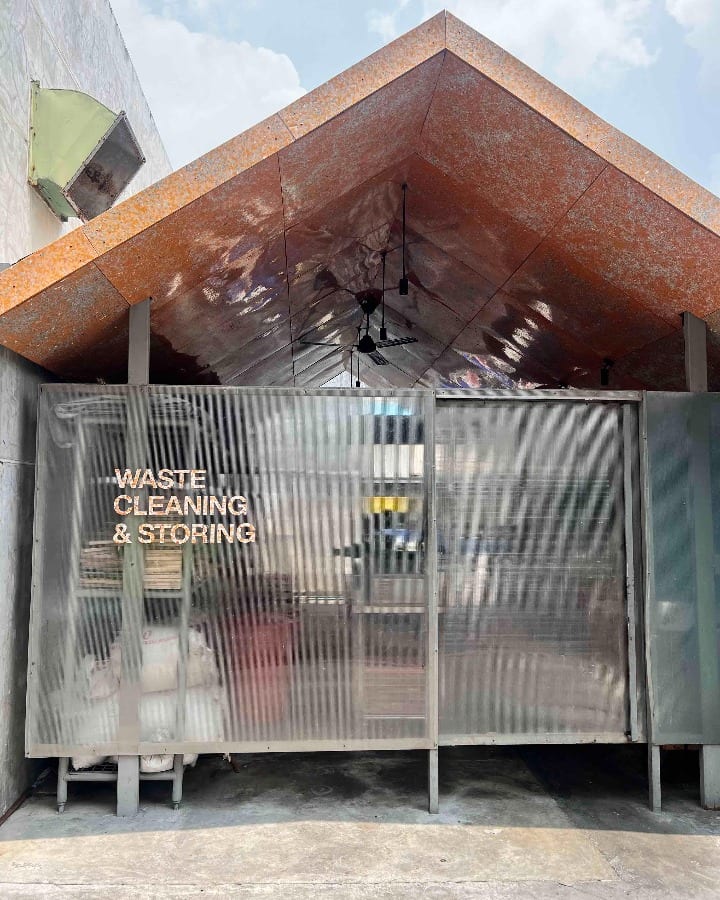
The property has dedicated space for segregation, storage, production, and its own Waste Lab where upcycled materials are made
The sustainability blueprint of Desa Potato Head in Bali, Indonesia may provide clues for operationalizing regenerative hospitality, with the property reporting that it has kept its landfill contributions to only three percent of its daily operational waste.
ALSO READ
Long Weekend in Bali: Meditate or Party? Forest or Beach?
10 Must-See Spots in Indonesia for Cosmopolitan Travelers
It takes a Desa
Desa means “village” in Indonesia. For Desa Potato Head, it’s not waste until it goes to the city’s landfill. The creative village was among the first to acknowledge Bali’s waste crisis many years ago and it has also led the implementation of waste-led design solutions in its operations.
In 2023, Potato Head welcomed 828,206 guests, who generated 489,699 kilograms of waste, of which only 2.9 percent went to landfills. To put that in perspective, an average of about 78 percent of the island’s 4- and 5-star hotels’ waste end up in landfills.
So where does Potato Head keep all that waste? In a nutshell, much of is reused or recycled. You can see most of it across the 225-room property—from the front desk, stores, studios and suites, and restaurants. They may be easy to miss because they blend into the property’s aesthetic in different forms and operations: as bracelets, hotel amenities and furniture, water glasses, tumbler caps and art installations.
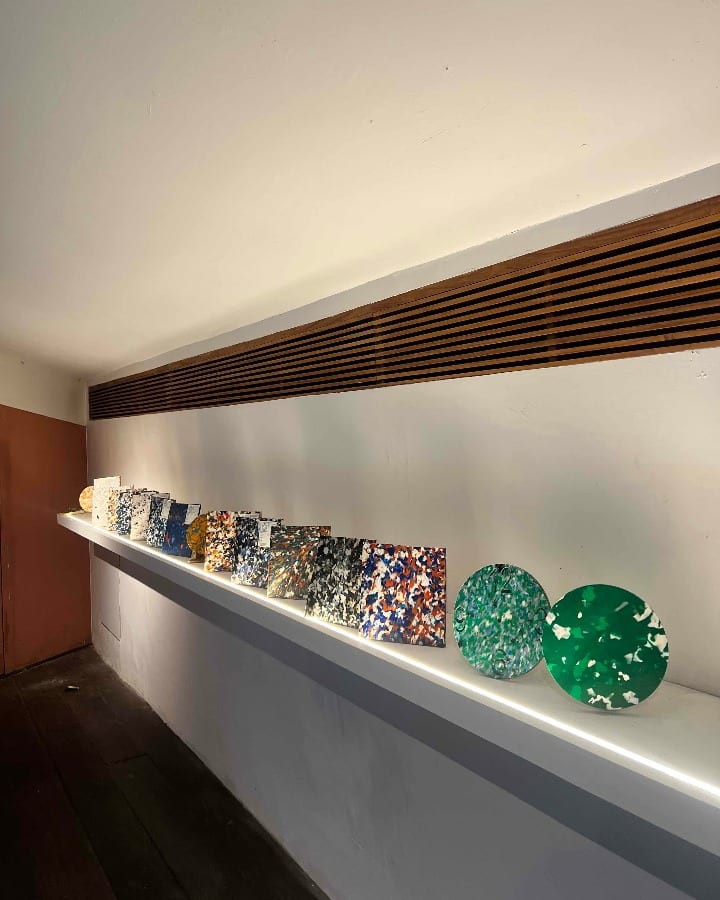
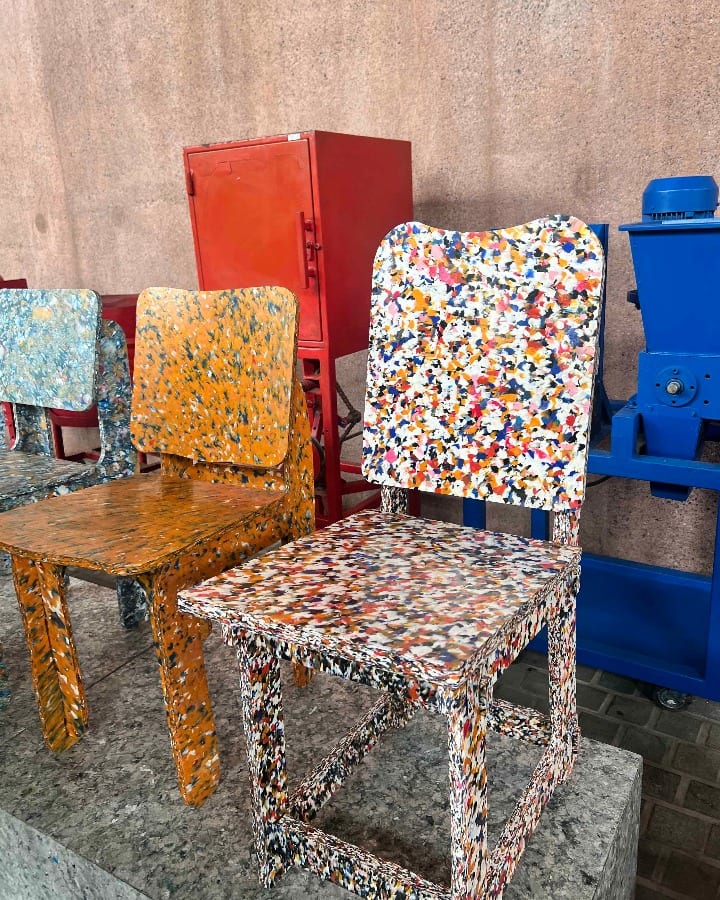
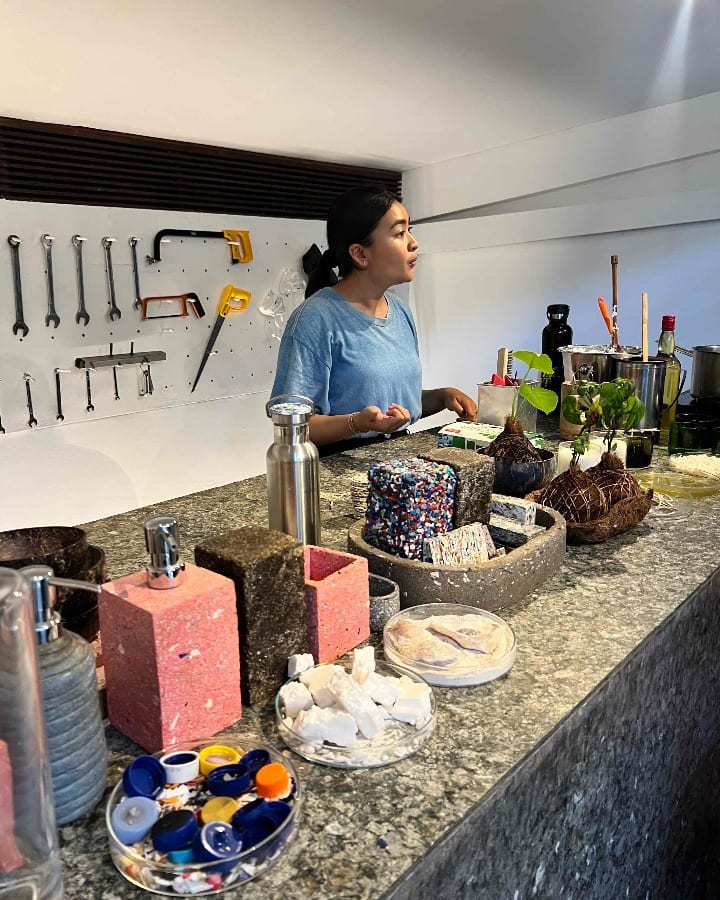
“We began by cleaning up our own house, our backyard, and learning to manage our waste to get as close to zero waste as possible,” co-founder and CEO at Desa Potato Head, Ronald Akili said.
Going on this journey around 10 years ago, the property has now a comprehensive sustainability department focusing on education, production, and research and development. A lot of resort activities around regeneration are open to guests, allowing them to contribute to the bigger cause, such as mangroves planting, recycling workshops, beach cleanups, and waste tours.
Central to its blueprint, Desa Potato Head processes most of its waste onsite, which starts in a segregation room that operates 24/7. The ones to be kept in-house are transformed into hotel amenities, candles and glasses, bracelets, chairs, and more. Its own Waste Lab, in collaboration with the hotel’s design and architecture, then use the extra materials to create new designs, colors, and materials.
Regenerative Hospitality
Travelers may have become increasingly more conscious of the environmental impact of their choices, but the truth is that luxury, cultural experiences, and arts remain their main motivators, which make genuine sustainable tourism a key challenge in the industry.
“Our mission towards going zero waste has been a big part of what we're doing and we want to express that not just through numbers and data,” Desa Potato Head Creative Chief Officer Daniel Mitchell said. “We want to showcase how the power of design and art can be vehicles of change so the core of regeneration for us how do we essentially change the perception of waste so it can become of high value.”
Pointman: River Warrior, made out of 888kg of plastic waste from Bali, is a symbol of the property’s narrative that sustainability can be beautiful
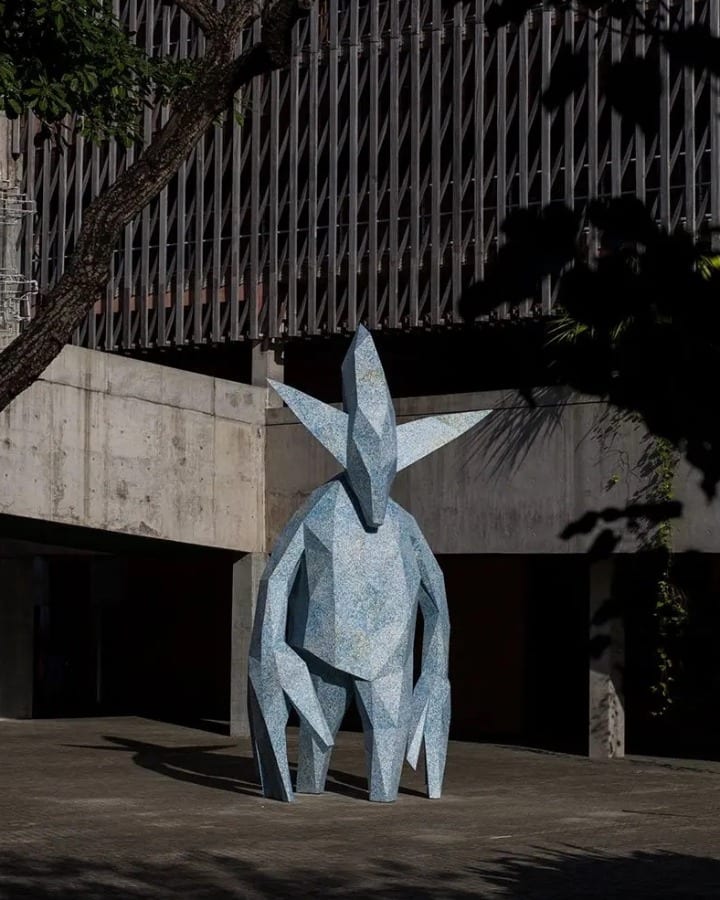
The property, beyond sustainability, has shifted to the concept of regeneration, incorporating culture, music, luxury and sustainability into one village. “We want people to come here and feel nourished, have a good time and then as a ripple effect, as soon as you start feeling better then it will affect people around you such as your family or your community and hopefully you can then make changes within the environment as well. So it's all interconnected,” Mitchell added.
Potato Head has evolved from a beach club to a well-rounded community by continuously advancing its cultural initiatives and pursuing its goal of having zero-waste operations.
“We didn’t want to be like another hotel or another beach club, although we do that as well. We wanted to really kind of showcase like a new way of living and for us that's all about making progress within a cultural setting but also making sure that we're living a balanced lifestyle and we're taking care of each other,” said Mitchell.
Potato Head as a Cultural Platform
Klymax Discotheque, an underground space, hosts a unique party scene in Bali
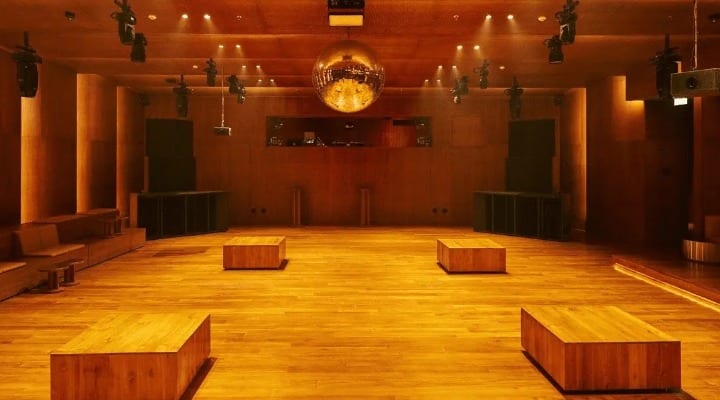

By centering its operations around the concept of regeneration, Desa Potato Head has become a sustainable hub for art, music, and culture. Its Beach Club, which it was popularly known for, continues to resonate with the overall creative vibe of Bali, offering a blend of leisure, luxury, and culture.
The property also augmented its cultural footprint by building Klymax Discotheque, an underground space designed for better appreciation of music and dance. Mitchell said, “We’ve always had the beach club where we do parties and it's under the sun, it's beautiful. But we never really had a space that was contained where you could really achieve true transcendence without any distractions from the outside world so Klymax was our way of doing that.”
Built brick by brick by DJ Harvey and sound engineer George Stavro, this space contains an unique auditory experience that feels completely isolated from the rest of the island.
“We wanted to create something that was very puristic, that goes back to the source of real dance music but could still play the music of today and of the future, and that would essentially become a real hub for the global music scene,” Mitchell added.
Klymax Discoteque is set to mark its first anniversary by hosting the new year’s eve celebration on December 31 which will feature DJ, producer and global scene provocateur DJ Harvey, who will be on all night long.
Expanding the Blueprint for Sustainability
Potato Head has already accomplished so much, but it’s far from done. Bali is still grappling with a severe waste management crisis, with over 52 percent of its waste mismanaged and a significant portion ending up in landfills.
With the ambitious goal of reducing landfill contributions of businesses to just five percent, Mexicola Group, Potato Head Family, and Total Bangun Persada, launched the Community Waste Project along with partners like Brunch Club, Finns, Kynd, Lemongrass, and Peppers. This aims to set a new benchmark for sustainability across Indonesia’s hospitality sector.
“Making a significant change in Bali requires the power of community coming together,” Akili said “We're excited that so many of our neighbors are part of this collective, and we hope this work inspires others to join the journey.”
The long-term goal is to create a sustainable waste management model that can be replicated across Indonesia, where many regions face similar environmental challenges.
Inspiring Change in the Philippines Tourism Sector
One thing the Philippines can learn from Desa Potato Head’s approach is that sustainability shouldn’t be an isolated effort or PR afterthought, but must be seamlessly integrated into the businesses’ core operations.
In the context of climate change, businesses in the Philippines, being vulnerable to destructive typhoons and extreme weather conditions, have a critical opportunity and responsibility to put business aside and unite to lead the initiatives and conversations around sustainable tourism and long-term resilience.
