
DOT Supports Proposal for a Schengen-Like ASEAN Visa

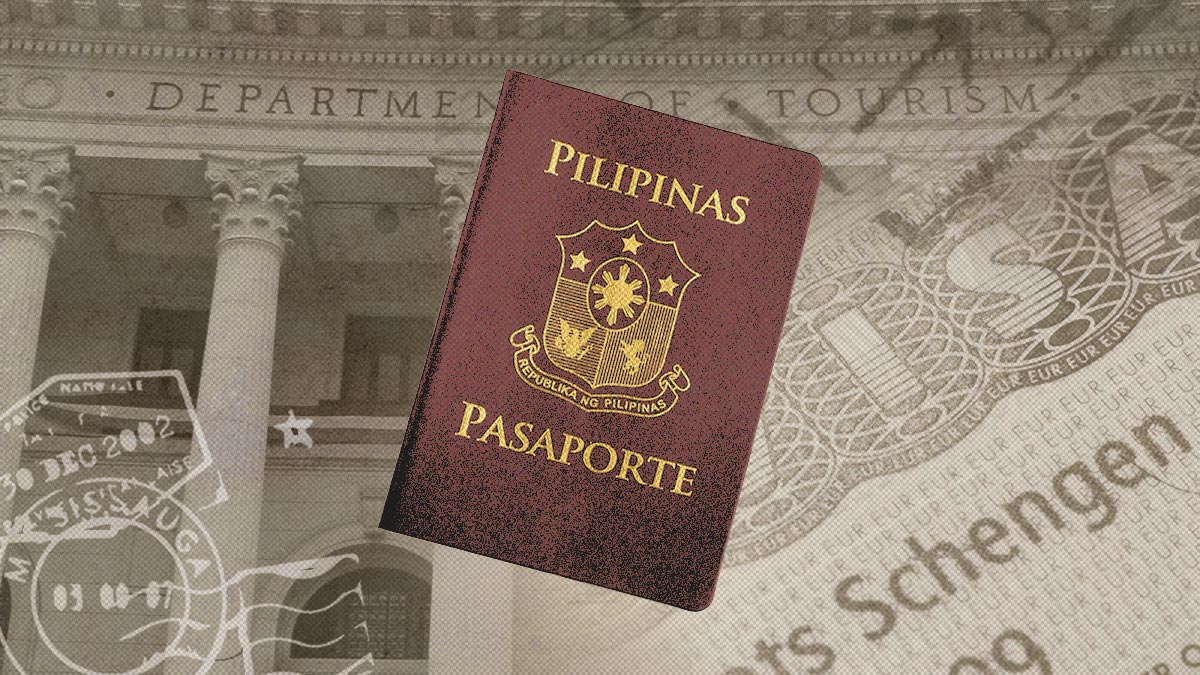
The Philippines is supporting a unified visa system for ASEAN member nations, aiming to streamline travel and boost tourism across Southeast Asia. Tourism Secretary Christina Garcia Frasco highlighted this initiative at the recent Skift Asia Forum 2025 in Bangkok, emphasizing that a common visa aligns with ASEAN's vision of being "A destination for every dream," as is its tagline.
"And the ASEAN visa certainly is part of that dream. To be able to unify the ASEAN as a destination in terms of the strength of its natural assets, its unparalleled warmth and hospitality as a people, and as a culture. And in terms of the quality of experiences that we are able to offer, is one that is aspirational for us in the Philippines. And as a Minister of Tourism, it is a proposition that I have tried to make at every opportunity. I am glad to hear similar interest from our fellow ASEAN nations, and we are very hopeful that the subject matter will again come up as the Philippines hosts the ASEAN in 2026," Frasco said.
This concept, drawing inspiration from the European Union's Schengen visa, was initially proposed by Thai Prime Minister Srettha Thavisin in 2024. If implemented, it would allow tourists to visit nine ASEAN countries for up to 90 days on a single visa, potentially fueling significant economic growth in the region.
ALSO READ:
The Philippines Is Dead Last in the Ranking of Smartest Countries in ASEAN
No Finger Pointing, and Other Things Considered Taboo at ASEAN Gatherings
Tourism Rebound and Diversification Efforts
ASEAN collectively welcomed over 121 million international tourists last year, a strong recovery despite still being 15.5 percent below pre-pandemic 2019 figures. The Philippines contributed 5.9 million arrivals in 2024 and aims for 8.4 million this year.
Beyond promoting regional unity, the Philippines is actively diversifying its tourist source markets. Frasco pointed out the lessons learned from the country's previous heavy reliance on Chinese tourists, who numbered 1.7 million in 2019. This has led to a strategic shift towards markets like the Middle East, GCC (Gulf Cooperation Council), and India, while also strengthening ties with established markets such as South Korea, Japan, the United States, and Europe.
This diversification comes amidst diplomatic tensions and a suspension of the e-visa program for mainland China due to concerns over the West Philippine Sea and increasing criminal incidents involving Chinese nationals. In contrast, several other ASEAN economies have maintained visa-free entry for Chinese citizens, contributing to their own tourism growth.
Philippine data from 2024 shows 312,222 tourists from China, an 18.34 percent increase from 2023. Visitors from the Middle East reached 94,219 in 2024, a significant jump of nearly 28% from 2019. While Indian tourist numbers in 2024 were 79,000, a decrease from 134,963 in 2019, the Department of Tourism (DOT) is working to attract more Muslim visitors through a revitalized halal program, and the Department of Foreign Affairs has launched an e-visa program in India.
ASEAN Collaboration Over Competition
Frasco emphasized the importance of collaboration over competition within ASEAN, citing successful initiatives like the "Two Countries, One Destination" program with Thailand. "Competition is always very healthy, but collaboration is healthier in the sense that ASEAN coming together to work as a force for good for the world would really benefit all of our countries," she remarked.
Thailand's Vice Minister for Tourism and Sports, Jakkaphon Tangsutthitham, echoed this sentiment, expressing a desire for more direct flights between the two nations, specifically from Cebu to Phuket and Koh Samui, and potentially from Palawan or Baguio to Chiang Mai. He also highlighted interest in joint promotions spanning food, culture, and activities like scuba diving, suggesting "sister-city" agreements and collaboration on in-flight services to promote each other's culinary offerings.
