
Nagasaki and Hiroshima: From Tragedy to Reconstruction

"Sixteen hours ago, an American airplane dropped one bomb on Hiroshima, an important Japanese Army base. That bomb had more power than 20,000 tons of TNT. It had more than 2,000 times the blast power of the British 'Grand Slam,' which is the largest bomb ever yet used in the history of warfare.
The Japanese began the war from the air at Pearl Harbor. They have been repaid many fold. And the end is not yet. With this bomb, we have now added a new and revolutionary increase in destruction to supplement the growing power of our armed forces. In their present form, these bombs are now in production, and even more powerful forms are in development.
It is an atomic bomb. It is a harnessing of the basic power of the universe. The force from which the sun draws its power has been loosed against those who brought war to the Far East."
- Harry Truman (33rd United States President)
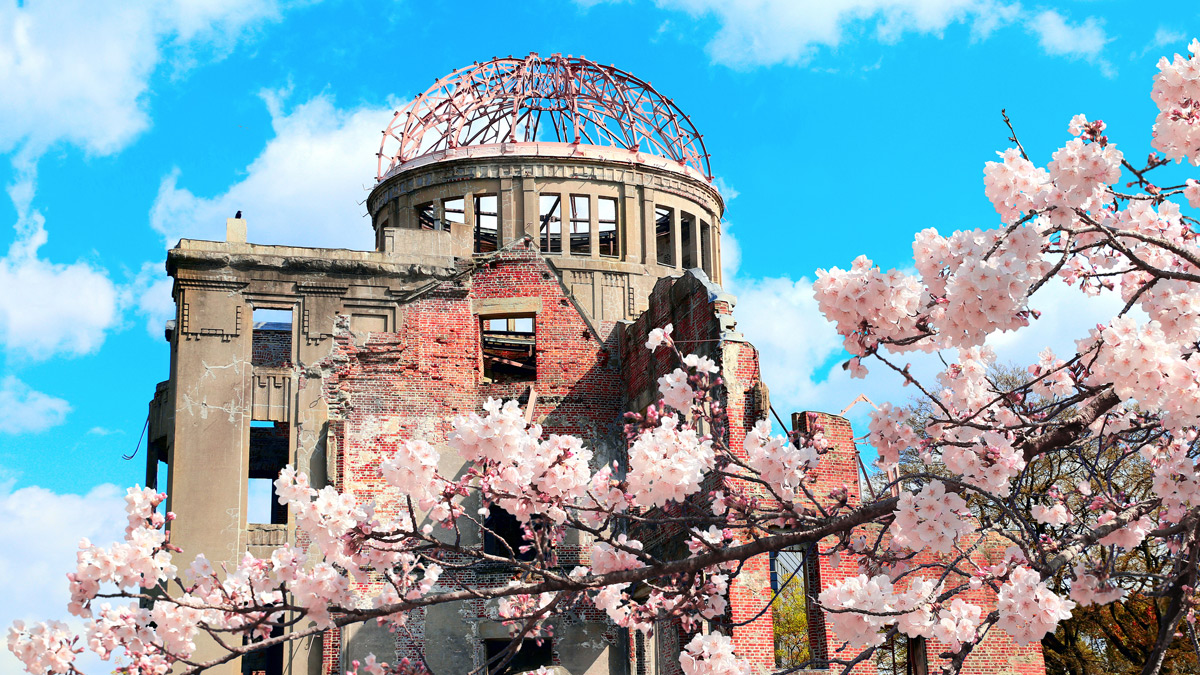
On August 6, 1945, the Enola Gay dropped Little Boy on Hiroshima. Upon detonation, the bomb seared the city with a temperature of more than 7,000 degrees Celsius. The blast killed thousands instantly, with many left as "nuclear shadows" on the spot where they died and levelled two-thirds of the city. A few days later, on August 9, 1945, Bockscar flew over Nagasaki and dropped another atom bomb, Fat Man. The devastation killed thousands more and destroyed a substantial part of the city. These bombings triggered a sequence of events such as the surrender of Japan, the Cold War, and the debate about the use of nuclear energy. The bombs and subsequent radiation led to the slow death of some of the survivors. Despite the tragedy the two cities endured, both are now thriving cities that attract all types of tourists from apologetic veterans and their families to historians to activists to casual visitors looking to visit more places in Japan.
The devastating stain of the atomic bombs will never go away. Hiroshima and Nagasaki want the memories as a reminder of the negative effects of using nuclear energy for the wrong reasons. However, there's more to see in these two historic destinations that rose from the ashes.
ALSO READ:
The Days: The Story of the Fukushima Nuclear Disaster and Netflix's New Drama
Revisiting Nagasaki 75 Years After the Atomic Bomb Drop
The Port City of Nagasaki
Nagasaki's location made it an ideal port of entry to Japan and trade relations with the country's Asian neighbors. It was one of the few ports that allowed foreign traders during the country's period of isolation. In the 16th century, European traders (specifically the Portuguese) introduced Christianity and guns to the Japanese. During this time, the shogunate deemed the new religion a threat to its authority and control. They began persecuting Christians, which led to the martyrdom and crucifixion of ordinary Japanese and Franciscan missionaries. These tensions led to the expulsion of Westerners except the Dutch. For more than two centuries, Nagasaki was the gateway for Western science and technology in Japan. By the middle of the 19th century, the city fully reopened to Westerners. The succeeding development enabled Nagasaki to become a trade and shipbuilding powerhouse in the region.
Oura Church
A French missionary had this church built in the 1860s. It commemorates the memory of the martyred Christians back in 1597. It is also one of the oldest churches in the country.
Dejima
This man-made island dates to the 17th century. The Japanese authorities at the time had it built to control and monitor the Portuguese missionary activities and segregate them from the locals. When they expelled the Portuguese, they moved the Dutch to Dejima to restrict their activities during the country's period of isolation.
Glover Garden
Glover Garden is one of the symbols of Japan's early industrialization. Scottish merchant Thomas Glover moved to Nagasaki in the 1850s when the city opened its doors to foreigners. You can visit the Former Glover House and see the other mansions where foreigners lived when you visit Glover Garden. These merchants brought in their expertise and experience in industries such as mining and shipbuilding, just to name a few. You can get overlooking views of the city's harbor from the garden.
Mount Inasa
After a day of exploring the city, I was eager to go up Mt. Inasa. I've read that the observation deck provided spectacular night views of Nagasaki. I made my way to the ropeway along with other passengers waiting for our turn to go up the mountain. I immediately made my way to the deck and soaked in the views. The night lights reminded me of a constellation. It was the perfect way to end my day.
Nagasaki has risen out of the ashes of the atom bomb, but it doesn't want people to forget the devastation it caused.
Nagasaki Peace Park
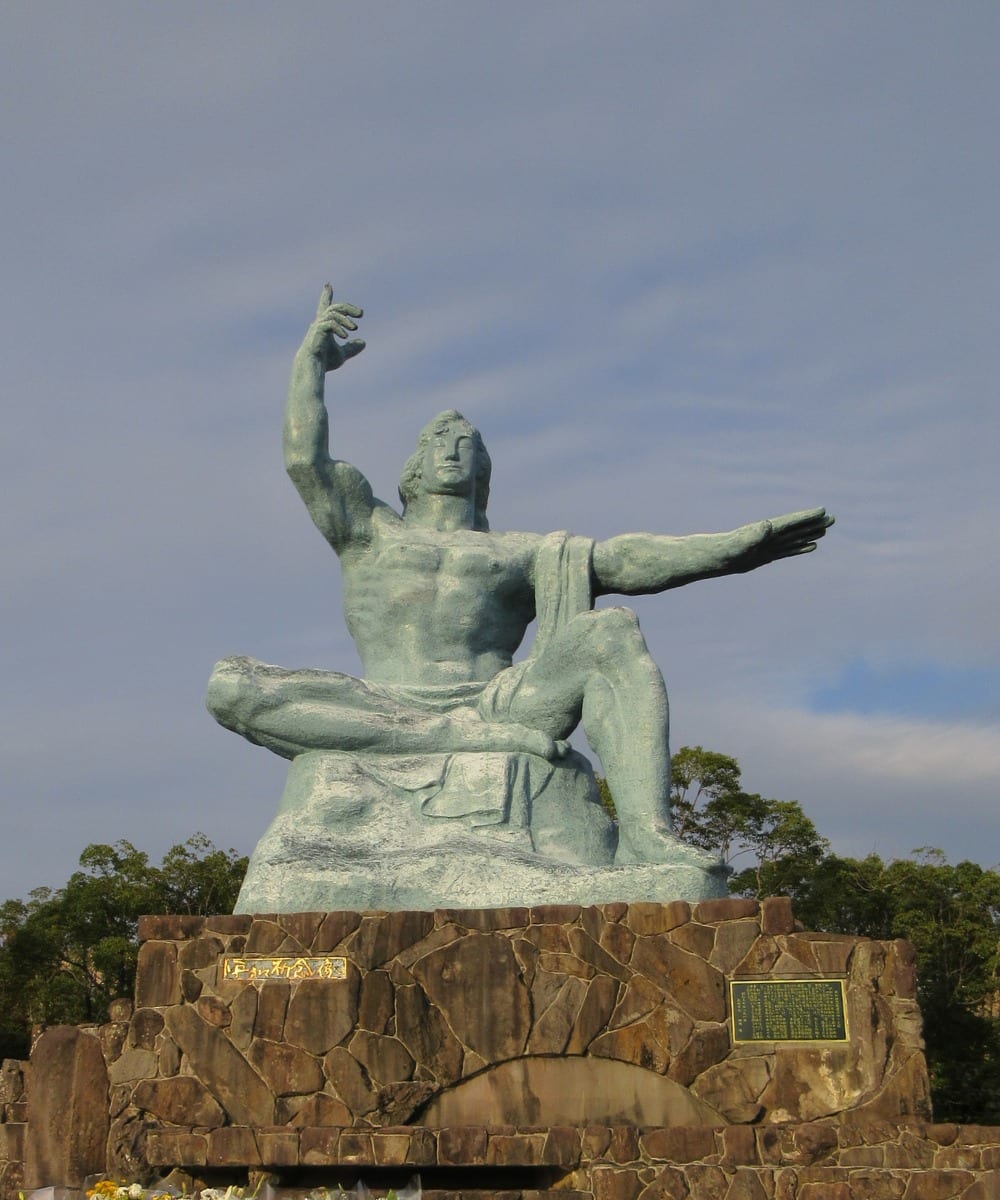
The Peace Park is a monument that memorializes the thousands of residents who died when the US dropped the atomic bomb on Nagasaki. While exploring the park, you can visit the bomb's epicenter marked by a black monolith. Spend some time in the Nagasaki Atomic Bomb Museum. The latter has displays and exhibits about the bombing and horrors of war.
Nagasaki Peace Park
Urakami Cathedral
This cathedral barely survived the atomic bomb's explosion as it was less than a kilometer away from the hypocenter. You can see vestiges of the blast and the remaining relics from the old church when you visit. Much like the city, the church underwent a revival and reconstruction. Its modern iteration dates to 1959.
Historic Hiroshima
Like Nagasaki, Hiroshima survived the ravages of war and has turned itself into a highly urbanized and developed city, which is home to Mazda Motor Corporation and heavy industries that produce ships, vehicles, and steel, just to name a few. It has an extensive rail and road network that makes it a convenient destination for tourists and a regional hub for business. It's an example to visitors that one can survive and thrive after one of the most tragic events in history.
Hiroshima Peace Memorial Park and Museum
Much like its counterpart in Nagasaki, this Peace Park in Hiroshima is a symbol of peace and commemorates the lives lost after the atom bomb's detonation. It has beautiful landscaped gardens, monuments, and museums. Learn more about the day of the bombing and other exhibits related to it when you visit.
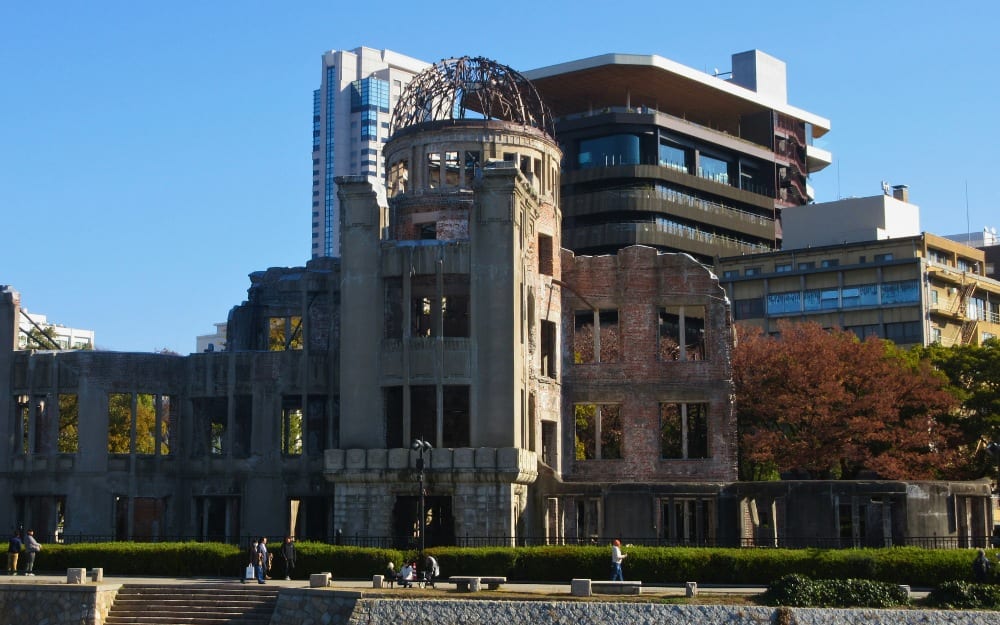
Hiroshima Peace Memorial (a.k.a. Atomic Bomb Dome)
Itsukushima
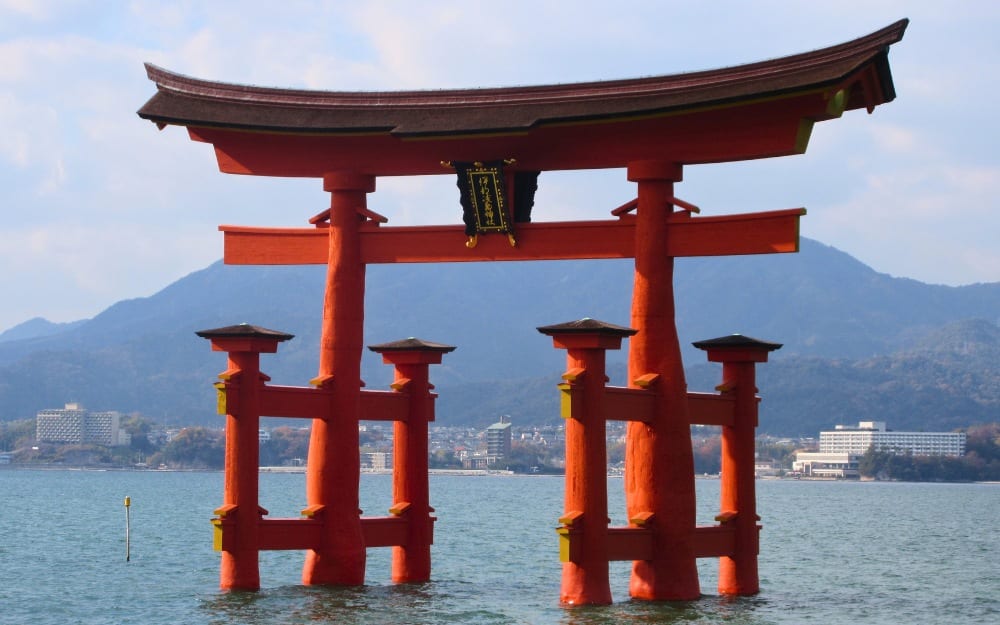
Miyajima is a popular day trip whenever one visits Hiroshima. Here you'll find the sacred and historic Itsukushima Shrine. The shrine seamlessly blends with the coast and seascape, creating a picturesque backdrop. Its main draw is the torii gate that looks like it's floating on the water. You can visit the other shrines, halls, and gardens during your visit. The area is tourist and pedestrian-friendly with plenty of shops and restaurants.
Itsukushima Shrine
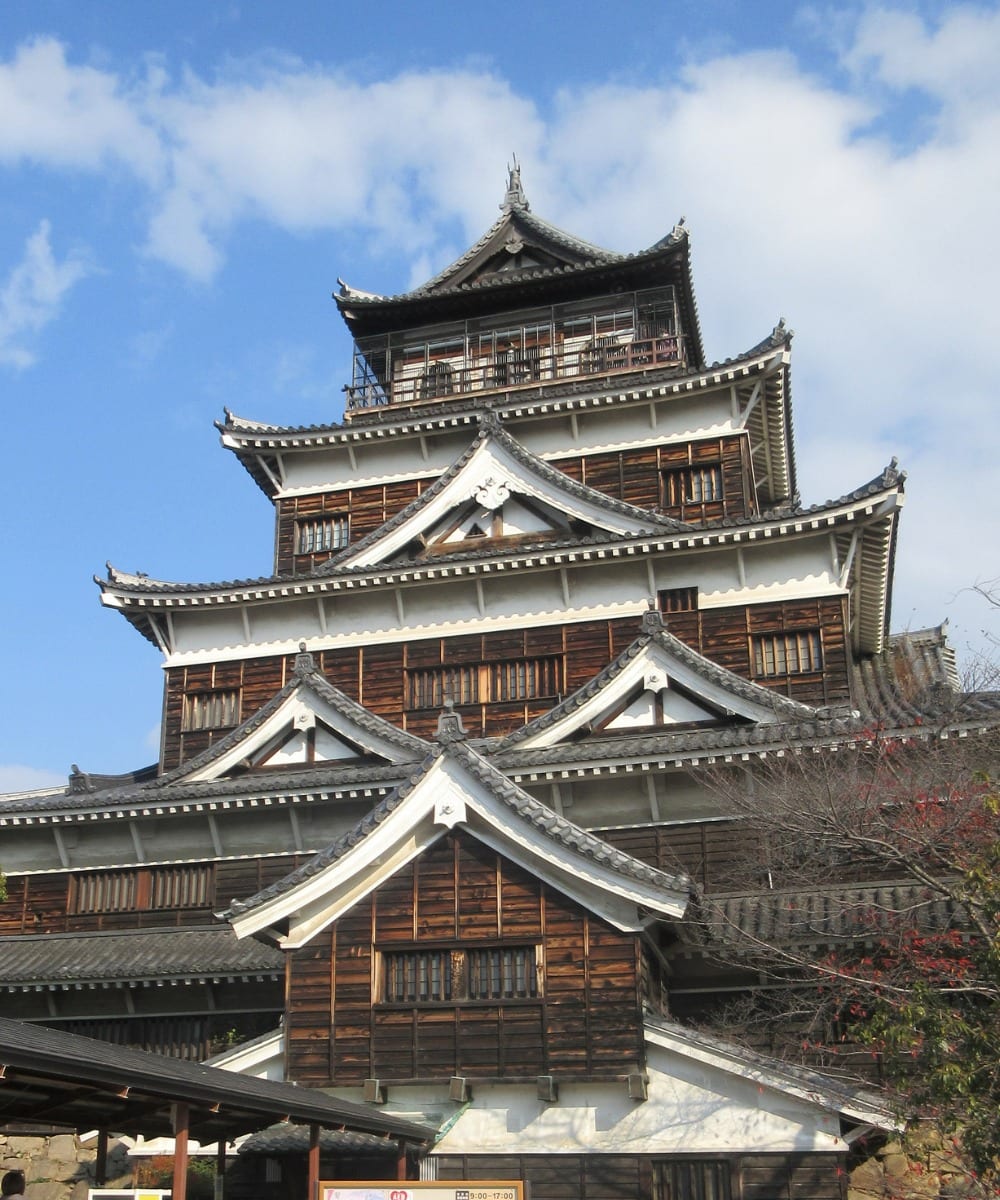
Hiroshima Castle
The history of the castle dates to the 16th century. Also known as "Carp Castle," it grew into a castle town as the city developed economically and gained more influence during ancient times. Like a substantial part of the city, the atom bomb levelled the castle. Reconstruction took place and finished more than a decade after the destruction.
Hiroshima Castle
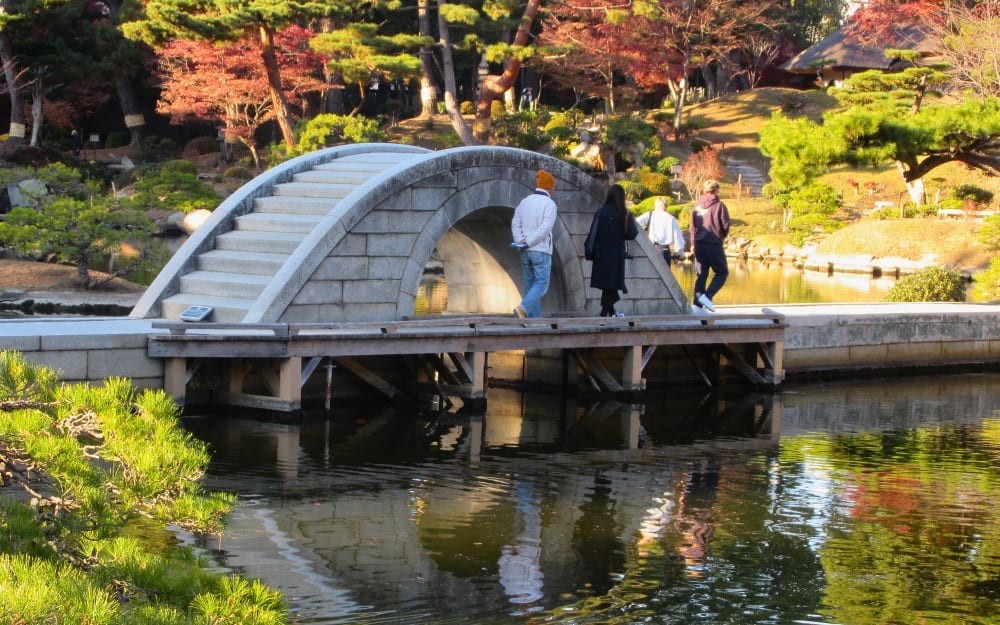
Shukkei-en Garden
Amid the bustling urban jungle of Hiroshima is a beautiful landscaped garden. Shukkei-en means "shrunken-scenery garden" in English. The garden has a centuries-long history dating to the early 17th century. The garden is a miniature representation of forests and mountains. You can spend an hour or so here just taking leisurely strolls, thinking, and relaxing.
Shukkei-en Garden
The dual use of nuclear energy (for good and/or bad) will be a topic of endless arguments and politicking. However, Hiroshima and Nagasaki have a history beyond the catastrophic events that ended World War II. Both are noteworthy destinations that have plenty of attractions and things to do for the casual visitor and history buff.
