
Revisiting Nagasaki 75 Years After the Atomic Bomb Drop

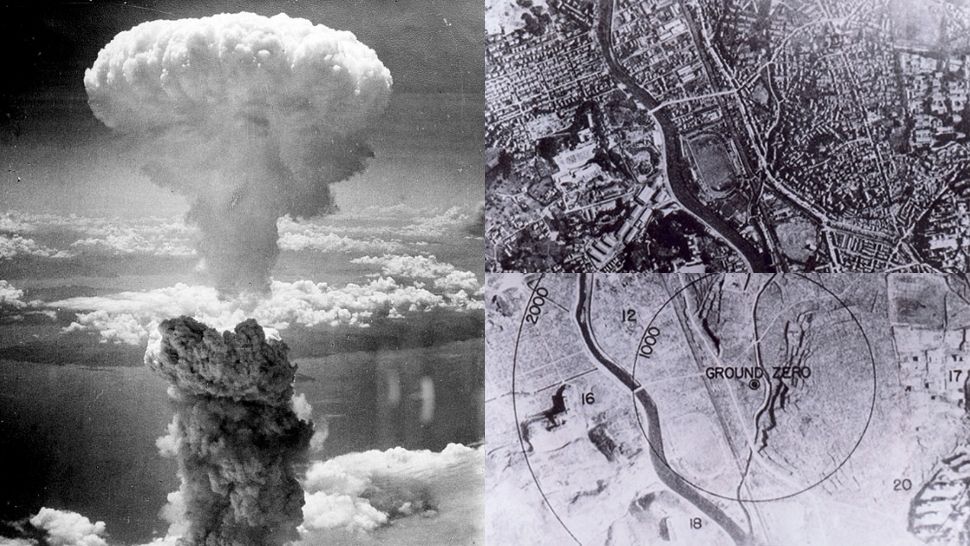
Seventy-five years ago, the United States of America dropped an atomic bomb on the Japanese city of Nagasaki and the memory of the carnage still lives to this day. In an instant, almost 80,000 souls were snuffed out, just a little less than the atomic bomb that destroyed Hiroshima three days earlier on August 6, 1945.
Top story: Watch Your Grammar: 28 Most Interchanged English Words
The bombing of Hiroshima and Nagasaki is still a hot topic of debate to this day. Many Americans defended the bombs as necessary to force Japan to surrender and stop the war that already killed millions worldwide. Meanwhile, opponents of nuclear warfare argued that the second bomb over Nagasaki was unnecessary as the former empire was getting ready to surrender anyway after the devastation in Hiroshima. Some notable opponents of the decision to use nuclear weapons were Albert Einstein and Douglas MacArthur.
Even U.S. General Curtis LeMay, the official in charge of air operations over Japan, said that they would have been prosecuted as war criminals for their actions had they lost the war.
Of the 80,000 that died in Nagasaki, only around 150 were Imperial soldiers. The remaining victims were civilians—men, women, and children whose sons and siblings had been conscripted in the war. The brutality of the Imperial soldiers was known throughout the world, further proof that slaughter only breeds more slaughter.
For those who survived, the trauma didn’t stop at the bomb. Called the “hibakusha,” the survivors would feel the disturbing effects of the nuclear bomb’s radiation for years to come. To date, the Nagasaki atomic bomb is the second and the last nuclear attack in human history. And may it stay that way.
For in any war, while it might be the men in uniform calling the shots, it’s often the civilians who must pay the price.
The Hiroshima bomb (left) and Nagasaki bomb, as seen from the sky

Aerial shots of Nagasaki, before and after the atomic bomb razed the city on August 9, 1945
.jpg#/media/File:Nagasaki_1945_-_Before_and_after_(adjusted).jpg)
The bomb detonates over the city, unbeknown to most civilians

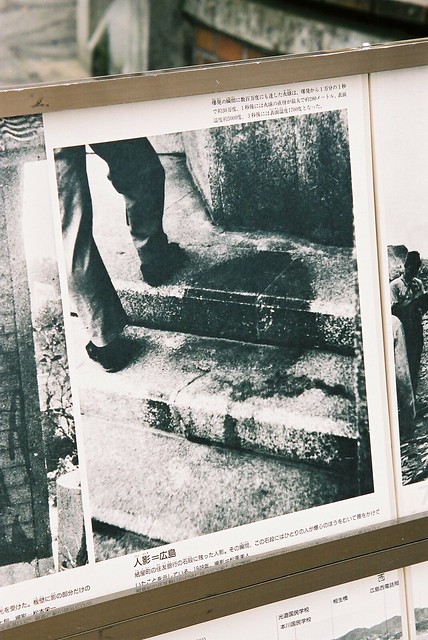
The remains of a person who was eviscerated on the spot after the bomb hit
Smoldering ruins of Nagasaki, just 700 meters from ground zero

A survivor of the bombing was scarred with burns that correspond with the patterns of her kimono as a result of the intensity of the blast

A Buddhist statue survives the destruction, albeit a little battered

Nagasaki, a city razed to the ground

Only a handful of buildings survived the blast

A memorial now stands at the hypocenter of the blast

Peace lanterns are lit to commemorate the atomic bombing of Nagasaki, a reminder of the consequences of war

