
Which Countries Approved the Most Number of Schengen Visa Applications from Filipinos?

Europe has long been a favorite travel destination for many Filipinos. And despite the visa requirement to enter most of the countries in the European Union, Filipino travelers continue to fly there to visit some of the world’s most famous tourist landmarks.
In 2022, Filipinos filed a total of 152,817 Schengen visa applications, according to data from Schengen statistics cited by travel site VisaGuide.World. That number was enough to put Filipinos at 13th place in the list of countries that have filed the most number of Schengen visa applications in the world.
ALSO READ
Which Country Issued the Most Schengen Visas to Filipinos?
Here's How You Can Go to Canada Without a Canadian Visa
Nearly 70 percent (68.9 percent, or 143,629) of those applications resulted in visas being granted.
The Schengen statistics site revealed some interesting facts about Filipino visa applicants to Schengen states.
For example, the European country that Filipinos lodged their Schengen visa application the most is the Netherlands, with 45,354 visa requests in 2022. Of that number, 95.7 percent (43,387) were approved, with 1,535 applications rejected.
At number two and three were the French and Spanish embassies, with 26,596 and 17,203 visa applications for those two countries, respectively.
Both countries approved an overwhelming majority of applications: 24,330 or 91.5 percent for France, and 16,306 or 94.8 percent for Spain.
Rounding out the top five countries in Europe that have received the most number of Schengen visa applications are Italy (15,607) and Germany (14,474). The approval rate for both these countries were also high, with Italy granting the coveted Schengen visa to 14,781 applicants (94.7 percent) and Germany’s okaying 13,921 applicants (96.2 percent).
In total, these five countries received 119,234 or 78 percent of all Schengen visa applications from Filipinos in 2022.
VisaGuide also crunched the numbers and found that, with a visa application typically costing 35 euros (about P2117), Filipinos collectively spent 5.3 million euros (around P323 million) on Schengen visa applications last year.
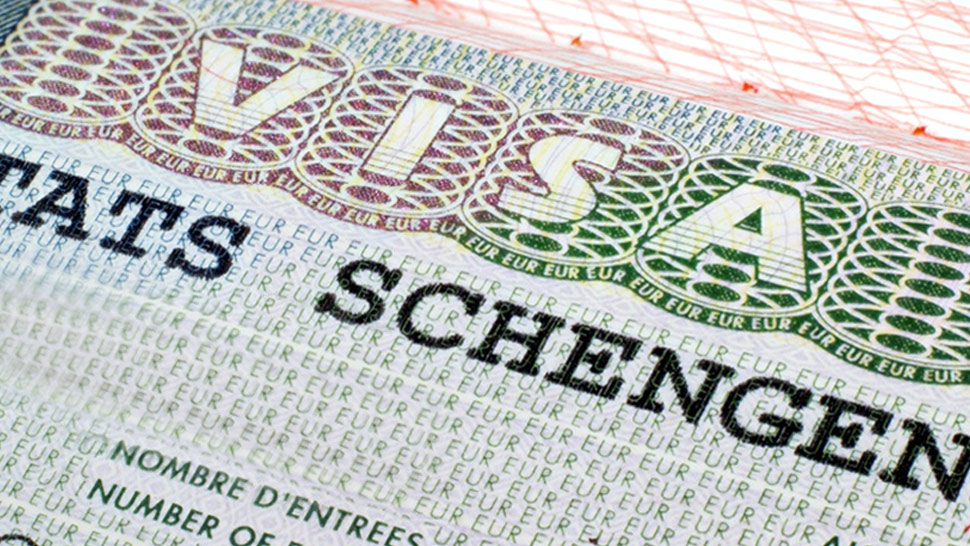
Many embassies in Europe utilize a third-party contractor to assist in the visa application process. Applicants typically need to submit a list of required documents to the embassy and wait a few days to a few weeks before they receive their visa, which is attached to a page in applicants’ passport.
However, a new rule recently approved by the Council of the European Union will allow travelers to apply for the Schengen visa completely online. This means that travelers wishing to visit the 27 states in the Schengen area can upload electronic of their travel documents and pay the visa fees through the new online platform. This will render most in-person appearance at the consulate or the third-party offices redundant. Instead of the visa sticker in the passport, visas will be granted through a cryptographically signed barcode.
No date has been set for the implementation of the new rule, as the European Council said “the date of application of the new rules will be decided when technical work on the visa platform and the digital visa has been concluded.”
