
Filipino Pamahiin and the Sacred Rules of Wakes, Burials, and Undas

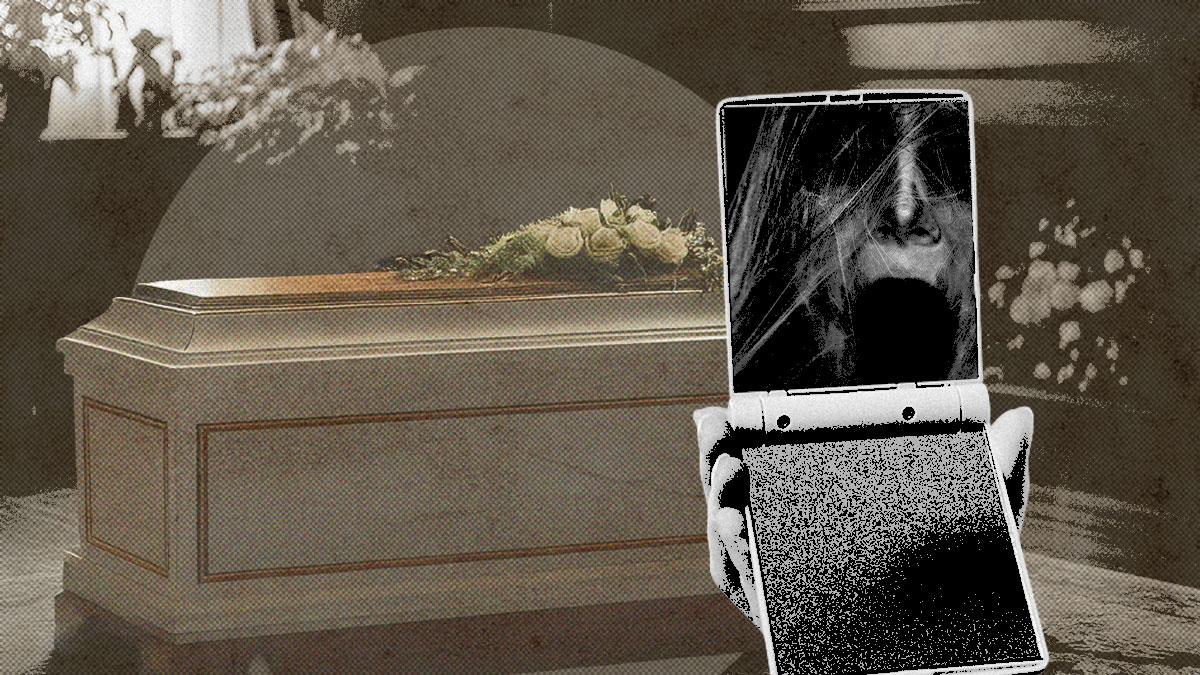
Many Filipinos live a superstitious life, even if it's a gesture as small and second nature as knocking on a piece of wood three times to ward off bad luck. These folk beliefs are often rooted in pre-colonial practices of animism and are even sometimes superimposed with Roman Catholicism that came from the colonizers. Other superstitions or pamahiin are just the Filipinos' way of making sense of things and/or reminding them of what to do. For example, elders would say not to cut your nails at night, else a loved one will die, which is probably just a reminder so you wouldn't cut your nails in the dark or under dim light and possibly injure yourself.
Nonetheless, there are plenty of superstitions we still believe in (or, at least, are casually reminded of) even in the so-called digital age, and a chunk of these has something to do with death. We round up some of the popular ones, but do note that this list is not at all comprehensive, and your family or community may have different versions. These are passed down through oral tradition, after all, and there are many things that can be lost or added along the way—just like that childhood game of "Pass the Message."
ALSO READ:
Today I Learned: The Spanish Origin of the Filipino Word 'Undas'
Alcohol and Undas: Filipinos Turn to Liquor in Times of Grief and Celebration
Superstitions During a Wake (Lamay)
- Pagpag is probably the most common "rule." It's when you have to make a stop at a store, a friend's house, or a mall before heading home from a wake to shake off (thus, pagpag) the spirit of the dead, preventing it from following you. It's also common knowledge that this stopover is a convenience store, which is why there's an inside joke that these places are hotspots for lost souls.
- It's bad for relatives to escort or walk visitors out. And, if you're a visitor, you shouldn't say goodbye to not encourage another death.
- Do not bring home food if you don't want bad luck. There's also another belief that you should not say "no" when the family of the departed gives you food.
- Pregnant women should not view the casket because it could cause a difficult delivery. Children should also be dressed in red to ward off the spirit.
Superstitions During a Burial (Libing)
- If the cause of death was murder, chicks should be placed on the casket. It is believed that the action of the chick pecking at grains of rice on the coffin symbolizes the pecking at the conscience of the murderer, and, hopefully, justice will be served.
- Bury the dead with money or a coin. It is believed that this serves as the departed's provisions during the journey in the afterlife.
- If a rosary is placed in the hands of the deceased, it must be broken or cut before the casket is closed. This is to prevent a chain of consecutive deaths in the family.
Superstitions During Undas
- Never sweep the floor at night, as it might sweep away the visiting souls of deceased family members.
- Families offer the favorite food of the deceased (atang), as it is believed the souls return and partake in the food and prayers. Others put the food in front of the departed's photo or on the tombstone. Kakanin is commonly offered, symbolizing how families stick together even after death.
- Stepping directly on a grave or tomb is believed to cause pain to the deceased. Or it could just be disrespectful.
- A lit candle placed at the entrance of the house on the night of November 1st and 2nd is believed to guide the visiting souls of the departed loved ones to their former home.
