
Janisah Acmad was at work when the attack happened. The security guard at the Mindanao State University was on duty when word reached her and her colleagues around 3 p.m. of May 23, 2017 that there was gunfire at Barangay Basak Malulut in downtown Marawi City. But she didn’t think too much of it in the beginning.
“Uso kasi sa amin dito yung rido-rido,” she tells me in her home at the Pagalamatan Shelter in the town of Saguiaran, about 20 minutes away from the Marawi city center. Rido-rido is what locals call clashes between warring families or groups, often about land disputes or domestic issues. Those involved in rido-rido are often armed and rarely hesitate to use them when provoked.
“Sabi nila, wala, rido-rido lang yan,” Acmad says. “Normal lang yung may report na ganung putukan kaya hindi ako nag-panic.”
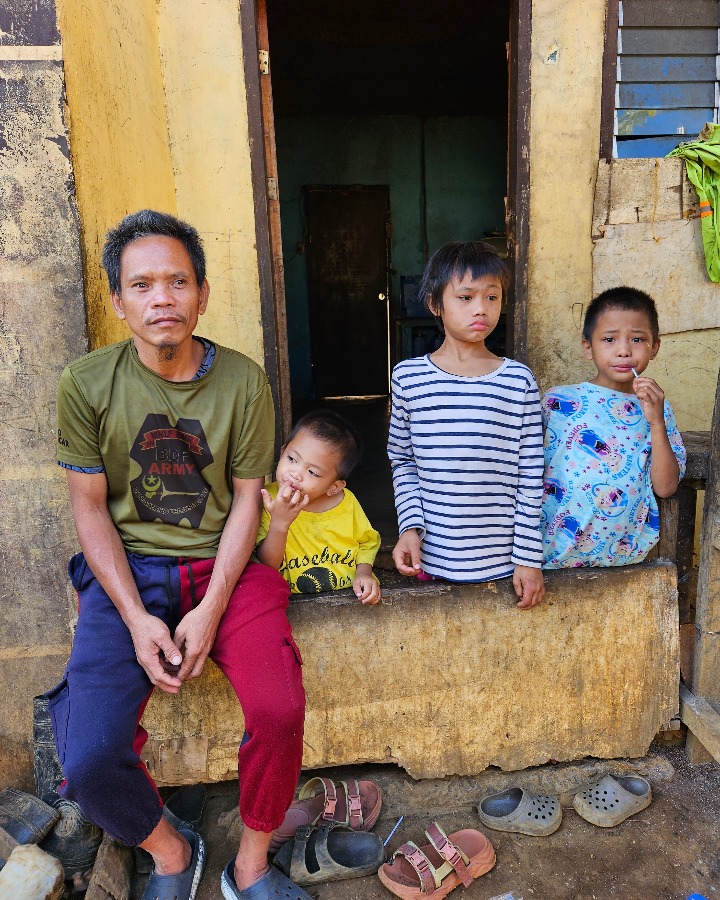
Janisah Acmad is one of the displaced persons of Marawi
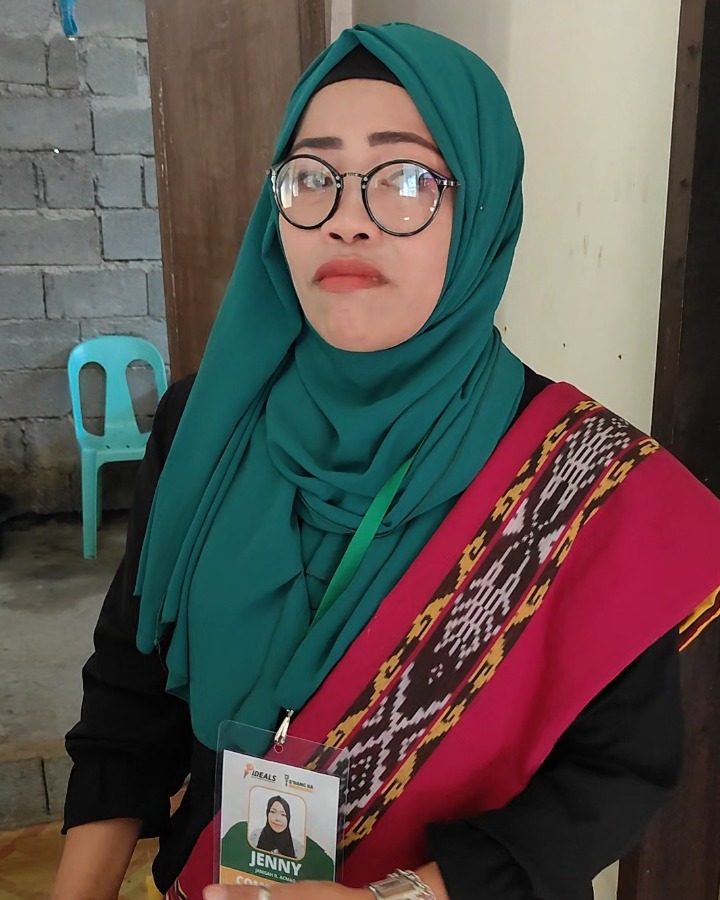
But later in the afternoon, officials informed Acmad and the rest of the security staff at MSU that the gunfire came from rebels affiliated with ISIS. That’s when terror gripped Acmad: her four children were alone in their home near Basak Malutlut, right near the center of the fighting.
“Tumawag yung asawa ko, sabi nya ‘Paano yung mga bata? Nasa bahay sila, walang kasama,’” Acmad says. “Sabi ko sa asawa ko, ‘Uwian mo sila, pababa na ko.’ Hindi rin ako makadaan kasi andun yung putukan. Wala nang makakababa doon. Siya naman, galing pa siya sa Iligan.”
Eventually, during a lull in the conflict, Acmad was able to reach her children. They escaped to her aunt’s place in Balindong, a municipality about an hour away from Marawi.
“Sabi ng mga tao, matatapos din yan bukas,” she says. “So hindi na kami nag-worry kasi akala namin mabilis din matatapos.”
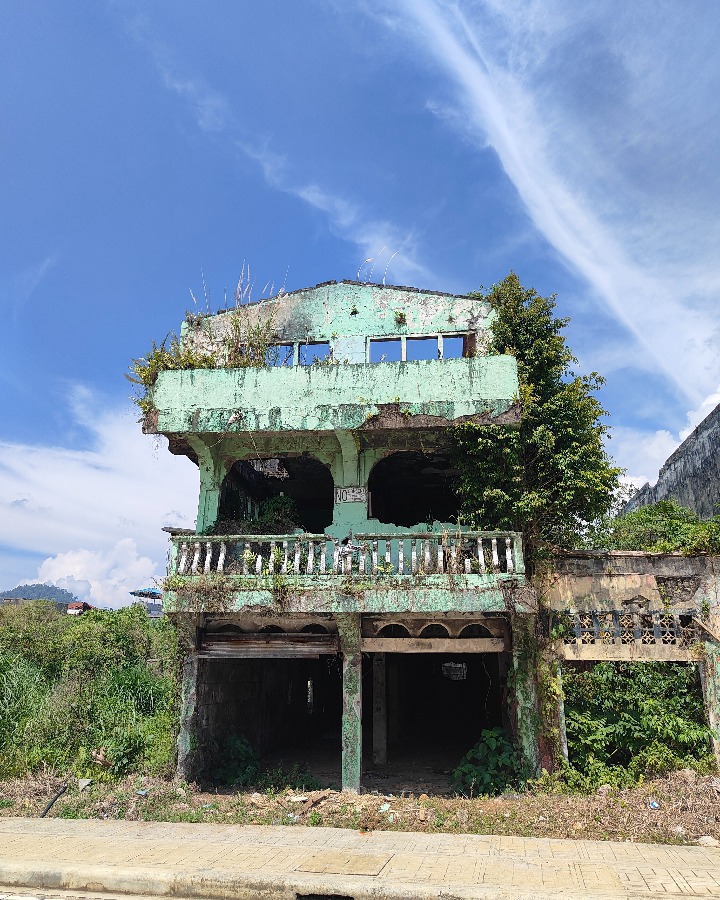
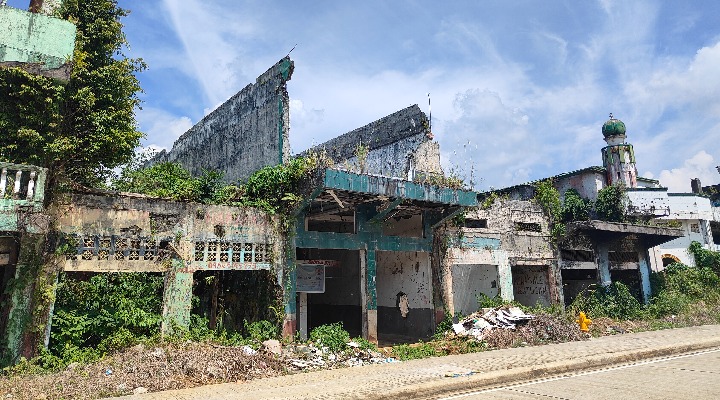
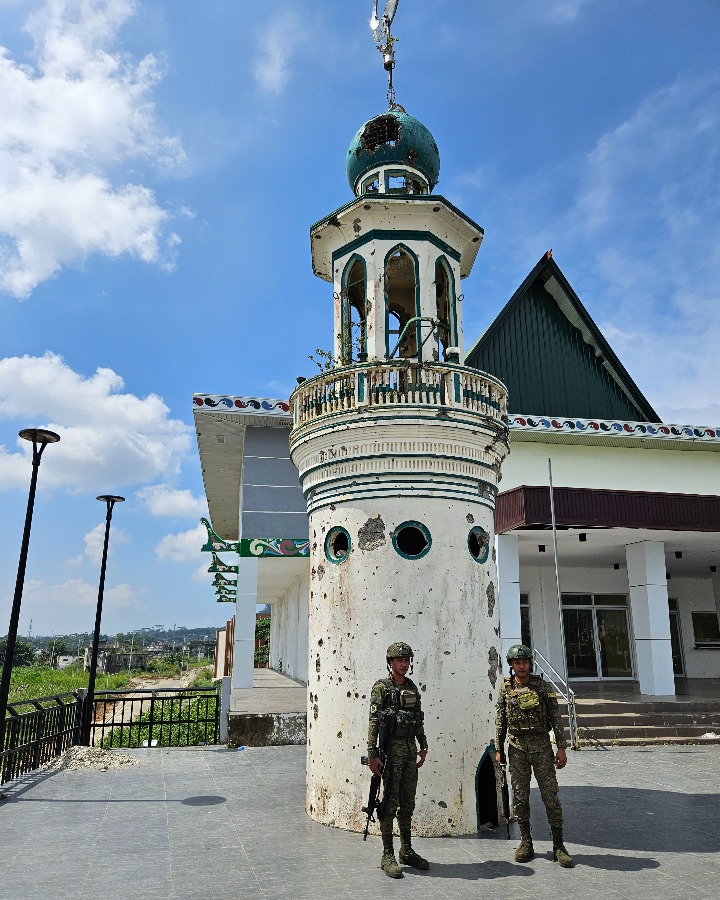
Little did Acmad know that that was the last she would ever see of her home. What she initially thought was rido-rido was the start of the so-called Marawi siege that would last five months and lead to hundreds dead, thousands wounded, and widespread destruction of a huge portion of Marawi City. As many as 200,000 residents were displaced and forced to evacuate to homes of relatives and friends and to temporary government shelters.
That includes Acmad, who initially lived with her aunt but has since moved to the Pagalamatan Shelter, which is a project of Mujiv Hataman, the former governor of the now-defunct Autonomous Region of Muslim Mindanao. Acmad is one of the lucky ones who did not experience living in the evacuation centers the government set up for internally displaced persons (IDPs).
The Pagalamatan Shelter community in the town of Saguiaran
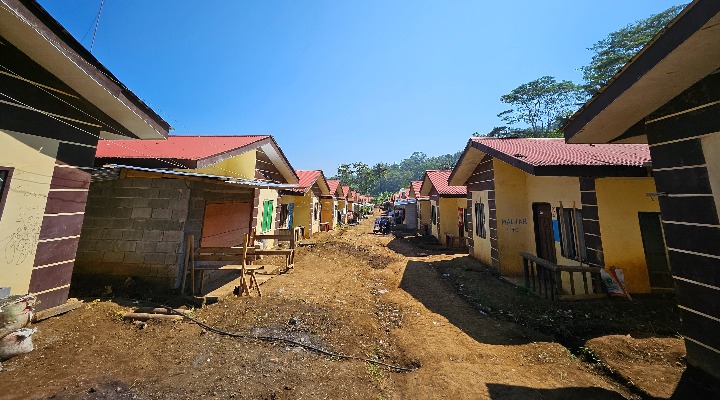
“Hindi na kami tumira sa evacuation center kasi masyadong crowded,” she says. “May maliit pa akong bata. Tsaka may matitirhan naman kami.”
After she heard about Hataman’s housing project, which was constructed in 2018, she applied for a slot and was fortunate enough to have been awarded a home one year later. But having a roof and four walls didn’t exactly mean that her troubles were over.
ALSO READ
Photojournalists in Marawi Post Heartbreaking, Terrifying Photos on Instagram
Rebuilding From Refuge: How Victims of the Marawi Crisis Are Surviving
The IDP situation
The fighting in Marawi began with the surprise attack of militants with ties to the terror group ISIS (Islamic State) as well as the Maute group and Abu Sayyaf. Government forces led by soldiers of the Armed Forces of the Philippines and the Philippine National Police fought back. Philippine allies like the United States, Australia, and China offered military support. With hundreds of armed fighters on both sides, the Marawi siege has since come to be known as the largest and longest urban battle in the country since World War 2.
Five months later, on October 17, 2023, President Rodrigo Duterte declared that the military had retaken the city and that the fighting was finally over. It was cause for celebration, for sure, but that was only the beginning of the long and still ongoing process for those displaced by the conflict.
Due to the heavy bombardment of the city and intense fighting between the rebels and government troops, the city became no man’s land for its residents. According to the United States Agency for International Development, nearly 360,000 people were displaced at the height of the conflict in Marawi, although Philippine government estimates peg the number at nearly 200,000, which is about the entire population of the city.
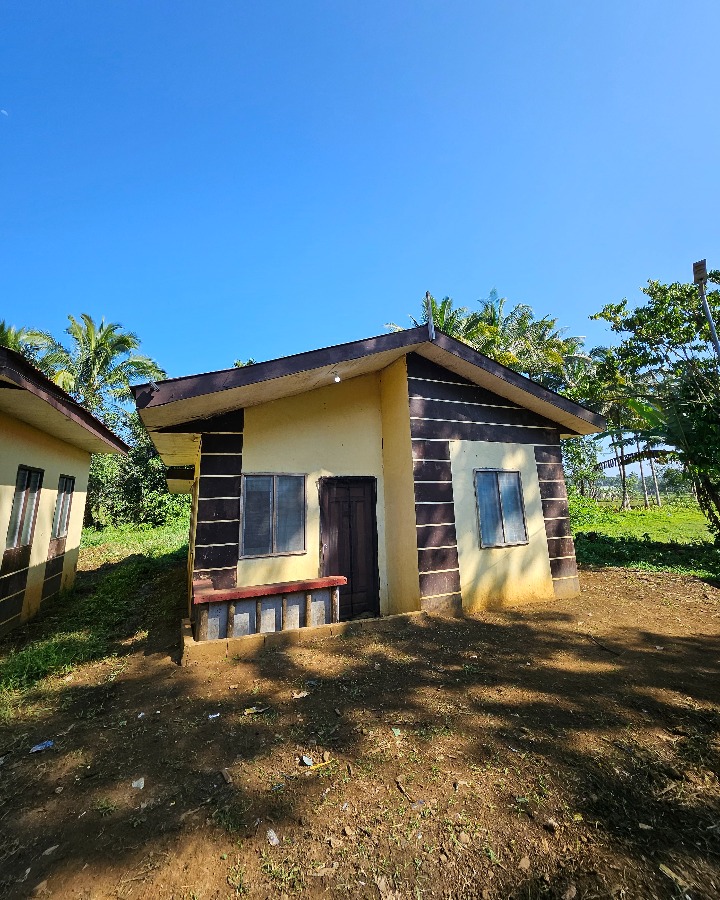
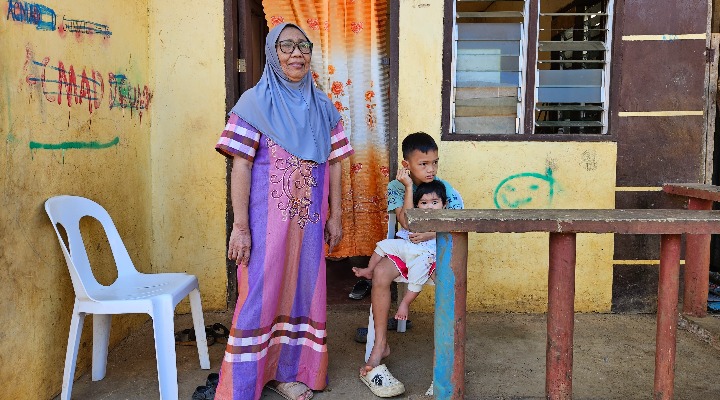
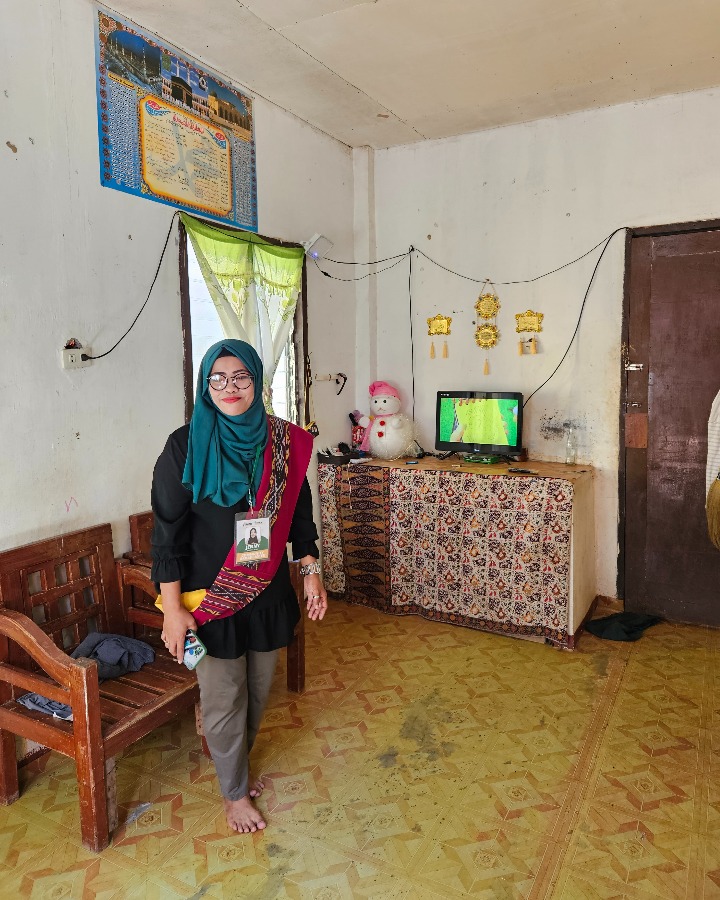
A typical house in the Pagalamatan Shelter in Saguiaran town in Lanao Del Sur
.png)
