
The Endangered Tayabak Was Spotted in Masungi and the Photos Are Stunning

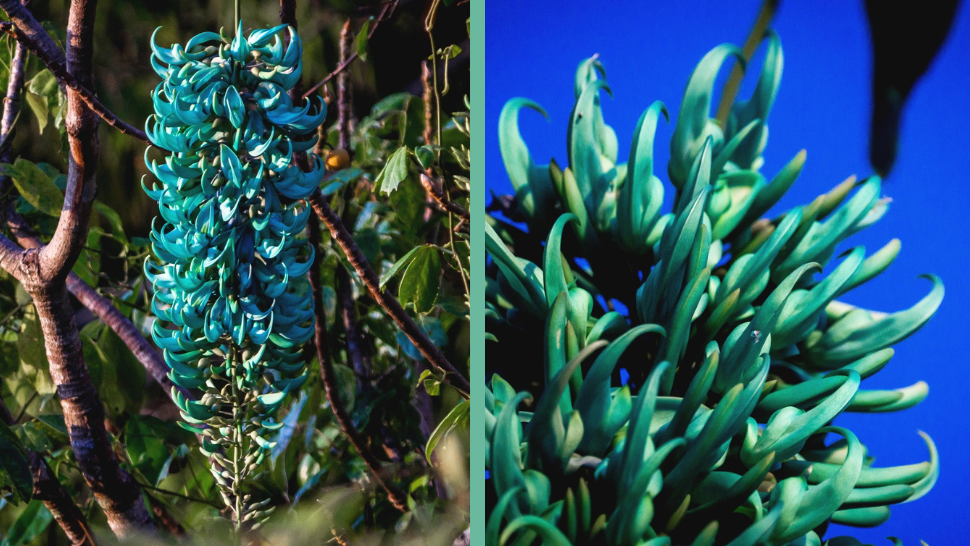
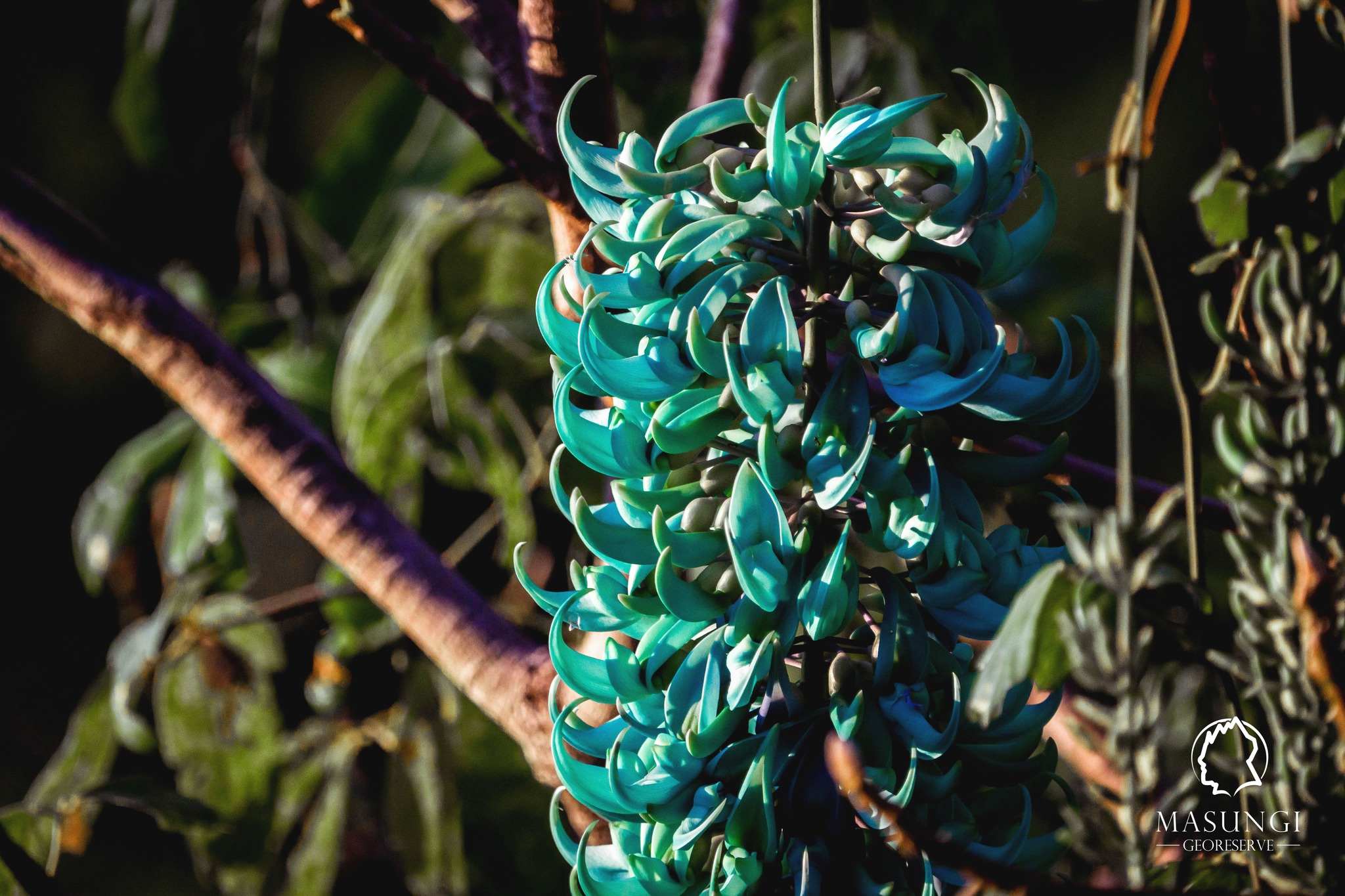
The endangered Jade Vine (Strongylodon macrobotrys), locally known as Tayabak, is commonly found in damp tropical forests, ravines, or streams in the Philippines. It is one of the rarest vines in the world. And recently, Masungi park rangers just spotted the vine at the peak of the Masungi Geopark.
"The Jade Vine crawls up tall trees in search of sunlight and can reach a height of 20 meters. It is also notable for the pendulous, chandelier-like growth of its flowers," Masungi wrote in a post. "While more common compared to the JC’s Vine, the Tayabak is regarded as a national treasure and is featured at the back of the five-peso coin."



ALSO READ:
A Little Blue Spider Was Just Found in Masungi
The Secrets of Masungi's Prehistoric Limestones
What Is So Special About the Tayabak?

The Tayabak goes by the names emerald vine, emerald creeper, or turquoise jade vine. It is a native vine to Philippine tropical forests and tends to grow to about 30 to 50 inches long. Discovered in 1841, the Strongylodon macrobotrys had first been found on the slopes of Mt. Makiling by a U.S. Navy Lt. Charles Wilkes-led United States Exploring Expedition. We can find them growing around areas in Luzon and Mindoro.
It comes from a species of woody vine or leguminous perennial liana. The Strongylodon macrobotrys is actually a member of the Fabaceae (the pea and bean family), which means that it's related to beans like kidney beans or runner beans.
It's best known for its beautiful turquoise blooms, which usually come out in and around April or May. Distinct, too, is their glossy stems and purplish-green hue when young. The vine's flowers are pollinated by tropical bats.
While it is edible, the Jade Vine isn't exactly made for consumption. It is used as a decorative climbing plant in some cases, grown in a pergola where its claw-like flowers can best be seen.
How Did the Tayabak Become Endangered?

Unfortunately, it has been classified as endangered.
Because the Jade Vine's pollinated by bats in the wild, it can be difficult to mimic its pollination artificially. They can be extremely rare to find in cultivation for this reason.
Unfortunately, the Tayabak also suffers from the continued destruction of its habitat and the decrease of natural pollinators over the years. Its flowers have been classified as one of the rarest and most vulnerable in the world. The plant itself is included in our National List of Threatened Philippine Plants, as well.
Masungi added: "The presence of the Jade Vine in the Masungi Geopark Project underscores the importance of safeguarding the watershed against destructive activities. While quarrying agreements in the watershed have already been canceled, threats to the project area and its unique biodiversity, such as illegal entry and professional squatting, persist."
