

In this Cebu Barangay’s San Juan Bautista Fiesta, There’s No Basaan


From the Casa Gorordo Museum, there are two ways to get into the small San Juan Bautista chapel in Barangay Parian. One is by a short and narrow alleyway that in several of my visits in years past reeked of urine. The other is through a warren of perya games that offered junk food as prizes and a maze of tight spaces in between fire trucks.
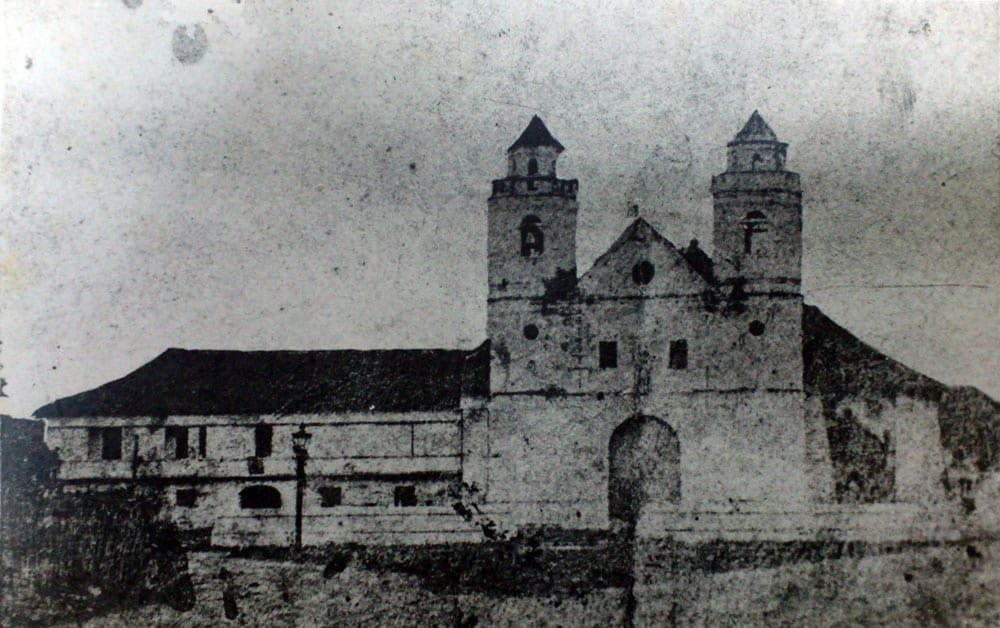
The San Juan Bautista Parish Church in Parian district was described as having been the most magnificent church in Cebu
During Monday’s fiesta mass for San Juan Bautista, I held my breath and took the alleyway.
It no longer smelled of piss; they must have cleaned it up for the fiesta. Or it might have been washed away by the rains that often flood the area.
ALSO READ
Wattah Wattah Festival: 'Basaan' in San Juan Amid the Water Crisis
The Glory Days of San Juan
Instead, two candle vendors had set up a makeshift dagkotanan or a place where you light candles for prayer offerings. You lit a candle, said a prayer for San Juan Bautista, and placed it on an electric fan grill to burn.
It rained last June 24. It always rains on the feast day of San Juan Bautista, several people told me. My wife was worried that people would splash us with water like what happened on our visit to one of Iloilo’s towns. In San Juan City in Metro Manila, the splashing of passersby with water during the Wattah Wattah Festival trended online.
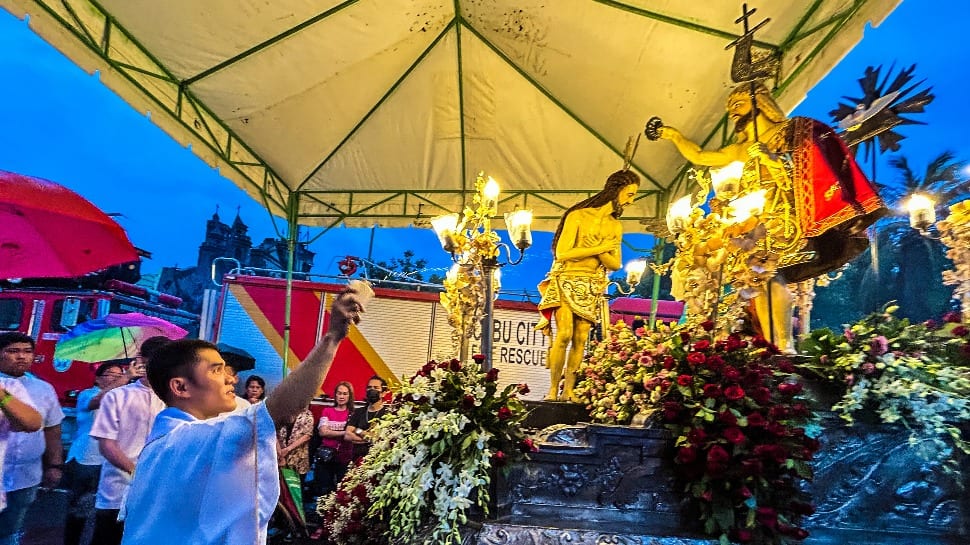
Fr. Renato Destacamento blesses the caro of San Juan Bautista maintained by the Casa Gorordo Museum
But that’s not done here in Barangay Pari-an, the heritage enclave in downtown Cebu City.
About 30 people heard mass. They spilled out of the small chapel afterward and took shelter under Cebu City Government tents. Others were broken up into several groups, huddled in the small space among large fire trucks and equipment.
So disrespectful, an irate member of the Cofradia de San Juan Bautista told me, about the vehicles and large equipment. They should have cleared the space, they added. They will be cleared, acting Cebu City Mayor Raymond Alvin Garcia said in an interview, once City Hall’s plan to set up a centralized command center is implemented.
“Ayaw mo kahadlok mag uwan kay San Juan man karon,” Fr. Renato Destacamento said at the end of his fiesta mass. (Don’t be afraid if it rains because it is the feast of San Juan.)
That assurance seemed to have signaled the start of the procession and the drum and bugle corps erupted with that loud procession piece that you hear in every fiesta. The altar boys prepared their ceremonial torches and incense near the Casa Gorordo caro, which was blazing with lights. The caro was bedecked in flowers and had San Juan Bautista baptizing a figure of Jesus Christ.
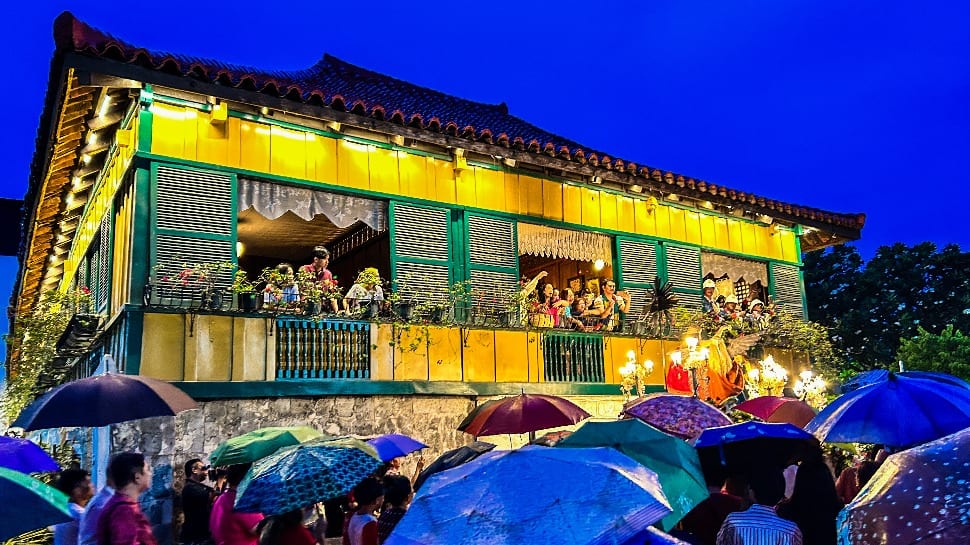
The image of San Juan Bautista passes the Casa Gorordo Museum. The pista ni San Juan is a tradition of the Gorordo family that is continued to this very day
At the chapel entrance, people transferred the San Juan Bautista image from the chapel to a smaller caro that wasn’t lit.
The short procession was led by a barangay vehicle sounding an irritating siren. It passed the Heritage of Cebu Monument built by the late sculptor Eduardo Castrillo in July 1997 and finished in December 2000. The huge monument is a tableau of Cebu’s historical events and figures. It also depicts three important churches in Cebu: Basilica Minore del Sto. Niño, Cebu Metropolitan Cathedral, and the San Juan Bautista Parish Church. Of the three, only the Sto. Nino and the Cathedral are still around.
All that’s left of the Parish of San Juan Bautista is the chapel where the mass was held. But when it still stood, it was described as the most opulent church in Cebu, even the Visayas.
It always rains during the feast day of San Juan Bautista in Cebu, said residents of Barangay Parian. The caro (above) passes the Casa Gorordo Museum
“The church was made of stone blocks, plastered together in a mixture of lime and the sap of the lawat tree,” according to Ang Sugbo sa Karaang Panahon: An Annotated Translation of the 1935 History of Cebu by Fe Susan Go. “The roofs were made of tiles, and the lumber used was molave, balayong and naga. The paraphernalia used in the mass was made purely of gold, the pews were carved by a sculptor of the Parian, the altars were covered with stone slabs with money and gold inlaid, and the church bells were big and loud.
“The tolling of these bells was so loud that it could be heard as far as Hilotungan and the town of Talisay,” Go wrote.
The Parian church was demolished in 1877. It had deteriorated by then, the unfortunate culmination of the suppression of the parish as well as the then-municipality of Parian. The parish was suppressed as part of the conflict between the Augustinians and the Chinese mestizos, according to Dr. Michael Cullinane in a paper.
The procession then passed the Casa Gorordo Museum, where devotees sang praises to San Juan and showered his two caros with flowers. The event culminated with a fireworks display and a dinner of Cebuano and Spanish fare.
The fiesta celebration is so closely linked to the Gorordos and the house that it was stipulated in the contract for the purchase by the Aboitizes that the latter will continue the Parian traditions. There are two main traditions, said Dr. Jocelyn Gerra: the Sinug sa Casa Gorordo and the Pista ni San Juan. Gerra is a heritage advocate who served as senior executive director of the Culture and Heritage unit of the Ramon Aboitiz Foundation Inc. from 2006 to 2016.
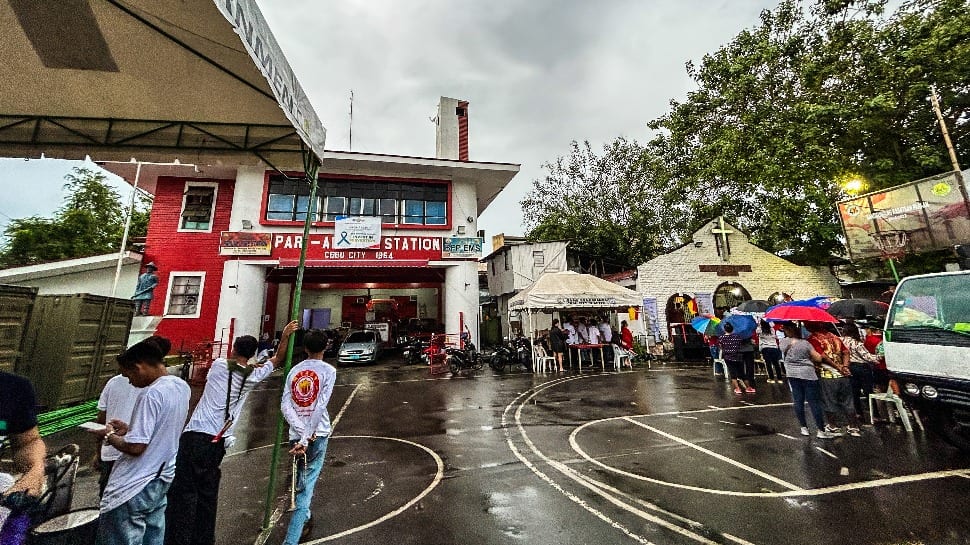
All that's left of the magnificent San Juan Bautista Parish Church is this chapel and the fire station
While Cebu City proclaims itself as a champion for heritage, it’s all lip service for now, said author, historian, and Parian chronicler Gavin Sanson Bagares. Looking at the state of Parian, the city’s heritage plans and measures need more teeth, more meat, he added.
Bagares is the author of the highly regarded title Out of Parian: Essays on Cebuano Heritage.
In an interview, Garcia said he has big plans for the Parian plaza that would highlight the fire station, which is now a heritage structure, the monument, and chapel. I’ve just been in office for one month, said Garcia, who is acting as Cebu City mayor after Michael Rama was preventively suspended by the Ombudsman.
But he painted a picture of a park for tourists and residents at Parian, a top destination for visitors. He said he will take down the fence that keeps people away from the Heritage of Cebu Monument, a structure built when Garcia’s father Alvin was mayor of Cebu City.
