From Poachers to Protectors: Saving Zambales’ Sea Turtles

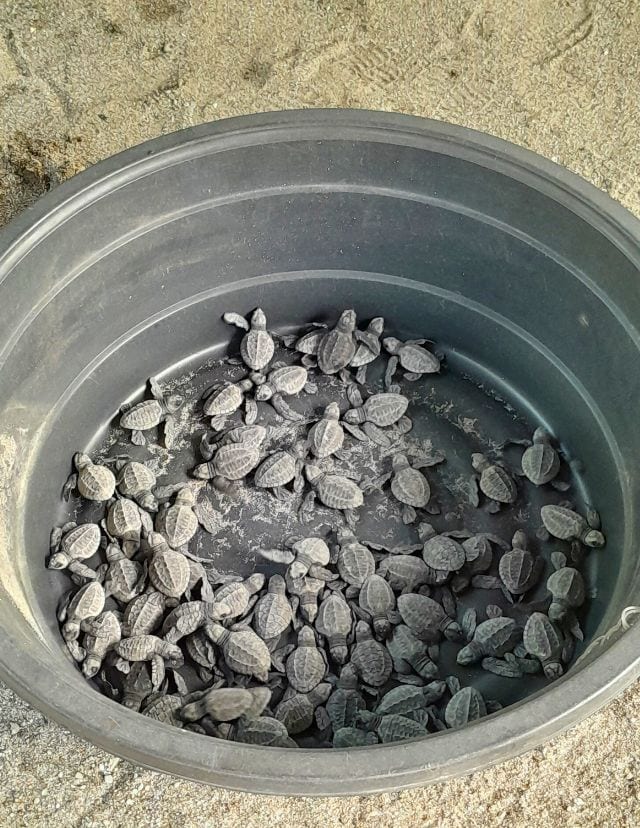
"Aaminin ko, nangunguha din ako dati ng itlog [ng pawikan] para ibenta, kainin," Kuya Rey tells us while standing over a large basin full of newly hatched sea turtles. Back in the day, he was one of the many poachers who would harvest the marine reptiles' eggs and sell them for food at a high price. Now, Rey Relaniza Sr. serves as the president of PawiCare Hatchery, a volunteer-run initiative that works to conserve the population of sea turtles in San Narciso, Zambales. The organization has 13 rangers who patrol the coastal area every night during the nesting season from September to March, and some of them also used to be sea turtle egg poachers.
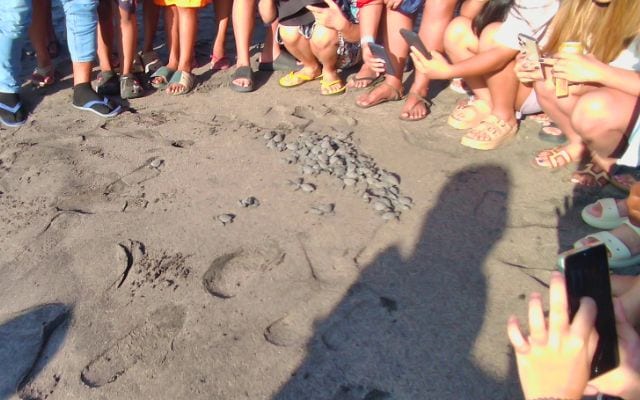
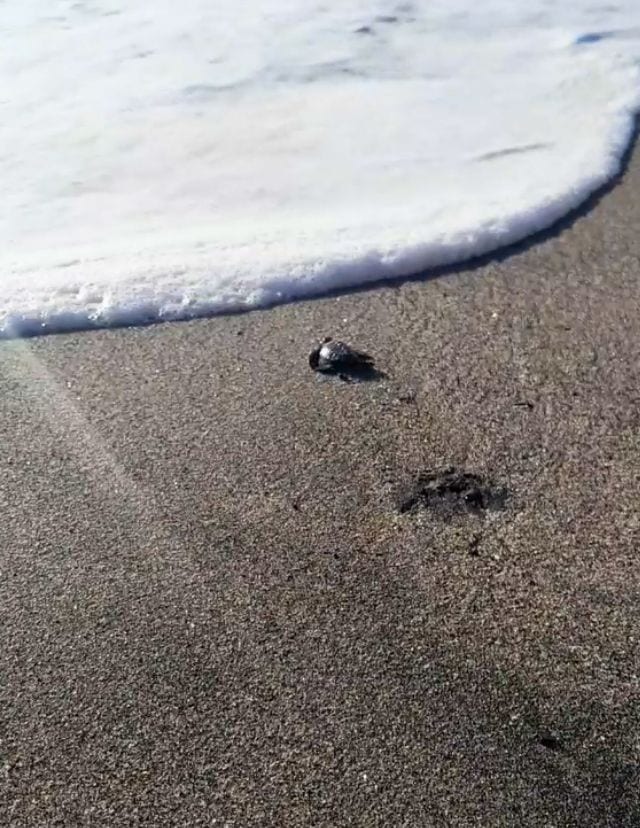
That Saturday afternoon, January 4, 2025, Kuya Rey was scheduled to release the hatchlings out to the sea at 4 p.m. Spectators were already waiting by the beach in front of La Paz Park, but the sunlight was still too harsh for the baby sea turtles, he said. Some of the onlookers, who heard about the event on social media, came from nearby Zambales towns like Subic and Olongapo. Others, like us, are tourists from Manila who were told about the activity through resort announcements.
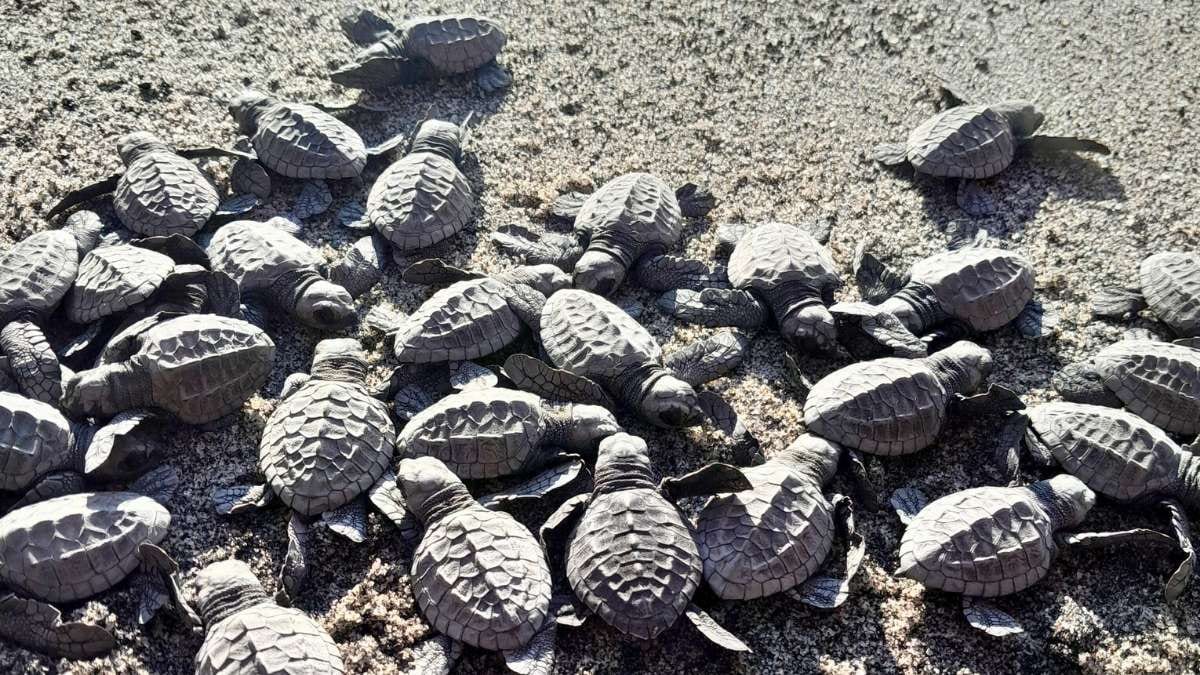
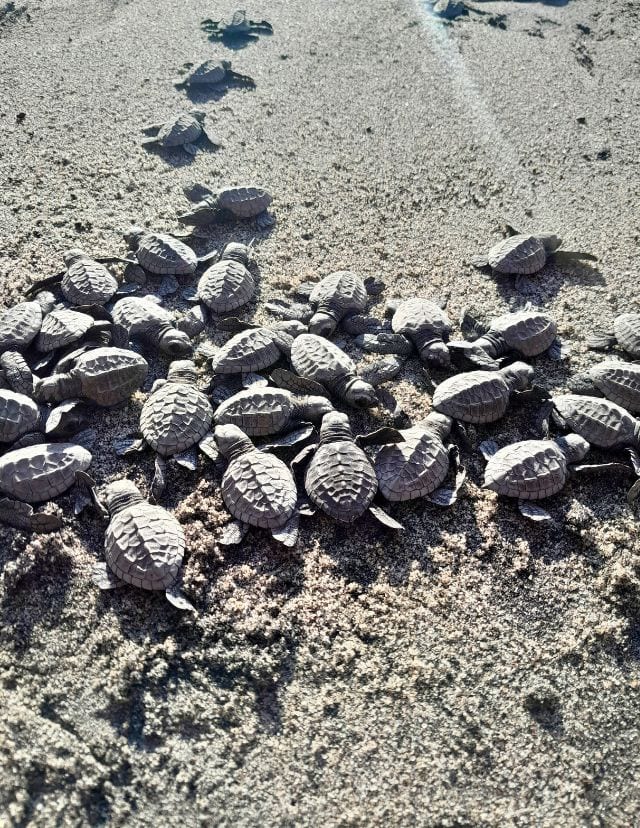
Baby olive ridley sea turtles released by PawiCare last Sunday, January 4, 2025, in San Narciso, Zambales
It was through a seminar facilitated by the Department of Environment and Natural Resources that Kuya Rey realized the importance of saving sea turtles. They are "keystone species," which means they are a significant part of their environment and influence other species around them. He talked about how these sea creatures eat algae, seagrasses, and seaweed, which helps keep the beach clean and ideal for swimming. Other species even feed on jellyfish. They also maintain the health of an ecosystem by transporting nutrients from the ocean to the beaches and dispersing coral larvae in their feces, thus helping coral reproduction.
ALSO READ:
In This Part of La Union, They Have Baby Turtle Release ‘Parties’
DOT's Philippine Experience Caravan Explored Central Luzon's Top Attractions
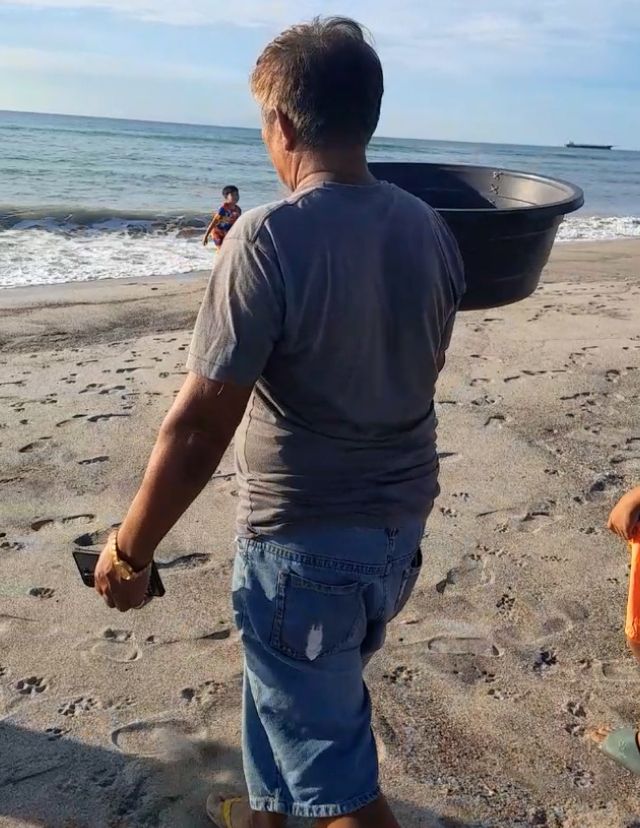
Kuya Rey of Pawicare Hatchery lead spectators of the pawikan release in San Narciso.
Zambales as Nestings Grounds for Sea Turtles (Pawikan)
Zambales, with its picturesque coastline, is home to some of the most stunning beaches in the Philippines. La Paz Beach in San Narciso is known for its surfing culture, which started in the 2000s at Crystal Beach Resort. About three kilometers north (by foot along the shore), Liwliwa in San Felipe is bustling with cafes, restaurants, and resorts for beach-goers and weekend surfers who enjoy the lively and energetic atmosphere. San Antonio, on the other hand, is the jump-off point to the camping grounds of Anawangin Cove, Nagsasa Cove, Capones Island, and other beautiful islets.
But Zambales is more than just a beach destination. For sea turtles, the coastal province is their home. It's where the female sea turtles come to nest and lay eggs after years of being out at sea. The pawikan reach sexual maturity after 20 to 30 years, then they return to the place where they were born even if they haven't come back to that area for three decades. Biologists call this behavior natal homing. Adult female sea turtles nest every year until they're 80.
The whole thing sounds like the stuff of David Attenborough documentaries, but not all sea turtles return home. Heck, the eggs don't even make it out alive most of the time.
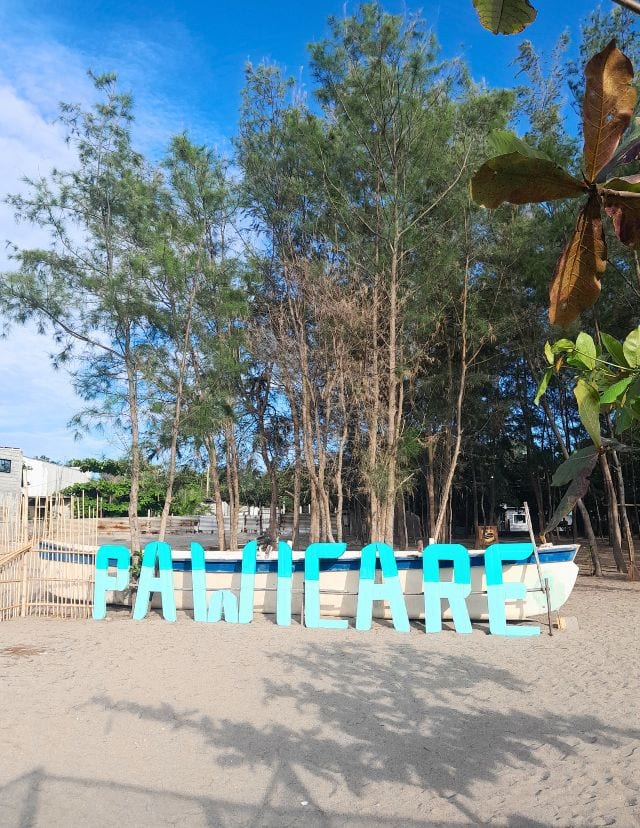
Pawicare Hatchery in Barangay La Paz, San Narciso, Zambales. It is a 500-meter walk from Sands and Surf, Ku'ai Village, and Crystal Beach Resort.
Sea turtle hatchlings use a variety of cues to find their way to the ocean. First, they follow the light, which is either the moonlight reflecting off the sea, or the glow of the sunset. They also use the downward slope of the beach to find the ocean, which is why it's important they're released on the sand and not directly on the water. They also have an internal magnetic compass, which they use to navigate away from the beach.
Threats to Sea Turtle Eggs and Hatchlings
The Philippines is home to five of the seven sea turtle species in the world, namely the Hawksbill Turtle, the Green Turtle, the Olive Ridley Turtle, the Loggerhead Turtle, and the Leatherback Turtle. All of them are listed by the IUCN as endangered.
Threats to their numbers start at birth. Eggs are a source of food and income for many underserved communities. Female sea turtles come to shore and lay their eggs in the dead of night, making it easy for poachers to take advantage of the darkness and lack of security.
While the Philippines has the Wildlife Resources Conservation and Protection Act of 2001, which includes specific provisions against collecting wildlife (and their "by-products and derivatives," like sea turtle eggs), Kuya Rey said that there are still people who are not deterred due to weak enforcement of the law. He shared that PawiCare's rangers once saw wheel tracks beside the tracks of a female sea turtle. There was already a hole in the ground, but the eggs were nowhere to be found. The rangers were too late.
During the nesting season, typically from September to March, PawiCare rangers patrol the shores of San Narciso to track birthing pawikan and pick up hundreds of sea turtle eggs.
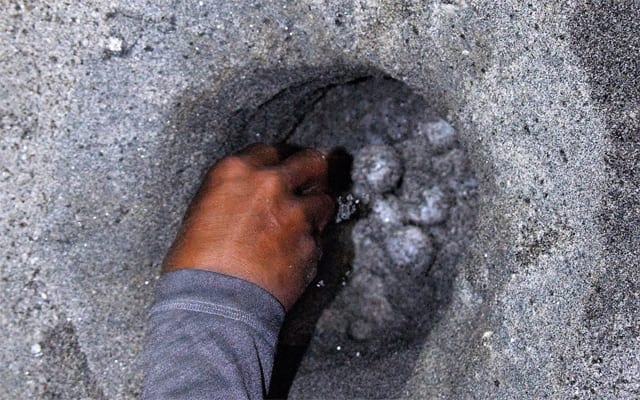
PawiCare rangers only have a few hours to collect freshly hatched eggs. Otherwise, the shell hardens, and it becomes more difficult to transfer them. However, they also have to be careful as the process requires slow movement so as not to damage the delicate eggs.
Another challenge is the pawikan's process of laying eggs. Coming ashore takes a lot of physical effort for a pregnant sea turtle as she makes her way up to the beach using nothing but her flippers (and, maybe, upper body strength). Once she's above the high tide line, she uses her front flippers to clear an area of any debris and creates a body pit to lie in. When she's ready, she uses her back flippers to dig a deep hole for the eggs. Kuya Rey emphasized that this hole needs to be a perfect circle, and the sea turtle may do the process again and again until she's satisfied with the shape. During this all-nighter of labor, she can also be easily disturbed, and one wrong move can push her to abandon the whole attempt. (Talk about mood swings.)
Kuya Rey shared an incident when a ranger had to discretely watch and help a female pawikan with an injured flipper. The ranger crawled up behind the sea turtle, who would create a hole with one flipper as the human carefully completed the circle with his own hand.
The female sea turtle lays eggs in batches of two or three, with each nest containing more than 100 eggs. After all eggs are laid, the sea turtle fills in the hole with her hind flippers and packs down the sand. She then moves around to scatter sand in a wide area in an effort to conceal the nest.
Out in the open, the sea turtle eggs can be eaten by natural predators or, worse, dug up by non-native predators like stray dogs (and poachers). Rising sea levels and severe weather, as an effect of climate change, can also destroy nesting beaches and damage nests. The temperature during development determines the sex of sea turtles; warmer eggs produce female sea turtles, while cooler eggs produce male sea turtles. This means that disruption in the temperature of the sand can also affect the female-male ratio of their species.
Eggs typically break and hatch from 40 to 50 days. If human babies have soft baby teeth, baby sea turtles have a sharp tooth called "caruncle" that they use to chip their way out of the eggs. The caruncle falls off after. The process can take several days, with the culmination happening at night time when there's less disturbance by the beach. Sand is also cooler at night, and no one likes to dig their way out in the heat. Once out in the open, the hatchlings are again at the mercy of predators and poachers.
Hatchlings need to cross the beach on their own to imprint it. When they make it out to the water, they still have to survive more predators in the shallow areas (birds included), fishing nets, ocean plastic, boat strikes, rising temperatures, and more. Only one of more than a hundred hatchlings survive, and it takes two decades before they come back (if they're able to) for reproduction. (Some numbers say that survival rate is one in 1,000 to one in 10,000.)
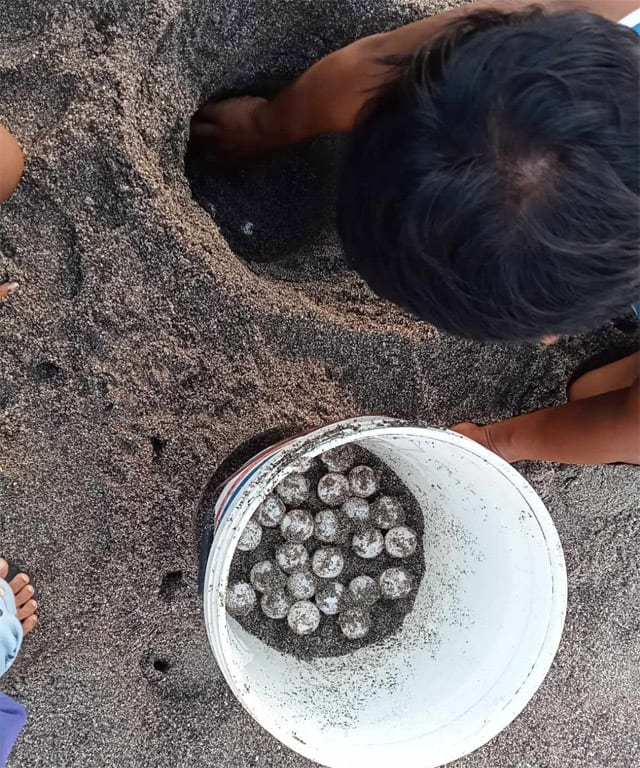
In an effort to save as many hatchlings as possible, rangers save the eggs. They would carefully dig, pick up the eggs, and bring the eggs to their hatchery. Kuya Rey said that this needs to be a very slow and delicate process so as not to shake the eggs. In the hatchery, the eggs are renested, with their estimated hatching indicated on the labels.
If, later on, up to five eggs in a batch don't hatch, the rangers would be reprimanded. "Pinagsasabihan ko, baka nakainom sila habang inilalakad yung mga itlog." After about 40 to 50 days in the hatchery, the baby sea turtles are released.
At the hatchery, PawiCare volunteers monitor air temperature to make sure the sand is not too hot, risking the loss of male hatchlings. Should temperatures go up, tree branches and fronds are put on nets hovering above the nests.
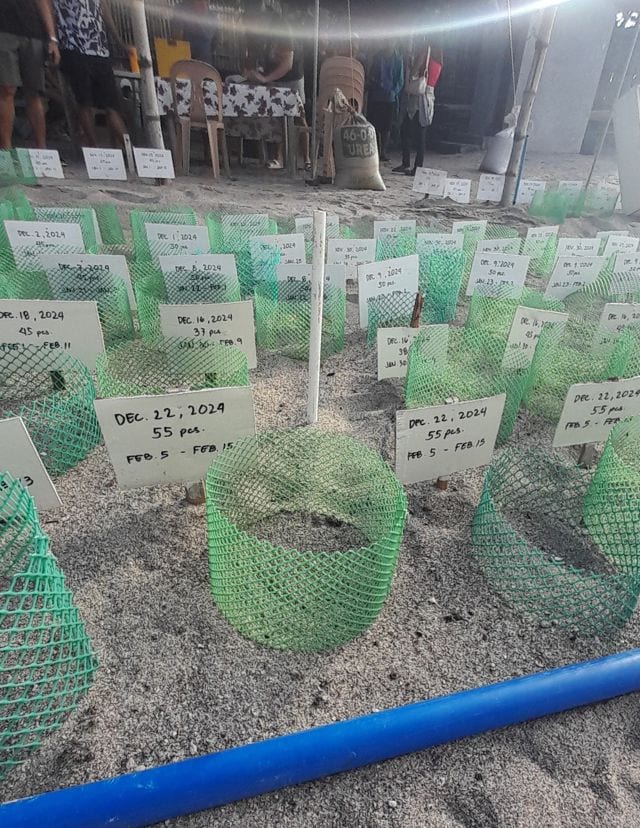
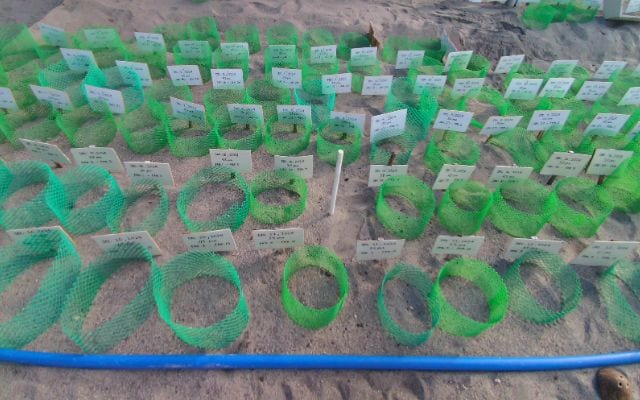
Just from early November to early December in 2024, the PawiCare rangers renested more than 5,000 sea turtle eggs from 60 female pawikan. The eggs were recovered from nests along the coast from Alusiis, San Narciso, to San Miguel, San Antonio. In one night, three to five sea turtles may be laying their eggs simultaneously, making it harder for a small team of rangers to track down the nests.
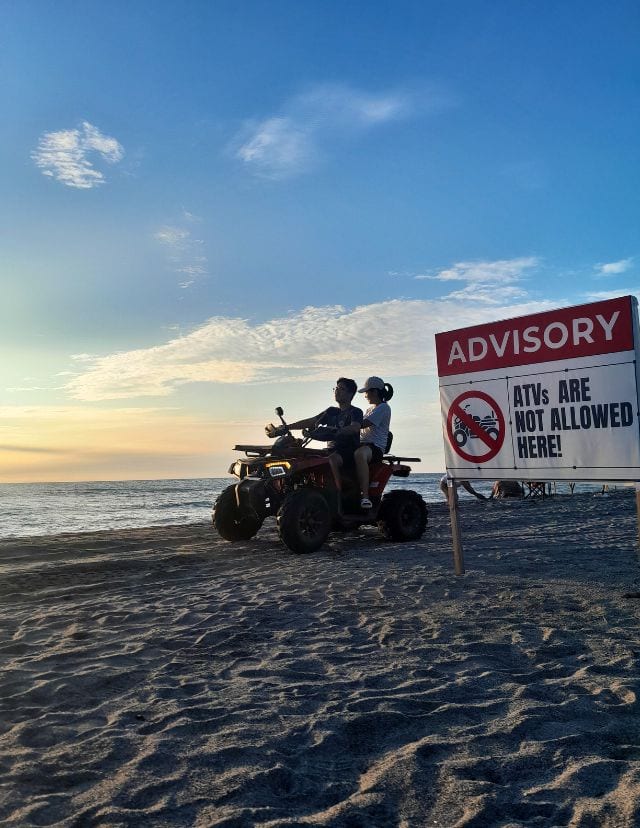
ATVs can degrade the habitat of sea turtles. They can also crush turtle nests, trap and disorient hatchlings, or scare away sea turtles coming ashore to nest. While most resorts, like Sands and Surf, prohibit ATV riding by the beach, other resorts near the nesting grounds in Zambales still offer it as a tourist attraction. Unfortunately, not all tourists can read. (Photo taken on January 4, 2025.)
Dredging operations have been observed near the border of San Narciso and Santo Niño, by the mouth of the Santo Tomas River. Coastal dredging not only harms sea turtles through vessel strikes and noise/vibration, but also alters their nesting grounds and habitat. Dredging can also stir up toxic pollutants that have settled in bottom sediments. (Photos taken on January 3, 2025).


Of course, not all sea turtles, eggs, and hatchlings are saved. The booming tourism in Zambales only makes it harder to make a conducive nesting ground for the already endangered sea turtles. Artificial lighting and noise deter their reproduction, while near-shore lighting disorients hatchlings who are naturally attracted to light. This behavior helps them walk towards the sea after they hatch, but it's a disadvantage when they're alone at night, and there is plenty of light from tourism establishments by the shore. Trash by the beach is also mistaken by the sea turtles and hatchlings for food.
At this point, there's probably no stopping tourists from coming to Zambales; even the pawikan release makes for an exciting tourist activity in San Narciso. But Kuya Rey uses it as the perfect opportunity to raise awareness about sea turtles. While that won't increase their numbers overnight, PawiCare is making an inspiring effort to help these gentle marine creatures continue their journey through the oceans. While they receive some assistance from the local government (for now), they mainly operate through donations. And we can always play our part, no matter how small, in making a difference.
PawiCare Hatchery is in Purok 5, Barangay La Paz, San Narciso, Zambales. They're located by the boardwalk, near La Paz Park. Follow them online for the sea turtle release schedule and other updates.