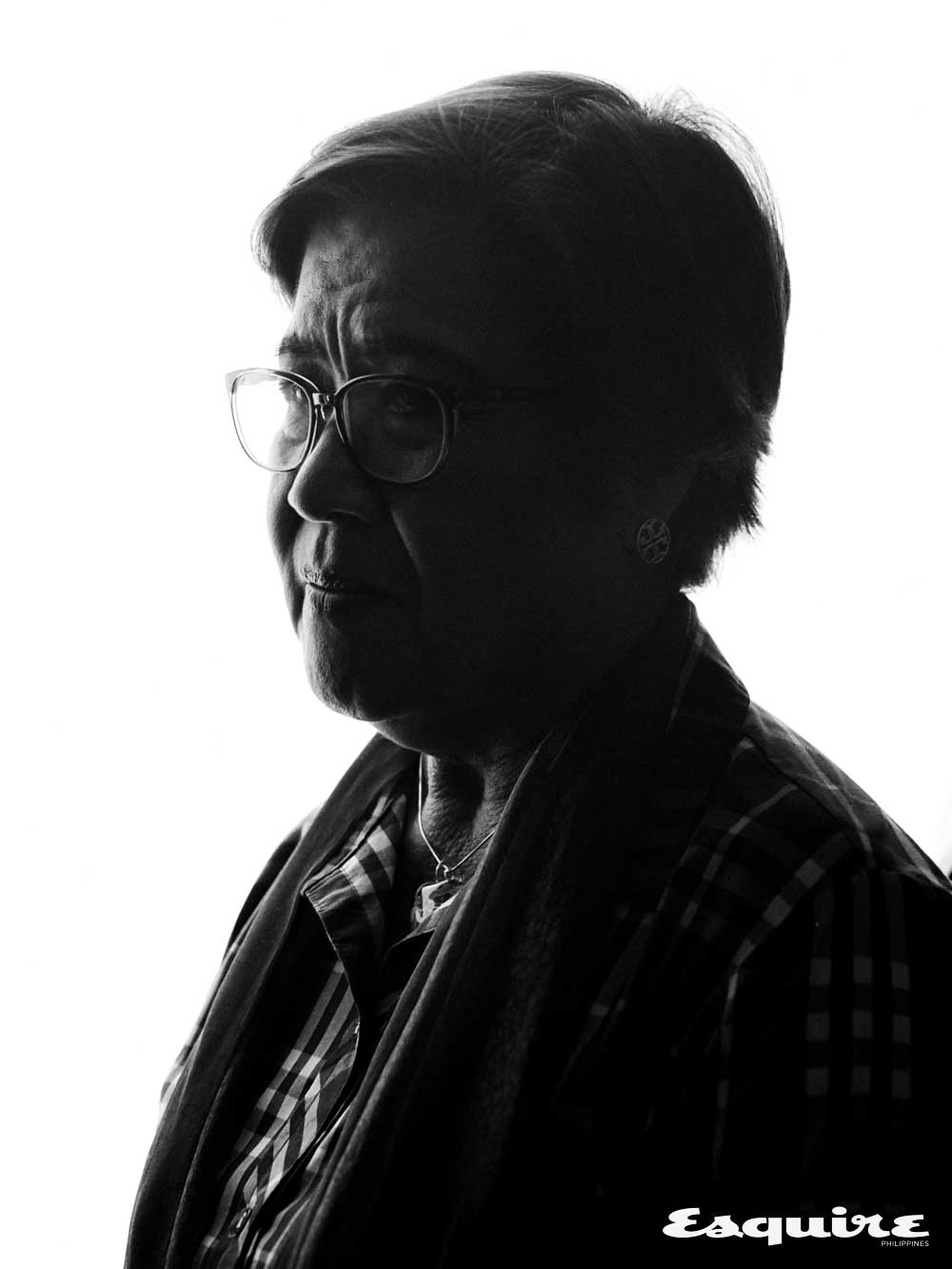
Leila de Lima is just getting used to being in the public eye. It’s been one month since she’s come out of an almost seven-year detention in Camp Crame. It’s a little disorienting, she says to a private audience before her first of three successive interviews.
Ahead of today’s media blitz were two groups of well-wishers: the first, a medical practitioner who promises any kind of medical attention—pro bono— should de Lima need it. The second group is composed of a dressed-down, well-heeled cadre of young titas. As each group beats an exit, more unannounced guests arrive.
There’s an earnest lift in the eyebrows when her guests pledge any kind of support for the former senator. Pop psychology will tell you that the look of love means a dilation in the pupils, a kind of glaze in the eye. We’ve seen this look in the eyes of local fandoms across the country. We see it now in the eyes of de Lima’s visitors as they skirt through the doorway with an almost apologetic sense of purpose.
"They wanted me to be silenced, they wanted to break my spirit because I was fighting for the rights of others—but there’s still more of me.”
CONTINUE READING BELOWwatch now
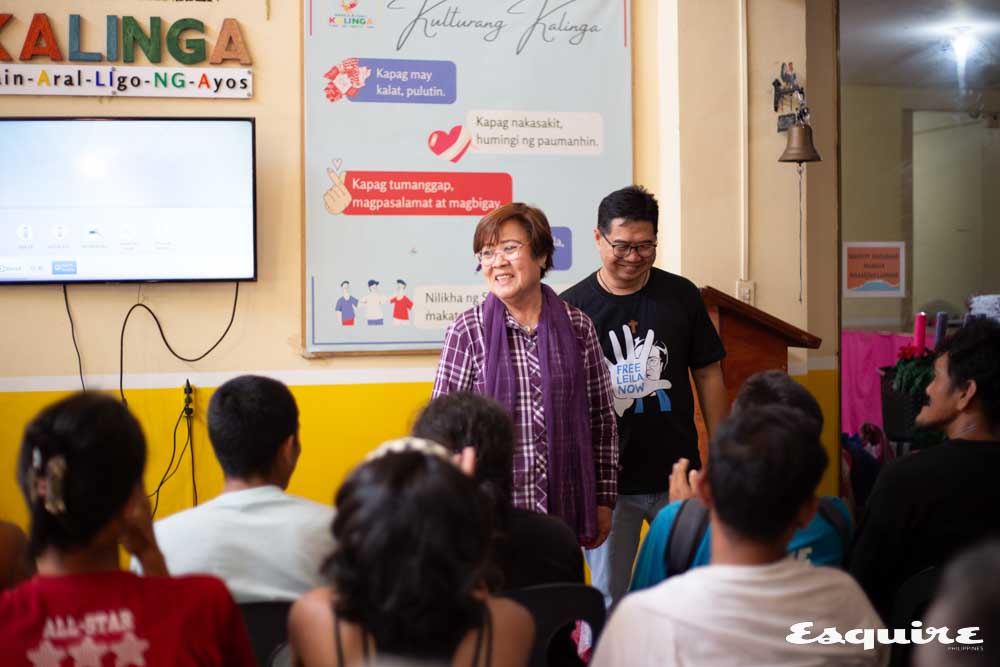
But this is no backstage meet and greet. She is being interviewed in a place called the Arnold Janssen Kalinga Center in Tayuman, Manila. It’s a center helmed by activist priest Flavie Villanueva, SVD, who does feeding programs for Manila’s homeless. Villanueva was a frequent visitor to Camp Crame during de Lima’s detention, and the former senator has chosen this place for today’s series of interviews. As vocal critics of the former administration, the center can hardly be called a safe space for either of them, but there’s courage in shared danger.