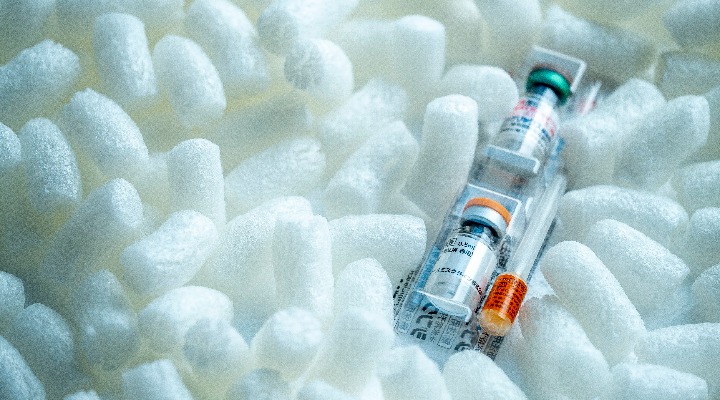
WAVRE, BELGIUM: The worst of COVID-19 may be behind us, with about 5.55 billion people across the world receiving at least one dose of the COVID vaccine as of March 2023, according to a report in the New York Times. One would think that, after surviving a pandemic that, at its height, killed as many as three million people worldwide, people would have developed a stronger faith—or at least found a newfound appreciation for—the power and efficacy of vaccines.
But, surprisingly, the opposite seems to have happened. In a wide-ranging study evaluating people’s confidence of vaccines in 2019 and 2022 (before and after the pandemic), researchers found that vaccine confidence seems to have “significantly declined” since the onset of COVID-19.
A study has shown that vaccine confidence in the public has declined compared to before the COVID-19 pandemic
ADVERTISEMENT - CONTINUE READING BELOW
“Despite abundant epidemiological evidence of the safety and effectiveness of COVID-19 vaccines, only approximately 1 in 5 participants of the 2022 cohort self-assessed their vaccine confidence as having increased since the pandemic,” the study said. “(T)he majority of participants reported that their confidence remained unchanged or even decreased. These observations are compatible with studies carried out in the early months of the COVID-19 pandemic indicating that, in contrast to previous evidence that the perceived threat from a disease should improve public vaccine confidence, willingness to receive a COVID-19 vaccine started decreasing even before the vaccines were developed.”
This skepticism and disturbing decrease in trust and confidence in vaccines is exactly what pharmaceutical companies like GSK is working hard to combat. The London-based biopharma giant is at the forefront of developing and distributing life-saving vaccines for millions of people around the world. One of the 10 largest pharmaceutical companies in the world, GSK is in the business of saving lives through its portfolio of vaccines, specialty, and general medicines.
CONTINUE READING BELOW
watch now
GSK vs COVID
Although GSK wasn’t one of the companies that offered branded vaccines against COVID-19 from 2021 onwards—companies like Pfizer, Sinopharma, AstraZeneca, Johnson & Johnson, and Moderna—what many people don’t know is that it was actually involved in the process of developing a vaccine in collaboration with other pharmaceutical companies.
“COVID was a global emergency and every organization noted this was really the time for organizations to come together to join hands, and provide solutions,” said Piyali Mukherjee, GSK’s vice president and head of global medical affairs, during a media briefing here. Mukherjee said GSK is a leader in adjuvant technology, or the ingredient added in vaccines to create a stronger immune response in people.
GSK is one of the 10 boggest pharmaceutical companies in the world, with full year sales of about $36.8 billion in 2022
PHOTO: GSK
Post a Comment
“What we did at GSK is we established partnerships providing adjuvants to different companies…to develop a COVID vaccine,” she said. “The partnership was with Sanofi and (Korean company) SK Biosciences. So I would say that the way that we work was that we worked in partnership with different other companies to bring solutions (to these issues).”
ADVERTISEMENT - CONTINUE READING BELOW
GSK conducted the briefing in its sprawling facilities in this town, about 30 kilometers from the Belgian capital of Brussels. Inaugurated in 1993, the Wavre site measures about 23 square kilometers, or about the size of 70 soccer fields, which would make it the biggest vaccine manufacturing site in the world. Most of GSK’s vaccines are made here and then shipped worldwide.
Officials shared key figures in its business, particularly its vaccines unit: over 20 vaccines in its portfolio, some 500 million vaccine doses produced and delivered in 2020 alone, and about 20 more vaccine candidates currently in the pipeline. GSK says about four in 10 children vaccinated worldwide receive a GSK vaccine.
GSK used to have a unit that manufactured consumer healthcare products but spun it off into its own company called Haleon in 2022. This new company has a portfolio of brands that include Centrum, Sensodyne, Voltaren, and Panadol.
“It happened last year but it was a year or two before that when we had announced that strategy,” said Madeleine Breckon, VP for product and pipeline vaccines communications and government affairs. “It really was to focus in on the biopharma elements of the business. Because as a business, there're obviously strengths, and being a very diversified business, you've got the kind of fast moving consumer goods as well as the R&D, but as our portfolio was developing, it really did require that we focus in on the science, really investing in our R&D portfolio, and that focus on vaccines, as well as HIV, immunology, and respiratory, and oncology as well.”
GSK has over 20 vaccines in its portfolio, about 500 million vaccine doses produced and delivered in 2020, and about 20 more vaccine candidates in the pipeline
ADVERTISEMENT - CONTINUE READING BELOW
Breckon added that since GSK announced the split of its consumer healthcare business, other pharmaceutical companies followed suit.
“It’s become a bit of a trend across the pharmaceutical industry,” she said. “Johnson and Johnson has also chosen to split theirs. And I think Sanofi announced most recently that they would do the same. So I think that it kind of allowed us to have more investments in research and development. It definitely was strategically the right thing to do to focus the organization into those (areas)."
The numbers bear this out. According to GSK’s own study, between 3.5 to five million deaths are prevented annually through vaccination, and about $52 on average is the return for every one dollar invested in vaccinations for 94 low-and middle countries between 2013 to 2030.
Selling vaccines
The importance of vaccines cannot be overstated, but often, it’s difficult to communicate just how essential it is in keeping people healthy without discussing the diseases that it actually protects us from. This is where strict regulations and national guidelines come into play. The pharmaceutical industry is one of the most heavily regulated in the world, almost equal to businesses such as energy and petroleum, motor vehicle manufacturing, air transportation, and banking and finance, so there are safeguards in place to ensure that the companies do not resort to scare tactics or fear-mongering in order to sell their products. GSK is no different.
“Anything we do, especially when it's sold to the public, but also even how we engage with doctors is really regulated and it's important that we do that,” Breckon said. “When it comes to disease awareness, I think there is a role for that. For example, meningitis is an incredibly serious disease, but it’s also very, very rare. So that's an example wherein parents and governments…they do a lot of their own disease awareness around the risks of certain diseases and illnesses, where you might need to explain what the potential consequences are.”
GSK announced the split of its consumer healthcare business, now called Haleon, in 2022
“We are based in the U.K. and we do have a very, very strict code of governance policies, which is aligned to the UK government's policies, but when we are operating in any other country, we have to follow the country code as well,” Mukherjee added. “And we always follow the strictest code that is in any of our communication, which is generally done only to the doctors unless again, it depends on the country specific policies.”
In the Philippines, GSK is involved in the country’s national immunization program (NIP) primarily through pneumococcal vaccine for children. Adult immunization is still relatively new in the country, especially before the onset of COVID-19. Only three adult-related vaccines are currently offered in the country’s NIP: the first two are pneumococcal and influenza-related issues, both of which are recommended only for those 60 years old and above, and third is for pregnant women.
According to GSK’s own studies, adults could stand to benefit greatly from vaccines especially since the world is moving slowly towards higher life expectancy in humans. According to Mukherjee, people aged 60 years old and above are expected to outnumber those aged 10 to 24 by the year 2050. And by 2100, almost 30 percent of the population will be above 60 years old.
“In addition to other lifestyle factors like stopping smoking, a healthy diet, and exercise, vaccination can support healthy aging in older patients,” she said.
The rest of the visit to GSK’s facilities here and in nearby Rixensart was devoted to the company demonstrating its world-class, almost obsessive, processes in developing, manufacturing, and packaging its vaccines. GSK employs about 9,000 employees, including 1,800 scientists from all over the world.
GSK employs about 9,000 workers in Belgium, including about 1,800 scientists from around the world
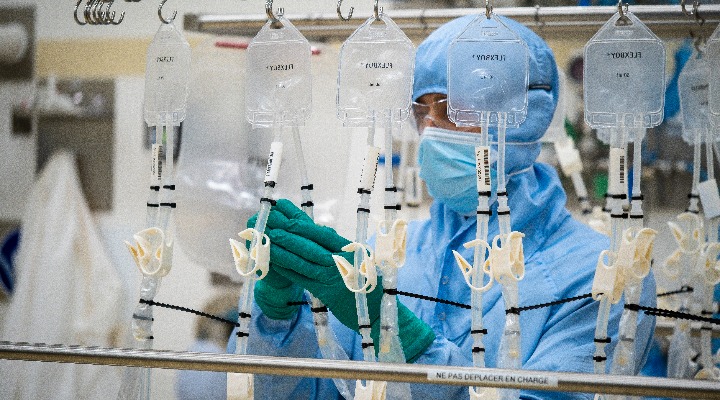
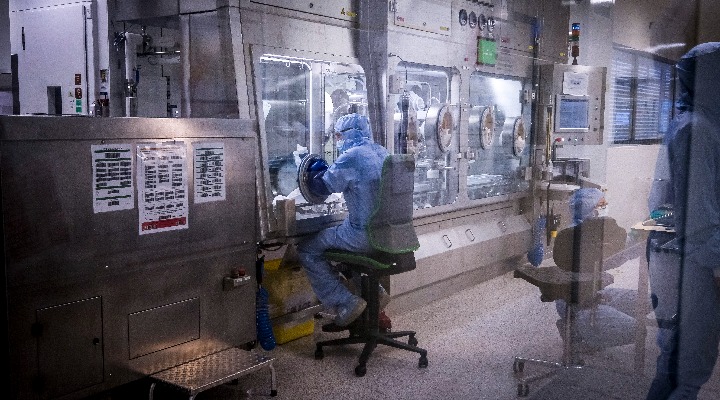
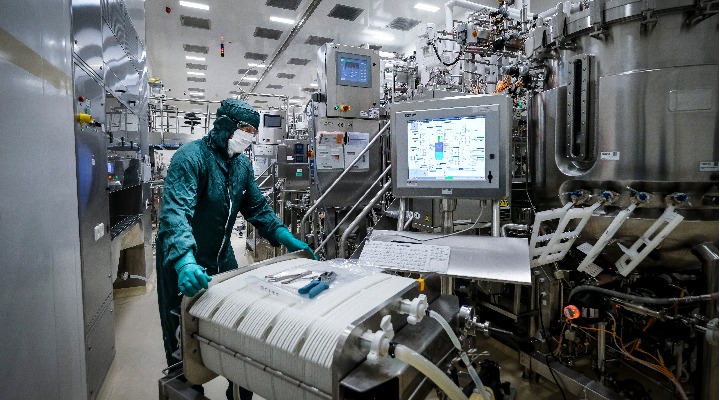
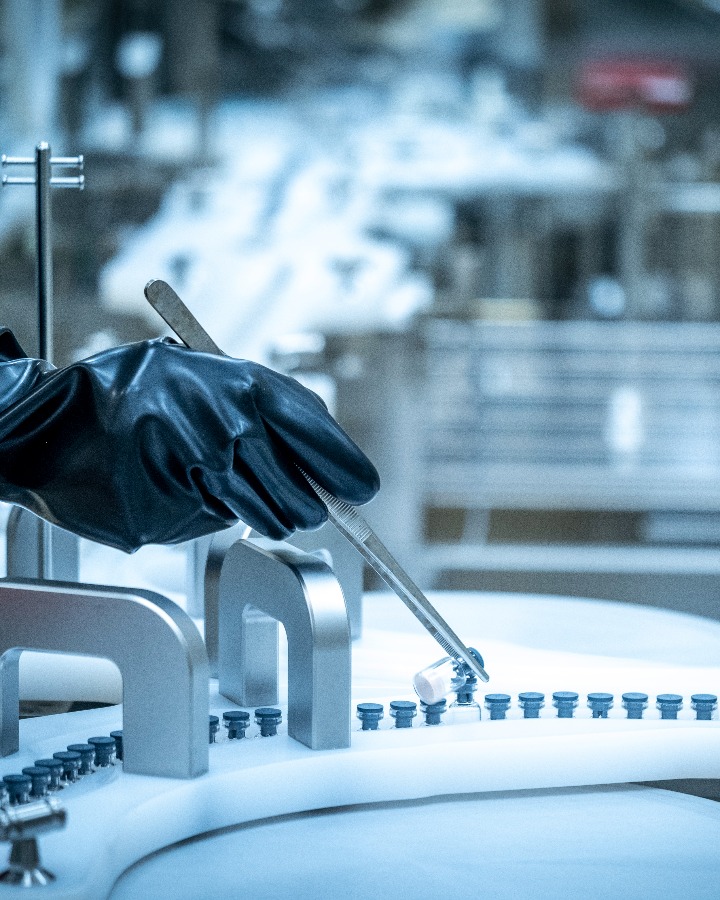
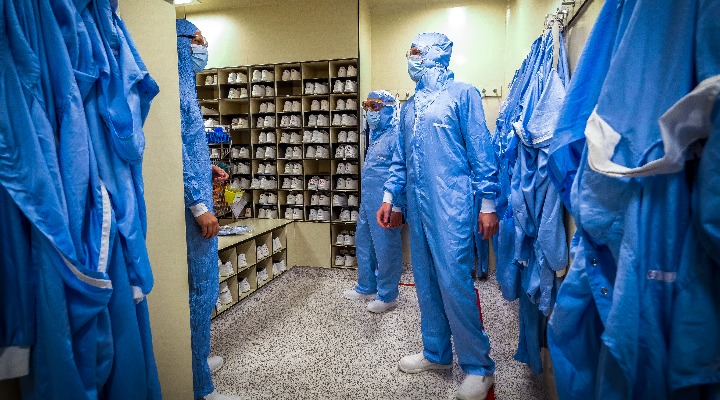
As expected, vaccine production and packaging are done in environments that significantly lessen or outright eliminates the possibility of contaminants getting into the vaccines. Workers put on special personal protective wear, wash their hands in a way that rivals the way surgeons prepping for a major operation do it, and use special equipment that minimizes contact with human skin that could possibly be a source of microscopic pollutants. It was eye-opening to be reminded of the lengths these pharmaceutical companies go through in order to ensure the safety of the life-saving vaccines that they produce.
The takeaway is that while these companies are still businesses that are required to be profitable in order to be sustainable, the work that they do is so important that the phrase “life and death” isn’t just hyperbole but reality. It’s a mystery then, why, despite incontrovertible scientific evidence backing the effectivity of vaccines, there are those who still choose to question and outright deny their value.
In any case, GSK remains committed in its goal of “positively impacting the health of 2.5 billion people over the next 10 years.” And after COVID-19, it and many of the world's other pharmaceutical companies are better able to respond to the next big health crisis.
Special personal protective gear is mandatory when you enter GSK's vaccine manufacturing facilities in Belgium
“I think that the world and the vaccine companies are more prepared because now we have at least in the toolbox the technologies, and are able to respond faster,” said Yannick Vanloubbeeck, head of immunology, research and development, GSK Belgium. “The other thing is very important: it is about the science, and making sure that we remain aware of the evolutions and the trends in how pathogens are evolving and arising. I think that, globally, and it's not only the sole property or mission of vaccine companies. I think the entire world has improved in the monitoring of pathogens and they are developing new tools to address these new threats. I’m not saying that these are efficient and available now, but at least the pandemic has incentivized the need to invest and to monitor these types of things.
“So combining both together, I think there's hope that the company will be more ready tomorrow to fight against any new threats,” he added “But again, everything we do is data driven. And so as soon as a new virus or bacteria emerges, we have to generate the vaccine candidate, generate the right data, and hope that the vaccine will be successful.”
We use cookies to ensure you get the best experience on Esquiremag.ph. By continued use, you agree to our privacy policy and accept our use of such cookies. Find out more here.