• Man at His Best 2025
  • Long Reads
  • Style
  • Money
  • Wheels
  • Culture
  • Opinion
  • CORNER OFFICE
Search
Menu
Close
Close
  • Man at His Best 2025
  • Long Reads
  • Style
  • Money
  • Wheels
  • Culture
  • Opinion
  • Style
    • Fashion
    • Grooming
    • Watches
  • The Good Life
    • Pursuits
    • What She Wants
    • Mavericks
    • The Directory
    • The Noble Man
  • Culture
    • Food & Drink
    • Arts & Entertainment
    • Lifestyle
    • Tech
    • Movies & TV
    • Music
    • Books & Art
    • Design
  • Wheels
    • Cars
    • Motorcycles
    • Drive
  • Money
    • Industry
    • Wealth
    • Capital
    • Movers
  • Long Reads
    • Notes & Essays
    • ESQ&A
    • What I've Learned
    • Fiction
    • Features
  • Life
    • Sports
    • Health & Fitness
    • Women
    • Sex & Relationships
    • Travel
  • Politics
    • Opinion
    • News
  • COUPONS
  • About Us
  • Terms of Use
  • Privacy Policy

NPC Seal of Registration

Esquire has been granted the NPC Seal of Registration in recognition of the successful registration of its DPO and DPS

© 2026 EsquireMag.ph, All Rights Reserved
Long Reads

Sleepless in Sulu: A Majestic Look at the Southern Archipelago of the Philippines

By Gabriel Malvar
Feb 28, 2019
Post a Comment

I watched her sleep in peace. The deep blue evening sky above her unfolded endlessly, mirrored by the calm seas surrounding her below. 
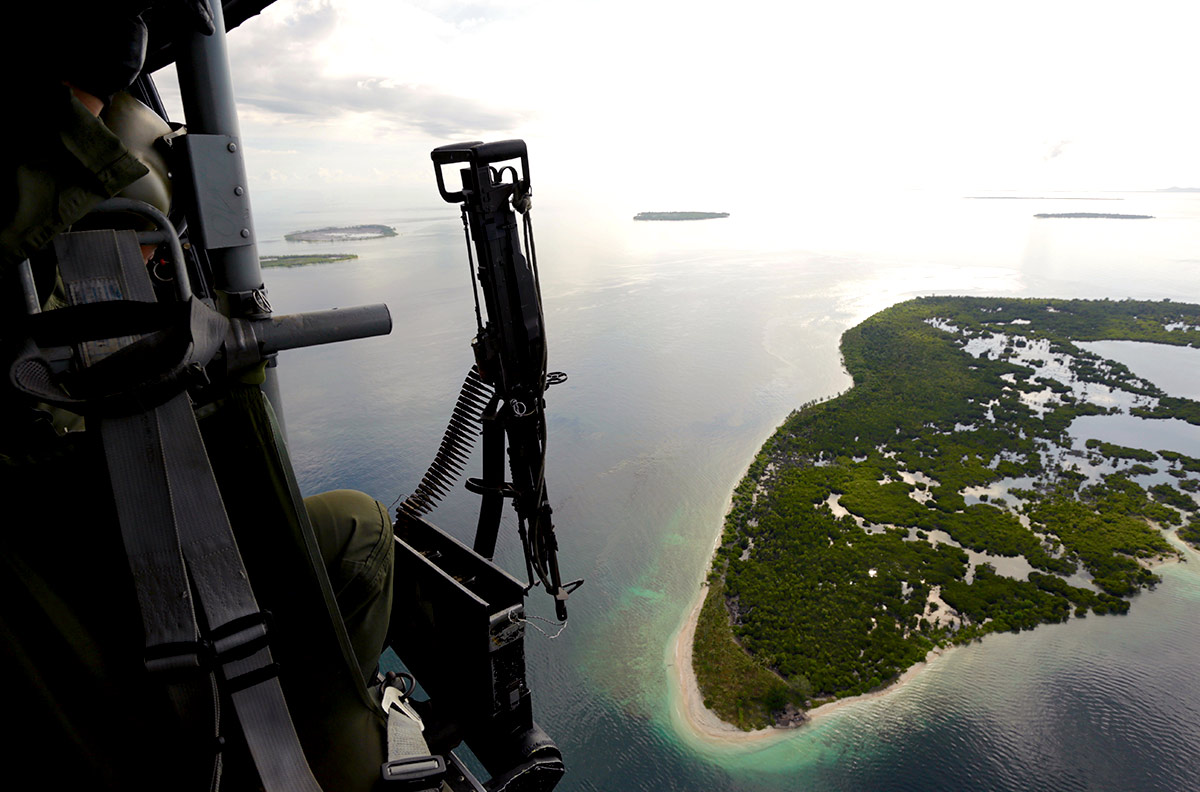

In the stillness of night, Sulu was beyond beautiful in all her quiet majesty and mystery, casting a subtle spell that for a moment brought me seven centuries past, when Arab missionaries first laid eyes on her, and introduced her people—the proud Tausugs—to Islam. 

ADVERTISEMENT - CONTINUE READING BELOW

Since the 12th century, Muslim traders and missionaries from Arabia and Persia had arrived in Mindanao and the Sulu Archipelago through Sumatra, Indonesia. In 1380, more than a century before the Spaniards introduced Christianity in Cebu, Arab missionary Karim ul-Mahkdum came and fortified Islam among the first Muslim settlers in Sulu, laying the foundation for the political rule of his successor, Rajah Baguinda, from 1390 to 1460. 

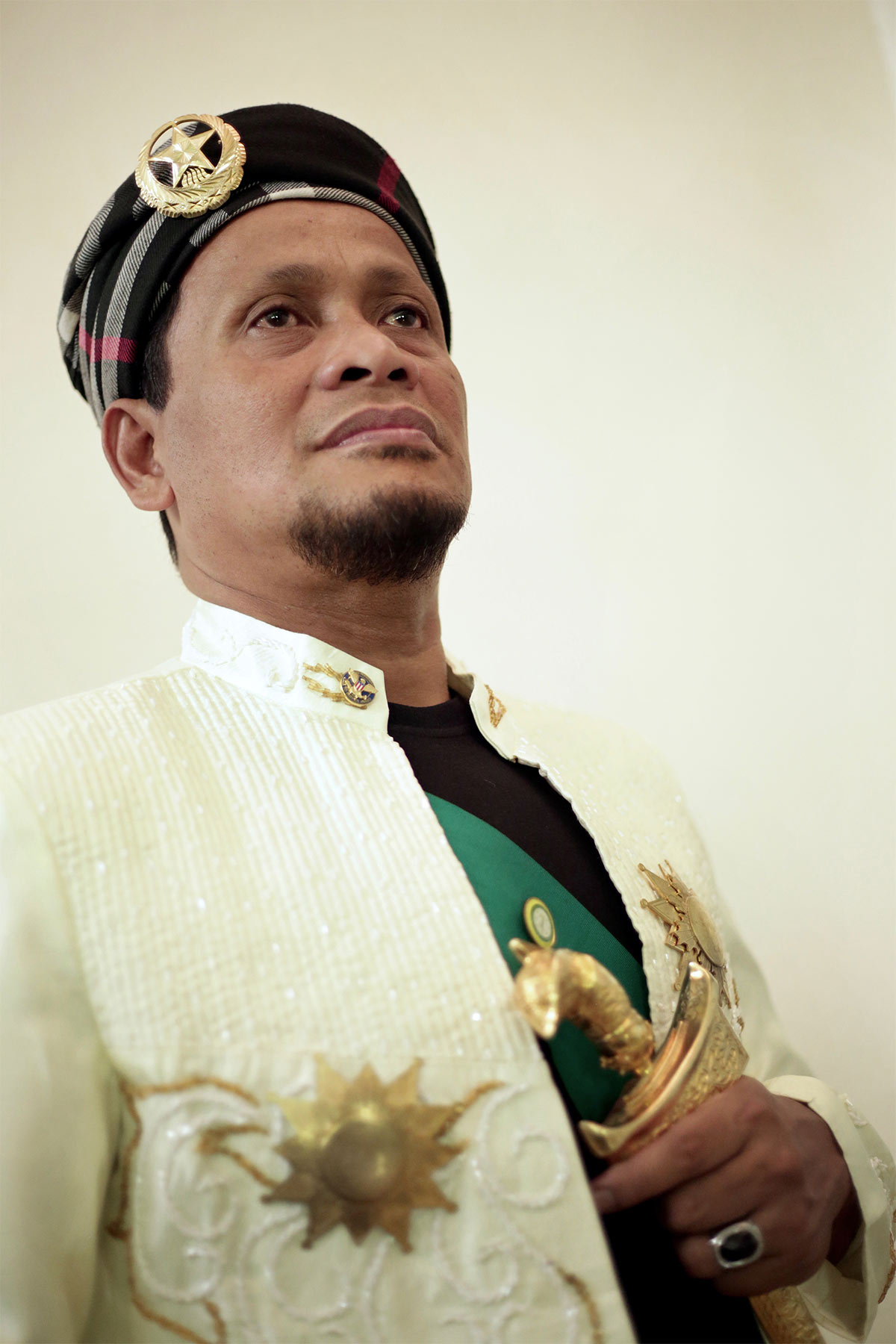
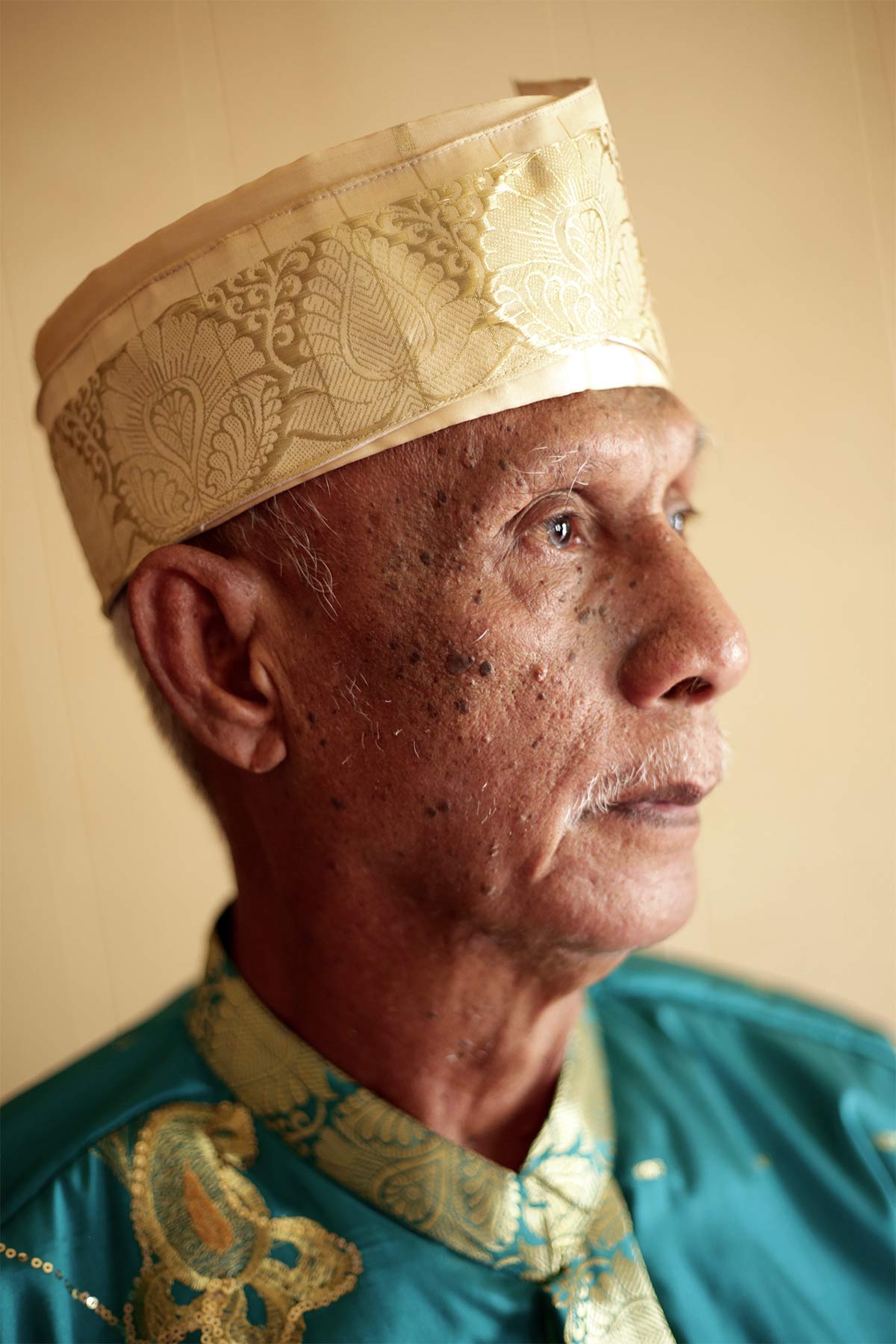
Sultan Phugdalun Kiram II, one of the five members of the Royal Council of the Sulu Sultanate.

CONTINUE READING BELOW
watch now

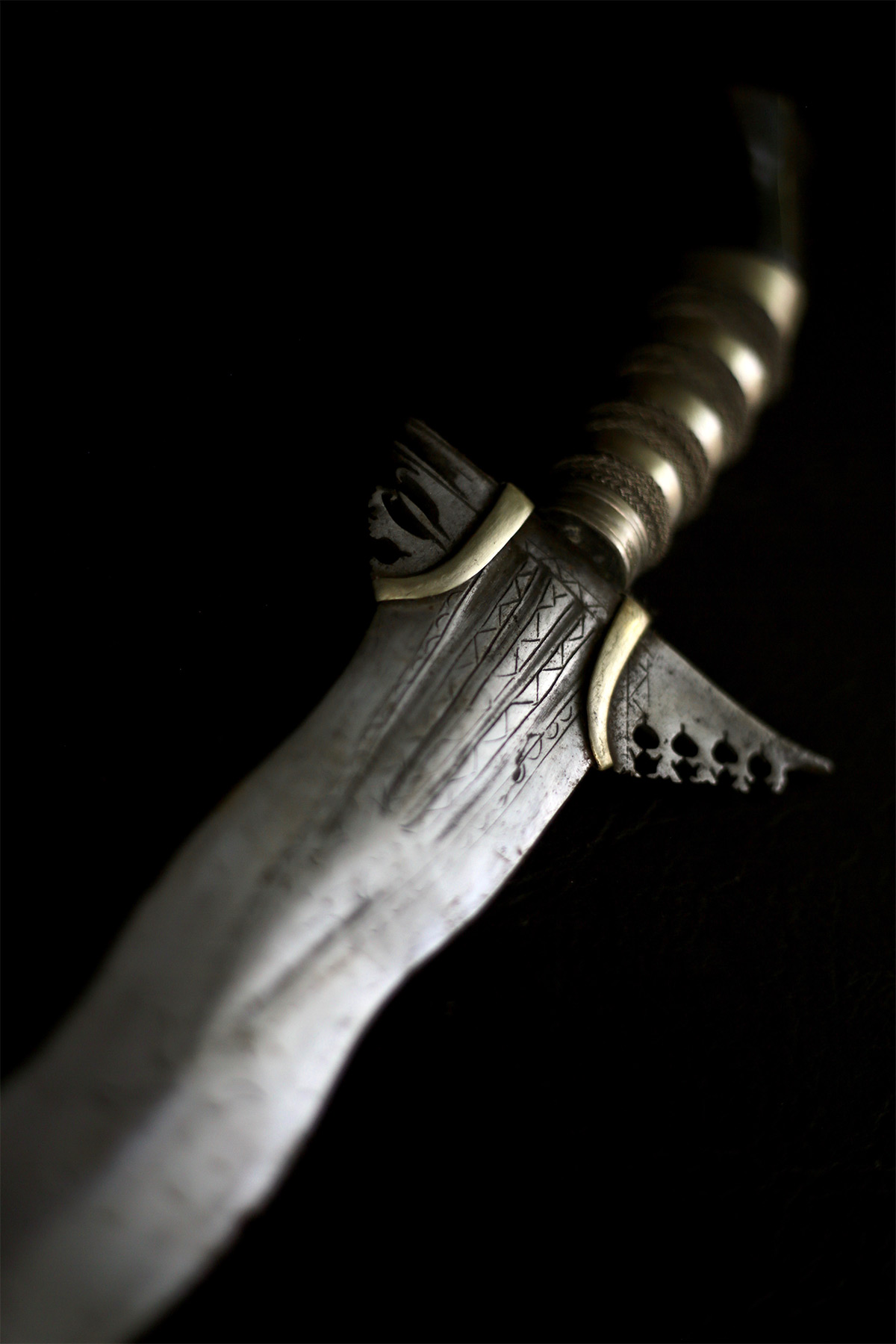
To the brave Tausugs, the kalis is the weapon to weild and an heirloom of honor.
article big image
PHOTO: Gabriel Malvar
Post a Comment

Sultan Muedzul-Lail Tan Kiram, son and Rajamuda (Crown Prince) of the late Almarhum Ampun Sultan Mahakuttah Kiram, the last recognized Sultan by the Philippine government.


Years later, Sayyid Abu Bakr Abirin, an Arab explorer and religious scholar from Johor in present-day Malaysia, married Baguinda’s daughter and settled in Sulu, establishing himself as the first ruler of the Sultanate of Sulu, which reigned through a succession of descendants until 1915. Throughout the country’s colonial history, Sulu’s sons and daughters would bow only to Allah, even as others would come to subdue them, with swords and crosses, pistols and rifles. The conquerors would come and go, fail and turn away in shameful defeat. Sulu would be left unconquered, her people unbowed. 

ADVERTISEMENT - CONTINUE READING BELOW

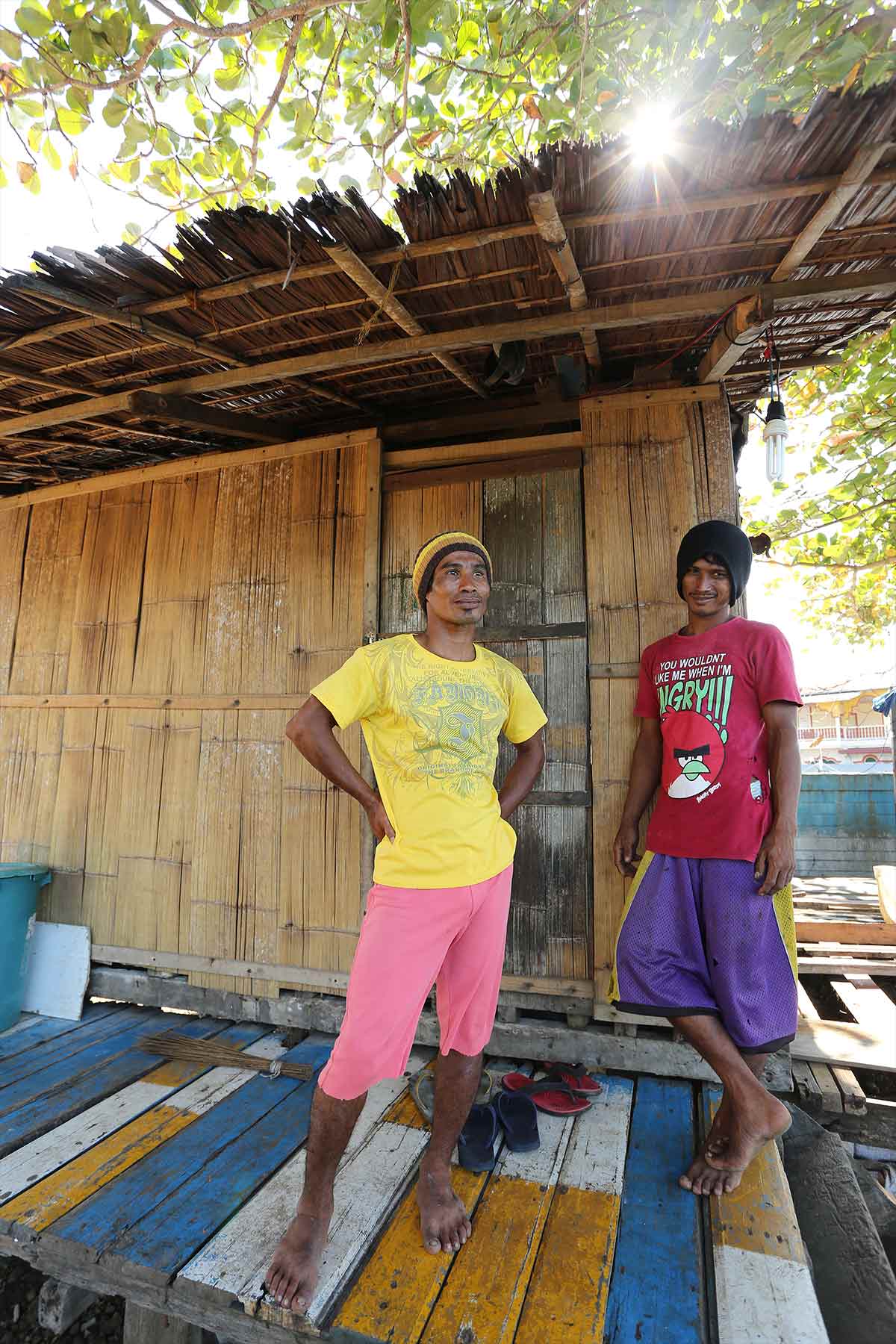
Down time for the Badjao fishermen of Quezon Beach in Patikul


article big image
PHOTO: Gabriel Malvar
Post a Comment


During Martial Law, the Philippine army battled with the Moro National Liberation Front forces that had laid siege on Jolo that February in 1974. In the crossfire, civilian homes and business establishments were burned to the ground, families rendered homeless, charred corpses left in the streets under the sun. A generation later, embers still burn in the minds of those who remember, glowing in their eyes when they speak of what was lost in that fire. The town has since been rebuilt, with modest low-rise buildings replacing older structures that were destroyed. 

ADVERTISEMENT - CONTINUE READING BELOW

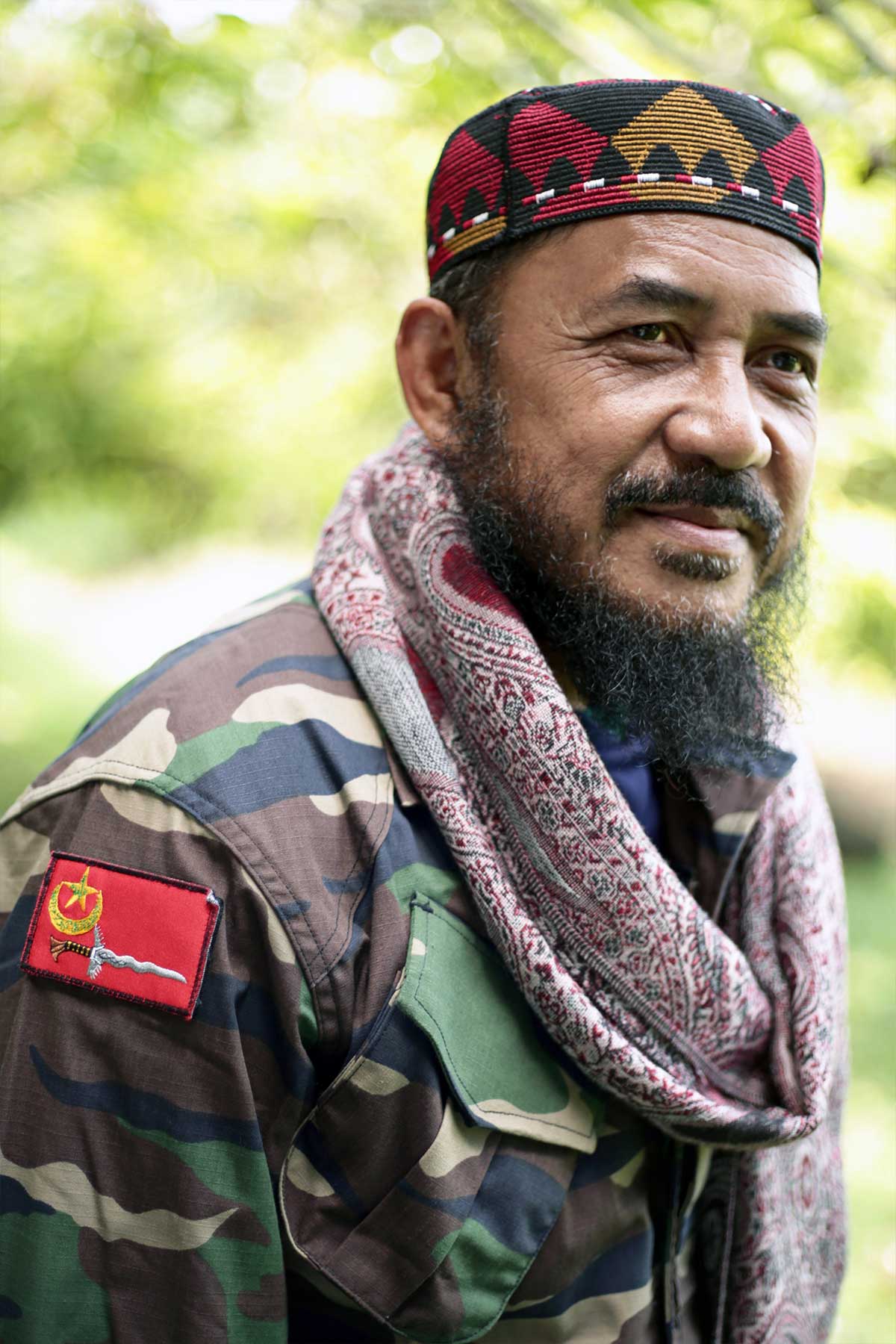
MNLF commander Hadji Yahcub Mahmoud.

article big image
PHOTO: Gabriel Malvar
Post a Comment

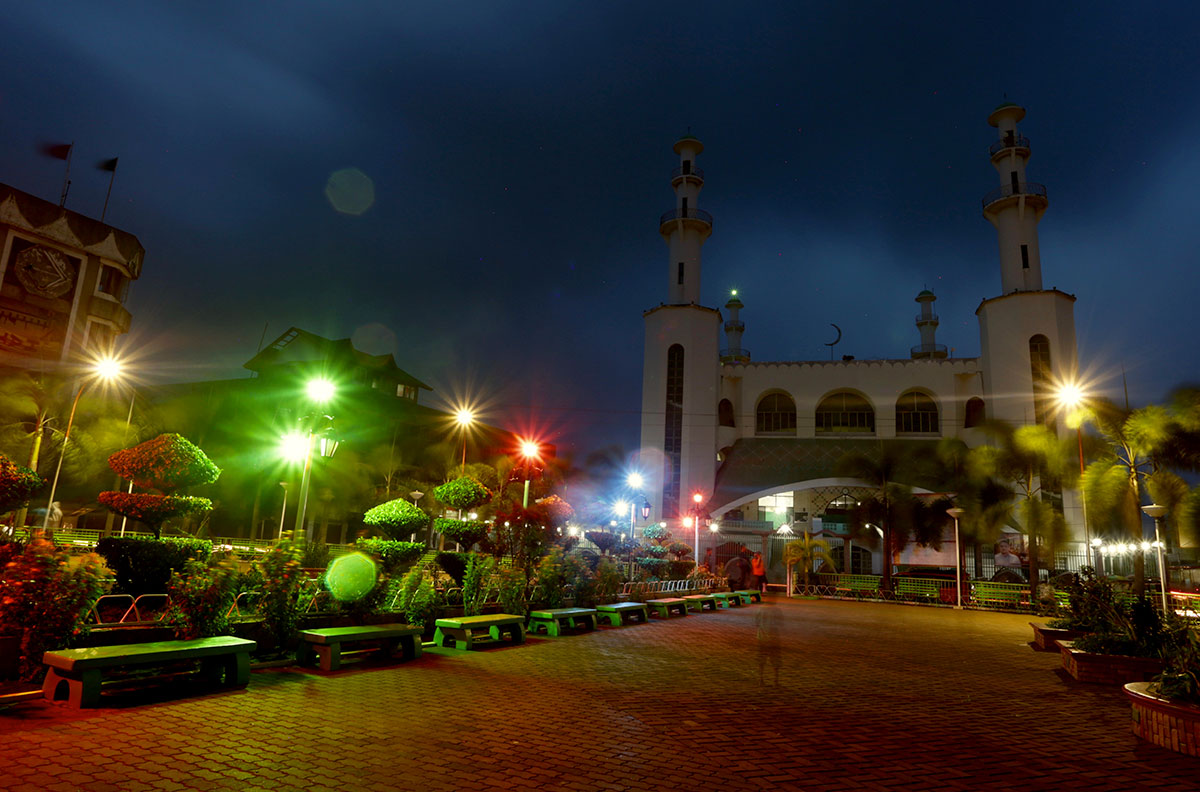
The Masjid Tulay mosque survived the Burning of Joli in 1974.


In the past, I had traveled to other remote islands in the country. But it was only in Sulu that I traveled like a captive, escorted everywhere by a team of Philippine National Police in some places, and the Marines in others. 

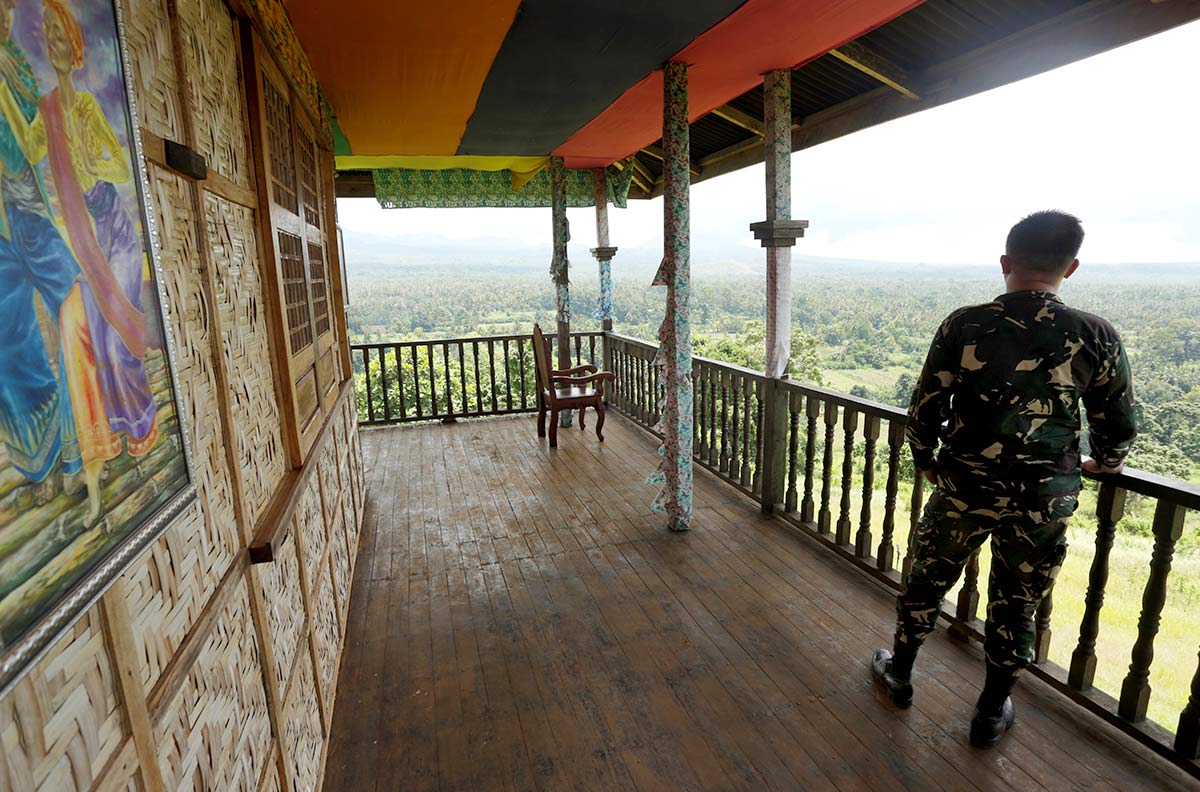
An Astana replica built by marines in Talipao.


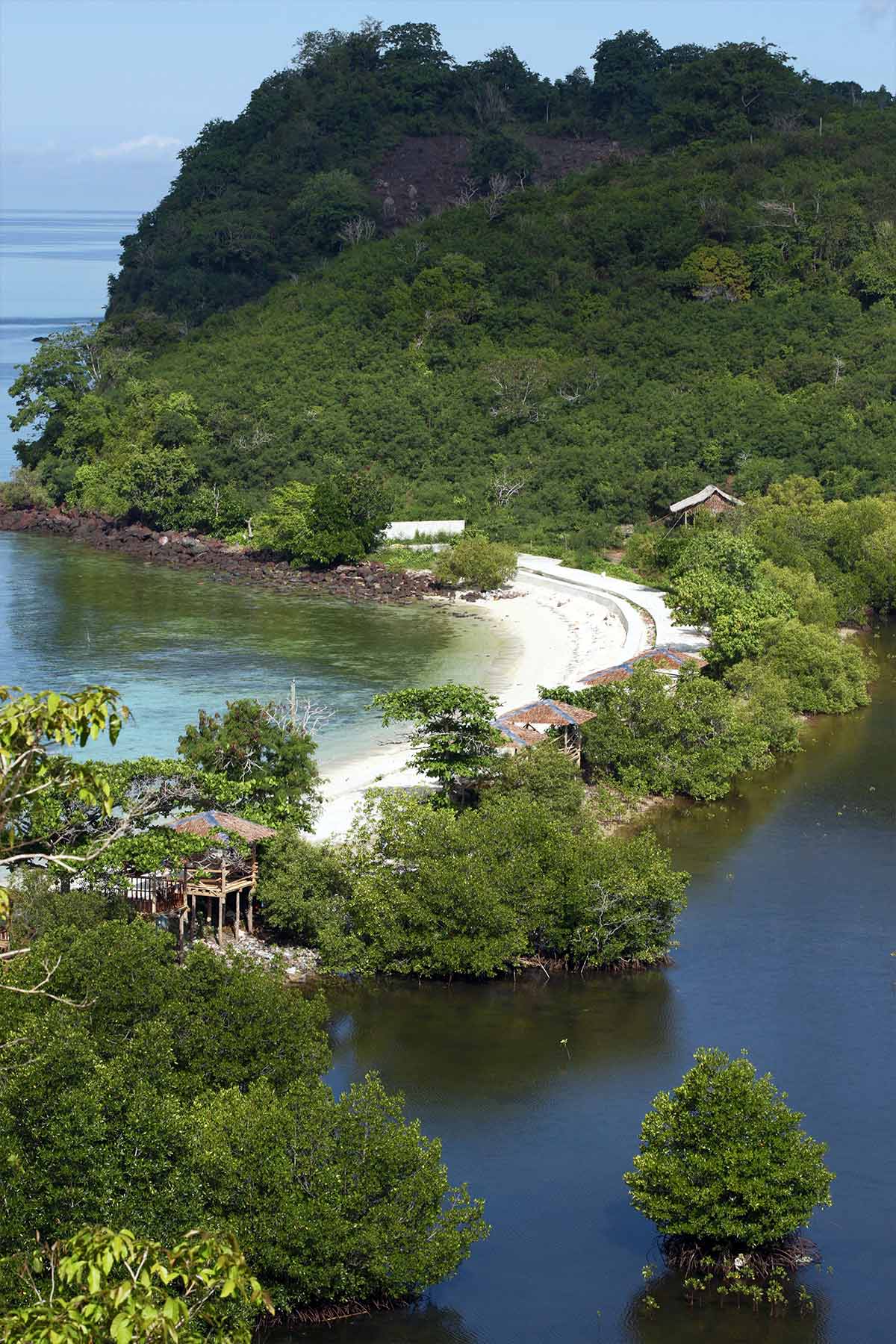
Recently, I had spent time in Patikul, in another military camp. I’d visited the home of a Datu, a kilometer or so from the Abu Sayyaf camp, along a beautiful beach. There I felt the urge to go for a swim, but could not. It did not feel right to take leisure while uniformed escorts were risking their own lives to protect mine. Kidnapping was a reality here, as were encounters with—and beheadings by—the dreaded ASG. 

One time, we had planned on going to the village of Parang to visit the mosque there. But the mayor had radioed, “Maraming baril sa daan.” And itineraries had to change. Just like that. 

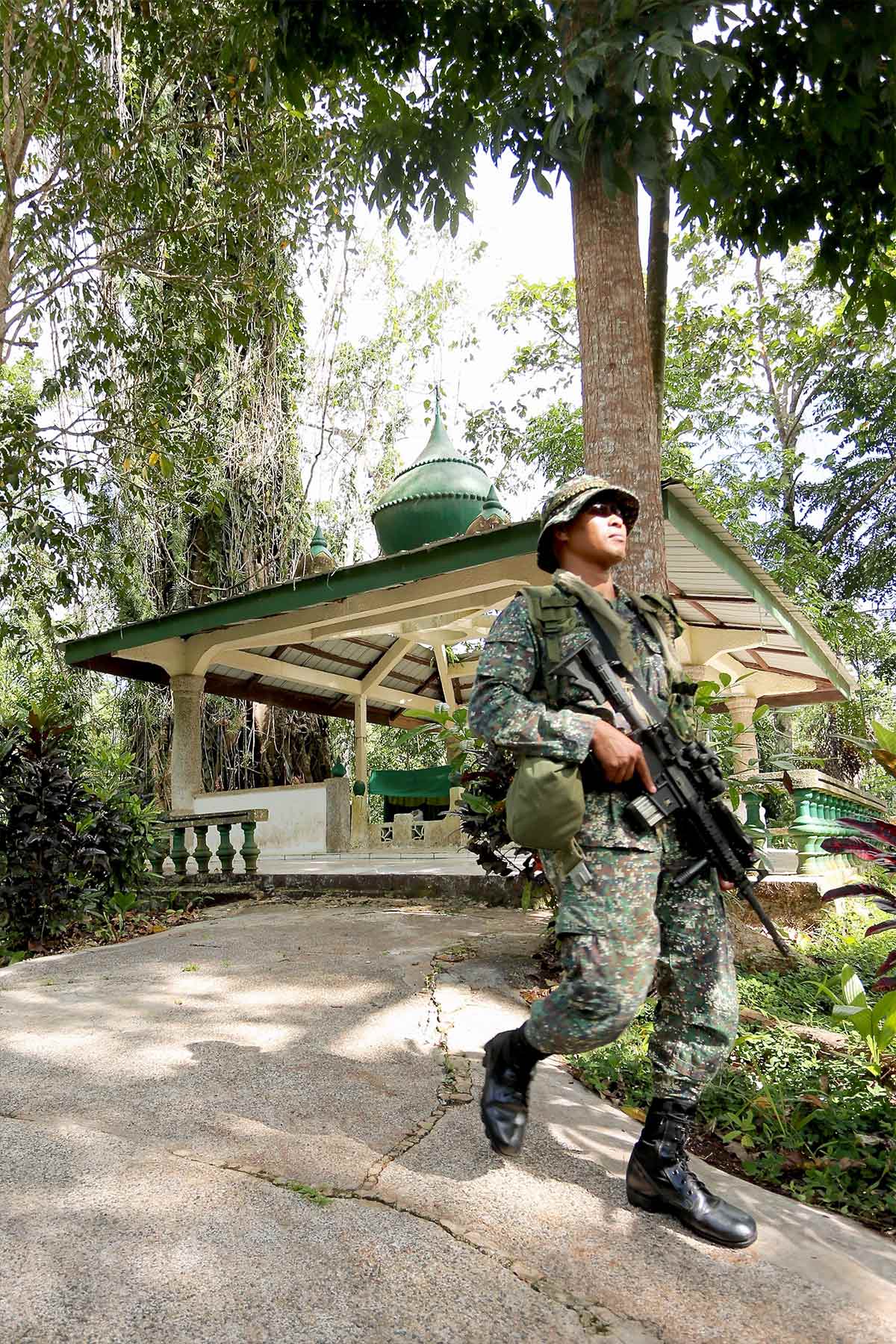
 A soldier patrols the shrine of Baguinda in Camp Bud Datu.


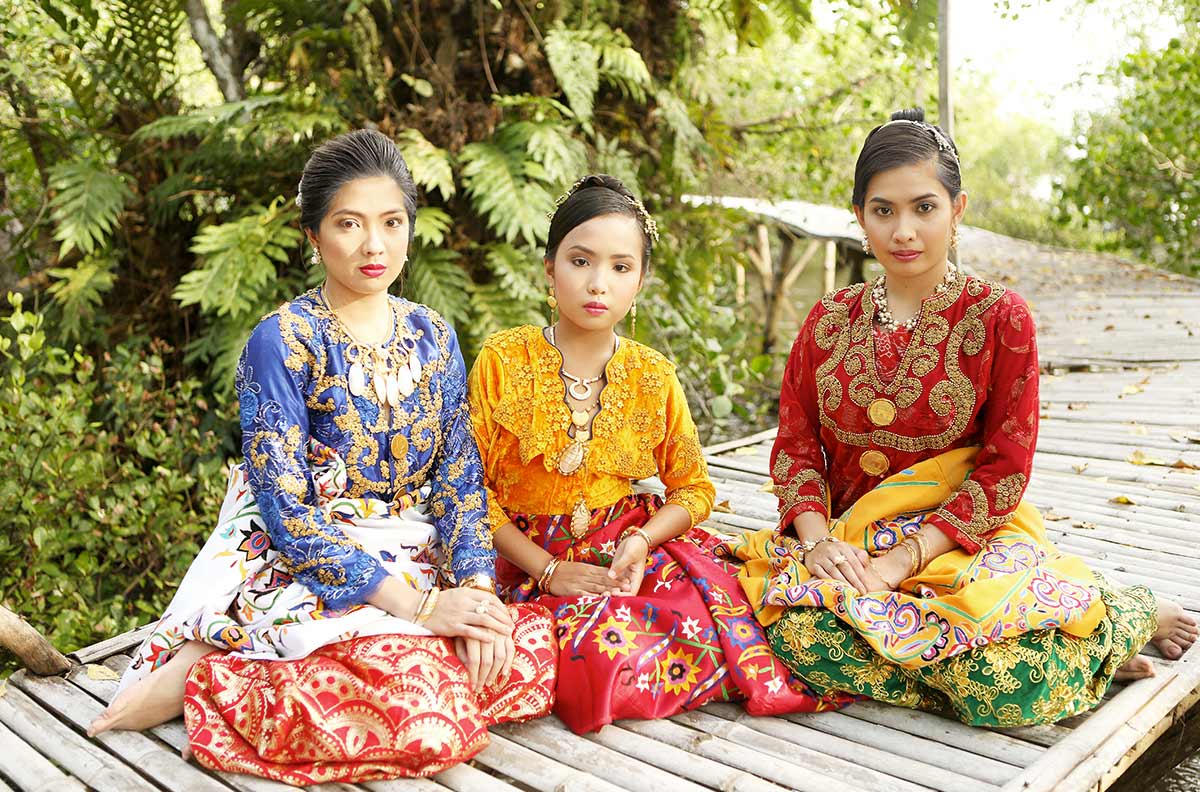
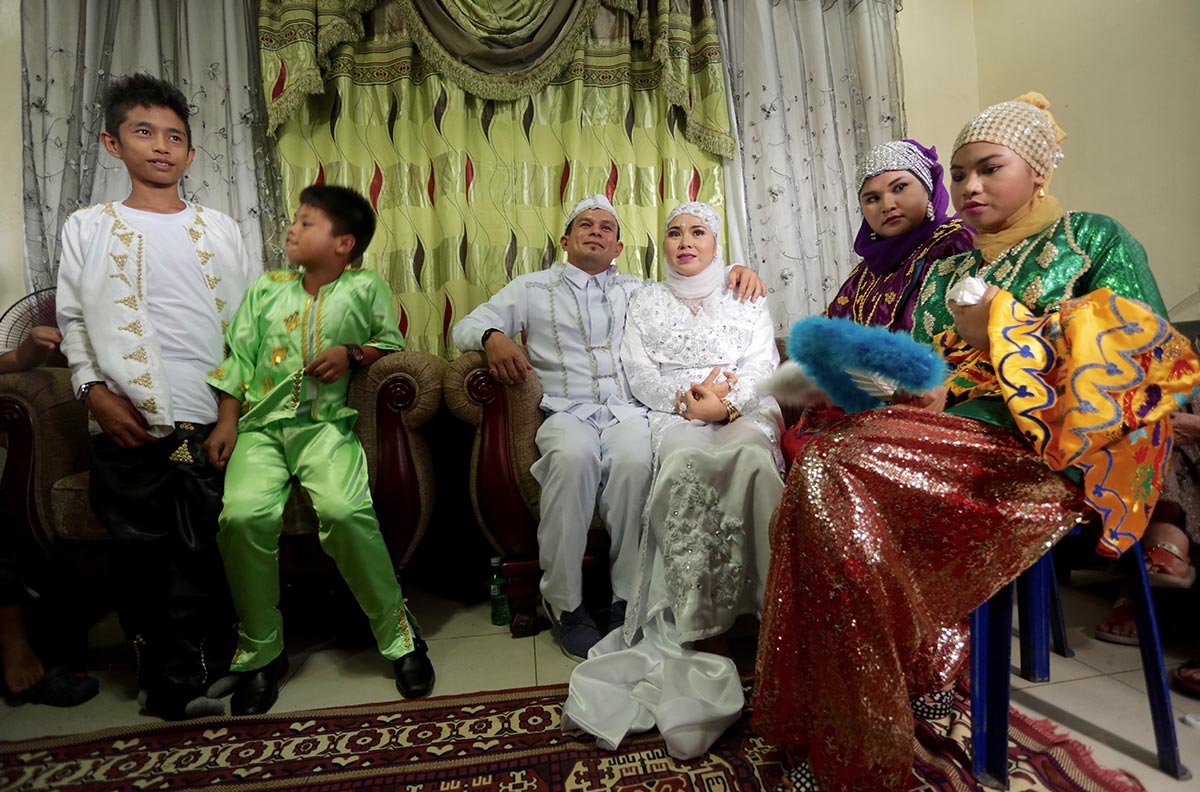
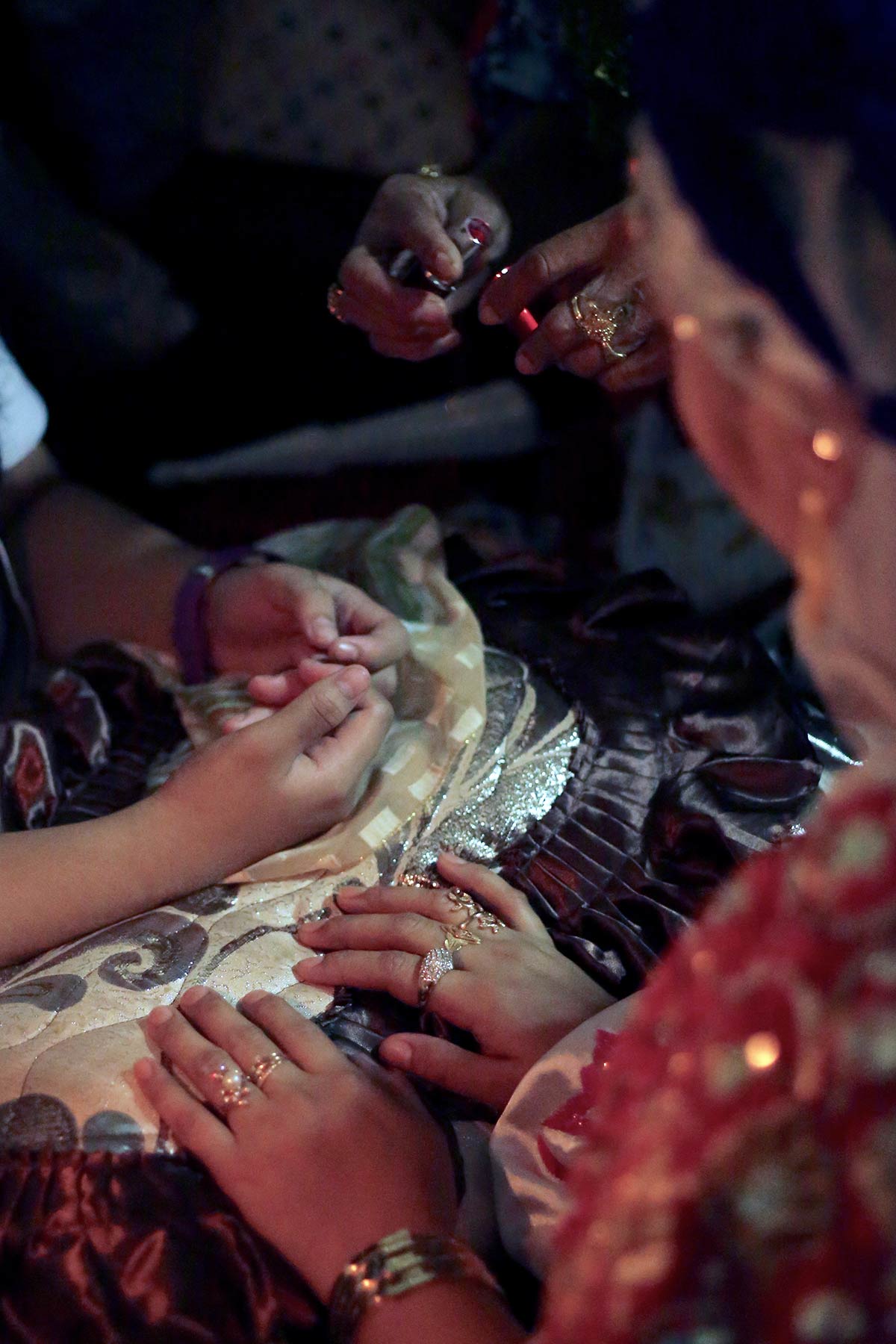
Instead, I found myself at a party to which the provincial director was invited. One of his Special Armed Forces police was married to a local girl. It was inspiring to see how they carried their ancient culture in sacred ceremonies beginning with the Pagpassal, a practice of purification for both bride and groom before the actual marriage. During the wedding rites, both groom and bride wore colorful traditional costumes and jewelry that included gold and pearl rings, as a promise of prosperity. 

A warm welcome for newlyweds in white.


A bride is separately prepared in Pagpassal rites before the wedding.

article big image
PHOTO: Gabriel Malvar
Post a Comment

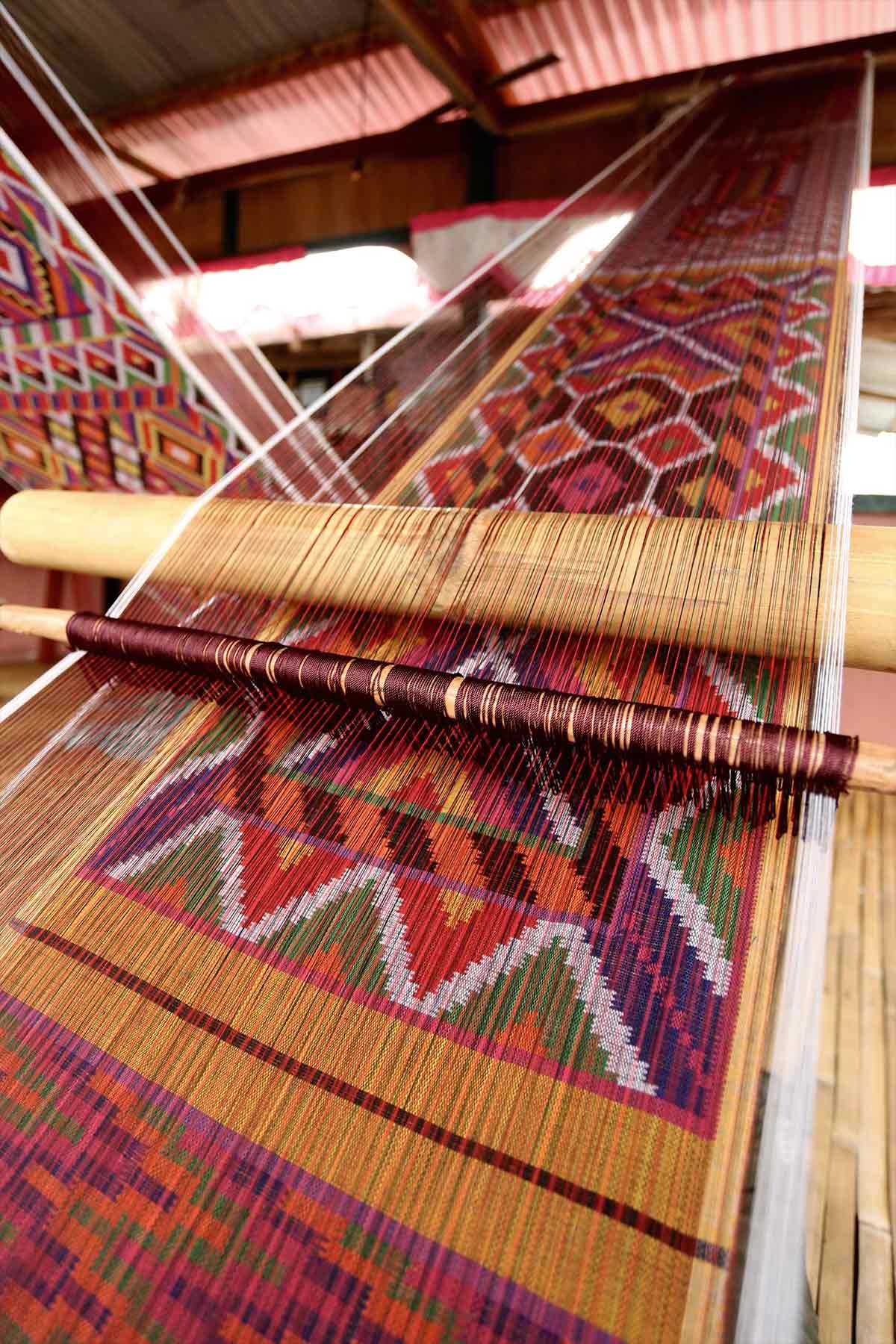
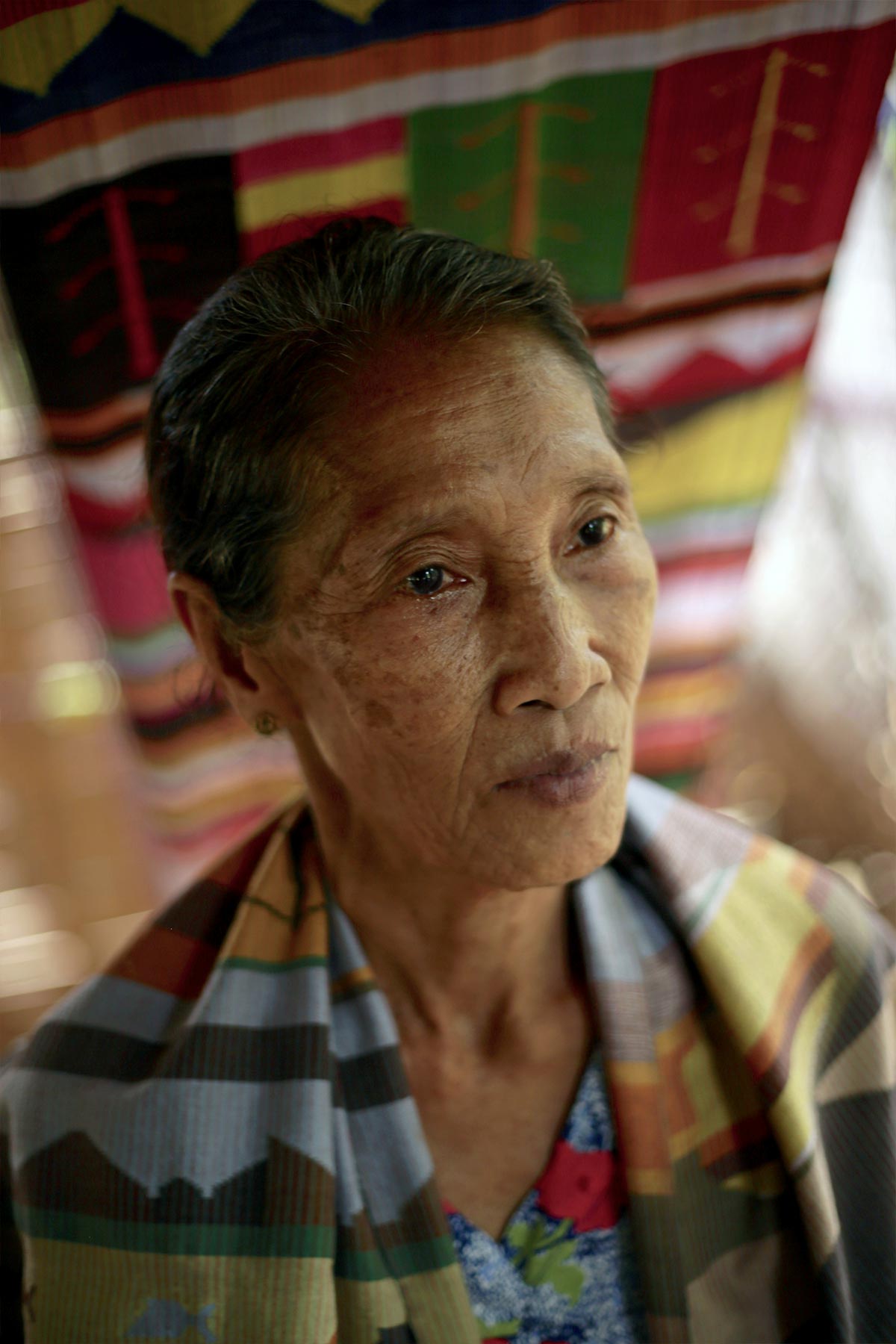
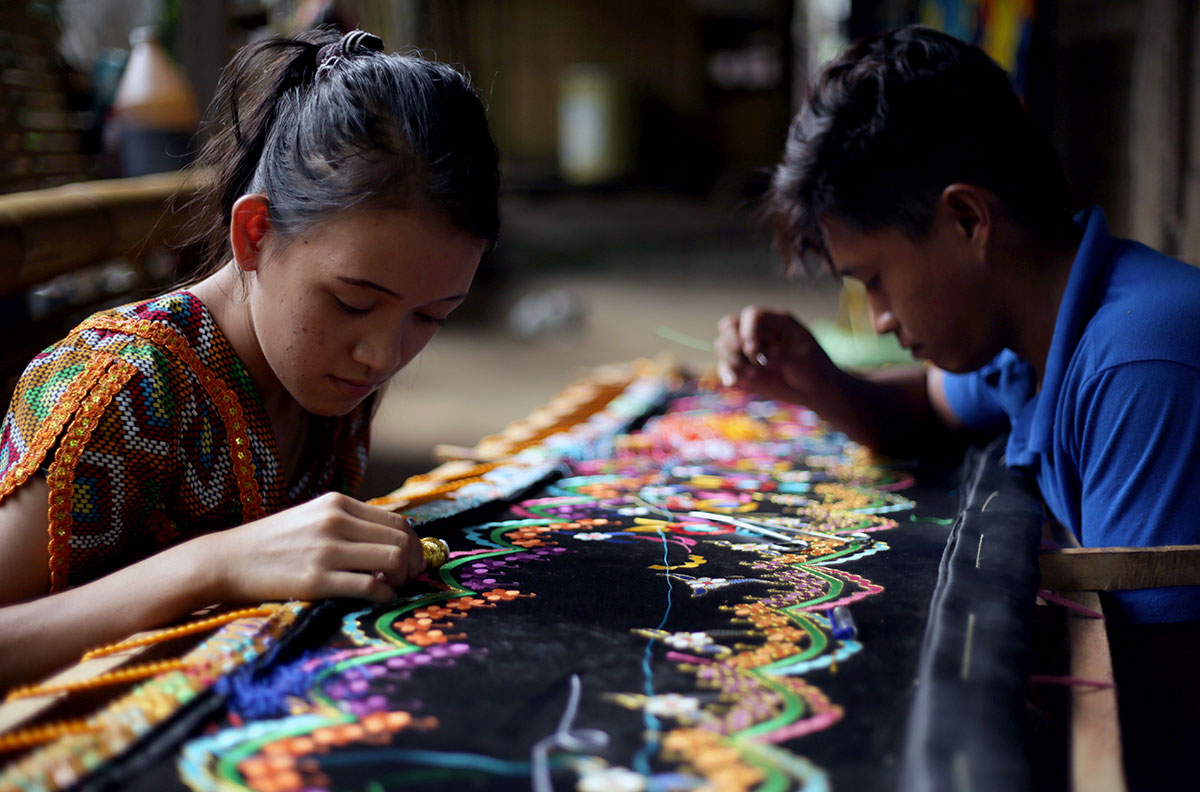
I had made awkward attempts to meet and talk to the locals while being escorted around, and my meanderings somehow led me to some of the finest traditional weavers of Sulu. Aside from seeing the iconic pis siyabit, I was awestruck by incredible tapestries of colors and patterns on cloth that spread and extended across walls and ceilings. 


A pis siyabit weaver from Parang.

article big image
PHOTO: Gabriel Malvar
Post a Comment

The story of creation woven on a pis siyabit.


One was a visual narrative of how the world and people were created. And then in a neighboring barangay, I met a young village woman who created intricate embroideries and sold her work to pay for tuition, went to school for a semester, and then stopped schooling to work again to earn enough to pay for the next semester. 


article big image
PHOTO: Gabriel Malvar
Post a Comment

And then I was brought to the mountain fortress of Camp Bud Datu. The camp had been used by the military as a center and stronghold in promoting order in the area. Amidst a decades long struggle for Bangsamoro faith and self determination, addressing poverty has turned out to be essential to establishing peace, while establishing peace has proven vital for economic growth and livelihood to flourish. 

In the meantime, while peace negotiations forged on and gained ground, the extremist Abu Sayyaf remained at large—and active. 

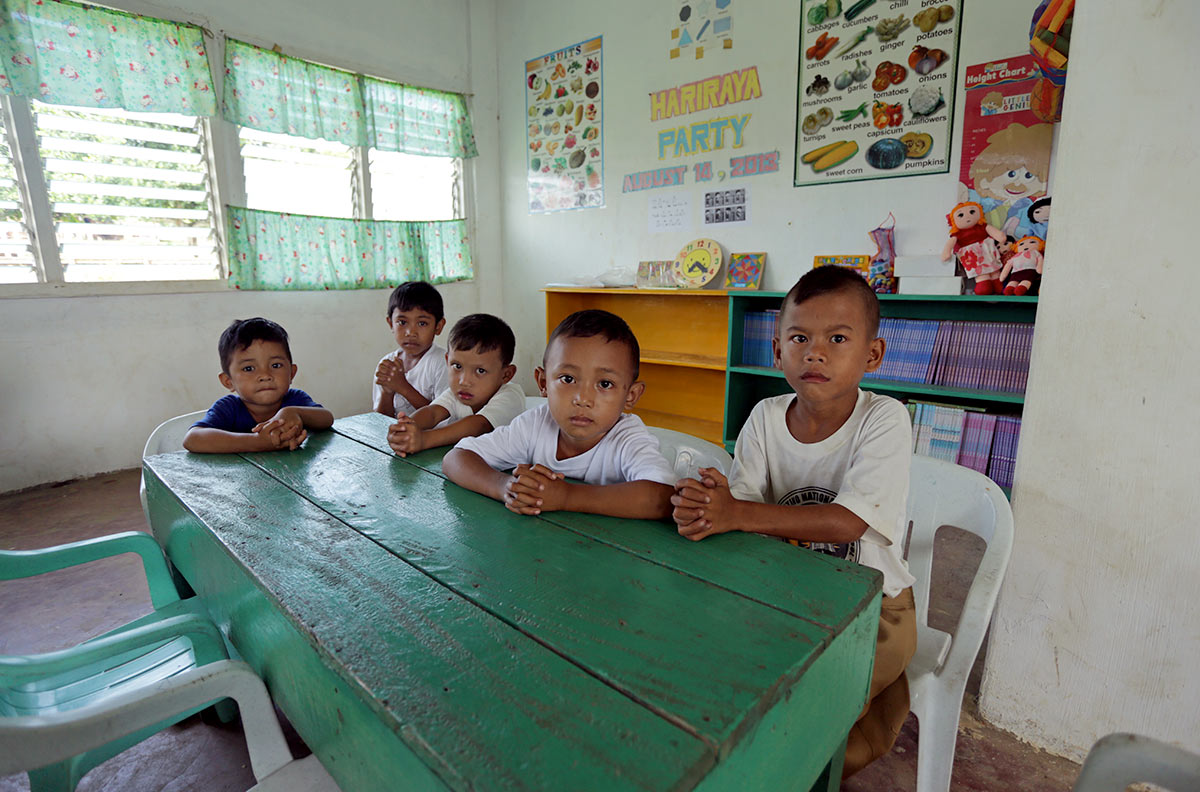
The morning sun started to rise. Sulu began to awaken. As dawn broke and the skies began to light up, the ancient voice of prayer soared through the birthing of a new day, while children went off to school. I looked out from the balcony again, sleepless yet dreaming, for this land of unfulfilled promise to find her peace. 

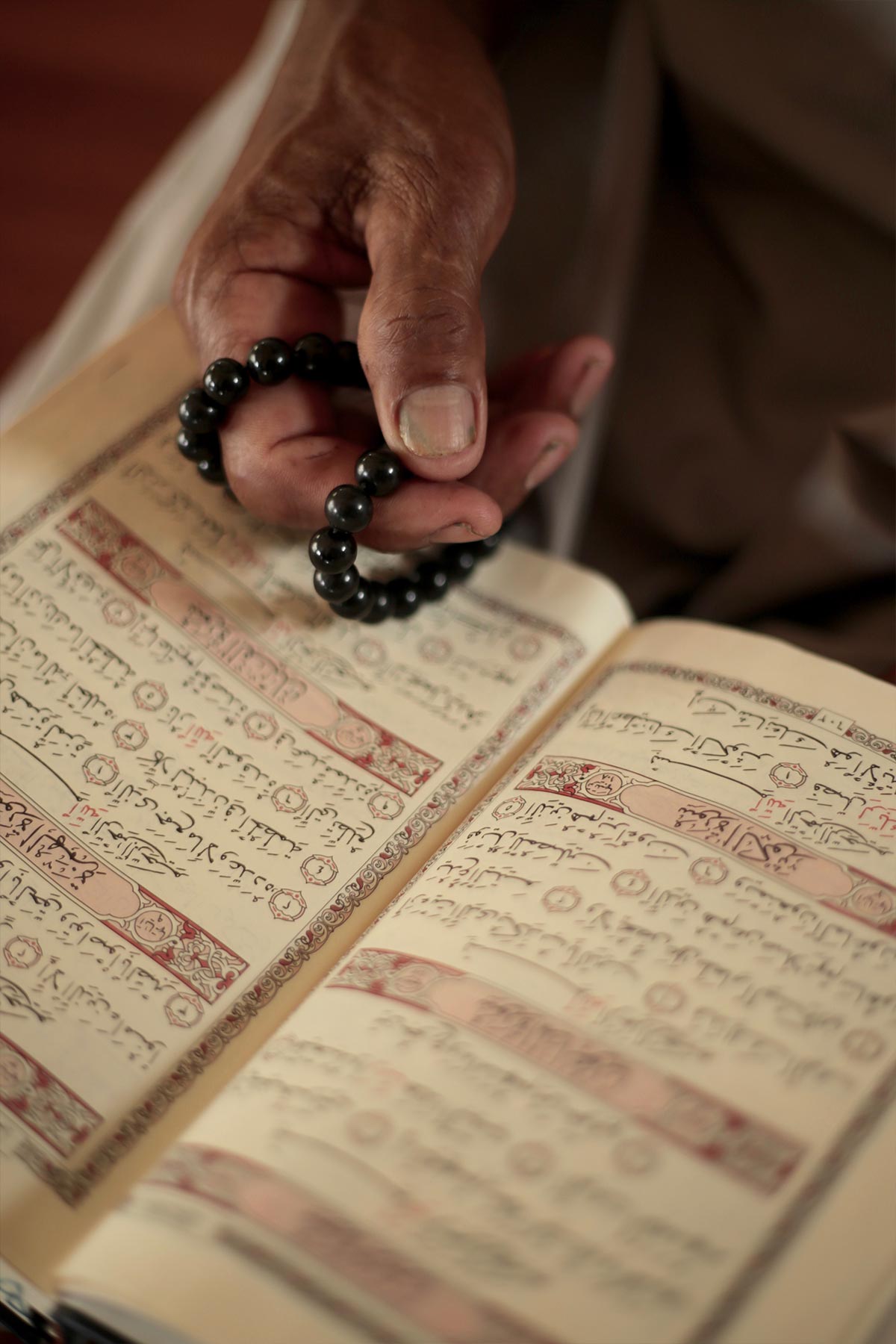
Prayer beads and the Qu’ran.

article big image
PHOTO: Gabriel Malvar
Post a Comment

One of Panglima Tahi’s jewels.


As told to Froilan Medina. This story is an excerpt from Passages by Gabriel Malvar.

Read Next
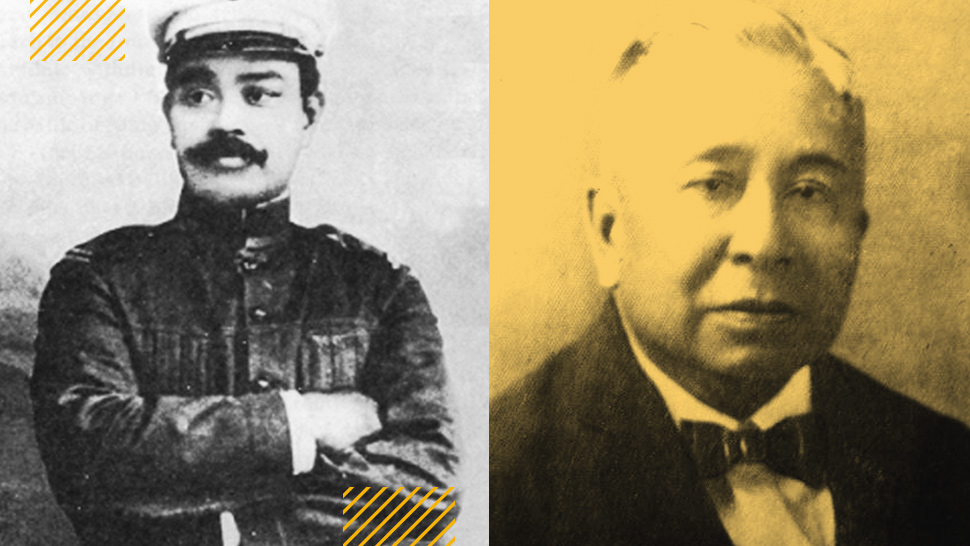
Who are the Descendants of our Heroes Today?
Read more stories about
  • features,
  • Esquire videos
Most Shared
by author
Esquire Money
Most Popular
Latest Feed
The New Dean of New York University's Faculty of Arts and Science Is a Filipino
Armscor CEO Martin O. Tuason Passes Away at 51
A Fond Farewell to Chocolate Lover Inc.
The 8-Ball of Greatness in Philippine Pool
Tom Cruise Wore an Extremely Rare £70,000 'President' Rolex Watch to Accept His First Oscar
What Can Poetry Teach Us about Natural Disasters?
#InTheLoop
  • Politics
  • Culture
  • MONEY
  • Style
  • Long Reads
© EsquireMag.ph, All Rights Reserved.
  • About Us
  • Contact Us
  • Terms of Use
  • Privacy Policy
  • Sitemap
Close

We use cookies to ensure you get the best experience on Esquiremag.ph. By continued use, you agree to our privacy policy and accept our use of such cookies. Find out more here.

Present
Read Cover Story
Read Cover Story
Catfish Image