

The Real History Behind Vikings: Valhalla

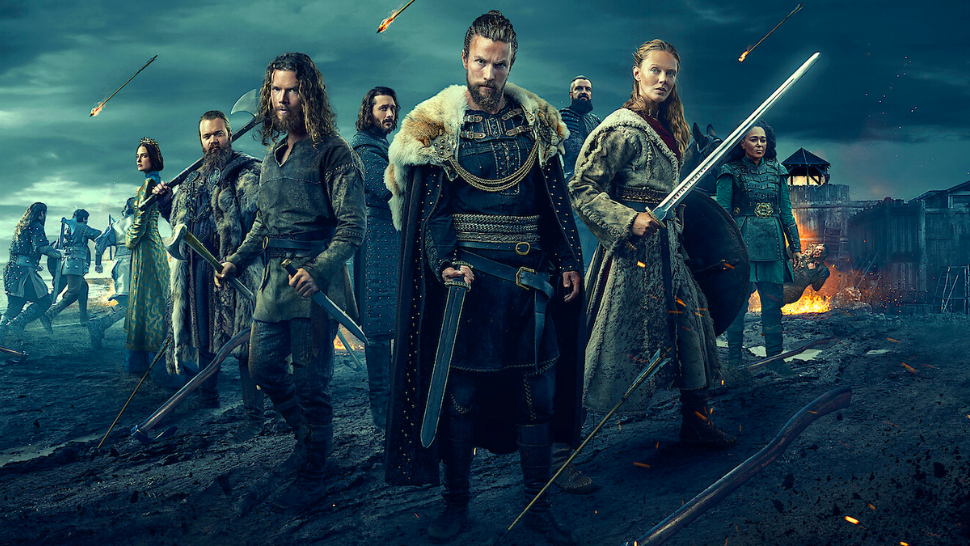
Less than a month since its release, Vikings: Valhalla is now the second most-watched Netflix show this week, recording over 80 million hours watched worldwide. The Vikings successor show is in the top 10 in 88 countries, from the land of its origin story (Denmark, Norway, Sweden) all the way to countries like the Philippines.
From its bloody fight scenes to the barbaric and poetic display of Viking culture, Vikings: Valhalla is a worthy successor to the original History show. And just like the original series, Valhalla is terribly historically inaccurate—which is definitely something we’re not complaining about. If you want historical accuracy, look for a documentary. If you want a romanticized drama on Viking battles, cultures, and sex, then head over to Netflix. Valhalla takes a lot of creative liberties to deliver quality television, but it does touch upon important events in Viking history and stays true to the spirit of the times.
Here are the actual historical events covered in the show:
St. Brice’s Day Massacre
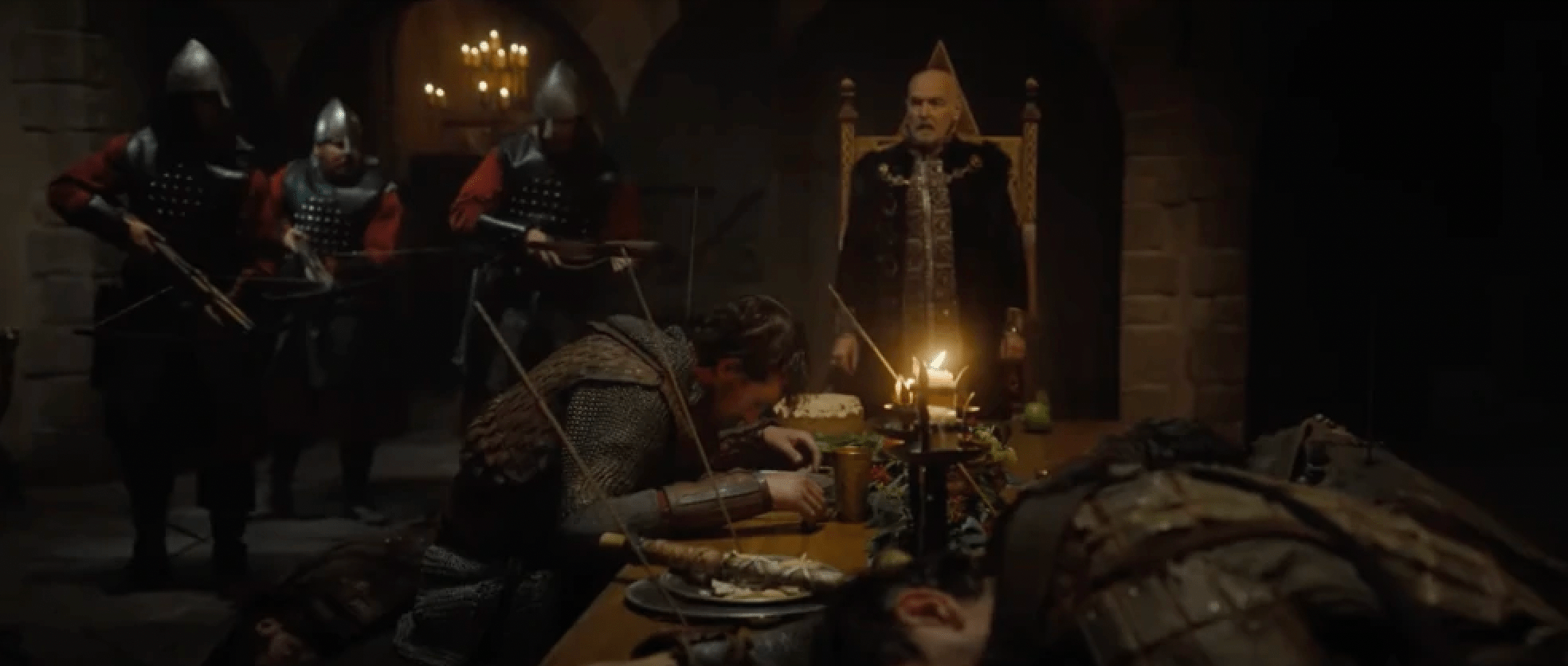
The Viking massacre that triggered the Viking invasion actually did happen on November 13, 1002. Despite the tenuous peace between the Viking Danes and the English Saxons, the Danish were still raiding English towns. As such, the poorly advised King Aethelred the Unready (played by Bosco Hogan in the show) ordered the massacre of all the Danes on English land. The Vikings retaliated by taking all of England from Aethelred, who fled his country and lived in exile for most of his life.
Unlike what’s presented in the show, Aethelred didn’t die before the Vikings came, and it was actually King Canute’s father, Sweyn Forkbeard, who led the invasion.
London Bridge Falling Down
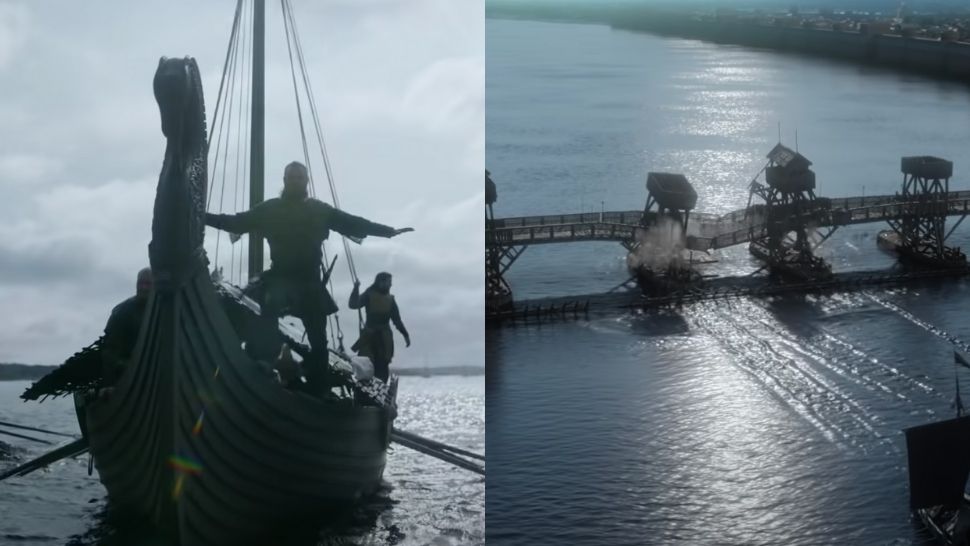
While the bones of the victims prove St. Brice’s Day Massacre actually happened, the legend of London Bridge falling down relies solely on Skaldic poetry. The Norse passed on history through songs and stories, but they were susceptible to embellishment. Still, the sagas agree that St. Olaf is credited for pulling down the great London Bridge, which is said to have inspired the nursery rhyme.
Funnily enough, Olaf (played by Johannes Haukur Johannesson) in the show is shown to be slightly upset that Leif (played by Sam Corlett) got all the glory for taking down the bridge.
Leif Erikson
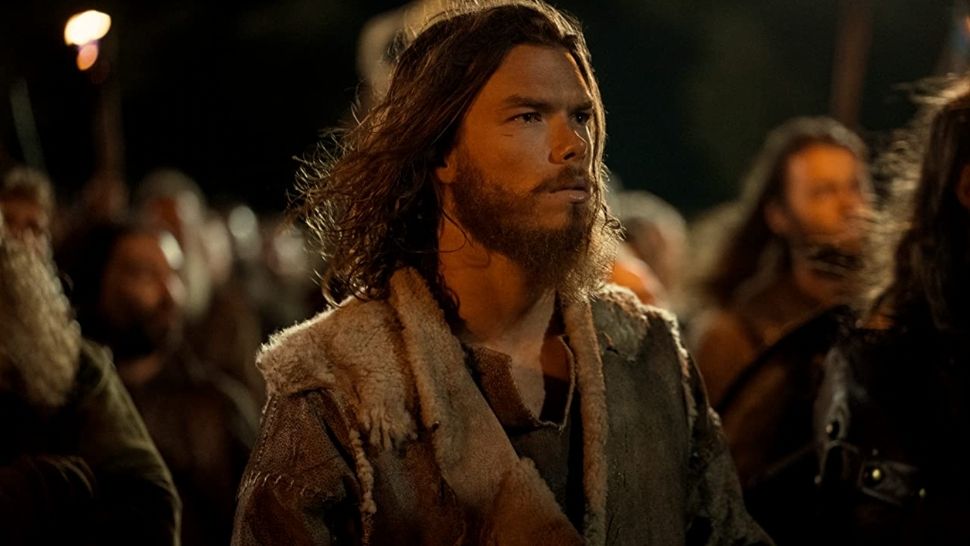
Before Christopher Columbus proclaimed he discovered the New World, Leif Eirikson got there first. He was the first European to step foot in North America, centuries before Columbus was even born. The Greenlander founded the first European settlement called Vinland, which is likely the same island as Newfoundland, Canada. The Vinland sagas focused on Leif’s life as an explorer and eventual conversion to Christianity (spoiler), so it’s unknown if he actually went East to Norway, Denmark, and England during his travels.
Freydis Eiriksdottir
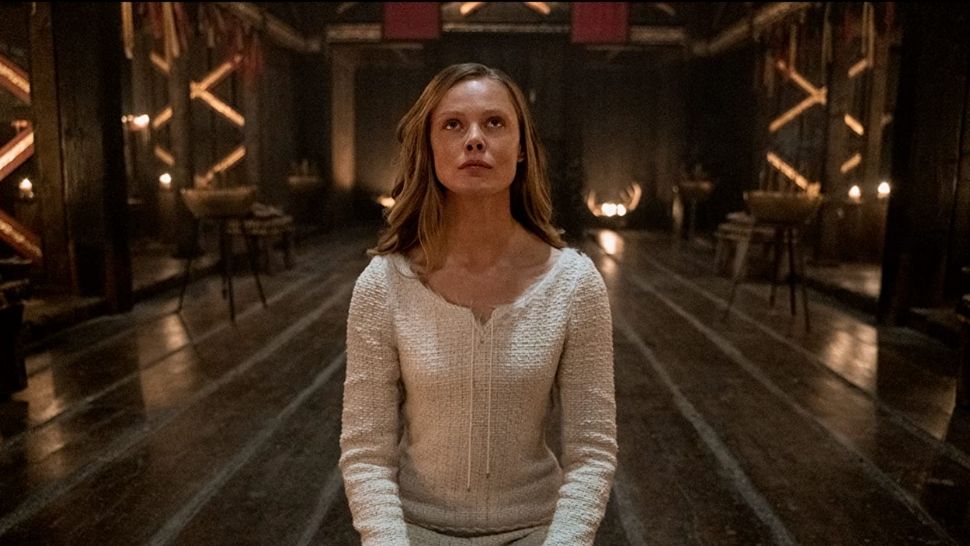
Joining Leif’s North American exploration was his sister, Freydis (played by Frida Gustavsson), who was actually just as fierce in historical sagas as she was portrayed in the show. Although the series explores Freydis’ faithful pagan ways, the Vinland sagas tell the stories of her bloodlust, societal defiance, and warrior-like personality. The strong-willed woman is remembered as the antithesis to Leif, who is largely remembered as noble and wise. Freydis, in comparison, lived up to the notoriety of their father, Erik the Red, who was exiled and outlawed for murder.
Prince Harald Sigurdsson

In the show, he’s known as Prince Harald Sigurdsson (played by Leo Suter), but history books remember him as Harald Hardrada, the last Viking king. He was actually born decades after Leif and Freydis, so the three likely never met in real life. The series ended with Olaf’s failed takeover of Kattegat, which is likely meant to parallel the actual war Olaf and Harald waged against King Canute for the crown of Norway. After losing the war, Harald was exiled and spent decades traveling through Kyivan Rus, Constantinople, Asia Minor, Sicily, Bulgaria, and more. He eventually returned to Norway to become king but…
Spoiler alert. King Harald was killed in battle by his supposed ally Earl Harold Godwinson during the 1066 succession crisis. In case the name sounds familiar, it’s because Harold Godwinson was the son of Godwin, Earl of Wessex—the slimy Petyr Baelish-like character played by David Oakes.
King Canute
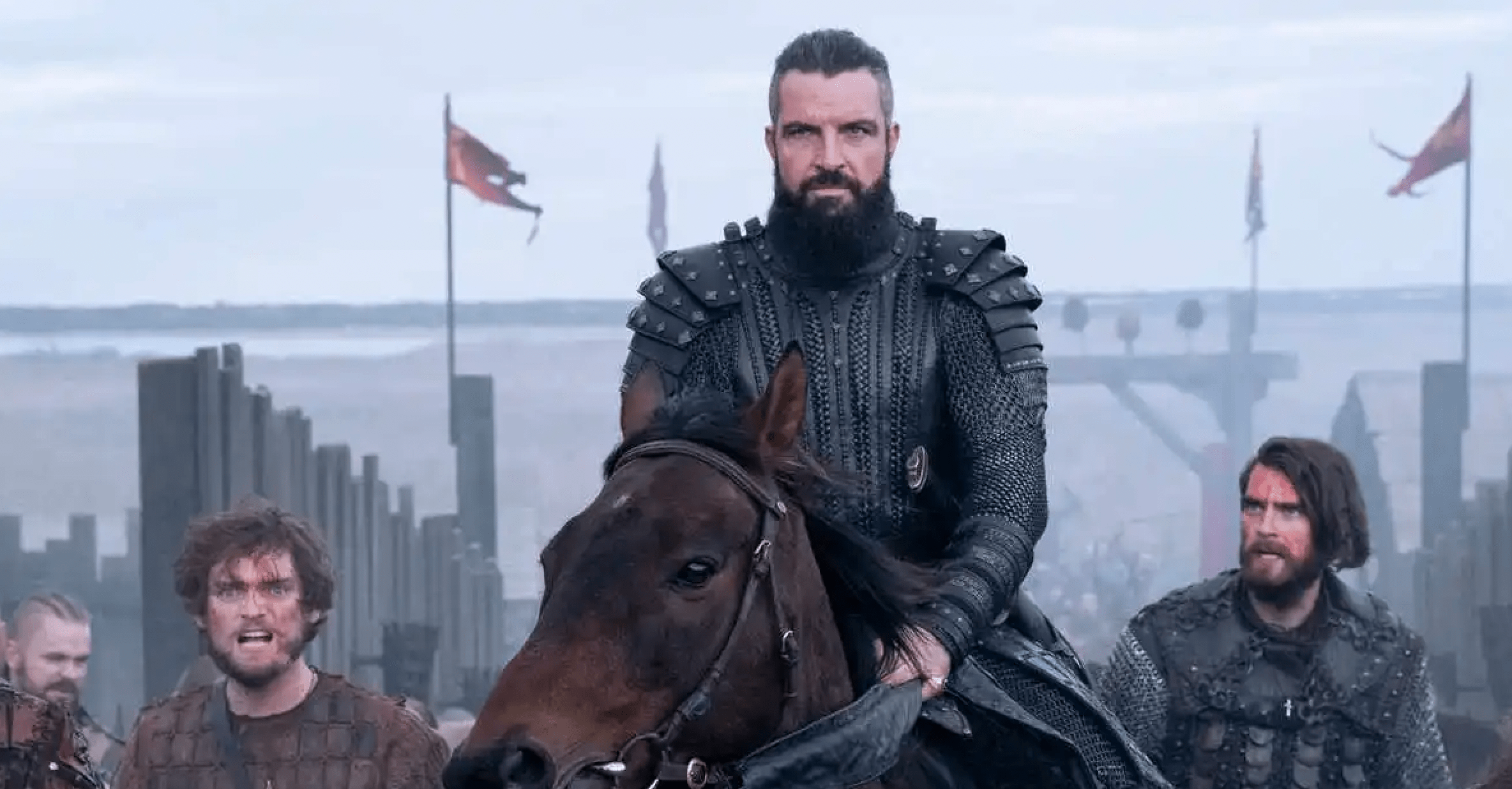
Remembered as King Canute the Great (played by Bradley Freegard), the Viking created the short-lived North Sea Empire when he conquered Norway, Denmark, and England with the help of his father, Sweyn Forkbeard. Despite his Viking ways and the bloody manner of his English conquest, Canute was an effective king who consolidated his power throughout his empire. History remembers him well despite the very real fact that Netflix got right: he was married to two women at the same time.
His death created a headache for succession as his wives fought for their respective sons to take the thrones. This will no doubt bring plenty of drama in the upcoming seasons.
Emma of Normandy

Our only blood tie to the first Viking series, Emma of Normandy (played by Laura Berlin) was a descendant of Viking-turned-Frankish King Rollo. The marriage of Emma and Aethelred was meant to unite the Saxons and Normans, but Emma’s second marriage to Canute gave her far more influence and impact. The show plays on her assumed power as Canute’s wife and her undocumented intelligence and cunning as queen.
Medieval history has a way of focusing more on male figures and relegating women to one-dimensional characteristics, so Valhalla’s exploration of Emma as a complex and intelligent character is captivating.
St. Olaf
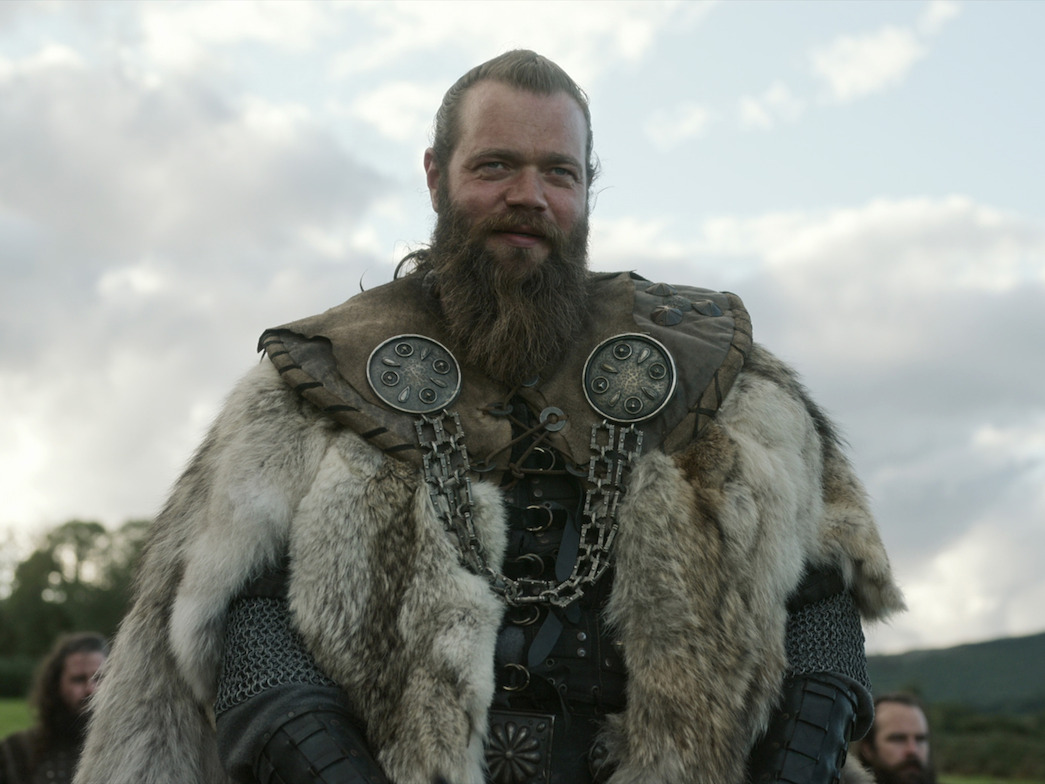
One of Valhalla’s most unlikeable characters happens to be a saint in real life. Olaf Haraldsson actually was as pious as he appeared in the show. And just as the show presented, one of Olaf’s life missions was to spread Christianity in Scandinavia and he wasn’t particularly kind about it. According to legend, he was responsible for tearing down London Bridge and he died in a battle against King Canute’s followers.
Despite his eventual canonization, Olaf was known for his violent and brutal methods to accumulate power.
All the Forgettable Saxon Kings
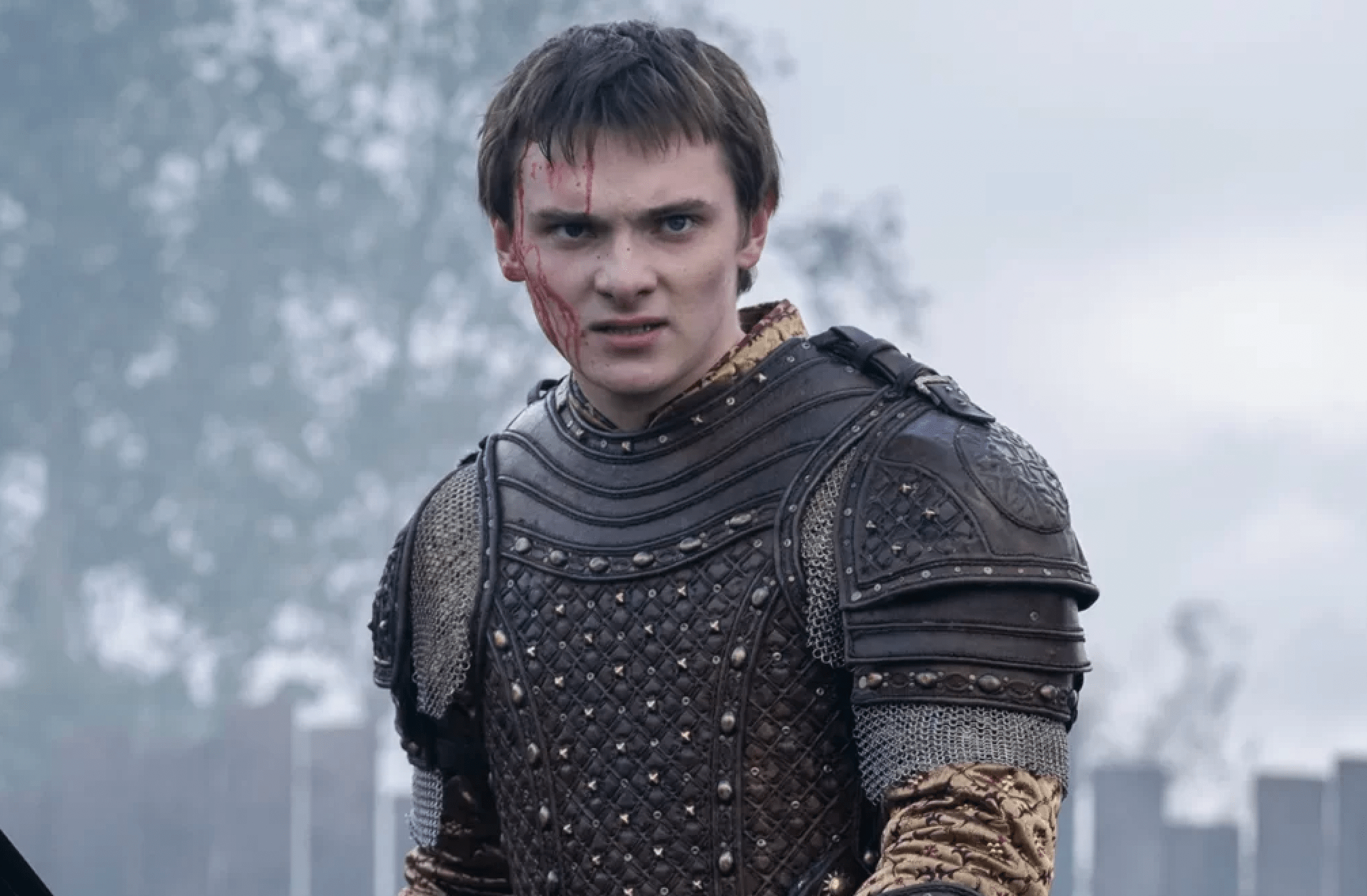
In comparison to the sexy and exciting tales of Viking berserkers, Saxon history has always been pretty boring. And since this is a Viking show, it’s no surprise all the Saxon kings are pretty forgettable when they’re stuck in the shadows of Ragnar, Canute, and Harald. Still, the show does attempt to give justice to some of the Saxon nobles, namely King Aethelred and King Edmund (played by Louis Davison).
Aethelred was given the notorious epithet “Unready” not because he was crowned young, but because he was “unread” or poorly advised despite the fact that his name literally means “well advised.” As for Edmund, he did indeed live a short life but he wasn’t quite the Joffrey Baratheon-like character portrayed in the show. Edmund’s epithet is “Ironside,” in honor of his resistance to Viking raids.
Uppsala
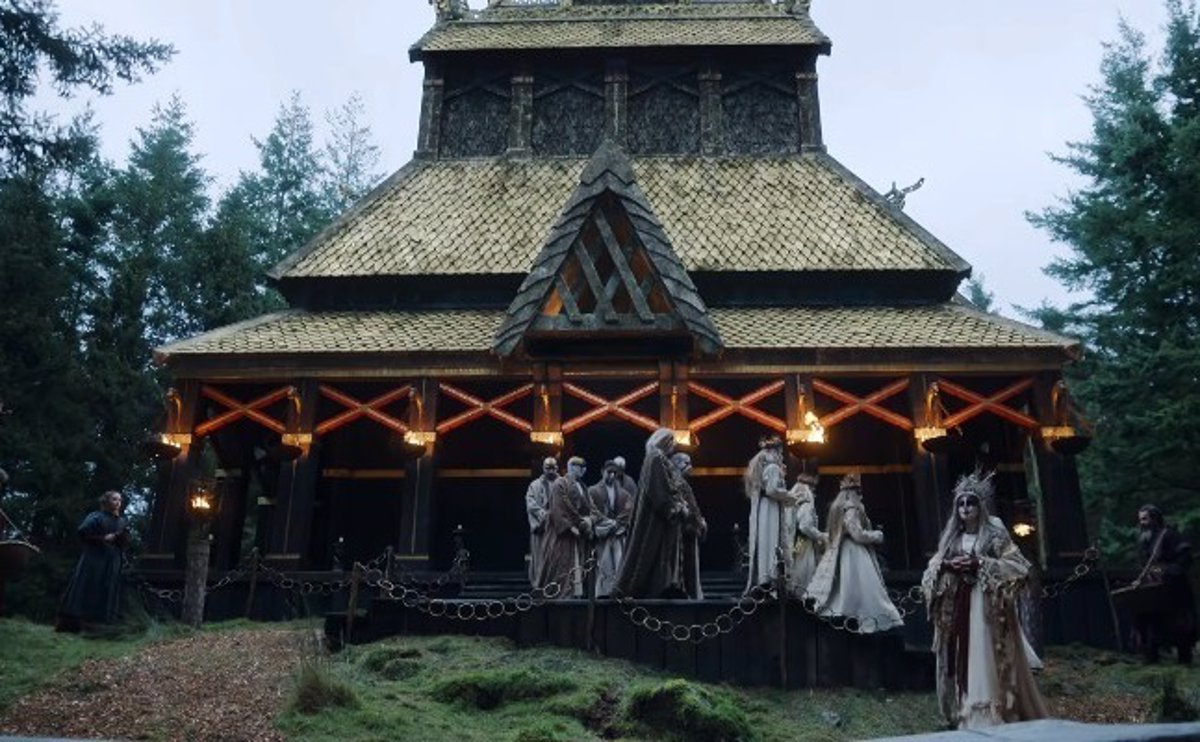
The pagan stronghold of Uppsala actually did exist, and it was destroyed by a Christian noble sometime in the 11th century. The town of Uppsala survived the destruction of its temple, and it exists today in Sweden. The site of the old temple is believed to be located in Gamla Uppsala (Old Uppsala) where a church now stands in its place.
Valhalla shows the ritual sacrifices that occurred in the old temple, which, based on the sagas, is historically accurate. The pagans were known for their blood sacrifices, even if they were children. The series also got the temple’s destruction right—mostly. But it wasn’t a zealous Christian jarl who massacred the temple’s inhabitants, but the zealous Christian King Inge the Elder of Sweden.
Global North Atlantic
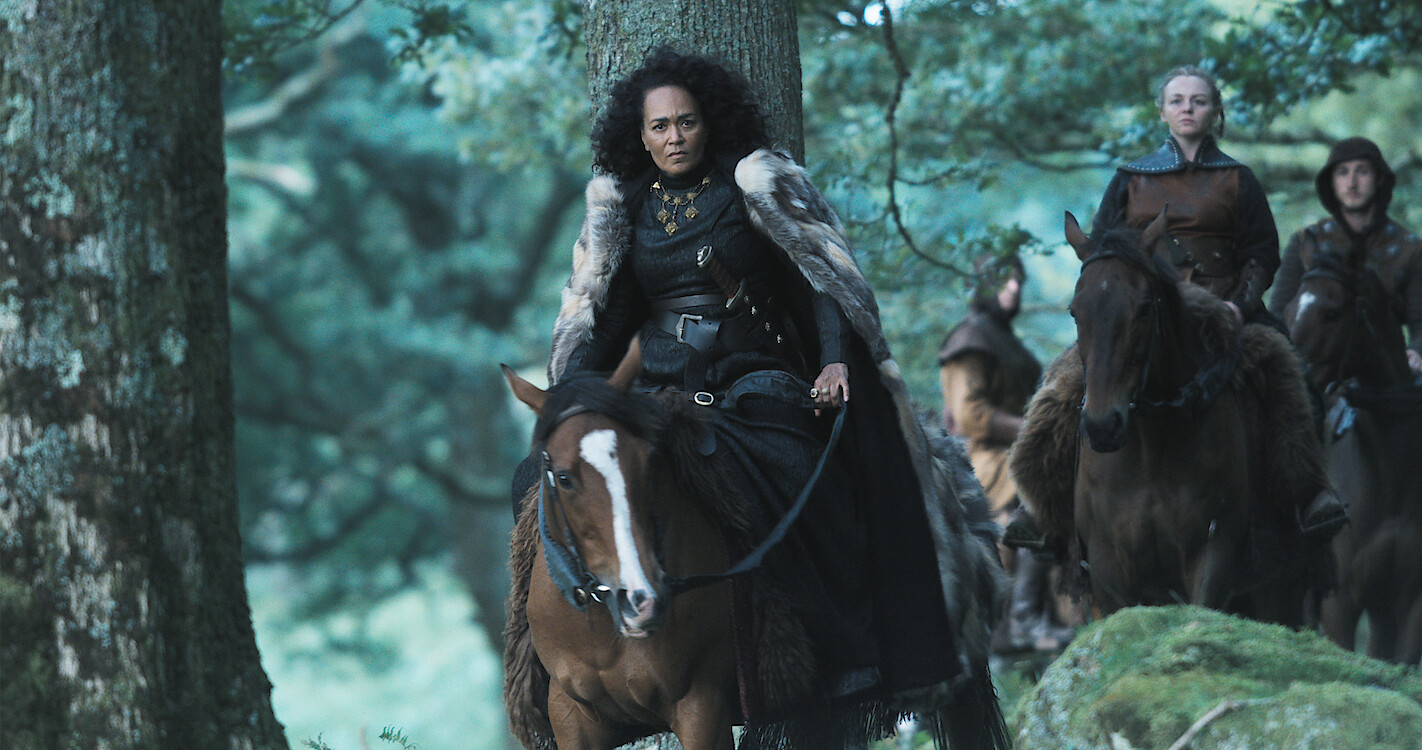
There’s been a lot of uproar about the casting of a Black Swedish actress in place of a white man for the role of Jarl Haakon, ruler of Kattegat. Never mind that Caroline Henderson is actually Swedish and the Viking world was likely more colorful than perceived. Historian Nahir Otaño Gracia proposes that the “Global North Atlantic” was far more diverse than typically depicted. The all-white Viking perspective assumes that the Norse were closed off when all evidence points toward their travels, openness, and international trade. Vikings traveled as far as the Byzantine Empire, North Africa, and even Asia Minor.
Jarl Haakon might have been a white man, but Henderson’s casting opens the conversation that the Vikings were far more worldly than perceived.
Viking Christianization
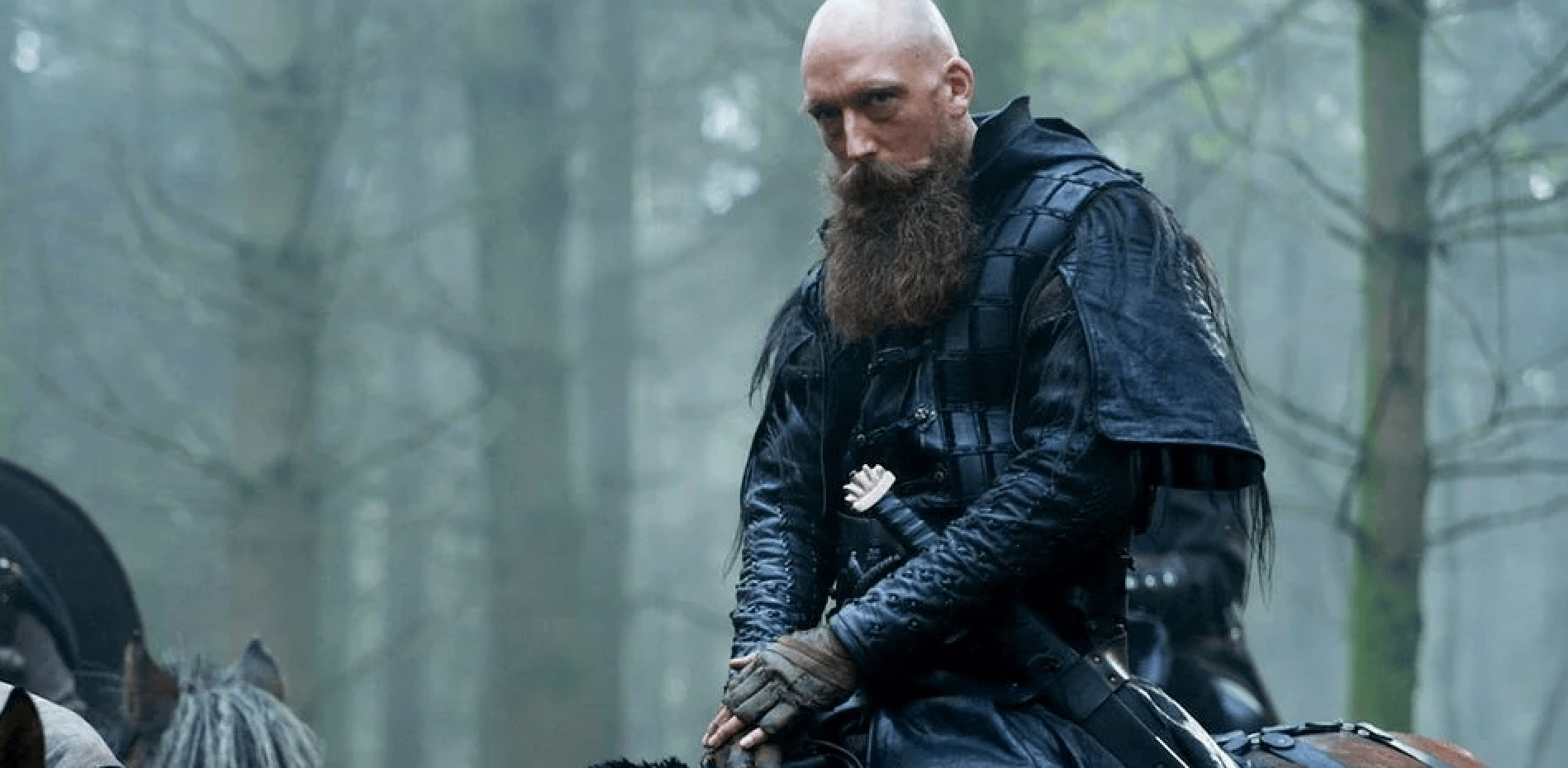
Where Vikings’ main conflict existed between the sons of Ragnar Lothbrok, Valhalla’s main conflict is between the old ways and Christianity. The Vikings’ conversion to Christianity was gradual, taking place over centuries, and there were certainly moments of tension and violence. But was it dramatic and violent as the series portrays? Probably not. Despite the blood sacrifices, the Viking ways were more open to Christianity than Christianity was to them. Raids had more to do with the unguarded nature of monasteries and churches than the religious icons sitting on the podiums. Trade was also a major factor as to why Vikings converted?—wealthy merchants were more likely to deal with fellow Christians.
But that wouldn’t make good television, would it?
