Something’s Gotta Give: The Killing of UnitedHealthcare CEO Brian Thompson

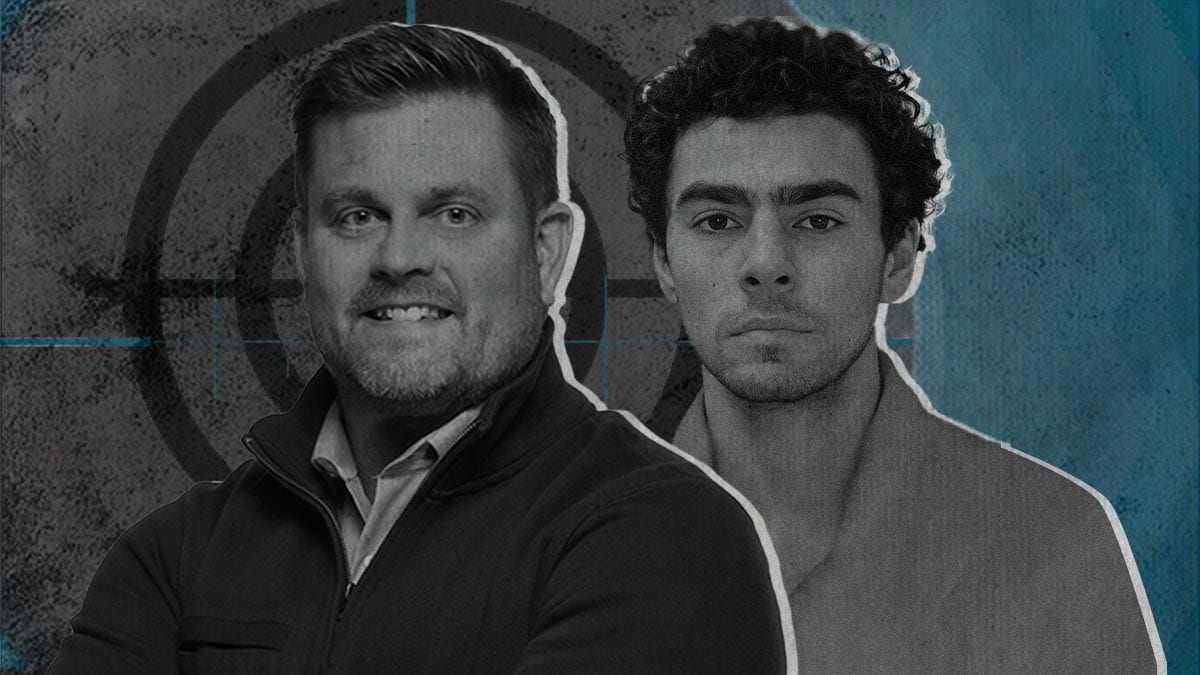
In the days after a gunman shot and killed the CEO of UnitedHealthcare in New York, there has been a flood of comments on social media both condemning the crime and, more vociferously it seems, praising the suspect and calling the killing justice.
The gist, in case you’ve been more preoccupied with events closer to home, is this: Brian Thompson, the 50-year-old CEO of one of the largest health insurance companies in the United States, was fatally shot in what was apparently a planned attack by an armed suspect outside of a hotel in Manhattan last December 4. The suspect fled but, about a week later, was arrested in a town in Pennsylvania after a tip from a fast-food chain employee.
Based on news accounts, multiple charges have been filed against the suspect, who has been identified as 26-year-old Luigi Mangione, including for carrying a gun without a license, forgery, falsely identifying himself to the authorities, and possessing “instruments of crime.” He has also been charged with second-degree murder, three counts of illegal possession of weapons, and forgery in New York.
ALSO READ
Imane Khelif Doesn't Deserve All The Hate She's Been Getting
While there has been some outpouring of grief for the victim, mostly from his family and colleagues, much of the immediate reaction to the killing seems to be contempt for Thompson and approval for the actions of his killer. In many cases, there’s even been expressions of outright satisfaction and glee. The Germans call it schadenfreude.
Like many things in America these days, health insurance is a contentious issue, with people accusing large companies like UnitedHealthcare of pocketing huge profits at the expense of policy holders by denying their claims. This years-long tension has people and society in general wound up so tightly something was bound to snap and give. As such, there has been widespread support for the suspect and a general sentiment that Thompson, as a symbol of corporate greed, “had it coming.”
As for me, my immediate thought as I read the news about the crime turned to the John Grisham novel A Time to Kill. Published before the book that catapulted the author to literary superstardom (The Firm), A Time to Kill tells the story of a 10-year-old African-American girl living in a fictional Mississippi town who is brutally raped by two white adults. The girl’s father then takes matters into his own hands, fatally shooting both suspects as they await trial. The rest of the book deals with the repercussions of the father’s actions—his arrest and subsequent trial in a racially charged community and atmosphere, the moral implications of his decision to avenge the crime against his daughter, and how his actions cause massive ramifications not only in his community but in national discussions about racial inequality.
To be clear, I’m not drawing a direct comparison between what happened in the book and the Thompson case, but there are uncanny parallels to how desperate men take justice—or the illusion of it—into their own hands. While people were left to speculate on the actual motives of Thompson’s killer, insisting that the gunman must have had enough of corporations like UnitedHealthcare raking in billions in profits while ordinary Americans suffer and die because of denied claims, and wanted to make an example of a top-ranking health insurance official, those assumptions proved to be correct when Mangione’s manifesto came to light soon after his arrest.
“I do apologize for any strife or traumas, but it had to be done,” the manifesto reads. “Frankly, these parasites had it coming.” Mangione goes on to declare how the U.S. has the number one most expensive healthcare system in the world yet ranks “roughly #42 in life expectancy.”
The suspect submits that he is “not the most qualified person to lay out the full argument,” citing work done by others to “illuminate” the “corruption and greed.” However, in the final sentence of the manifesto, the author surmises that he is the first to face the issue “with such brutal honesty.”
Admittedly, such lucid and logical thinking from an alleged perpetrator of premeditated murder isn’t exactly uncommon. (The manifestos of the Unabomber Ted Kaczynski and the one of Anders Breivik, who killed eight people with a bomb in Norway in 2011 immediately come to mind). But this one attributed to the suspect of Thompson's killing carries with it the perceived advantage of advocating for what some might call a sympathetic cause.
It’s hard to argue with Mangione when he accuses health insurance companies of continuing “to abuse” America because “the public has allowed them to get away with it.” When you hear specific instances of claims denials by UnitedHealthcare (and there are a lot of them on social media), many of which are for terminal cases, you can’t help but get all fired up and side with the suspect. You’d probably send him a heart emoji if you could. We as Filipinos can actually relate to this because of numerous issues hounding our own state health insurer Philhealth. That feeling of something way beyond exasperation—resentment, targeted fury, a desire for vengeance—is familiar for us who are frequently on the receiving end of never-ending news of injustice, dishonesty, and corruption.
But to kill another in the name of a righteous cause? Is it ever morally justifiable to not only condone but celebrate the murder in broad daylight of another human being? We cheer when good vanquishes evil and when the villain gets his comeuppance at the end of a two-hour flick, but do we bask in those same feelings when it happens in real life? You can call what the gunman did an act of valor or heroism, but you need to call it what it is—an extra-judicial killing, which is one other thing we as Filipinos are all too familiar with.
These are the questions I’ve come to struggle with over the last few days. I recognize the barbarity in applauding the actions of a killer and acknowledge how much closer we are to descending into lawlessness and anarchy when we let our emotions get the better of us in matters of literal life and death. But I also can’t ignore the joyful feelings that many people are experiencing and proudly sharing on social media—satisfaction and pride that justice has been rightly served. It might take me a few more days to sort my own feelings out, but the realities of what happened—that a man was killed by another man upset at the gross imbalance between rich and poor—will remain unchanged.
(By the way, in case you haven’t read A Time to Kill, here’s a spoiler: the father is acquitted of murdering her daughter’s rapists by reason of temporary insanity).