
The Fossilization of Cool: On Becoming the Decade We Peaked

There’s a cruel joke the universe plays on us, somewhere around our 40s or 50s, and it goes like this: We wake up one day and realize the youth no longer care about us. Worse still: they have a point. We are no longer cool. Oh, sure, we might tell ourselves that we’re still “with it,” still capable of decoding whatever slang is dripping off the latest TikTok trends—but the truth is, our edges have fossilized, our relevance calcified, and we are now the living embodiment of the decade in which we peaked.
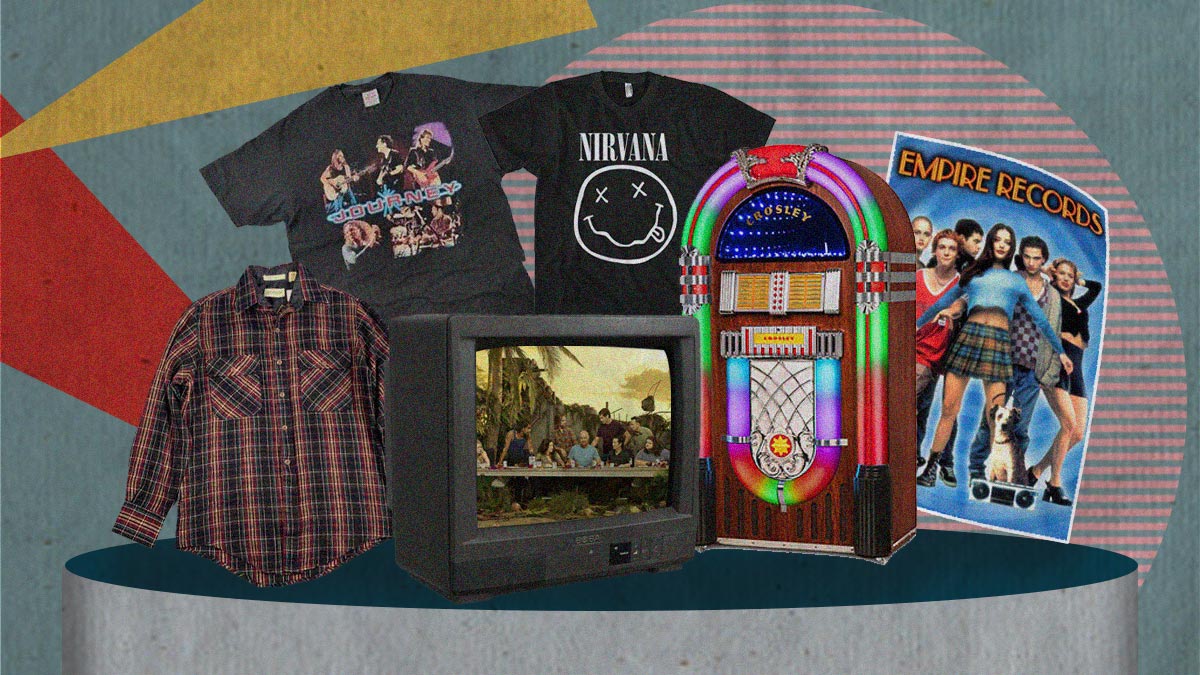
Let’s be honest: we all know someone who has succumbed to this phenomenon. There’s Eighties-Man, for instance. You can find him in his faded Journey t-shirt, leaning against a jukebox (yes, there’s still one somewhere), lecturing anyone within earshot about how “real music” died when synthesizers were taken too seriously.
Then there’s Nineties-Man, eternally clad in flannel, muttering that “MTV doesn’t even play music anymore,” as if the kids should care about a channel they’ve never watched. Aughts-Man? He still listens to The Killers on his first-gen iPod and believes the world peaked at the exact moment The O.C. went off the air.
ALSO READ
'I Prefer Their Old Stuff': Why Do We Think Everything Was Better in the Past?
The tragedy—and the comedy—of this isn’t just that we’re stuck in our salad days; it’s that we don’t even notice it happening. We can’t. One moment, you’re young and hip, embracing the zeitgeist with both arms, and the next, you’re unironically complaining about how “television used to have plot” while binge-watching reruns of Friends. You have no idea when it happened, but somewhere along the way, the current pop culture stopped making sense to you.
Take Euphoria, for instance; that show about high schoolers starring a drugged out Zendaya. I have no doubt it’s a critical masterpiece, but I can’t make it past the third episode without developing an overwhelming urge to call the kids on screen and ask if their parents know they’re out this late. K-pop? I gave it a valiant try, but every time someone mentioned BTS, I assumed they were talking about behind-the-scenes footage. And don’t get me started on TikTok, a platform I can only describe as a 24/7 ADHD fever dream.
It’s not that we dislike modern culture, per se—it’s that we can’t figure out what to do with it. Our pop-culture hard drives were written in our formative years, and the technology to update them hasn’t been invented yet. Every story we tell becomes a period piece, set in a world of dial-up modems, Blockbuster nights, and rotary phones.
This is how Eighties-Man ends up writing novels about small-town love stories set to a Def Leppard soundtrack. It’s why Nineties-Man’s every screenplay is basically a retelling of Empire Records. It’s also why, when Aughts-Man gets nostalgic, he starts a podcast analyzing every episode of Lost (even the bad ones). We’re not deliberately avoiding the present day; we just don’t know how to engage with it. Our creative instincts are tied to our youth because, let’s face it, that’s when we were paying attention.
There’s something both endearing and pathetic about this. As we age, our cultural blind spots widen until they’re large enough to swallow entire decades. We keep referencing bands the kids have never heard of and TV shows that might as well be ancient mythology. And the worst part? We still think we’re relatable.
But maybe there’s comfort in the fossilization process. We become walking time capsules, keeping our formative years alive in ways that no algorithm could replicate. Sure, the kids might roll their eyes when we wax poetic about how nobody could shred a guitar like Eddie Van Halen, or how watching The X-Files felt like a religious experience. But someday—mark my words—they’ll be in our shoes, trying to explain the cultural significance of Doja Cat or whatever’s next to a generation that doesn’t care.
And so, we sit on our proverbial porches, clutching our mixtapes and our DVDs, watching the world sprint ahead while we stay firmly rooted in the past. Maybe we’ll never understand the appeal of modern trends, but that’s okay. We have our stories, our memories, and our outdated references, all preserved in the amber of our salad days.
After all, every Eighties-Man, Nineties-Man, and Aughts-Man is just a future TikTok-Grandpa in waiting. And that’s kind of beautiful, in a tragic, hilarious way.
This was originally a post on the author's social media account. We are republishing here with his permission.
