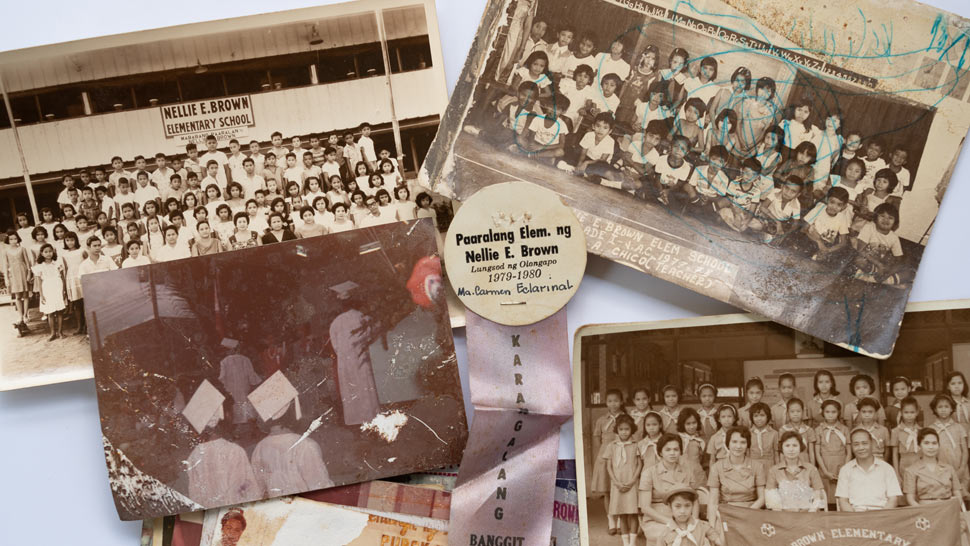
Filipino musician and entrepreneur Ramon "RJ" Jacinto has been influential in the development of rock and roll music in the Philippines.
With his band, RJ and the Riots, he brought the genre into the mainstream during a time when it was largely unheard of in the country.
He is notable for establishing the FM station, DZRJ, which is instrumental in promoting a wide range of musical genres, from jazz to new wave, contributing to a dynamic musical culture in the Philippines.
Through his three decades old RJ Guitar Center, Jacinto made quality musical instruments more accessible to Filipinos, fostering a culture of music appreciation and talent development.
Meanwhile, RJ Bistro served as a venue for live music performances in Manila, providing a platform for musicians to showcase their talents, and also as a cultural hub where music lovers, artists, and influencers gather, fostering a community centered on the appreciation of music and arts.
Let's trace Jacinto's musical innovations and enduring legacy through this feature
Music has been a part of my life since I was very young.
I learned to play the ukulele at the age of eight when we were living with my grandfather in Baguio. We had a condominium of four units there, which we shared with some uncles. One time, I went to the garage, and my lolo's driver—his name was Onorio—was playing the ukulele. I was fascinated and learned a few chords from him.
I switched to the guitar when I was about 10.
My first guitar had a very high action—the action is the space between the strings and the fretboard. I bought the guitar from Raon; I think it was a Romano guitar. It caused blisters on my fingers, but I didn't mind.
I don't remember how I learned to play music anymore. There were neither Jingle songhits nor YouTube at that time. In the Philippines, you couldn't really learn rock and roll from anyone because we were the pioneers. In the United States, there were Elvis Presley and his guitarists. Here, we had no peers to observe and learn from. I guess Filipino musicians developed slowly.
I was personally drawn to instrumentals because they made us sound like a foreign band. Without vocals, accents weren't noticeable. So, when people heard us on the radio, they'd say, "Is that The Ventures?" But it was us. It was our way of breaking into the universal market in that sense.
ALSO READ
The Benevolent Genius: Ricky Lee's Lasting Impact on Filipino Storytelling
What I've Learned: Piolo Pascual
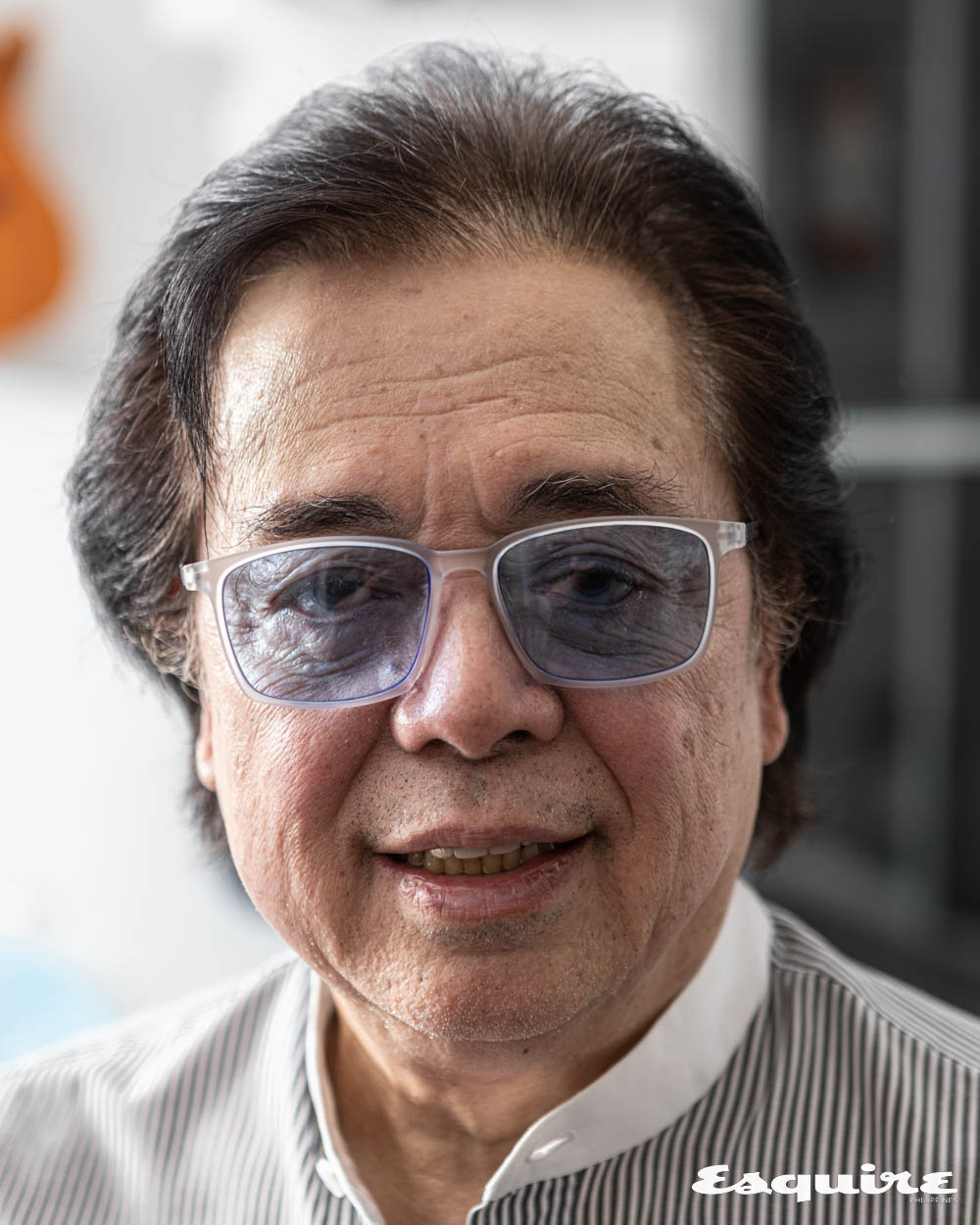
I made my first hit when I was 15.
My classmates at Ateneo and I formed a high school band called Ramon and the Riots. After our gig on December 5, 1960, at the school's covered courts, there was a demand for us.
At that time, Johnny and the Hurricanes and Duane Eddy were the most popular artists in the field of instrumental music. They were my first influences. Then, when The Ventures came onto the scene, I was truly captivated by their instrumental work. The following year, Dyna Records released my own instrumental composition called "Weightless," which became a hit.
At the age of 15, I opened a recording studio. Before that, my friends and I had been recording at home with my parents' stereo sets. When the first multi-track recorder was released, I persuaded my mother to invest in my recording studio business, recognizing my passion for music. My father, a skilled pianist, also offered his support but consistently reminded us to prioritize our studies.
Renowned singers like Jose Mari Chan and Pilita Corrales, along with various advertising agencies, became regular clients at my studio.
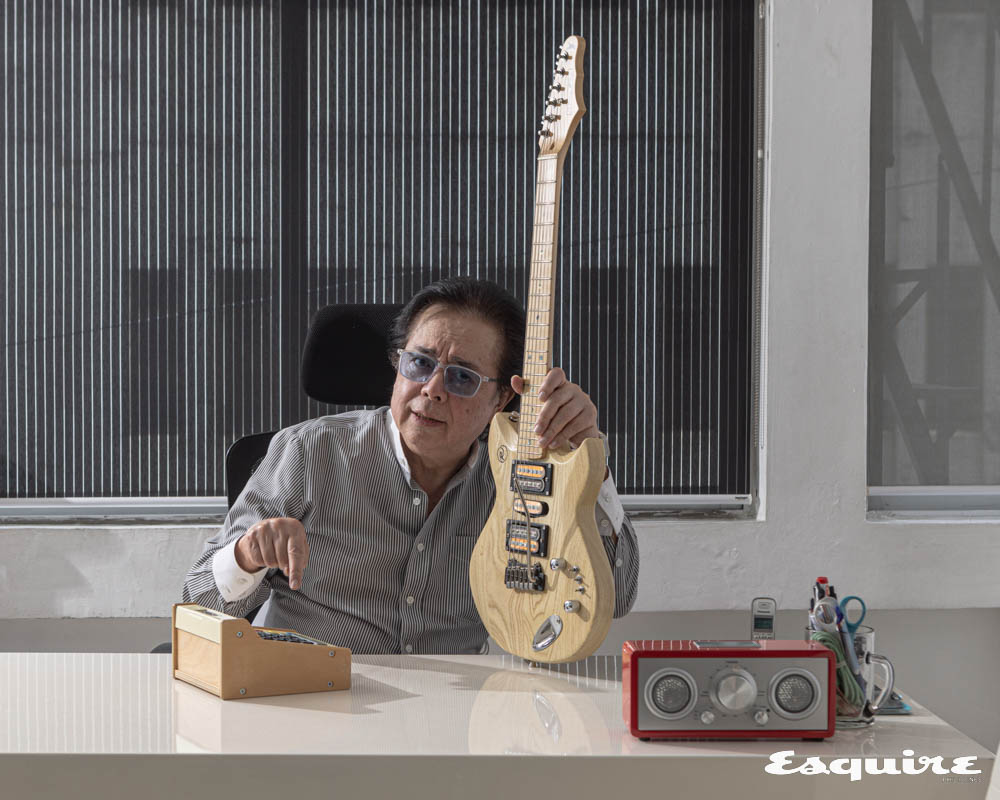
At 17, I founded DZRJ in the backyard of our home.
My friends and I transformed a dressing room near the swimming pool into a radio station. At that time, FM radio had not yet been introduced, so we operated as an AM station. There were few radio stations across the country. I leased a frequency, and after a couple of years, I secured a franchise. On my own, I approached a congressman, requesting his signature on my petition for a franchise. Eventually, I owned the radio station.
I had to set aside my music when I joined the family business.
I completed my BS in Economics degree at Ateneo when I was 19. Then, I trained at Security Bank, which our family previously owned, and also at Jacinto Steel, the leading roofing company in the country at that time. At 20, I helped my father build Iligan Steel and eventually assumed the post of Vice President for Purchasing, and then Senior Vice President for Sales and Operations. By the age of 22 to 23, I was leading about 3,000 people. I turned over the management of my radio station to my bandmates, and it became huge.
We had a lot of American executives then, and it was a big organization. So, I got trained in business. I learned that nothing in this life is free. You only harvest what you plant. Therefore, you have to go the extra mile. You have to be disciplined. You have to be professional in everything you do. That experience taught me work ethic.
Unfortunately, in 1972, when Martial Law was declared, our family businesses and radio stations were sequestered, and our whole family was exiled to the US.
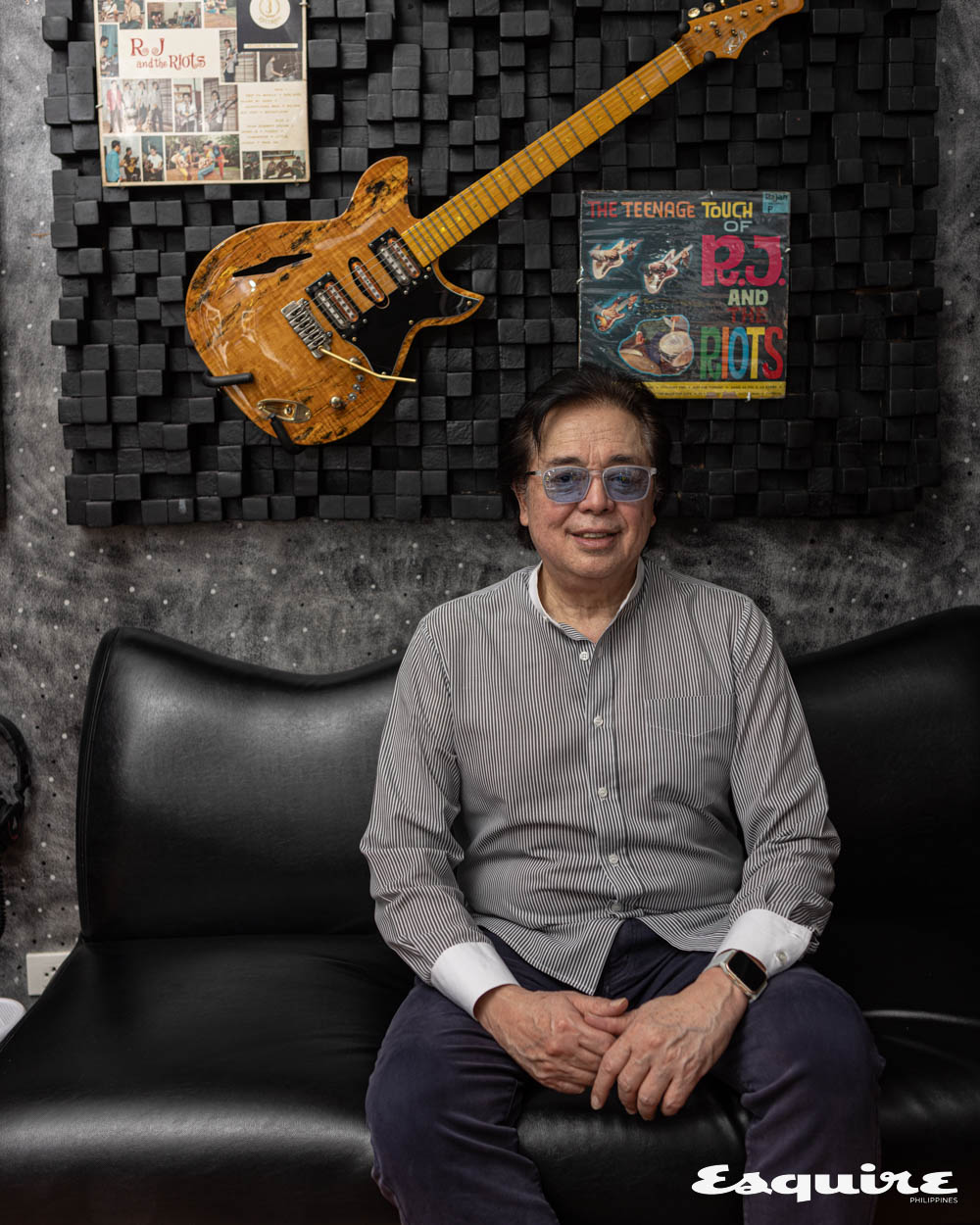
There's no such thing as a formula for success.
If there were, then all of us could be successful, right? I believe it's also about instinct, luck, and timing. When I launched DZRJ, I followed what I wanted. I saw a need. At that time, radio stations were playing the same songs, so my station gave other musicians and artists a chance to be exposed. The tip I can give is: always find a need and see if you can fill it.
Love your country.
When me and my family were exiled, they canceled our passports. So, I realized that without your country, you're nothing. When we came back after the People Power Revolution, I wrote the song "Philippines, My Philippines."
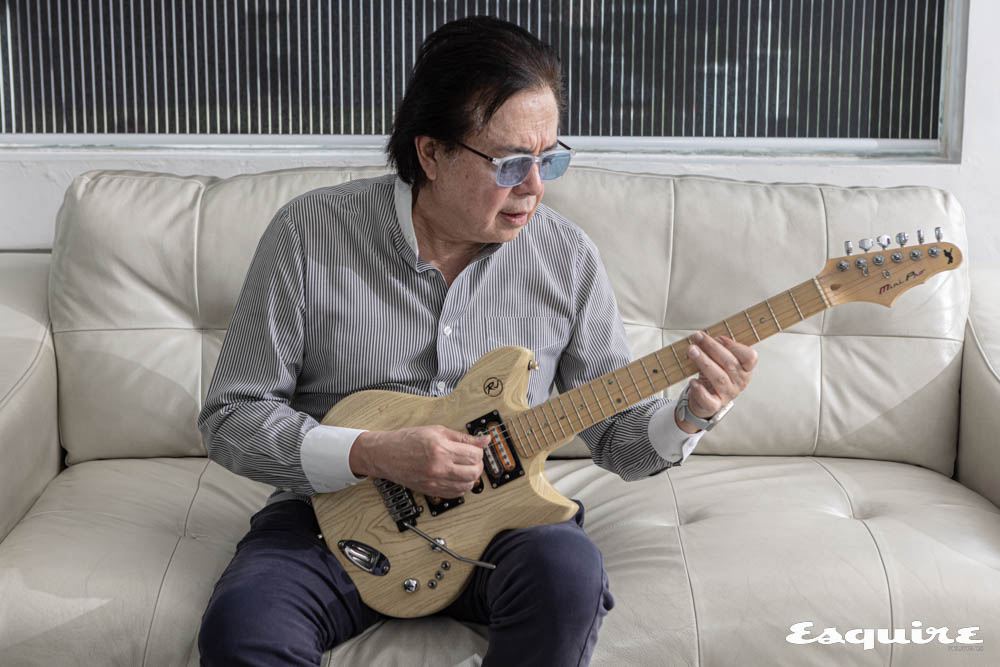
A breakthrough could happen when you least expect it.
During my exile in America, I composed songs in my little studio there in the house. In fact, it was in 1977 in San Francisco where I wrote "Muli," my biggest hit. After recording it, I sent the song to Manila, where it quickly became a big sensation.
You may encounter defeats, but you must not be defeated.
Upon returning after the Edsa People Power Revolution, we managed to reclaim some of our businesses, including our radio stations. Our portfolio expanded from four to ten radio stations. I found myself thinking, "What will I do with the radio station?" This contemplation led to the birth of RJFM.
At that time, retro music had not yet made its mark in the Philippines. So, I began playing The Beatles and other hits from the '60s and '70s. Entering the booth, I announced, "You may not know me, but I'm the person behind the name RJ. My name is Ramon Jacinto, and I've just come back."
We organized a homecoming concert. Icons such as Jacqui Magno and Vernie Varga came to welcome me back. The retro music resonated, and that inspired me to open RJ Bistro, which we launched on July 25, 1986.
RJ Bistro became a venue for what I'd like to call street music. At that time, the recording industry was dominated by a few session musicians and solo artists. I realized there was a thirst for live music.
I invested only P40,000 to set it up. I leased a 200-square-meter space that could accommodate about 150 to 200 people. Then, I brought in my equipment from the U.S. Wow, every night was packed. I would play there three times a week. The excitement of regaining our freedom was palpable. There was such a friendly camaraderie among Filipinos.
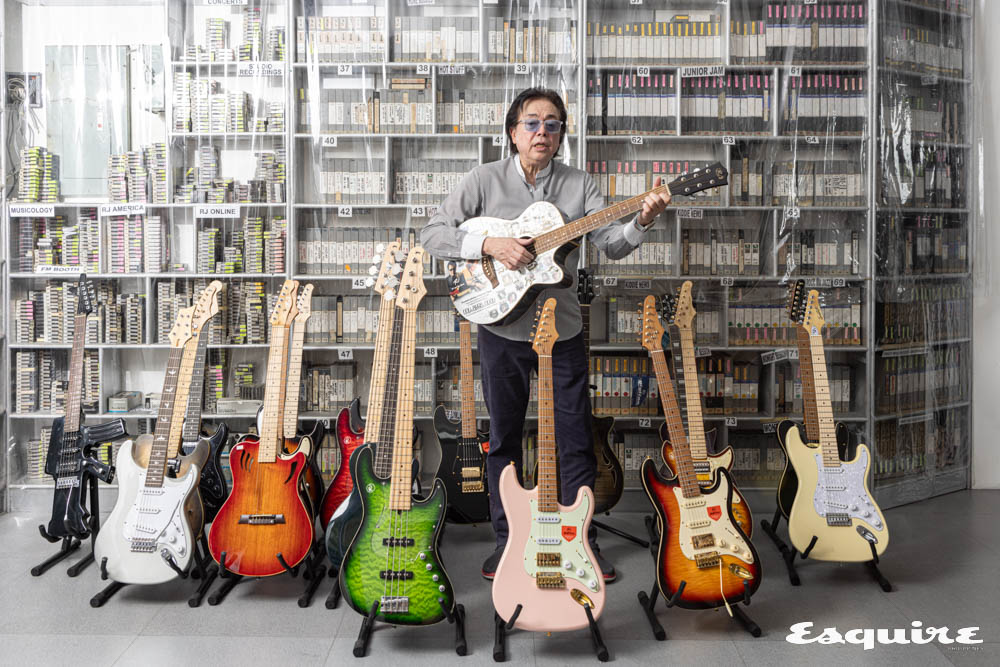
Opportunities don't happen, you create them.
Since I performed at RJ Bistro, I frequently had to switch guitars, which meant I needed to learn about them. Then, I met a luthier named Rudy Desipulo. I visited his shop in Quezon City. He was truly talented, possessing a keen ear and comprehensive knowledge about tone, wiring, and pickups.
I asked him, "Would you like to go on an adventure with me? Let's sell world-class guitars." So, I bought his shop and asked him to work for me. That's how I started RJ Guitars.
Our mission was to provide quality guitars at affordable prices to every Filipino home. We aimed to move away from lousy, substandard guitars that had not seen technical improvements for many years. Initially, we produced just two to three guitars a month. As the business expanded, we began producing 200 to 300 guitars a month.
Eventually, I also opened RJ Music City at Robinsons Galleria, showcasing our guitars. There, buyers can compare prestigious brands like Gibson and Fender with our own. My business strategy was to maintain affordability while ensuring quality. Interested customers can visit any of our ten branches or explore our online store. Currently, my son manages the guitar business.
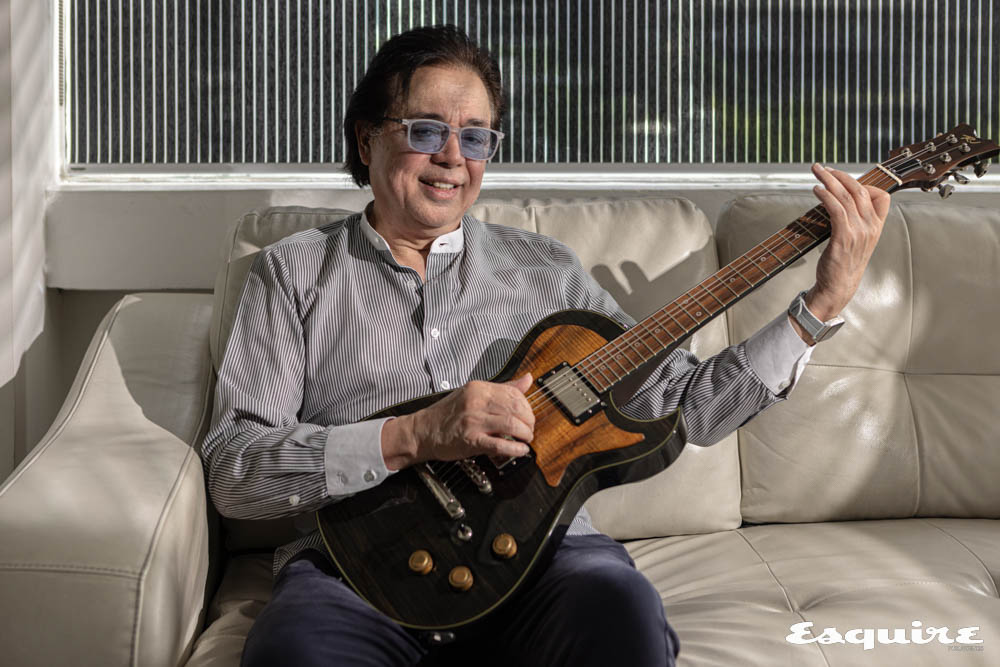
You need to take an active role in managing your business.
If you really want something, you can find a way. What I do is maintain a routine. I don't have a day-off. Even on Sundays, I am a DJ because I want to understand how my DJ feels. It's like having a restaurant; if you don't know the kitchen, you don't know your business. So, I made it a point, 25 or 26 years ago, to air a program every Sunday when I wake up for three hours. RJ Sunday Jam. On TV and radio. That way, I know what's happening. It's really just common sense. You have to make use of your time.
If you genuinely desire something, there's always a way to achieve it.
My approach involves maintaining a routine. In the morning, I visit our Robinsons Galleria shop before heading to our Makati office by noontime. This routine ensures I'm always aware of what's happening in my business.
I manage four bistros and perform weekly on Fridays. I don't have a day off. Even on Sundays, I work as a DJ because I want to how my DJ feels. For the past 25 years, I've committed to hosting a three-hour program every Sunday, known as RJ Sunday Jam, broadcast on both TV and radio. My energy is limitless, and fueled by my passion.
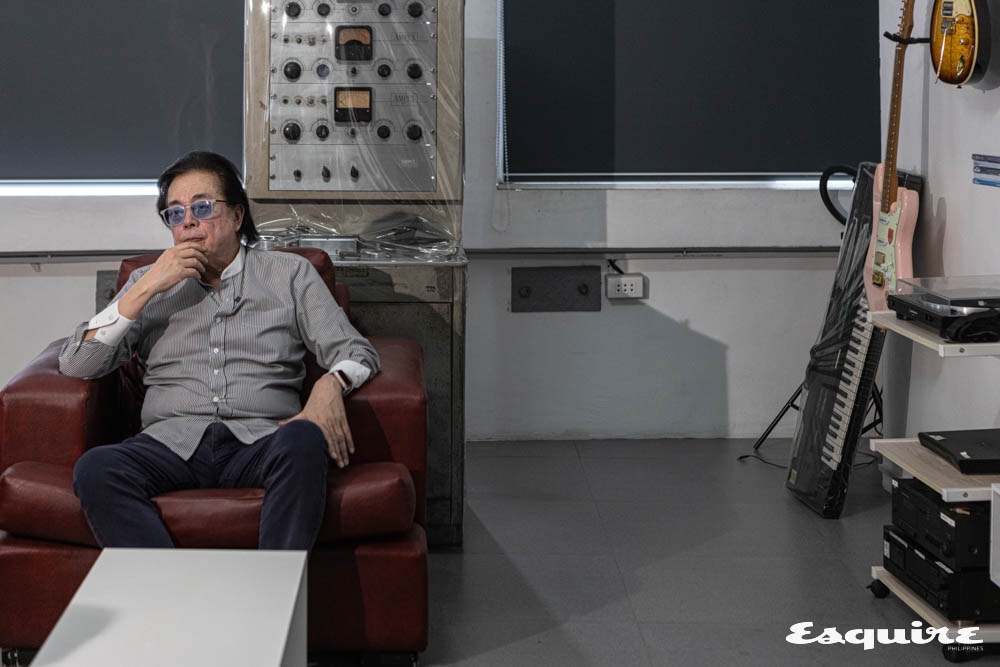
Filipinos should take pride in their talent.
Over the years, I have produced hits like Sampaguita's "Nosi Balasi," Father and Sons' "Miss na Miss Kita," and worked with artists such as Andrew E, I-Axe, and Sitti. Filipinos are inherently musical. It runs in our blood. Almost every Filipino can sing and dance.
Compared to our Asian neighbors, we possess a unique soulfulness. Our cultural heritage includes 400 years under European influence and 50 years of American influence, which has deeply ingrained music into our identity. In fact, we are the only race, aside from America, England, and their former colonies like Australia and Canada, that can sing without an accent. The Philippines should have been the film and recording center of Asia, not Singapore.
If I can give a little push towards supporting our artists, I will. I probably only have a few years left. So, that's what I'll do.
Story: Rhia Grana
Photography: Jar Concengco