
The Philippines Is Poised to Become an Asian-Pacific Hub for Waste-to-Energy After New Deal

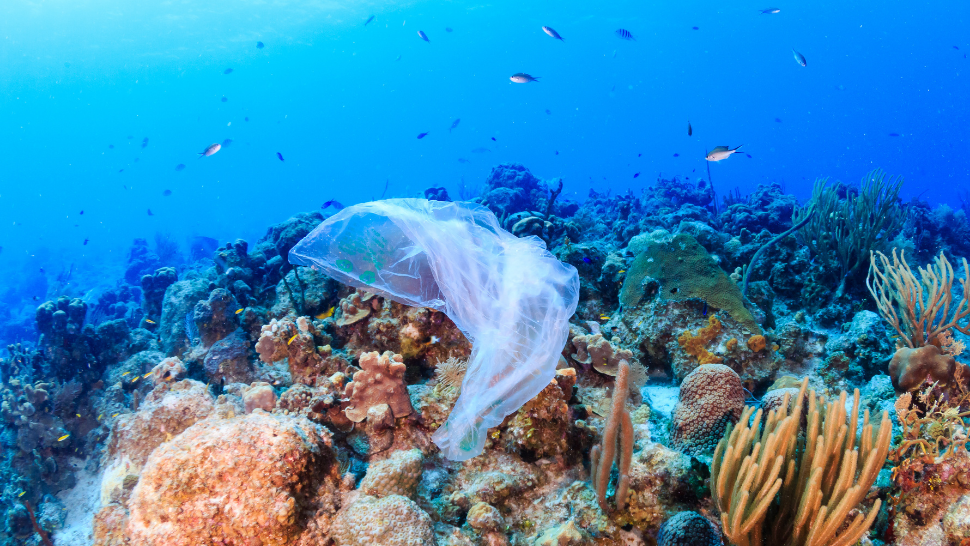
It's no secret that the Philippines is one of the largest contributors of mismanaged plastic in the world's oceans every year.
According to research from the World Bank Group, the country is the third biggest pollutant in that regard, with an estimated 0.75 million metric tons' worth of plastic in the ocean back in 2021. The Science Advances had even put Pasig River as the "most polluting river" in the world, eclipsing the Yangtze River in China.
We, at the very least, have done steps to mitigate this issue with waste-to-energy (WTE) programs and projects over the years. In 2019, the Department of Environment and Natural Resources (DENR) released guidelines for building WTE facilities. The Department of Energy (DOE) approved the country's first WTE facility in Palawan in that same year.
In the following year, the House of Representatives approved House Bill (HB) 7829 or the proposed "Waste Treatment Technology Act" on its third and final reading. This allows the utilization of any WTE technology, just as long as there are no poisonous or toxic fumes produced in the process.
Various WTE facilities have also come up in recent years, like the ones in Davao, Cebu, Iloilo, and Puerto Princesa, among others. At the University of the Philippines-Los Banos, a project entitled “Establishment of a 25kW Waste to Energy Facility via Direct Combustion process for Municipal Solid Waste” was launched in 2021, as well.
A new deal has also been announced recently to address our waste disposal issues. Waste management firm Basic Environmental Systems Technologies, Inc. (BEST) has entered an agreement with Stellar3 LLC, a top United States supplier of WTE solutions, to further bolster the country's projects. This should develop waste transformation facilities as part of a larger scheme for the Philippines to become an Asia-Pacific hub for WTE technologies in the near future.
ALSO READ:
Solar Plants in Pampanga and Zambales Coming from Ayala Subsidiary
BEST is a pioneering waste collection and management firm that offers contracting and consulting services in the country. It promotes active solid waste disposal, repurposing, and resource conservation through its work. Meanwhile, Stellar3 is a global leader in the implementation of worldwide waste transformation. The group has offices in the United States and South Africa.
“Stellar3 is honored to embark on a new project and technology hub for waste transformation with BEST and the Philippines communities," said Stellar3 Chairman of the Board George Weiss. "This is such an exciting time for renewable and low carbon energy, and the Philippines will be waste sustainable trailblazers, ahead of many developed nations and the envy of Southeast Asia as facilities are built out and operating.”
One of the initial plans in place brought about by the joint venture is to create and operate modular facilities at the Morong Landfill Site in Rizal where we can safely turn select waste into low carbon fuels. Facilities where feedstock will be transformed into low carbon liquid fuels and heat for electricity will also be in the works. Eventually, the partnership should also bear hydrogen outputs as part of the goal of building a hydrogen-fueled economy in the Philippines.
We still have a long way to go before we can properly institutionalize and expand WTE development. But these nevertheless are encouraging signs.
