
Financial Adviser: 5 Business Lessons Everyone Can Learn from Naty Cheng, Co-Founder and CEO of Uratex Group of Companies

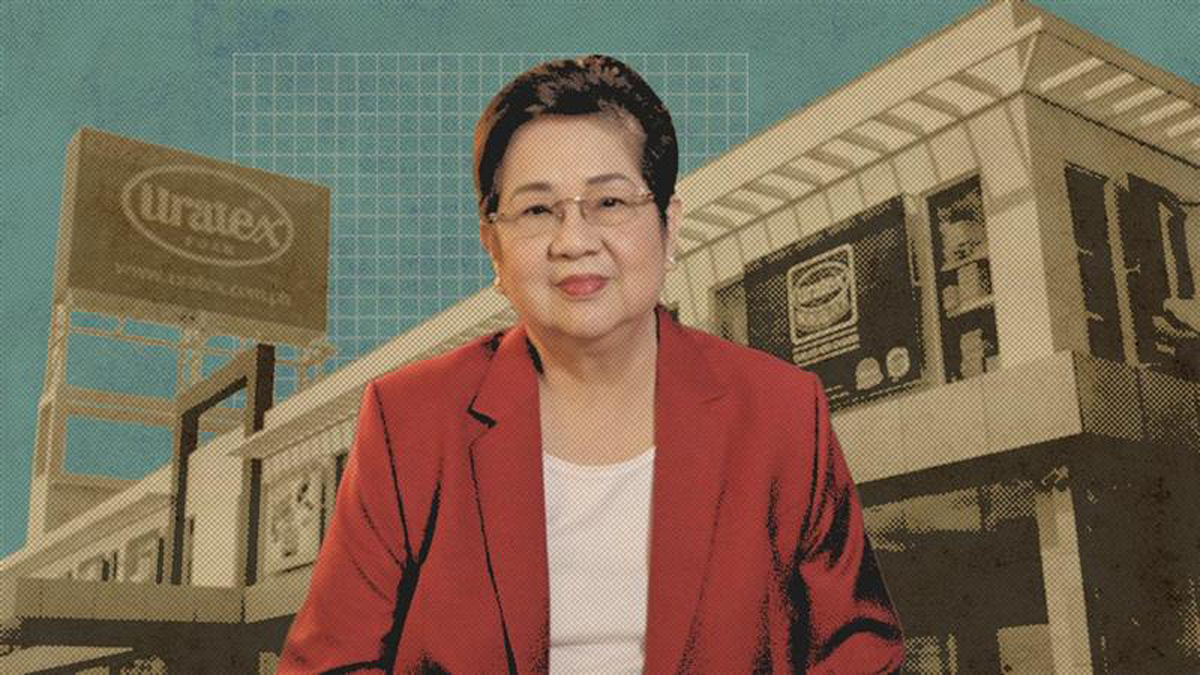
Natividad “Naty” Cheng's legacy is one of resilience, innovation, and strategic thinking. Her journey from a high school graduate working to support her family to becoming the leader of the largest foam manufacturer in the Philippines is nothing short of inspirational. Through hard work and a commitment to excellence, she built a business empire that continues to thrive.
Growing up in a poor family, Cheng was only able to complete high school due to financial constraints. At the age of 17, she began working in Binondo as a clerk, which eventually led her to meet Robert Cheng, whom she married three years later.
At that time, Cheng realized that their combined salaries were not enough to support a growing family. Since her husband was earning less than half of what she made, she suggested that he leave his job and start a buy-and-sell business, which required minimal capital.
This new venture provided a steady income, but the couple's big break came when Sheraton, a major hotel chain, needed a reliable supplier for their construction and furniture materials when its new property was being built in Roxas Boulevard.
The Chengs took on the challenge and demonstrated that they could meet the requirements. However, they encountered a difficulty sourcing foam for mattresses, which was essential for the furniture. Realizing that there were very few suppliers, the Chengs decided to manufacture foam themselves to meet the demand.
Using their savings from their trading business, they imported a machine from Taiwan and established their first factory in 1968. This move was a game-changer. The business flourished, with annual sales skyrocketing by more than a hundredfold within a short time.
Today, 56 years after its founding, Uratex is the largest and most dominant foam manufacturer in the Philippines, with a 70 percent market share. The company has not only expanded its foam production but has also diversified into other products, including furniture, monobloc chairs, sofa beds, and pillows, under various brands.
Cheng's leadership and commitment to excellence have set Uratex apart from other businesses. The company's ability to adapt to market demands, innovate its product line, and maintain high-quality standards has allowed it to remain the industry leader for over five decades.
Uratex's success story is a powerful reminder that with hard work, determination, and the right strategies, it's possible to build a thriving business from humble beginnings.
How did Cheng's resilience and determination contribute to her success in business? What can aspiring entrepreneurs learn from Uratex's growth and its eventual dominance in the Philippine foam industry?
Here are the five business lessons every entrepreneur can learn from Natividad “Naty” Cheng, founder and CEO of Uratex Foams:
ALSO READ
1| Know how to discover business opportunities and capitalize on them
Taking advantage of market opportunities can be a powerful catalyst for business growth, as it can create new revenue streams. When a business identifies an unmet need or a gap in the market, it has the chance to meet that need in a way that competitors haven't, offering unique value to customers.
By filling a market gap, a business can carve out a niche that others have overlooked, which could mean creating a completely new market segment or expanding an existing one.
When a business effectively fills a market gap, it often leads to increased sales and profits. This happens because the business becomes the preferred choice for customers with specific needs or preferences that weren't addressed before. As a result, customer loyalty grows, and positive word-of-mouth recommendations contribute to additional sales.
The Chengs discovered the shortage of foam for mattresses and other furniture components after securing a supply contract with Sheraton Hotel. Rather than seeing this foam shortage as an insurmountable problem, they viewed it as a business opportunity.
To capitalize on this gap, they decided to manufacture the foam themselves. Using their savings from the buy-and-sell business, they purchased a foam-making machine from Taiwan. Once they set up their foam manufacturing operation, the Chengs quickly recognized that the demand for foam products extended far beyond the construction industry.
To meet this broader demand, the Chengs refined their manufacturing processes, focusing on producing high-quality foam that could compete with imported products.
Despite having limited resources, the Chengs demonstrated remarkable creativity and resilience. To finance their business, they were willing to pawn personal jewelry, showcasing their commitment to making the venture succeed. This risk-taking approach and continuous innovation laid the foundation for rapid business growth.
“I finished only high school,” Cheng says “Dahil sa kahirapan, we could not afford to study in a private school. After I graduated from high school, eh thank you naman yung isang pinsan ko meron siyang broker, yung parang stock broker, hinire niya ako na parang staff sa office.
“Nag-umpisa ako from yung clerk hanggang naging taga-gawa rin ng tseke nya. Madali akong matuto eh kasi interested ako matuto lahat. Kahit nasa kalye ako pag nakita ko kung anong pwedeng basahin, babasahin ko yan, pag nakapulot ako ng dyaryo inuuwi ko sa bahay para basahin.
“After mga three years, nag-asawa na ako. Yung husband ko si Robert, nagtatrabaho siya grandparents nya kasi they have a family corporation with many uncles and cousins. He was just like an ordinary employee sa company ng grandfather nya.
“Kaya nung nag-asawa kami, ang sweldo nya na binibigay ng lola nya was P20 a week. Eh sabi ko, ako sweldo ko was P120 or P150 during that time. Sabi ko mabuti pa mag-trading ka na lang. Bumili ka ng goods mag buy-and-sell na lang tayo para kumita di ba?
“Kasi with P20, nakatira pa kami sa Mandaluyong, from Binondo, mag jeep pa o bus. Bus pa noon bababa kami sa Edsa, lalakad pa kami papasok dun sa factory nila, eh doon kami nakikitira. Sobrang hirap kaya sabi ko alis na lang tayo, mag buy-and-sell ka na lang. At that time, yun ang pinaka madaling negosyo eh.
“Siguro sa kahirapan, I didn’t want to be poor. Gusto ko kumita ako. Unang-unang intention ko, I have my family, kailangan ko kumita. Yung minimum ko kulang naman sa akin. The best way is to have a business kahit na small.
“Dati ambisyon ko kung mag-aaral ako gusto ko mag OFW, kukuha ako ng nursing para mag OFW ako sa States. Gusto ko pumunta sa Amerika para mag-trabaho pero wala ako alam na scholarship. Eh di nagtrabaho na lang ako. I wanted to have enough money than earning the minimum wage. Gusto ko mas malaki ung sweldo. Ako nag-convince sa asawa ko na umalis ka na sya dyan at mag negosyo na lang kami. Sa buy-and-sell walang lugi. Kailangan masipag ka lang.
“Sa awa ng Diyos, masuwerte naman kami, ginagawa yung Sheraton Hotel sa Roxas Boulevard, yun ang first hotel natin na five star. Nakilala namin yung purchasing na naghahanap ng mga materials for furniture at construction.
“Ang ginawa ng mister ko naghanap sya, bibili ako sayo, dedeliver ko doon, makikiusap ako bayaran ako kaagad tapos may pera naman ako pang ikot. Ikot-ikot lang yung pera, at that time malaki kinikita namin a day eh. We earn mga P2000 a day, but we spend only 10 percent, P200, kaya mabilis kami nakaipon.
“At that time, Sheraton lang yung customer namin pero talagang full blast, tapos may mga upholstery supply na kailangan. Kumukuha kami sa isang supplier from Nueva Ecija. Nagdi-dealer kami pero minsan after two weeks, wala nang stock kasi wala silang plano mag-import. Wala silang schedule ng importation. Every time may dating na chemical nila, after three months, two weeks, ubos kaagad. Eh di naisip ng mister ko, mukhang magandang negosyo ito, kasi pirming walang stock.
“Naisip nya, ‘Ano kaya gawa na lang tayo ng foam?’ Kasi malaki demand, walang stock. Yung time na yun, malaki ang demand for foam, hindi lang hotel, pati mga gumagawa ng furniture, beddings, wala silang magamit na foam. Ang ginagamit nila noon, kapok o kaya yung coconut husk. Eh madumi yun.
“Kaya inisip nya, sabi nya, ‘Ano kaya tayo na lang gumawa. Sabi ko may pera ka ba? Bahala na. Sangla ko yung hikaw ko, singsing ko, kahit na maliit nasasangla ko.
“Tapos may naipon kami pero sabi ko yung machine from Germany hindi natin kaya. Tapos sa kakatanong nya, may nagsabi na sa Taiwan may gumagawa ng foam pero improvised yung makina. Yung sariling gawa ng mga Taiwanese.
“Doon kami nakipag contact sa Taiwanese. Bumili kami ng makina nila na kung compared today, pipitsugin na lang yun, pero dati at least nakakagawa ng foam at tinuruan naman kami mag-adjust kung papano good quality. Sa awa ng Diyos nakaipon kami, marami then we decided to buy yung good machine. Kaya yung mga makina namin ngayon sa foaming, lahat from Europe.”
2| Know how to overcome business setbacks with resilience and frugality
Resilience enables a business to recover from setbacks and keep operating even during difficult times. It's about having the mental and operational flexibility to deal with sudden challenges and return to a stable footing. Resilience helps businesses not only to survive but also to grow in the face of adversity.
Practicing thrift is an essential aspect of resilience. It involves managing resources carefully, reducing unnecessary expenses, and finding cost-effective solutions. This approach allows businesses to conserve financial reserves, ensuring they have the liquidity to navigate downturns without jeopardizing their sustainability.
The Chengs’ foam manufacturing business suffered a fire in 1970, which destroyed their investment. Despite this devastating loss, they quickly regrouped. They used their insurance payout to settle outstanding debts with suppliers and creditors, opting to negotiate payment plans to keep the business afloat.
Naty Cheng's resilience was evident when she immediately focused on restarting the business, arranging for a new machine from Taiwan to replace the one lost in the fire. The Chengs worked quickly to rebuild their manufacturing setup, showing that their resourcefulness remained strong despite the setback.
Naty Cheng’s thriftiness was important to the recovery. Even after their business became profitable, they continued to live modestly, sharing a single room in their factory without a separate house. She also managed the finances with a disciplined approach, often rejecting unnecessary expenses to save money for expanding the factory and investing in better machinery.
“By 1970, nasunugan kami,” she says. “Hindi namin alam anong dahilan, yun pala yung kwento sa amin nung kaibigan naming Taiwanese dapat ang foam, hindi mo ididikit-dikit yan after foaming. Hindi pa namin masyado kabisado yung mga chemistry. Yung mga foam kailangan pala, you have to cure it, hindi mo pwede dikit-dikit yung mga foam for 24 hours kasi pag dinikit mo yung foam, umiinit.
“So nawala lang yung na-invest namin. Ang ginawa namin, after kami nasunugan binigay namin yung insurance namin dun sa nagde-deliver na chemical. Sabi ni Robert, bayaran natin lahat ng utang. Humingi kami ng palugit. We paid monthly. Binigyan kami ng chance for one year, basta monthly magbibigay kami. Kasi meron pa naman kaming mga koleksyon eh. Pumayag lahat ng supplier, mabait naman sila. Nag-trust sila kaagad.
“Nag-umpisa ulit kami. Kaya nagpa-rush kami ng makina, nag-umpisa kami kaagad. Madali lang naman galing lang sa Taiwan eh, and very simple yung makina.
“Mabilis kaming magtrabaho kaya ako nagre-reklamo sa mga tao namin, dati hindi ako ganon magdesisyon. Kailangan para kumita ka, pag may problema, ano yung suggestion gawin natin kaagad. Hindi yung nauunahan ka ng ibang tao. Iba dati kesa ngayon. Dati pag sinabi ng asawa ko dun sa engineer: ‘Ito kailangan ko gawin mo, sigurado yung engineer, the next one to two days gawa na. Gawa ng mga tao dati ganyan kabilis. Pero ngayon ewan ko.
“Yung kumikita na kami, very thrifty pa kami. Kasi ang misyon namin lakihan yung factory. We have to buy lahat ng bagong makina available sa market, yun ang gagamitin natin. Kahit na marami kaming pera noon, wala kaming sariling bahay. Sama-sama kami sa isang kwarto. Sa factory kami nakatira. We had two rooms lang. Doon kami kumakain.
“My husband, namatay sya 22 years ago. Siya yung PR, parang marketing siya and sales. Ako yung operations and finance, lahat ako tagahawak ng pera kaya tipid-tipid. Hindi ako gagastos pag talaga walang pera, pero ngayon syempre marami ka nang blessings. Hindi pwede yung ganyan; kailangan we have to share.
“Sasabihin nya ‘Naty, may pera ka ba? Pangbili natin ‘tong makina, bibili tayo ganito.’ Iche-check ko. Okay, sabi ko, may pera, saka kukuha ng pera. Pirmi mong sinasabi sakin walang pera sabi ng asawa ko. Pag nagtatanong may pera ka ba? Wala. Pero pagdating sa makina at bibili ang factory, may pera ako, kaya natatawa sya. Loko-loko
“Yung kumikita kami, wala kaming inisip kundi negosyo eh. I want to have the best. Yan din gusto ng husband ko. Gusto nya rin the best machinery, the best products.
“Yung lumabas na kami, nagsara na yung dating manufacturer ng foam. Hindi sya maka-compete sa ‘min eh. At naka-schedule kami lahat ng importation, like ilan ang usage namin monthly. Naka-schedule na sa importation, kaya hindi kami nagsasara because we don’t have raw materials, kasi raw materials namin halos, 99 percent imported eh. Kami nagi-import. Kailangan maganda ang planning.”
3| Know how to develop a brand known for quality
A brand known for quality instills trust in customers, which is critical for building a strong customer base. When customers believe they are getting a high-quality product or service, they feel confident in their purchase, reducing the perceived risk associated with spending their money. This trust creates a positive feedback loop: satisfied customers are likely to return for repeat business and to recommend the brand to their friends and family.
Naty Cheng came up with the brand name Uratex that combined the characteristics of polyurethane and latex. By blending polyurethane and latex foam, Cheng’s team created a unique product that was durable, comfortable, and affordable for customers. This innovative foam, with its "bouncing" texture, was distinct from other foams in the market.
To differentiate this high-quality foam, Cheng chose "Uratex" to signify its durability and connection to the original latex feel. The name "Uratex" quickly became synonymous with quality in the foam industry, reinforcing the brand's commitment to producing long-lasting and reliable products.
Cheng helped the brand become recognized for its quality by focusing on customer satisfaction and product excellence. She ensured that the manufacturing process maintained high standards by not cutting corners or compromising on the ingredients used.
Cheng's focus on quality and her commitment to consulting with international experts for research and development helped build the brand's world-class reputation, ensuring that the quality of Uratex products remains consistent and innovative.
“Our foam is polyurethane,” she says. “Yan ang tawag nila sa international polyurethane, but before, we also manufactured the latex foam, so we consulted a technician from Germany. Sabi namin we wanted the quality of the foam to feel like latex. Latex ang feel, kasi mahirap gawin yung latex. It’s very expensive.
“We have to give the customer yung affordable foam na matibay, tapos masarap pa, yung bouncing diba? Kaya na-produce namin yun ganyang foam through the advice of the German technician. Then we had to change the name of our foam to distinguish the quality kaya naging Uratex. Pag Uratex, good quality.
“The quality is in the combination of polyurethane foam and latex foam.When you combine the two, maganda quality. Minsan bibili ka, quality guarantee namin only five years pero marami nagsasabi, 10 years pa raw hindi pa sira kutson nila. Ano daw gagawin nila? Sabi ko di palitan mo. Madumi na yan kako palitan nyo.
“Kasi punta ka sa Divisoria, pabili nga ng Uratex, bibigay sayo low quality. Minsan high quality, kaya ngayon ang marunong na mga consumer. Pag Uratex, kailangan yung matibay.
“Kung gusto mo murang foam meron din tayo. May mga synthetic foam, iba-ibang brand name, but we also have higher than Uratex. We have premium mattresses, marami kami brands like Ortocare, Perfect Serenity, marami eh, hindi ko memorized.
“We started thinking about making quality products kasi kawawa yung customer, bibili tapos sasabihin, ‘Bakit bumili ako nung foam sira kaagad?’ Yun ang complaint nila, pero ngayon matalino na yung consumer.
“We have to consult foreigners. Mga foreign consultant until now. Marami pa kaming consultants from US, from Europe. Talagang meron kaming research and development.
“Until now sinasabi namin sa mga tao natin wag natin dayain yung customer. Basta kung ano yung quality natin we can improve, but not bawasan yung mga ingredients, hindi pwede.
“We supply good foam and good price. Minsan yung bibili kang furniture sa SM. Yung customer daw nagreklamo, ang ganda ganda ng furniture pero pag upo mo lubog na kasi yung foam hindi na kita. Kaya si SM parang required nila yung supplier nila, pagka gusto good foam, Uratex gamitin para wag nang magcomplain yung customer. Kasi maraming customer nagreklamo na, ‘Oy bakit ang ganda ganda ng furniture namin pero yung upuan lubog na diba? Yung iba months lang, lubog ka na.
“May iba-ibang level yan. Meron kami na good quality foam, ibang brand naman. Bouncing, pag tayo mo balik sya. Pag gusto mo lulubog ka konti pero be sure pag tayo mo balik uli yung foam. Pero yung low quality pag-upo mo lubog na hindi na babalik. Pag upo mo ulit palubog nang palubog, tapos wala ka nang ma-feel na comfort.
“Hindi lahat quality, kaya minsan hinahanap nila Uratex inside. Binibigay namin sticker na ini-inspection ng quality namin pupunta kami, factory ka ng foam ng mattress? May factory ka ng furniture? Pupunta kami sa ‘yo.
“Pag talagang Uratex yung laman, lalagay namin sticker Uratex inside. Para yung buyer alam nya ang binili nyang furniture Uratex yung laman yung foam.”
4| Know how to stay ahead with innovation and research
The business landscape is dynamic, with consumer preferences, technology, and industry trends constantly evolving. Continuous research helps businesses stay informed about these changes that allow them to adapt their products, services, and strategies accordingly.
As customer expectations evolve, businesses need to innovate to meet these needs effectively. Innovation is a key driver for maintaining a competitive edge. Businesses that continuously innovate are more likely to introduce new products or services before their competitors do.
Cheng emphasizes ongoing market research to stay informed about trends and demands. She ensures that they continually studies the market, focusing on niche segments to minimize direct competition.
Cheng invests heavily in research and development by developing collaboration and knowledge exchange with other foam manufacturers abroad. This sharing of information and techniques helps her business stay updated on the latest innovations and best practices in the industry.
Cheng's approach to innovation involves sending her team to visit factories and attend industry events in other countries. These visits provide exposure to new technologies and ideas that enable her to remain at the forefront of the foam industry.
To stay competitive, Cheng develops different brands to target various market segments. By offering a range of products that cater to different budgets, they can meet the needs of a broader customer base. This strategy minimizes the impact of low-quality competition, as customers have the option to choose quality products within their price range.
“Nagre-research kami sa market and until now, we do that,” Cheng says. “Kung ano yung malakas, pero kung marami na, ayaw namin kasi ayaw din namin maraming competition di ba?
“Every year we always do research and development. We have two laboratories for testing our foam. Kasi nag-exchange din kami ng mga information eh with other foam manufacturers abroad. They are welcome in our factory. Kami welcome din anytime pupunta kami sa factory nila. Walang restriction, sige anong gusto mo mangopya kayo
“They trust us that we will not make foam, kunyari sa Malaysia. Wala kaming ambisyon na magtatayo kami sa Vietnam. We only do the manufacturing in the Philippines for our own market, kasi yan ang priority. May tiwala sila sa amin na hindi kami magbebenta sa customer nila sa Malaysia kung sa ibang lugar.
“We have exchange of ideas and we send our people to Germany, to US tapos China. Maganda ang technology ng China. Meron kaming mga 10 people now in China to do the research and plant visit. Tapos may mga suppliers din that offer new materials, pupuntahan nila. Magte-testing tapos kukuha ng sample, te-test ulit dito sa Manila. Hanggang ngayon walang katapusan yung innovation namin.
“Ngayon, ang problema maraming product kasi sa China may factory na good quality. Maraming factory din na may low quality, yung iba nag-smuggle dito ah. I-import sila ng low quality tapos dadalhin nila sa Philippines. Minsan sometimes affected kami. Sa umpisa affected kami pero pag na-realize na nila na pangit pala etong imported, dun pa rin sila sa Uratex bibili.
“Eh sabi namin ang mura nga, bagsak presyo, ‘o sige subukan nyo bumili muna dun. Hinahamon namin subukan nyo bumili, eh kung hindi kayo kontento balik kayo samin.’ Hindi kami kailangan subukan nyo eh, kasi pag pinipilit namin sa amin, sasabihin mo syempre gusto mo sa akin siguro malaki tubo nyo ano? Hindi. Pag may makuha kayong mura subukan ninyo.
“You try. Pag na-realize ninyong hindi okay, balik kayo sa amin. Oo, kamukha nung tela namin may design kami. Paglabas namin ng design, yung mga salbahe, lalo na yung China men, yung mga galing sa China, kukuha ng sample sa amin tapos dadalhin sa China, gagayahin, pagbalik dito ang presyo kalahati ng presyo namin. Eh ang problema pag bumili yung customer tatahi yung fabrics. Ikaw, uupo ka, pag tayo mo, yung pintura nakadikit na sa pantalon mo. O yan nangyayari pag gusto nyo mura. Hindi ba?
“Kung kaya naman namin mag-adjust ng presyo, bawasan basta meron lang kaming tubo. Hindi ba lahat ng product, may product kami ang tubo namin maliit lang pero may product naman kami good naman.
“We make different brands kasi it depends on the budget. Kasi tina-target mo different markets di ba? Kasi may customer gusto ganito lang presyo eh. O eto na lang, wala nang sales talk, itong presyo, itong quality. Pag okay sa yo, e di order ka ganito. Wag kang gusto mo mura tapos gusto mo good quality. Eh kawawa naman yung factory, hindi kaya.
“Meron din tayo yung kayang gawin ng high-end. Kaya naman natin eh. Kaya natin yung memory foam. Pag bumili ka ng imported, kalokohan lang, dinaya ka lang. Memory foam tagal-tagal na namin gumagawa dito, ang tawag lang memory foam pero brand namin Senso memory. Ang chemical namin pareho lang yun sa ginagamit ng imported, mahal eh.
“Yung chemical nya galing din sa US. Ang raw materials din natin galing din sa US. Ang makina namin pareho lang naman eh. We cannot use an imported brand kasi sa kanila yung brand eh. We have the same quality.
“Kasi pag branded name na imported, mga Amerikano hindi naman tutubo ng maliit yan eh. Tapos import mo, freight? Yung local distributor hindi naman tutubo ng maliit yun. Tapos syempre may marketing? May warehousing pa.
“You cannot set up a foam factory without a big space and big, multiple warehouses. Eh nagkataon negosyo natin very bulky ah, hindi maka-import marami from China. Makakalaban mo online China lang naman karamihan, halos 80 percent from China.”
5| Know how to balance business success with empathy and compassion
When businesses prioritize empathy and compassion toward their employees, they develop an environment where individuals feel valued, understood, and supported. This approach leads to higher morale, as employees feel appreciated not just for their work output, but also for their personal well-being.
An organization that demonstrates genuine care for its employees encourages them to bring their best selves to work, knowing that their employer is invested in their success and happiness.
Cheng recognizes the importance of treating employees with empathy and respect. She ensures that they are valued not just for their work, but also for who they are as individuals. This is evident in her approach to managing the business, where she emphasizes honesty and discourages deceit or unfair practices. By promoting a culture of integrity, she creates a workplace environment that fosters trust and loyalty.
Cheng actively provides opportunities for her employees' families to succeed. She established a scholarship program that supports over 200 children of her employees, helping them pursue education and better futures. This initiative demonstrates her commitment to making a positive impact on the lives of her employees and their families, extending beyond just the workplace.
Beyond her employees, Cheng extends her empathy and compassion to the broader community. She recognizes the struggles of the less fortunate and aims to support them through charitable actions. Cheng's philosophy is that when everyone in the community prospers, it creates a positive ripple effect that benefits everyone, including her business.
Despite her business success, Cheng maintains a modest lifestyle and encourages her children to avoid flaunting wealth. She cautions against envy and teaches her children to be content with what they have. This attitude reinforces her compassionate approach to business and life, showing that true success is not just about wealth, but about making a positive impact on others.
“Ang sabi ng husband ko dati ganito, ‘Pag may pera ka na, you have to share. Oo kasi hirap maging mahirap, kailangan tutulungan natin lalo yung mga deserving. Kaya we have a scholarship program. Two hundred plus children of our employees are our scholars.
“Sinasabi ng husband ko ‘Be honest, kahit na hindi sila bumili, okay lang.’ Basta wag natin dayain yung customer. Kahit yung mga empleyado ko sinasabi ko, ayoko mandadaya kayo ha, o kaya, yung accounting namin yung collection, pag me sobra pera na P200,000 isoli mo. Pinababalik namin lahat, very honest yung mga tao namin. Remember basta, honest ka, ang tao lalapit sa yo talaga. Honesty is the best policy. Huwag tayo mandaya. Hindi natin kailangan mandaya.
“Hindi naman kami magastos. Yung mga anak ko hindi naman yung gagastos na walang kwenta. Medyo lang Si Big Boy because he's a collector. Bibili sya mga toys and mga rubber shoes. May mga worth it naman pero kahit na mahal bibilhin nya, sabi nya sakin, ‘Mommy, pag binenta ko yan marami na kong pera kasi tumataas ang value.’ Anong malay ko sa arts diba? Eh kako sabi ko sa mga anak ko, kahit na may pera na kayo, yung negosyo ng ibang tao wag mo pakialaman. Hayaan mo sila kumita.
“Pirmi ko sinasabi, negosyo ng ibang tao wag kang makialam sa ibang negosyo. Sabihin ng mga bata ‘Mommy, itong si ano mayaman.’ Hayaan mo na sila. Talagang hayaan mo silang yumaman, wag ka nang mainggit sa tao. Huwag kayo mainggit sa kapwa ninyo, hayaan nyo sila. Kasi maswerte sila, kumita sila, nakabili silang ganito, okay lang. Pero kayo kahit may pera ayoko yung pa-Facebook kayo na binili nyo itong bag na to, P500,000. Never do that. Ayaw namin nang ganon.
“Huwag kayo mainggit sa tao. Masaya tayo pag yung kasama mo kumita. Lahat tayo sabi ko, kung lahat ng tao kumikita, malakas ang benta natin ng kutson. Eh kung lahat tayo, mga farmers kumita, syempre bibili sila ng kama na maganda, eh di magkakaroon tayo customer, kikita pa tayo. Kaya we pray kumita sila lahat.
“Mahirap walang pera. It’s very hard, totoo. Alam mo naranasan namin maging mahirap na walang pera. Noong maliit kami, minsan two times a day lang kami kumakain. Minsan utang pa kami sa kapitbahay, minsan wala kaming kanin. Walang bigas, uutang kami ng suman. Lagyan mo ng asukal kakainin mo. Ganun yung suman di ba, sticky rice at may asukal? Kung walang ulam, patis, toyo. Yun puede na. Kaya naranasan ko maging mahirap. Ayaw ko na balikan. Minsan yung mga mahihirap na aano ako, (points to chest), my sympathy ako sa kanila. Mahirap pag wala kang pera sa bahay, magulo .
Importante yung pera kaya sinasabi ko sa mga anak ko, apo ko pag sinasabi sa eskwela ah walang kwenta pera ganun, kako, ‘Wag kang maniwala dyan, tumahik ka na lang pero di pwede wala ka ring pera. Kailangan natin ng pera basta nakatulong ka. Yung ibang mayaman di tumutulong pero kami hindi we have to share kasi alam ko yung feeling na walang pera eh.
“Minsan pupunta ako sa bahay ng empleyado ko. Napapadaan ako, pag nakita ko yung bahay barong-barong, sumsasakit ang dibdib ko. Buhat noon, pag may chance ako na may property, pinapa-tira ko sila. Pag nakita mo, syempre sympathy, nakita ko ganun kahirap. Nagtatayo ako mga five units and sabihin ko, ‘Sige pili ka kung sino titira dyan? Kako libre yan ah pero hindi sa inyo yan kasi ipon kayo, tayo kayo para iba-iba naman titira di ba?”
Henry Ong, RFP, is an entrepreneur, financial planning advocate and business advisor. Email Henry for business advice hong@financialadviser.ph or follow him on Twitter @henryong888
