
Financial Adviser: 5 Business Lessons Everyone Can Learn from ‘Ka Tunying’ Anthony Taberna, Founder and CEO of Ka Tunying Restaurant

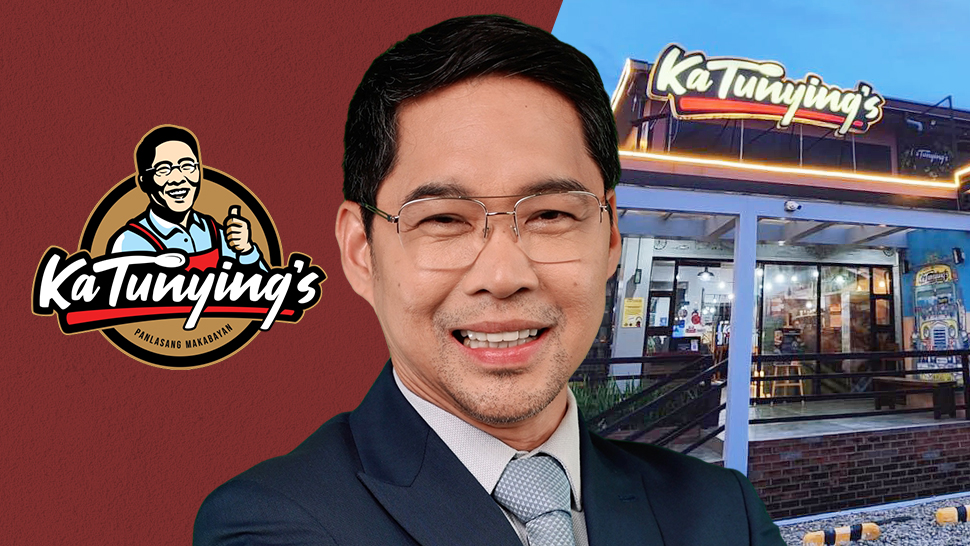
Anthony Taberna’s journey from a struggling student to a well-known media personality and successful entrepreneur illustrates how one can overcome challenges to achieve remarkable success. Despite facing financial difficulties from a young age, his story is not only about hardship but also about determination and ability to seize opportunities for great achievements.
Born into a modest family in San Antonio, Nueva Ecija, Taberna faced many challenges from a young age when his father suffered a debilitating stroke, leaving his family struggling financially. Despite these hardships, Taberna was determined to pursue higher education and enrolled in Communication Arts at New Era College.
To support his studies, he began working at the age of 17 at Eagle Broadcasting as a part-time writer and newscaster. This early experience in the broadcasting industry not only helped him manage his finances but also developed his skills in media communication
In 1996, Taberna’s career took a significant turn when he was offered a position at ABS-CBN, which marked the beginning of his flourishing career in broadcasting. He quickly rose through the ranks, from a diligent reporter to a prominent radio host of "Dos Por Dos" at DZMM. His ability to connect with the audience and his flair for engaging storytelling made him a household name.
When Taberna’s father passed away in 2001, he suggested to his family that they open a small bakery to help sustain their home expenses. Little did he know that this modest bakery, named ‘Ka Tunying’ in honor of his father, would begin to flourish. In 2015, Taberna seized the opportunity to expand, opening his first Ka Tunying Café outlet on Visayas Avenue.
Today, Ka Tunying is a fast-rising, homegrown Filipino bakery brand, with eight outlets. With plans to expand to more locations in the future, Taberna has gone beyond merely capitalizing on his media popularity to boost his business. The business itself has become synonymous with quality and innovation in the industry.
Taberna has also ventured into the catering business with Taste of the Town catering, and multimedia events with Outbox Media. Additionally, he operates his own digital program called Tune In Kay Ka Tunying Live.
What challenges did Taberna face in the initial stages of his company and how did he overcome them to transform his small bakery into a chain of stores?
Here are the five business lessons every entrepreneur can learn from Ka Tunying himself, Anthony Taberna, the founder and CEO of Ka Tunying Café:
ALSO READ
1| Know how to rise above adversity and turn hardships into opportunities
When you thrive during difficult times, it means you show resilience and strength. You can face and overcome challenges with courage and determination. Thriving helps you maintain a positive outlook and mindset, which leads to better mental and emotional well-being.
On the other hand, when you turn obstacles into opportunities, it means you're being creative and resourceful. Instead of being held back by setbacks, you see challenges as chances to grow. This mindset allows you to find new solutions and learn new skills.
Despite facing financial challenges and the absence of parental support due to family circumstances, Taberna took initiative by seeking employment opportunities. Initially applying for a job as a server at Jollibee, he later discovered an opening at a radio station and applied for a part-time writing position.
Upon securing a position at the radio station, Taberna exhibited resilience by taking charge of his responsibilities and embracing the opportunity for growth.
Despite his young age, he quickly evolved from a news writer to a news anchor by seizing the opportunity to develop a range of skills, including writing, producing, reporting, and anchoring, showcasing his ability to adapt and thrive in a challenging environment.
When presented with the chance to join ABS-CBN as a reporter for DZMM, Taberna took the chance and recognized it as a significant milestone of his career progression.
Despite the demands of his work and studies, Taberna remained committed to supporting their family financially. He recognized the importance of his role as a breadwinner and ensured that a portion of his earnings was sent back home to assist his family members in need, highlighting his sense of dedication and responsibility.
“I started when I was 17 years old,” he says. “I was in second year college at the New Era University. Eh wala po akong financial support na I could get from my parents kasi ang tatay ko ay nabaldado ng stroke. My dad was a bus driver at yung nanay ko naman ay plain housewife lang. Siya po eh grade six lang po ang tinapos, elementary.
“So nung pumunta po ako ng Metro Manila from Nueva Ecija, first year ko first sem, meron pa ho akong mga kapatid na nakakatulong sa akin sa day-to-day expenses ko, pero nung mga sumunod na eh, kailangan sariling sikap ko na.
“Luckily, I became a college academic scholar pero kulang pa din eh, kahit libre kulang pa din so I had to find something, work. Actually, I applied for a job as a server sa Jollibee, kaya lang during that time, nalaman ko na may opening sa isang radio station na part-time writer, newswriter. So nag-apply ako, sabay akong natanggap, sabi ko tutal AB Mass Communication yung aking course napunta po ako sa broadcasting.
“Actually that was the time na tingin ko hindi ko naman gusto yung broadcasting nung umpisa. Pero nung napasok na ko dyan, nung naririnig ko nang binabasa ng announcer yung isinulat ko, sarap ng pakiramdam. That was with Eagle Broadcasting Corporation.
“Yung radio station po na yun, nag-umpisa po akong news writer, naging news producer, naging field reporter, eventually naging news anchor. Imagine I was only like 19 years old.
“Naga-anchor ako pag wala pong announcer. Dahil ako naman ang producer ng news, so I had to take charge. Ako ang nagbabasa ng balita eh, hindi naman nakikita yung mukha noon. Akala nila matanda na ko eh, so sa boses lang ibinatay.
“I was supposed to graduate in 1995, pero dahil nga nakafocus po ako sa pagtratrabaho ko—breadwinner po ako, yung sweldo ko padala sa probinsya, kinuha ko po yung masscom ng sampung taon—ang tagal kong nag-aral. Pakonti-konti na lang yun mga units sa mga latter part ng pagaaral ko.
“So noong 1996, ang ABS-CBN, naghahanap sila ng reporter for DZMM sa radio. Hindi po ako pumayag agad dahil nahihiya ako sa DCEZ, eh ang Eagle Broadcasting, sila ang nagsanay sa akin, pero ito hindi ko makakalimutan.
“Nakikitira po kasi ako sa tiyuhin ko noon. One day, dumating po yung lola ko, sabi niya, ‘Ang nanay mo nasa bahay sa amin kanina, sa Nueva Ecija. Nanghihiram sila ng bigas. Wala silang bigas, eh wala naman akong maipahiram,’ sabi nya.
“Alam mo naiyak ako, sabi ko, what I am doing here? Kahit nakapagbibigay man ako, kulang din sa kanila so I decided noon din na tanggapin ko na nga yung offer ng ABS. That was the start of it.
“Noong March 31, 1997, I started reporting for DZMM. Nung nasa ABS na po ako, nangangailangan sila ng tao at nabigyan kami ng chance sa Dos Por Dos. Yung once a week na show. After eight years, nakita yun ng mga taga TV nung naghanap sila ng additional talents sa morning show. Ayun, dun na nag-umpisa yung TV career ko naman noong 2005.”
2| Know how to recognize opportunities and pivot business models to grow
Pivoting allows businesses to better align their offerings with market demand. By listening to customer feedback and monitoring market trends, entrepreneurs can identify areas where their products or services may not be meeting customer needs effectively.
Experimenting with different business models or product concepts, entrepreneurs can discover new opportunities for growth and differentiation.
By identifying underserved market segments, entrepreneurs can capitalize on opportunities that others may overlook and stay ahead of the curve.
Taberna identified business opportunities by observing market demand and capitalizing on local preferences. By focusing on traditional Filipino bread varieties, such as pandesal, Pan de coco, Spanish bread, and hopia, Taberna differentiated his bakery from others introducing European breads. He understood the value of staying true to their local brand, Ka Tunying, to maintain customer loyalty.
Taberna further identified business opportunities by participating in local bazaars, which led to collaborations with retailers like Puregold, securing shelf space for their bakery products.
However, when logistical challenges arose due to the bread's sourcing from Nueva Ecija, Taberna strategically pivoted the business model by transforming their bakery into an all-day breakfast café with a small kitchen. This unexpected move proved to be more profitable than selling bakery products alone.
“Noong 2002, nung wala na po yung tatay ko, kinausap ko yung nanay ko,” he says. “Sabi ko hindi sustainable na magta-trabaho ako, magpapadala ako dyan. Hindi sustainable yan, so sabi ko magtayo tayo ng mallit na community bakery. Pinangalan namin sa tatay ko, Tunying. Siya po ang original na Tunying. Ako po Anthony naman talaga ko eh, sya ay Antonio Sr., ako naman ay Antonio Jr.
“Tapos tinuruan ko at pinagaral ko yung bayaw ko sa TLRC. During that time yung parang katapat ng TESDA ngayon yun eh. Sabi ko magtrabaho ko, magbaker ka kasi alam ko na ang problema ng mga bake shop pag umalis yung baker eh. Sabi ko kung aalis man yung baker natin, hindi nya tayo maho-hostage. Ikaw ang gagawa ng tinapay.
“Madali lang naman po yun pagka community bakery eh. Basta may gagawa ng tinapay, isa or dalawang tao. May magtitinda, tapos na. Minsan may hahango ng tinapay sa yo. Merong may magpo-potpot, potpot dyan, nagtitinda ng hot pandesal, okay na.
“Ang kaibahan namin, hind kami lumayo dun sa produkto ng probinsya. Yun bang ititinda mo lang naman yan eh, tinapay. Pandesal number one, Pan de coco, Spanish bread, hopia, yan yung mga binibili ng tao eh.
“Tapos dumating yung panahon na may naha-hire kami na ibang mga baker na nagpapasok ng European breads, pero sabi ko hindi, Ka Tunying tayo eh, local ang dating ko eh. Hindi ba? Pag Ka Tunying eh tropa mo lang nakaupo lang dyan sa kalsada. Probinsyano lang eh. So wag na tayong lumayo dyan sa brand natin. Filipino tayo.
“So, that was 2002. Okay lang kahit papano gaya nung sinabi ko meron silang hanapbuhay. It feels good when you work for salary na self-sustaining para wala na akong pakialam.
There was a time na pag may mga bazaar dito sa Metro Manila, sabi nung wife ko, sali natin yung mga produkto natin, so from Nueva Ecija dinadala pa namin dito yung mga bakery products namin, so may mga orders samin.
“Maganda ang feedback. Nakausap ko si Puregold. Binigyan kami ng pwesto sa bread section. Nagkaroon kami ng pwesto sa Tayuman, sa Binondo, sa Kalentong at meron pang isa. Bale apat na pwesto yung binigay nya sa amin dito.
“Ang problema, ang tinapay galing pa ng Nueva Ecija so alam nyo naman pag ang tindahan mo walang nagbabantay, hindi sya ipu-push eh di ba? Hindi ko kasi kabisado yung kalakaran eh, so medyo nahirapan ako dun.
“Ang dami kong bad orders, luluwas pa from Nueva Ecija dadalhin namin produkto dito, tapos pagbalik uli namin para sa bagong delivery, ang dami ko ding inuuwi. So sabi ko hindi ako bagay sa retail ng bread section ng supermarket. Hindi ito yung concept ng negosyo na pwede kami.
“Hanggang sa nakita namin itong pwesto sa Visayas Avenue. Yan yung una naming ipinatayo. Ang original dyan ay bakery and may konting drinks at kape, pero as the construction was progressing, may nagsabi sakin, sayang naman itong kalsada, maglagay ka na ng kitchen kasi ang ganda ng lugar na ‘to. Maglagay ka na ng kitchen para mag all-day breakfast ka.
“Hindi ko naman inaasahan, so nilagay ko kaya yung kitchen namin napakaliit eh kasi afterthought lang sya. Alam nyo naging ending, mas maganda pa pala ang kita sa hot kitchen kesa dun sa bakery product, kasi ang liit ng mark-up mo sa tinapay eh.”
3| Know how to tailor strategic pricing for your target market
Strategic pricing allows businesses to differentiate themselves from competitors by offering unique value propositions. Whether through premium pricing strategies or cost leadership approaches, businesses can carve out a distinct market position that resonates with their target audience.
Pricing strategies that align with the perceived value of products or services enhance customer satisfaction. When customers feel they are receiving fair value for their money, they are more likely to develop loyalty to the brand, leading to repeat purchases and positive word-of-mouth referrals.
Taberna learned his mistake in pricing initially when he entered the bakery business without a deep understanding of business fundamentals, driven primarily by the notion that high sales equate to profit. This mindset led him to underprice his products, resulting in significant sales volume but insufficient profitability. As a result, despite the long queues and high demand, the business was not financially sustainable.
Upon realizing the discrepancy between sales and expenses, Taberna, to his dismay, discovered that despite generating substantial revenue, the business was operating at a loss due to low pricing. This realization prompted Taberna to reassess his pricing strategy and make necessary adjustments.
With guidance from his wife, Taberna began to analyze their target market more thoroughly. Recognizing that their customers were primarily from the middle class and above, he understood that they were willing to pay higher prices for quality products and services. This insight led Taberna to raise prices gradually, aligning them with the value perception of their target customers.
“Nag-start agad siya ng bakery, may kape at saka merong all day breakfast,” he says. “Kung hindi ako nagkakamali, August 18 kami nagbukas. Pagkalipas ng isang lingo, laman kami ng balita, kasi pinagbabaril yung tindahan ko, mga 2 o’clock in the morning.
“Alam nyo malaki din ginastos ko dun, dahil nabasag yung glass panel ko. Buti na lang hindi tinamaan yung coffee machine ko. Kalahating milyon yun, pero nakilala yung brand ko. Laman ako ng TV Patrol, 24 Oras, TV5. Nasa dyaryo ako. Nasa online news ako, Youtube, sabi ko magandang strategy pala yun ah.
“Dahil dun sa pangyayari na yun, ang daming nagkaroon ng interes. Si Ka Tunying pala mayroong restaurant café. Alam nyong pila ng tao dyan sakin? Grabe. May mga basag pa ngang glass dyan pero ang dami pa ring nakapila.
“Dahil hindi naman ako ma-alam sa negosyo eh, katulad din ng ibang Filipino na ang iniisip ko yung benta, yun na yung kita. Ganun yung karaniwang mindset ng Filipino eh. Nagtinda ng fishball dyan akala nya yung benta nya, yan na yung kita nya. Ganon din ako nung umpisa.
“Bumebenta ako ng ilang daang libo sa isang araw. Ang pila ng tao dyan grabe at ang set-up ko dyan dati hindi full service restaurant. Pila ka dun sa counter tapos bayad ka na agad. Intayin mo dalhin mo sa lamesa yung inorder mo. Tapos bago sila umalis, dadampot ng tinapay balik na naman sa counter. Ganon ako nung umpisa eh.
“Kausap ko yung pinaka operations. Wala pa kaming general manager eh. Sabi ko ‘kumusta ang pera natin sa bangko? ‘Boss wala tayong pera sa bangko.’ ‘Ha? Anong wala tayong pera sa bangko? Eh yan ang haba ng pila, ang dami nating benta.’
‘Eh kaya lang boss, bumenta tayo ng P430,000, ang gastos natin, P450,000.’ Sumakit ang ulo ko. Ibig sabihin po, pumasok ako sa negosyo hindi ko naiintindihan yung business.
“Naka POS naman ako pero, sabi ko pano nangyari yun? Nag-kwenta kwenta kami. Ang baba pala ng presyo namin. Sobrang baba. Kaya pala malaki benta, volume. Walang puknat pagod na pagod ang tao namin. Nagdo-double shift pa yan, minsan triple shift. Naggagawa sila ng tinapay kahit na magdamag. Mali yung presyo namin.
“So sabi ko patay tayo. Usap uli tayo. Taasan natin ang presyo. Pagkalipas ng ilang buwan taas kami ng presyo. Yung haba ng pila nawala na tapos, paisa-isa na lang yung dumarating.
“Meron kaming pinag-aaralan ng misis ko. Sino ba ang target market natin? Hindi naman tayo karinderya. Alam natin ang pupunta dito naka kotse. May pambili yan. Ang target market natin, middle class pataas. Noong na-establish na namin yung market namin ay medyo natuto na kami.”
4| Know how to safeguard company assets with internal controls
Internal controls help protect the company's assets from theft, fraud, or misuse by employees or external parties. By establishing checks and balances, internal controls reduce the risk of fraudulent activities within the organization, such as embezzlement or misappropriation of funds.
Effective internal controls are important for enhancing the accuracy and reliability of financial statements. By reducing errors and irregularities in financial transactions and reporting, they ensure that financial data is trustworthy.
Additionally, internal controls streamline business processes and workflows. By defining responsibilities and establishing procedures, they minimize redundancies and unnecessary delays, thus optimizing operational efficiency.
Taberna learned his mistake of not implementing internal controls in the business through a painful experience. He trusted one person with the crucial task of managing the company's finances, believing in his capability and integrity.
However, this individual abused his trust and transferred company funds to his personal account by manipulating records to conceal his actions, causing significant financial losses to the company, especially during the pandemic when resources were scarce.
Taberna realized that by giving unchecked trust and authority to this person, he essentially handed over the keys to the kingdom without any oversight or checks in place. This lack of internal controls left the company vulnerable to exploitation and financial mismanagement.
“Meron akong isang pinaka-malaking pagkakamali sa buhay ko na pinagsisihan ko,” he says. “Nagtiwala ako sa iisang tao na binigay ko pa naman sa kanya yung pinaka-importanteng parte nung negosyo, pag handle ng pera.
“Every now and then nagmo-monthly PNL reporting kami. Ganda ng report, ‘Pwede tayong magbukas pa sa Baguio, may pera tayo dito ganun.’ Eh ako naman hindi ko naman sya masyadong binabantayan kasi nga busy ako nasa media ako eh.
“So I trusted this person so much, na ang nangyari ay nagkamali pala ako ng pagbibigay ko sa kanya ng tiwala. Dahil inililipat nya yung pera ng kompanya sa sarili nyang account eh. Ginagasta nya ng lavishly kasi nag aaccess sya online.
“Tapos dati natatakpan pa nya yung mga tsekeng ini-issue namin sa mga suppliers. Ngayon pagka tumalbog siguro nagagawan nya ng paraan. Noong pandemic, pag talbog hindi na nya magawan ng paraan kasi wala na kaming pera.
“May mga tumatawag saming supplier. Yung iba nahaharang nya, yung iba nakakalusot. Bakit kami? May pera kami, may pinirmahan akong tseke, doon nadiskubre po namin.
“Nakilala ko ito when he was like, 16 or 17 years old lang. Mabait na bata. Unassuming. Nag-aral ng accountancy, nagtrabaho sa ilang kompanya. Inaanak ko pa sa kasal eh. Ang sinabi ko sa kanya, wag kang magmamadali. Unti-unti tayo, sabay-sabay tayong aangat, dahil gusto ko talagang tumulong sa kanya.
“Nakakagulat syempre. Devastated ang kompanya dun. Imagine pandemic na, pinipilit kong i-save yung mga tao natin para huwag mawalan ng trabaho.
“Unang una, tingin ko tayo naman kasing mga tao mapagtiwala naman talaga tayo. Ah template yun eh, parang default system natin yun eh. Kung kaibigan mo, pagtitiwalaan mo, lalo na kung nakita mo namang bata pa. Mukhang okay naman nagsisikap sa buhay. Pagkakatiwalaan mo.
“Ang natutunan ko dun na masyadong malaki ang matrikula, ang tuition fee sabi nga nila, eh yung tiwala ko walang control kasi ibinigay ko yung susi, parang ganun eh, binigay ko yung susi ng kaha de yero. Siya ang finance officer, wala akong auditor. Siya din ang auditor, tapos sya din sa procurement. Kanya lahat. Walang check and balance.
“Ang ginawa namin ay we engaged the services of an accounting firm na na gumagawa ng aming intenal audit. Ultimo yung kaliit liitang ginagawa sa kompanya, inaayos nila yung proseso, like yung tungkol sa request for payment, mga purchase order. Medyo malaking gastos pero pag tinignan mo eh ok lang eh kumpara sa matatapon at mananakaw kasi may magbabantay eh.
“Ang isa pang natutunan ko dun at tingin ko dapat ding matutunan ng iba ay wag kang papasok sa hanapbuhay na hindi mo naiintindihan. Matutulad ka lang sa akin.
5| Know how to instill righteous values into company culture
Righteous values serve as a moral compass, guiding employees to make ethical decisions in their interactions with colleagues, customers, and stakeholders.
By promoting values such as honesty, trustworthiness, and integrity, organizations can build trust among employees and stakeholders, promoting stronger relationships and enhancing the company's reputation.
When employees feel that their organization upholds righteous values, they are more likely to feel motivated, engaged, and committed to their work. This can lead to higher morale, productivity, and overall job satisfaction.
Companies that embed righteous values into their culture tend to demonstrate greater resilience and sustainability over the long term. By prioritizing principles over profits, they build a strong foundation for enduring success and are better equipped to weather challenges effectively.
Recognizing the need for a moral compass in the workplace, Taberna introduced Christian core values as the foundation of their company culture. This provided employees with a clear set of principles to guide their actions and decisions.
Taberna invested in training that ensured his employees were equipped with the knowledge and understanding of righteous values. Every day, his company paused work at 10 a.m. to pray. This ritual served as a reminder of the importance of seeking spiritual guidance in their daily endeavors. Regardless of their religious backgrounds, employees participated in this practice, promoting a sense of unity and shared purpose.
Taberna encouraged a culture of gratitude by incorporating a daily practice of reading messages of gratitude from a "bowl of gratefulness." This practice instilled a sense of appreciation among employees, contributing to a positive work environment.
Taberna also emphasized humility, trustworthiness, and honesty as fundamental values within the company. By consistently reinforcing these values through daily interactions and messaging, employees understood their significance in shaping the company culture.
He also led by example, demonstrating God-fearing behavior and honesty in his actions. His integrity and commitment to righteous values served as a model for employees to emulate.
“Mas maganda nga sana na, na yung level of integrity nung mga tao ay mas mataas,” he says. “Nandito man tayo o wala, may control. Nasa stage kami ngayon to introduce a value that is Christian in nature. Christian core value, yun po amin. Yun po ang aming pinapaliwanag sa kanila.
“Nag li-leadership training kami, mga seven sessions yan. Nag-iimbita kami ng mga taong magsasalita tungkol sa values. Every day, every single day, dito sa mga opisina namin at pati sa mga tindahan, we start our day or we stop our whatever we are doing at 10 in the morning to pray kasi sabi namin wala tayong pupuntahan if we are not guided by the Lord.
“We come from different religions. Iglesia ni Cristo kami. Yung iba dyan ay Christians. Pagkatapos naming mag pray. Konting pep talk, araw-araw yun. Meron kaming bowl of gratefulness. Nagbabasa kami ng tatlong message like ‘I’m grateful for the lunch,’ basta let us all be grateful.
“Wag tayo yung katulad ng ibang mga tao na puro reklamo. Bawas bawasan na natin yung whining. Yung pagrereklamo. Kailangan makita natin yung mabubuting ginagawa sa atin ng kapwa natin at ng Panginoon so we are solidifying that core values.
“Unang-una, yun ay isinasabuhay namin to eh. Yung humility. Dapat laging nakatapak tayo sa ground kasi ang Panginoon bibigyan ka ng opportunity. Bibigyan ka niya pagka masipag ka, aasenso ka, pero wag lalaki ulo mo. That's number one: humility.
“Number two, dapat trustwothy tayo, kasi kapag trustworthy ka. Kahit sinong tao yan, ordinaryong tao. Pamilya mo, hindi po pamilya, malalaking tao. Pagkakatiwalaan ka nila eh, meaning trustworthiness and integrity yan.
“God-fearing ako eh. Yun bang mahihiya ako sa Panginoong Diyos sa dami nitong binigay niya sa aking oportunidad. Eh nag-aalaga lang ako ng baboy sa Nueva Ecija eh, tapos nag papastol lang ako ng kalabaw, gumagapas ako ng palay, tapos nabigyan ako ng ganitong opportunity, nakakausap ko Presidente. Nakakausap ko senador, nakakausap natin pinaka-mayayaman, eh sino ba naman ang nabigyan ng ganong oportunidad?
“Binigay sakin yan kaya nahihiya ako pag gumagawa ako ng kalokahan eh. Kaya sabi ko dapat God-fearing tayo, tapos sa hanapbuhay naman ang gusto kong sinasabi lagi sa tao ay yung honesty. Nakakatempt ang maraming bagay pero kapag ikaw ay honest sa lahat ng oras, malinis ang puso mo, ibig sabihin nun eh wala kang pupuntahan kundi blessings eh. Ibibigay sayo yung mga pangarap mo.
“Pang huli, na-experience ko rin na pag masyadong mabait, yung kabaitan inaabuso ng kapwa mo. Ako ay naabuso na ang kabaitan ko eh. Hindi pala pwedeng ganon. Oo, gusto mong maging mabuting tao, kaya lang hindi dapat laging ganun.”
Henry Ong, RFP, is an entrepreneur, financial planning advocate and business advisor. Email Henry for business advice hong@financialadviser.ph or follow him on Twitter @henryong888
