
The Story Behind inDrive, the Newest Transport App Looking to Challenge Grab

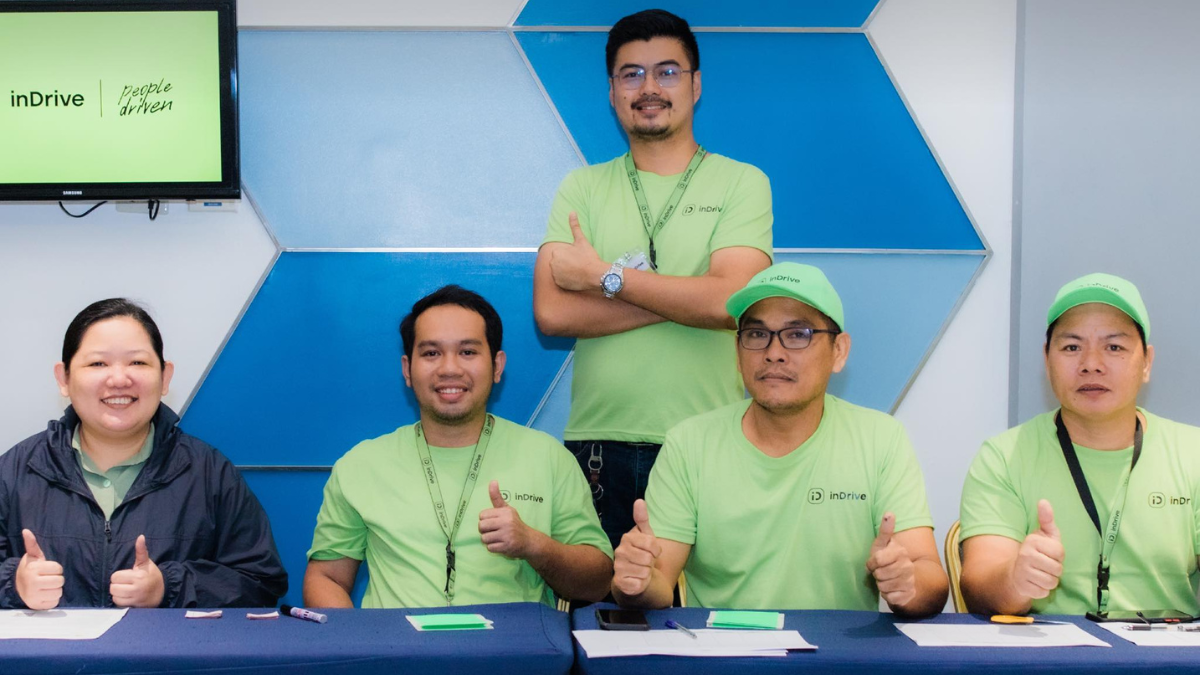
It's been a while since Grab Philippines has had competition in the ride-hailing app space. And news of other aggregators entering the country has been far and few in between, achieving only mild success. These days, ride-sharing apps have trouble with competitive pricing and meeting demand, as well as limited availability and long queues.
Enter inDrive, who just entered the Philippines this year. inDrive happens to be one of the biggest international ride-hailing services, with roots in Russia but now operates from California in the United States. It looks to fill the hole left by Uber and other smaller competitors in the market.
The Story Behind inDrive
In 2012, inDrive would begin as, its site puts it, an "exercise in justice." The story goes that in the northern Russian city of Yakutsk on New Year's Eve, taxis doubled their rates because of the temperature drop, and would leave locals stranded in the winter. Citizens would go to social media to complain and demand fair prices for rides. This would kickstart the idea behind the company.
It was formally founded in 2013. inDrive hoped to offer mobility solutions that "enable choice while retaining a human element." Drivers and riders can agree on the price, route, and other details of the booking, which allows for better peer-to-peer coordination. inDrive would eventually be incorporated in the United States in 2018
The company would achieve "unicorn status" in 2021 following the closing of a $150-million investment round with Insight Partners, General Catalyst, and Bond Capital, which put the company's value at $1.23 billion. By 2022, it would become the second most downloaded ride-hailing app worldwide based on Google Play and App Store numbers. During this same year, it would leave Russia entirely, severing any legal ties and further investments in the country.
ALSO READ:
Uber Lays Off 3,700; Airbnb Cuts 1,900 As People Rethink Sharing
A Year After Its Merger with Uber, Grab is Now More than Just a Ride-Sharing Platform
Where Can I Book?
As it stands, inDrive operates in roughly 700 cities encompassing 45 countries. In Southeast Asia, it has a presence in Indonesia, Malaysia, and Thailand.
The Land Transportation Franchising and Regulatory Board (LTFRB) formally recognized inDrive just recently. It filed its accreditation application in January this year, and will be piloting driver registrations in cities like Bacolod, Baguio, Iloilo City, Cagayan de Oro, and Butuan.
In November, for instance, about 300 drivers joined inDrive in Bacolod, the only place where the Tricycle Ride service applies. However, the formal launch of the company and the number of fleets assigned per region have yet to be revealed. The group says that it will be focusing on recruitment and onboarding first.
In the future, it should offer city-to-city, courier delivery, and freight delivery, among other services.
So What Sets It Apart?
Well, for starters, the California-based mobility service is all about a "people-driven" approach. In a nutshell, its peer-to-peer model provides passengers and drivers with the opportunity to negotiate fare rates. Each is given the flexibility to accept or decline or change the offer without penalties. The usual features are there, from the driver rating to the vehicle model and the estimated time of arrival. Each ride is monitored, as well, as an added safety measure.
Another aggregator surely can't be a problem now, can it?
