

Financial Adviser: 5 Business Lessons Everyone Can Learn from Willen Ma, Co-Founder and CEO of Masuki

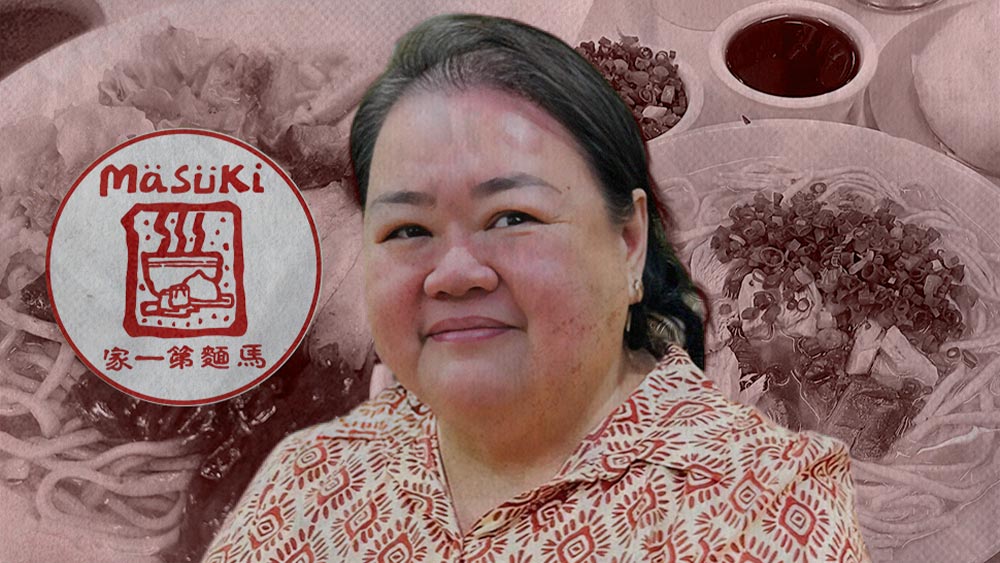
Willen Ma is best known as the CEO of Masuki, a famous noodle house that originated in the heart of Manila. Her journey is a tale of perseverance, family heritage, and innovation, which transformed Masuki into one of the most iconic food brands in the Philippines.
Born into a family with a strong tradition of Chinese cuisine, Ma grew up in a small noodle eatery called Ma Kong Mami House in Binondo founded by her father who immigrated from China. It was in this environment that Ma’s love for food and her dedication to continuing the family legacy took root.
In 1994, Ma recognized the potential in the family’s traditional recipes and saw an opportunity to turn this humble eatery into an institution. Through a combination of hard work and strategic thinking, she rebranded the family restaurant and named it Masuki, focusing on its signature mami (noodle soup) and siopao (steamed buns), two popular dishes that have defined the restaurant’s identity.
Under her leadership, Ma improved its menu to include a wider variety of dishes while maintaining the same level of quality and authenticity that had always defined the brand. Over time, she also expanded the brand to multiple branches across Metro Manila.
Today, after 30 years, Masuki is still thriving as a beloved and iconic family-owned restaurant, renowned for its authentic Chinese comfort food, particularly its signature mami and siopao.
With its rich heritage and commitment to quality, Masuki continues to attract loyal customers who appreciate the traditional recipes passed down through generations. Despite the changing times, the business remains true to its roots, while also adapting to the needs of modern diners.
How did Ma manage to maintain Masuki's traditional appeal while adapting to modern customer preferences over the years? What key entrepreneurial principles have helped Ma maintain Masuki’s continuity and growth across generations?
Here are the five business lessons everyone can learn from Willen Ma, co-founder and CEO of Masuki Mami House:
ALSO READ:
1| Know how to keep a family business thriving and build a lasting legacy
Preserving a traditional business honors the hard work and values of previous generations. Building a family legacy through business can enhance the reputation of the family name. It provides continuity that allows the business to adapt and grow while keeping its core identity intact.
Maintaining a family business creates opportunities for family members to work together. By preserving the business, the family not only passes down material wealth but also instills values like hard work, integrity, and entrepreneurship in future generations.
Masuki’s journey began when Ma's father, who, at the age of 14, became the first apprentice in their mami (noodle) business under his uncle. This early dedication to learning the craft ensured that the business knowledge and skills were passed down to the next generation.
Later, Ma’s brother took over the role of apprentice, with their father pulling him from college to focus on learning the details of the business, especially the food preparation aspect. This continuity of training reflects the importance of commitment and hard work, which are important values in sustaining a family business.
When the family business faced significant challenges during the 1990s financial crisis, which led to the restaurant's closure, many family members lost interest in continuing, and some even migrated. Despite this, Ma and her siblings demonstrated their resilience to overcome adversity by choosing to move forward and revive the business.
Ma's ability to keep the family business thriving reflects how, despite challenges and changing circumstances, a family can preserve its legacy through hard work, collaboration, and a willingness to evolve.
“Our mami business started po nung 1930s,” she says. “Yung grand uncle ko po, uncle ng Daddy ko, nagpe-pedal po sila ng mami sa Binondo, nag-iikot po sila na parang taho style. First apprentice po si Daddy ko. Ang pangalan ng Daddy ko ay Ma Chi On. He was only 14 years old nung nag-umpisa sya maging apprentice ng uncle nya kasi lumalaki na yung negosyo niya nung kaya kailangan na nya ng apprentice.
“In the 1950s, gumawa ng restaurant yung uncle ng Daddy ko, yung Ma Kong Mami restaurant. Right after mamatay po yung uncle nila, iniwan po sa Daddy ko at saka sa mga cousins nya yung restaurant, so kilala po sya as Ma Kong before.
“Ma Kong kasi, Ma is our surname, ‘kabayo.’ Kong is ‘malaki,’ so ‘malaking kabayo’ daw sya. Nauna po itong restaurant sa Ongpin, and then lumipat sa Salazar tapos dito na po sa Benavidez nung 1966. Tapos, during the 1990s, nagkaron ng financial crisis.
“So bale nagsara po ito Ma Kong, sabay nagmigrate na rin yung kasama ng Daddy ko dito sa restaurant. Tapos yung iba po parang hindi na sila interested kasi di ba nung 1997, parang ang hirap ng buhay nun eh. Parang hindi na sila interested to continue. Yung brother ko kasi, siya yung next apprentice naman ng Daddy ko.
“Pinullout po sya ng tatay ko from our house. Dito na po sya itinira para matuto talaga sya sa pagluluto. Every morning kasi yung paggawa namin ng mga produkto kailangan nandyan na sya, parang hindi na yata sya naka-graduate ng college nya dahil nakatutok na sya talaga dito. Tinuruan na talaga sya.
“So siya yung unang nakakaalam ng papano yung pagluluto ng mga produkto namin. Nung time na yun, marami po kasing nagre-request na mga kapitbahay, nakikita nilang sarado lang. Maraming kumakatok at nagtatanong tapos maraming mga kaibigan na nagtatanong, ‘Kailan kayo magbubukas ulit? Sayang naman,’ ganyan ganyan. So yun siguro din po yung naging mitsa kung bakit, ‘sige tuloy na nga natin.’
“So we asked our father kung pwede namin buksan ulit yung restaurant. Tinuloy po naming magkakapatid, yung brother ko, mga sisters ko, yung business.
“Tapos nung binuksan po namin ulit namin itong restaurant, humingi kami sa Daddy ko ng panibagong pangalan. Ang gusto nya talaga is Ma Shao Ki, so parang maliit na kabayo, kaso for us, mga Filipino and Chinoys, hindi na natin mabanggit yung Ma Shao Ki eh, so sabi nya, sige Masuki na lang, meaning maliit na kabayo.”
2| Know how to manage and lead a business through difficult transitions and challenges
Effective leadership during difficult times ensures the survival and continuity of the business. It also helps maintain stability, which allows the business to adapt and evolve in response to external challenges such as financial crises, regulatory changes, or market shifts.
Managing a family business through crises strengthens the bond among family members by uniting them toward a common goal. Furthermore, it provides an opportunity to implement necessary changes, such as modernizing operations, improving systems, and adapting to new business environments, which can position the business for long-term success.
When Masuki faced a financial crisis and lost its suppliers, Ma did not give up. Instead, she demonstrated perseverance by keeping the business running while rebuilding relationships with suppliers, eventually earning their trust again.
Ma recognized that adapting to new systems and practices was necessary to sustain the business. As time went on, she saw the need to implement modern business practices, including systems for production, staffing, HR, and accounting. By introducing these changes, she ensured the business could operate efficiently in a more competitive environment.
When her brother suggested closing the business and rebranding under a different name, Ma stepped up and advocated for preserving the Masuki name, which had already built a reputation. She saw the value in maintaining the family legacy and took it upon herself to fix the issues in the company.
Ma’s leadership extended beyond her individual efforts; she encouraged collaboration among her siblings, ensuring that each contributed to the business's revival. Eventually, when her mother and brother became ill and could no longer focus on the business, Ma took full responsibility for managing the restaurant.
“Nung time na kami na yung nag-take over, kailangan namin mag-umpisa ulit kasi lahat ng mga suppliers namin nawala. Nagkaron nga ng problema sa pera, so ang ginagawa namin nun, every 4 o’clock in the morning, pupunta ako ng palengke, mangungutang po ako ng mga supplies. Uutangin ko po yung harina, yung manok, yung karne, pagkatapos po nun dadalhin ko sya dito. Magluluto na ang kuya ko, mga ate ko, mga bayaw namin nagluluto na sila.
“Pagkatapos nun, uuwi muna ako, matutulog. Yung ate ko naman ang magbabantay dito, magkakaha tapos meron akong isang ate tagahugas ng pinggan. Kami-kami lang po kasi hindi pa kami kompleto sa mga crew namin, sa staff namin. So kailangan kami pa rin yung kumikilos. Tapos in the afternoon, kukunin ko yung sales, magbabayad naman ako dun sa mga inutangan ko. Siguro mga one month kaming ganon nun.
Bale nung na-develop ko na rin yung relationship with the suppliers, eventually napautang na kami. Ganon na ganon yung sistema namin every day. Nung nakuha ko na uli yung trust nila, tuloy-tuloy na ulit po yung negosyo.
“Tapos nagkaroon kami ng problema sa mga government agencies. Siguro kasi yung alam ng brother ko noon was very traditional, wala siyang system kasi yung ginagawa niya ay kung ano lang yung nakuha nya from my dad. As time goes by, kailangan sumasabay ka sa changes.
“Ang gusto ng brother ko nun, isara na lang natin ang Masuki, change na lang daw kami ng name. Tapos sabi namin nagawa na natin yung name eh, sayang naman, so sabi ko titignan ko kung kaya ko syang maayos.
“Sabi ko titignan ko kung anong pwede kong gawin to save the name and saka nakakahiya naman sa daddy namin na parang, anong ginawa namin? Wala man lang kaming ginawa na magkakapatid. So kinailangan yung tulong ng bawat isa, so nag-offer ako.
“Kasi professionally, pharmacist ako. Tapos ang expertise ko talaga is regulatory, so nakikipag-usap ako sa FDA. Marunong daw akong makipag-usap sa government agencies, so yan po yung binigay nila sa ‘kin, yung task na makipag-usap ako sa SSS, sa BIR, so naayos ko yung problema.
“Eventually, nung time na yun, nagkasakit naman yung mommy ko and my brother also, so hindi na niya na-aasikaso. Nung nangyari po yung problema, hindi na rin matutukan ng mga kapatid ko yung restaurant, so parang ako na yung nag-take over para matapos. Unti-unti naglalagay na kami ng system sa production, sa mga tao, sa HR, sa accounting. Yan po yung mga naiambag ko nun. Tapos tuloy-tuloy na hanggang ngayon.”
3| Know how to drive growth by balancing tradition and innovation
Innovation can attract new customers, open up new markets, and introduce fresh products or services, but maintaining brand identity ensures that loyal customers continue to trust and recognize the brand.
Balancing innovation with brand consistency strengthens the company’s reputation and credibility. It communicates to consumers that while the business evolves, its commitment to quality and core principles remains unchanged. This approach promotes both growth and customer loyalty, making it a key strategy for lasting success.
Initially, the restaurant stuck to its original dishes, such as chicken asado, siopao, Taipao, and siomai, which were the staples that customers came for. As they expanded, Ma introduced new options like beef, wonton, and bola-bola siopao to provide variety without overwhelming the menu or losing the restaurant's core offerings.
This adaptability allowed the restaurant to appeal to a broader range of tastes while maintaining the signature dishes that customers recognized and loved.
However, when the restaurant experimented with rice toppings, they realized that these new additions didn’t resonate with their customers, who primarily associated Masuki with mami, siopao, and siomai. This customer-centered approach—listening to what people wanted and staying true to the core dishes—helped preserve their brand identity while expanding in a way that didn’t confuse customers.
Consistency and quality were central to the restaurant’s success. Ma recognized that adding too many new items would confuse the staff and make it harder to maintain the high standards that customers expected. Instead of overcomplicating the kitchen operations, Ma and the team kept the menu focused, similar to the Japanese philosophy of mastering one dish, like ramen, to perfection. This reflects the value of quality over quantity—ensuring that everything served was of the highest standard.
“Nung nag-umpisa kami, yung original lang muna. Yung chicken asado tapos may siopao. Tapos yung malaking siopao yung Taipao and the siomai. Yun lang yung original talaga, pero nung nagdagdag na kami, naglagay na kami ng beef, wanton, at saka bola-bola na siopao.
“Yun naman kasi ang pinupuntahan ng tao dito: yung mami namin, yung siopao namin. Nung nag-open kami sa Lucky Chinatown, we tried to have rice toppings pero hindi naman yun ang pinupuntahan ng tao. Kasi ang kilala ng tao pag sinabi mong Masuki, ang kakainin ko dyan mami, siopao, siomai.
“Tapos may variety lang kung ano yung gusto ko, magbi-beef ba ko? Mag-aasado wanton ba ko, mag-chicken asado ba ako, o magbi-beef wanton ba ako? Kaya nga meron na rin kami ng apat na klase: chicken, asado, beef, wanton, para kapag gusto mo yun lahat, pwede na sya. Pwedeng tatlo lang, yung tatlong klase lang, interchangeable.”
“For us it's always been about consistency and quality. The more na we add to that, the more that parang naguguluhan, especially with our staff, kasi this is what they know. Kunwari isang tao doon sa kitchen, ang alam lang nya gumawa ng siopao. So if I add to that, maguguluhan sila, and we want that consistency. Kasi I do add something, it would be in a totally different kitchen with totally different people, and it's more costly.
“It's easier to maintain quality and consistency,” Ma’s daughter Isabelle adds. “It's like how the Japanese do it, parang if it's just one thing, I'm gonna do just this ramen and it's gonna be the best ramen. So it's the same with us and that's what I found out. I think all of us as a family figured that out eventually. So right now we focus on the consistency and maintenance.
“Very traditional yung brother ko before,” Ma says. “Ayaw nyang lumabas ng Binondo kasi ang rason nya pinupuntahan naman tayo sa Binondo eh, pero nung nagkaron nga kami ng problema, dalawa yung dialysis patient namin. Ang brother ko at saka yung mommy ko, sabi ko mag-open tayo ng isa pa para ma-sustain yung gastos natin, so nag-open kami sa Greenhills, San Juan.
“Yung nag-open kami doon ng 2005, na hanggang ngayon nandon pa rin siya, yung Megamall naman for the longest time gusto kaming kunin. Kasi sila Mr. Henry Sy, nung bata pa, lumuluwas siya dito kasama yung misis niya, kumakain talaga sila dito, pati yung family nila, habang lumalaki yung mga anak nila.
“Gusto nila talagang pumasok kami ng SM. Tapos one time, tinawagan ako ng leasing kung pwedeng makipag-meet up, ano lang, simple meeting. Tapos ang sabi ko sa kanila, ‘Ay binibigay nyo sakin pwesto ang layo-layo.’ Sagot sa ‘kin, ‘Ah sige ano bang gusto mong pwesto?’ Syempre gusto ko Megamall. So, grabe talaga, nung minute na yun, nag-uusap kami, may tinawagan sya. Sinabi, ‘ito i-clear mo na tong pwestong to, ibibigay natin ito kay Masuki. Talagang sabi ko, ‘Huh?!”
4| Know how to develop a skilled workforce to create a strong and effective team
Developing a well-trained and capable workforce is the backbone of any thriving organization. Skilled employees contribute to higher productivity, improved efficiency, and the ability to deliver quality products or services.
Moreover, a skilled team promotes better problem-solving and collaboration, which leads to more effective decision-making and smoother operations. Investing in employee development also boosts morale and engagement, which, in turn, helps increase higher retention rates and loyalty. When employees feel valued and equipped with the right skills, they are more motivated to contribute to the company's success.
Ma developed a good rapport with her employees by recognizing their needs and treating them fairly. She implemented clear systems for reprimanding employees when necessary, ensuring that everyone understood the rules and expectations. This structured approach to management created a fair and organized workplace, where employees knew how to improve and stay accountable.
Ma's attention to detail also extended to financial management, making sure there was always enough money to pay suppliers, utilities, and staff, demonstrating the value of responsibility and financial discipline in sustaining a business.
Her father also played a key role in shaping her management style, teaching her to focus on what the family business had rather than worrying about external competition. This focus on internal improvement kept her team motivated to continually upgrade their skills and maintain the business’s standards.
Ma also ensured that younger staff members were trained by the original, more experienced team. This continuity helped maintain high standards, as employees learned from those who had mastered the traditional methods. Ma’s daughter, Isabelle regularly checked in on the kitchen to ensure that quality was upheld and that the staff was performing their tasks correctly, reinforcing a culture of accountability and attention to quality.
“Nag-aattend ako ng mga seminars at mga associations para matuto ako. I have to learn. Kailangan matuto ako. Hindi ako 100 percent na marunong, pero siguro yung naging trabaho ko dati sa regulatory, kasi may mga tao din akong hinahawakan dati, parang nasanay na akong makipagusap sa mga tauhan.
“So hinahandle ko ng mabuti yung mga tauhan namin dito, dahil naranasan ko rin na maging trabahador. Empleyado rin ako noon eh. So alam ko ang pakiramdam ng isang empleyado. Kung ano yung gusto ko, yun din yung binigay ko sa mga empleyado namin. Yung gusto ko, syempre gusto ko yung benefits ko kompleto. Yung sweldo ko on time.
“Meron kaming sistema, yung papaano ako magre-reprimand kapag may kasalanan yung tao. Yung mga ganon po ba diba? So lahat yun ini-apply ko sa kanila para meron ding pinaka-sistema yung HR namin.
“Kasi siguro natutunan ko na lang sya ng pakiramdaman. Basta ang sinisigurado ko lang every month, everyday, o weekly meron akong pambayad ng utang sa mga suppliers. Every 15th and 30th, meron akong pampa-sweldo.
“Aside from that, meron akong pambayad sa utilities at tapos meron kaming naiipon. Yun lang yung sistemang alam ko. Very simple. Hanggang ngayon, yun lang din yung ginagawa ko ngayon, basta sinisigurado ko na meron akong pambayad sa government agencies syempre importante yun, sa mga tauhan ko, naibibigay lahat ng benefits nila.
“Tinuruan kami ng daddy ko na magtiwala lang sa kung anong meron kami. Huwag mong pansinin kung sino yung mga nasa paligid mo, kasi at the end of the day, pare-pareho lang kaming nagtatrabaho at gustong mag-survive, so parang wala sa isip ko yung competition. Wala sa isip ko na, ah si ganito maganda na yung itsura.
“Gagawin po namin yung pwede naming gawin to improve, yung looks binabago din namin. Nag-a-upgrade kami kasi meron na kaming mga malls. Meron na kaming mga aircon na restaurants, kumbaga ganon. Yun yung ginagawa namin, hindi ko iniisip na ah kalaban ko si ganito, kalaban ko si ganyan.
“Nakita ko kasi si dad kung paano sya sa tauhan nya. May oras sya ng laro at may oras sya ng trabaho. So ganon din yung ginawa ko. Pag nakikipag kwentuhan ako sa inyo, kwentuhan tayo, pero pag oras na ng trabaho, straight tayong lahat, trabaho tayo. Ganon, tapos yung how he is sa mga tao, sa mga customers.
“Masyado rin po syang ma-PR magkwento. Umiikot sya. Ako dati nung malakas-lakas pa ko, ako mismo yung nagse-serve. Ako yung kumukuha ng orders, hanggang ngayon ginagawa ko po sya pero every Chinese New Year na lang. Nandito ako kasi maraming tao syempre kailangan mo ng extra na trabahador so kumukuha ako ng orders, sinisigaw ko na lang yung orders, para na-seserve agad yung orders.
“We really trained our people to do the things that we need. Swerte, swerte lang din kasi yung younger ang staff namin. They were trained by the original people that were here before. Even in using machines, kaya nila i-maintain. Skills are very important to us. Ako nagche-check sa kitchen para makita kung tama ba yung nangyayari? Tama ba yung ginagawa?
“I also love the fact that, kahit na it seems like it's a complicated menu because it's traditionally made, the products are simple, so madali syang i-maintain, basta the ingredients are there. Proper ingredients are there, at saka yung skills ng tao nandyan.
“Nag-introduce kami ng dry noodles sa tapat ng isang university,” isabelle says. “Sabi namin baka mga kabataan hindi nila magustuhan yung sabaw, kasi alam ng mga kabataan ramen eh, hindi naman sila sanay sa mami eh. Parents nila sanay sa mami. Sa amin, everything is hand-made. Our noodle is thinner pero kasi yung ramen is thick eh. Yung samin it's thin pero it has that bite kahit gaano katagal yung ilagay sa supot, matagal bago sya lumalambot. And if we compare it to ramen, it's totally a different dish.”
5| Know how to protect a family’s good name through humble and honest leadership
Humble leadership demonstrates authenticity and integrity, which builds trust both within the family and in the wider community. When leaders show humility, they gain respect by valuing others’ contributions and acknowledging their own limitations.
Humility ensures that leaders remain grounded in the values that the family has upheld over generations. By leading with humility, they honor the hard work, sacrifices, and principles of previous generations, ensuring that the family's reputation is preserved.
Leading with humility sets a tone for the next generation. It teaches younger family members the importance of staying true to their values, regardless of their success, and that leadership is about service to others, not self-promotion.
Ma learned the importance of staying grounded, not boasting about their achievements, and recognizing that they still had much to learn. Leading with humility allowed her to preserve the family’s legacy while staying authentic.
Ma also underscores the importance of being honest, not only with oneself but also with customers. The transparency in the business, where nothing was hidden or added unnecessarily to products, ensured the quality of the offerings and built trust with customers.
Ma emphasizes the responsibility of maintaining the family name and business legacy. Despite their children not being initially interested in the restaurant, they instill the same love for the business, as it had sustained the family. This shows the value of passing down not just a business but a reputation built on humility, honesty, and love for what they do.
“Isang natutunan ko sa business is yung pagiging humble,” Ma says. “. Yung pagiging totoo. Maging honest ka lang sa sarili mo. Maging totoo rin lang tayo, hindi lang sa pagkatao kundi sa produkto na binibigay natin sa mga tao. Kung ano yung nandyan, yan lang yun talaga. Wala na tayong dinagdag, wala na tayong binawas.
Sa totoo lang wala po talaga akong alam. Ang alam ko lang po talaga sa pera ay ginagastos. Yun lang palagi kong sinasabi pag ako po nagtatalk about business. Pinauupo nila ako sa panel, pag tinanong na ko tungkol dun sa pera. Ang alam ko lang po talaga sa pera ay ginagastos. Hindi po ako marunong mag-ipon, pero natuto na lang ako eventually papano ko siya imamanage. Tapos alam ko lang po talaga is kumain.
Yung daddy ko masyadong siyang malihim. Nung nasunog po ang restaurant namin sa Salazar, hindi po namin naramdaman sa bahay na wala kaming kinakain. Lagi po kaming busog, laging kompleto lahat ng gamit namin. Hindi namin naramdaman na sarado ang restaurant at walang kinikita ang daddy ko.” Ma says
“Nakwento na lang sa amin eto ng mga tauhan namin dito. Siguro wala na ang daddy ko dito eh, nung kinwento nila na alam mo ba ang tatay mo noon, nung panahon na nasunog yung mga restaurant, ang kinakain lang niya hopia at tsaa. Yun lang ang pagkain niya. Yun lang yung kakainin niya tanghali, kakainin niya sa gabi hopia at tsaa pero kami po sa bahay, hindi namin naramdaman na ganoon.
“Hindi nga namin alam yung kwento. Nalaman na lang namin yung kwento nung matatanda na kami. Parang sabi namin, nangyari ba yon? Hindi namin alam. Hindi namin alam na naghirap pala ang daddy ko. Naghirap pala kami. Nag-aral kami sa magandang eskwelahan, exclusive Chinese school, ni hindi nga namin nararamdaman na walang ipon ang tatay ko. Wala siyang naiwan sa amin kahit na ano, kundi yung pangalan lang niya.
“Na-realize ko lang yung how important my dad is. Kasiwhen we reopened the restaurant, kailangan ko magpa-renovate, so nagpunta ako sa Alonzo, tapos sabi nila, ‘Ah tatay mo pala si ganito? Oh sige pahiramin kita.’ Pati yung mga ibang suppliers ganon din ang sinasabi sa amin, so parang ang naiwan niya sa amin, hindi man yaman, kundi yung pangalan at reputasyon niya.
“Naiwan niya yung magandang pangalan niya, and I think sa mga Chinese importante yun na may iniwan siyang magandang pangalan. Kahit saan po ako pumunta, kahit po sinong mga Chinese na mga associations ang makausap ko, ang palagi nilang sinasabi sa amin, ‘Ang daddy mo, malaki ang tinulong sa akin, malaki ang tinulong sa association.’ Parang nakakagulat lang, yung hindi namin akalain na ganon.
“Palagi ko pong sinasabi sa mga anak ko na palaging humble rin kagaya ng tinuro sa akin ng tatay ko. Tapos pangalagaan ninyo yung legacy na iniwan sa atin. Mahalin ninyo yung produkto, mahalin niyo yung pangalan na yun kasi dati hindi nila hilig to eh.
“Hindi talaga ito yung gusto nilang gawin pero sabi ko dito kami lumaki, dito kami nabuhay, yun din ang ginawa ko sa kanila. Dito rin kayo lumaki, dito rin kayo nabuhay. Sayang naman kung maiiwan natin o bibitawan natin. Kasi nandyan pa rin naman, kilala na tayo. Mahal ko itong restaurant, kung paano po siya minahal ng tatay ko.”
Henry Ong, RFP, is an entrepreneur, financial planning advocate and business advisor. Email Henry for business advice hong@financialadviser.ph or follow him on Twitter @henryong888
