

Financial Adviser: 5 Business Lessons Everyone Can Learn from Building Tycoon Edgar Saavedra, founder and CEO of Megawide Construction

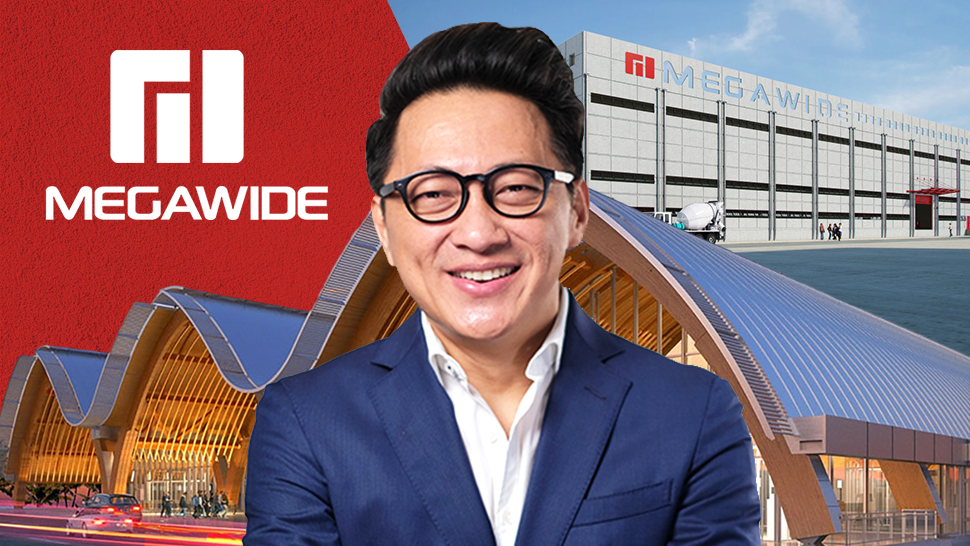
The story of Edgar Saavedra is one that resonates with determination, foresight, and a knack for seizing opportunities, even in the direst of situations.
Upon graduating from De La Salle University with a degree in Civil Engineering, Edgar Saavedra was eager to make his mark in the professional world. He began by undertaking fit-out and renovation projects, primarily for acquaintances and family members.
Working alongside his college friend, Michael Cosiquien, Saavedra navigated the challenges of the industry. The lack of experience and limited capital did not hold him back from fully immersing himself in construction.
Gradually, the partners grew the company by taking on small construction projects. As they aimed to equip their company for larger contracts, Saavedra began researching ways to expedite their work. During one of his online research sessions, he found that using technologically advanced equipment from Germany could notably boost their productivity.
Recognizing the limitations of the construction expertise in the country, Saavedra chose to invest in state-of-the-art facilities. He also brought in experienced professionals from abroad, aiming to excel in construction engineering.
By 2007, Saavedra's strategic investments bore fruit when they secured a multi-billion peso contract with SM Development Corporation. This pivotal moment fueled rapid business growth. Their business trajectory skyrocketed from there.
The small projects, the groundwork, the technological adaptation, and the consistent strive for excellence led to the rapid expansion of their business. In just three years, Megawide went public with a market capitalization of P6.7 billion.
In 2017, Saavedra solidified his ownership of Megawide by buying out his co-founder, Cosiquien, who chose to concentrate on his family's cold storage business. This move made Saavedra the sole controlling shareholder.
Today, Megawide stands tall, not just as a construction company but as a beacon of innovation, dedication, and success, with diversified interests spanning across infrastructure and property development.
Saavedra’s journey, from taking on small projects fresh out of college to steering one of the country's leading construction companies, serves as an inspiration for many. It is a testament to what determination, foresight, and the right investments can achieve.
How did Saavedra navigate the challenges of building a startup with limited experience in the industry? How has his leadership style influenced Megawide's growth and in what ways has he demonstrated resilience in the face of adversity?
Here are the five business lessons everyone can learn from Edgar Saavedra, founder and CEO of Megawide Construction Corp:
ALSO READ
1| Know how to embrace the power of perseverance and endurance
It's often said that success isn't a result of capitulation but a testament to unwavering belief and dedication. Truly passionate individuals understand the value of grit and determination. They recognize that the path to their goals may be fraught with challenges, yet they persist, fueled by their passion. This drive propels them forward, making them resilient in the face of adversity and persistent in their pursuit, regardless of how long or demanding the journey becomes.
In the early days, Edgar Saavedra, alongside his college mate Michael Cosiquien, ventured into the construction field with minor fit-out projects. They persevered despite the challenges brought by the 1997 financial crisis. They took advantage of the downturn by hiring affordable engineers and purchasing equipment at lower costs. Driven by a "nothing to lose" mindset, as they had started from the ground up, they relentlessly sourced projects from personal connections.
Gradually, they transitioned from small projects to mid-rise constructions, consistently expanding their capabilities. Saavedra's unwavering belief in their potential and his tenacious spirit played pivotal roles in navigating the early challenges.
“I used to have a partner, si Michael, classmate ko sa La Salle, sabi ko sa kanya mag-negosyo tayo,” Saavedra says. “Mag-kontrata tayo, mag gawa tayo ng construction. That time, gumagawa kami ng fit-out, fit-out, yung mga maliliit lang. Mga P25,000 lang nga yung contract namin eh.
“Then after that, yung father-in-law ng kuya ko, magpapatayo siya ng bahay worth P5 million, yun ang naging first project namin na talagang bahay. Contractor kami, may background na ako konti kasi nag-work na ako that time ng one year ng design engineering.
“We started a few months before the crisis. Syempre walang alam, lakas lang ng loob. It was 1997, affected kami, pero kung titingnan mo naman, good and bad eh, kasi nag-start kami ng maliit pa. We started from zero. Ang good thing that time, yung pag-hire ng engineers and buying ng equipment, mura kasi crisis eh. Although yung pagkuha ng project mahirap, galing din naman kami sa wala rin eh, so you had nothing to lose.
“In fact, yan yung attitude naming noon, parang what else is there to lose if you come from zero naman. The worse if you go back and work. So yung gumawa na kami, we tried to get projects from friends and relatives, yung bahay-bahay din, mga P5 million to P10 million per project.
“Nag start kami as a mid-rise muna, tapos syempre may reference na kami, sinabi namin, ‘O eto kaya namin gawin.’ So slowly rin, hindi naman sya bigla. Every year, we started with like two storeys, three storeys, five storeys. After five years, at that time, ang high-rise namin was 17 storeys.”
2| Know how to cultivate a growth mindset for continuous improvement
In the ever-evolving landscape of business, the willingness to learn and adapt is paramount. Every challenge or setback should be viewed not as a defeat, but as a lesson that offers insights and pathways to growth.
Rather than dwelling on perceived shortcomings or failures, it's crucial to shift the narrative. Instead of thinking, “I'm not proficient in this,” pivot to a proactive mindset: “How can I enhance my skills in this area?”
This perspective, rooted in self-improvement and resilience, not only propels personal development but also drives consistent progress in professional endeavors.
Saavedra approached challenges with optimism, viewing crises as learning opportunities. He believes that ignorance can sometimes be a strength, pushing one into uncharted territories without fear.
Despite his initial inexperience, Saavedra prioritized research and global learning. Emphasizing the need for adaptability, he recognized the outdated practices in the Philippines and proactively invested in modern construction techniques.
“When we were doing that, I always looked at the bright side eh, especially pag may crisis,” he says. “That time, when we were doing yung mga high rise, syempre we wanted to learn paano mag construct ng mabilis. That time we were trying to buy equipment para bumilis yung trabaho.
“Yung year 2000, meron na noong email tsaka Google. Nag-email lang ako sa isang German na supplier, and sabi nya, ‘Come to Germany, I will show you around.’ Pakita raw nya ano yung construction sa Germany kasi he worked in the Philippines for three years. Sinabi nya yung mga problema ng Philippine na you should do this, yung mga ganun.
“Nung pumunta kami sa Germany, na-expose kami. Yun nga sinasabi ko parati even sa engineers namin na minsan ginagawa naming joke eh, na sometimes your ignorance can be powerful kasi what you don’t know won’t scare you eh. If you know how big the battle is, you wouldn't really go in. But if you don't know the battle, you'd say, 'Okay, let's do it kasi when you are inside the battle, you cannot turn your back anymore.
“Doon mo makikita na yung learnings namin, galing sa walang experience. We tried to research and napilitan ako ma-exposed sa abroad. Kasi kung marunong ka na, you tend to apply yung alam mo na method mo.
“Kaya minsan kung hindi mo alam, okey din eh kasi minsan pag yung tao may alam na sya paano magluto, and gusto mo turuan ng bago sistema, you have to ‘unlearn’ the person eh. Halimbawa yung foreman, hindi mo basta-basta yan matuturuan ng bago, kailangan nya i-unlearn. Pero kung wala kang kailangan i-unlearn, mas mabilis.
“Kung titingnan mo yung sa Philippines, masyadong laidback yung construction eh. Sobrang behind So nag-invest kami sa pre-cast. Kami na nagfa-fabricate. Ang key is paano mo mapabilis kasi problema is manpower.”
3| Know the art of risk management
Every entrepreneurial journey is laden with risks, and navigating the business landscape requires a delicate balance between ambition and caution. Recognizing that plans may not always unfold as expected is the first step in risk management.
When faced with pivotal business decisions, it's essential to adopt a mindset of calculated risk-taking. This entails thoroughly analyzing the situation, identifying potential threats and uncertainties, and charting out scenarios. Armed with this knowledge, you can then craft strategic plans that not only mitigate these risks but also pivot them into opportunities.
Successful risk management isn't about avoiding challenges but rather preparing for them. By constantly staying informed, being adaptable, and relying on informed judgment, you can ensure that even in the face of adversity, your business remains resilient and primed for growth.
Saavedra's risk management strategy was rooted in his technical expertise and strategic foresight. He used his knowledge to gauge project feasibility and always had a contingency plan for worst-case scenarios.
By anticipating potential losses and viewing them as learning opportunities, he ensured the business wouldn't be severely affected by a single project's failure. Saavedra accepted that initial ventures might incur losses but saw them as growth experiences. He emphasized the importance of control in construction and believed that with proper knowledge, extreme financial setbacks could be avoided.
“Alam mo, ito palagi ko iniisip dati: totoo dapat gutsy ka, pero dapat may contingency plan kahit informal,” he says. “Tinanong ako dati ng partner ko, ‘Ed, bakit hindi natin magawa itong high-rise? Paano natin gagawin ito, wala tayong alam dito? Pero dahil technical ako, alam ko kung ano yung kaya, ano yung hindi. Meron akong strategy paano ko i-operationalize.
“Ang contingency plan ko dati was worse comes to worse, e di malugi tayo. That’s the worst scenario. Ang second worst scenario if kung malugi tayo, siguro malugi tayo ng 10 to 15 percent of the project, e kung meron ka pang ibang project, hindi ka naman madadapa and at least, may learning curve ka.
“So in a way, yan ang contingency plan ko kasi sa construction, manipis ang kita pero ang risk kasi hindi yan parang operation. Pag nagtayo ka ng mall, pag hindi dumating yung tao, lugi ka. Sa cpnstruction, tuloy-tuloy yan.
“Ang construction naman, usually pag ginawa mo yan, ang risk mo lang kung nadelay ka, or nag-cost overrun ka, pero kung alam mo yung trabaho mo, you cannot go wrong na mag-overshoot ka ng cost na doble. Pag yan nangyari, ibig sabihin, hindi mo na alam yan. Construction kasi is budget and operation sensitive yan.
“If you know what you are doing, you can screw up or make mistakes pero hindi naman siguro na 50 percent na mali kasi kung 50 percent yan, hindi mo na alam yung ginagawa mo.
“Maraming beses na rin ako nalugi dati kasi yung first project is always yung know-how. After that, kita ka na, then when you expand, lugi na naman kasi ang problema sa construction is always about control.”
4| Know how to pay attention to details that truly matter
In the vast expanse of business operations, it's often the minute details that make a significant difference. While it's crucial not to get bogged down by every minor aspect, understanding the value of precision and attention to specifics can be the dividing line between success and mediocrity.
Taking a deep dive into the intricacies of your business can unearth opportunities for improvement and innovation that might otherwise be overlooked. It's about striking a balance: being methodical enough to recognize the pivotal details that influence outcomes, yet remaining broad-minded to keep the larger objectives in sight.
By honing in on the right details, you not only ensure the smooth running of daily operations but also craft an environment where quality is paramount and excellence is a standard, not an exception.
Saavedra was deeply detail-oriented, often catching nuances and intricacies that others might overlook. For him, the real value of technology and innovation lies in the details; if these minute aspects aren't understood, the broader benefits can't be capitalized upon.
He also emphasizes the importance of merging engineering insights with commercial decisions. This approach extended to understanding problems in construction; with his technical background, he could quickly diagnose issues by recognizing the 'symptoms' presented to him, much like a doctor identifying the root cause of an ailment.
“Very detail-oriented kasi ako na tao,” he says. “Yung mga details na hindi na napapansin ng iba, nandoon yung problema eh. Hindi nakikita nung iba. You know you need the technology, and with technology you need the people. Pero ang tanong kasi dyan, yung iba, hindi nila nakaka-capitalize kasi ang benefit nasa detalye. Kung hindi mo nakikita yung mga maliliit na details, you wont appreciate it.
“For example, meron kaming tao gusto nya gumawa ng planta para maging efficient, pero para maintindihan mo yun, you need to go down and discuss with him yung gusto nya mangyari na detalye. Sasabihin nya sa ‘yo kung ginawa ko ganito ganito, magta-translate ito into savings in manpower and this savings in manpower will translate into this.
“Kailangan ma-merge mo yung engineering to commercial eh. Halimbawa, may technical discussion ako with my construction guy, pinag-usapan namin kung prefab yung project o hindi, sabi nya, ‘Boss, pag 80 percent prefab, mahal, kasi mae-erode yung margin ko ng three percent. Sabi ko, ‘Okay, pero in terms of capacity ilan mafi-free up mo?’ Sabihin na natin half of your capacity, kasi yun naman yung manpower yung constraint, and kung yan ang na free up, theoretically, you can earn more. Yung mga ganung detail, kasi hindi naman nila nakita yun. Normally, tinitingnan lang nila yung cost lang.
“Minsan may tao na hindi analytical so kailangan mo bumaba, i-deep dive para ma-guide sila. Yung mga detalye na, ‘Teka hindi mo magagawa ito kasi kailangan may engineering understanding ka.’ Ako kasi I am very technical, lalo na construction kabisado ko. Minsan tinatanong ko, ‘Ano problema?’ Parang doctor, pag sinabi nila yung mga symptoms, alam ko na yung root cause.”
5| Know how to leverage relationships with professionals and advisers
In the realm of business, relationships are a pivotal asset. As your venture progresses, you'll encounter situations that demand expertise beyond your immediate scope or that of your team. This is where professionals and advisers come into play.
By leveraging relationships with these individuals, you gain access to a reservoir of specialized knowledge and experience. They can shed light on nuanced aspects of your business, offer diverse viewpoints, and guide you through intricate decisions.
Building and maintaining these relationships not only broadens your network but also empowers you to make well-informed choices, capitalizing on the collective wisdom of those who have been there and done that.
Saavedra's approach to leveraging relationships with professionals was multifaceted. He recognized the value of external perspectives, critical feedback, and professional expertise, integrating them into his company's growth strategy.
Saavedra professionalized his growing company by revamping its management structure and bringing in senior professionals. He integrated external insights by hiring experienced advisers, who provided a macro perspective and critical feedback. This approach, moving away from traditional frugality in hiring, optimized the company's strengths and reduced risks.
“Yung lumaki na yung company, ang ginawa ko ay I professionalized yung management, pati yung board. Sa management dati, meron kaming mga tao na may double role. Inayos ko. Yung nag-revamp ako, meron mga tao na hindi talaga competent, naglagay na ako ng mga seniors. Kasi parang na outgrow na namin yung iba eh, yung lumaki na kami, yung capacity ng iba, hindi nakasabay.
“Ang problema kasi, kung kayo-kayo lang, hindi rin naggo-grow yung company. Minsan pag kumuha ka sa labas, iga-gang up naman ng luma yung bago, kaya kailangan ng change management approach. When I professionalized the company, you get to talk to people na mas senior, ike-kwento nila sayo yung macro view. Iba yung discipline ng micro and macro eh, so because of that, nababalanse. Napipilitan ako i-understand.
“Tapos may regular advisers din ako. Ang tawag ko nga sa kanila parang si Merlin yung sa King Arthur, pero si Merlin, hindi kasama yan sa management. Yung mga kasama ni King Arthur sa roundtable, mga knights nya yun, and si Merlin outsider. Okay din kasi may Merlin kasi para meron mag-criticize sa ‘yo, yung mga sasabi sa ‘yo na ‘mali yan.’ Meron din ako mga ganun kasi kailangan ko i-balanse eh. You need people who can criticize you.
“Because of that, yung na-professionalize ko, mas lumakas pa yung potential ng company and mas naka-capitalize mo yung strength mo. Before kasi parang tipid-tipid ka sa tao na typical Chinese style, but I realize yung risks pag ganun ay higher.”
Henry Ong, RFP, is an entrepreneur, financial planning advocate and business advisor. Email Henry for business advice hong@financialadviser.ph or follow him on Twitter @henryong888
