

What Does PAL Have to Say About the New Immediate Cash Refund Rule for Airlines in the US?

In late April, the United States Department of Transportation rolled out new rules that require airlines to automatically provide cash refunds to passengers for canceled and significantly delayed flights.
“Passengers deserve to get their money back when an airline owes them—without headaches or haggling,” said US Transportation Secretary Pete Buttigieg. The new rule covers situations when airlines cancel or significantly change passenger flights, significantly delay checked bags, or fail to provide the extra services passengers have purchased.
The new rule covers not just American-owned and based airlines, but all carriers operating out of any destination within the United States. This includes Philippine Airlines, which offers flights to Honolulu, San Francisco, Guam, Los Angeles, and, starting in October, Seattle.
ALSO READ
Philippine Airlines Resumes Flights from Clark to Batanes
P21 Billion: Philippine Airlines Nearly Doubles Net Profit in 2023
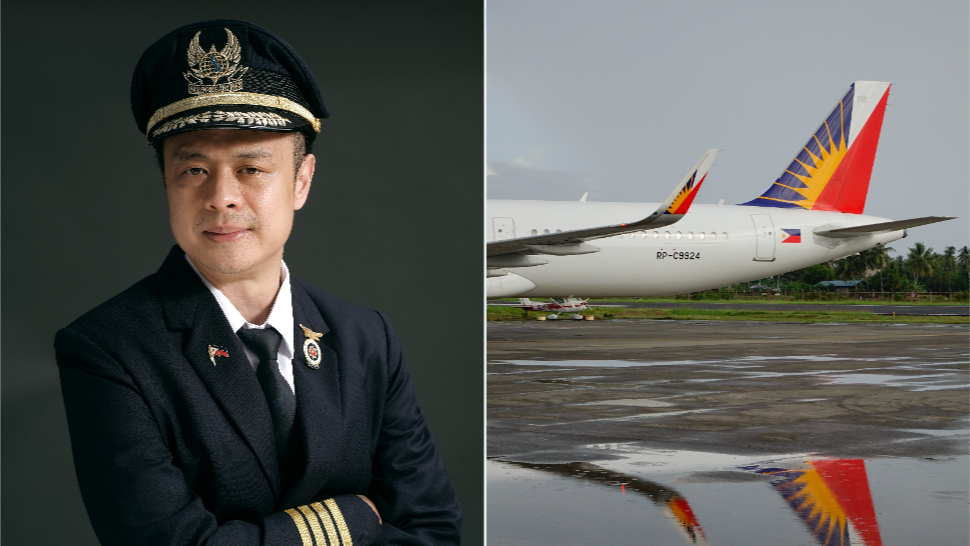
On Tuesday (April 30), Philippine Airlines President and COO Capt. Stanley Ng said it is tightening its flight schedules and maintenance program in the wake of the new US DOT rule.
“[The new ruling] is going to affect us in a way now,” Ng said. “But of course, that's not what we want. We don’t want disruptions as well. So we’ll try to be more reliable to avoid that; these [cash refunds] are for exceptional cases naman.”
Canada had actually imposed a similar ruling for carriers flying to destinations within its borders. PAL also flies to Vancouver and Toronto.
“If it’s force majeure, I don’t think we have to pay,” Ng said. “If the [flight] delay or cancellation is caused by the airline then that’s the time you have to pay…so we just have to be more disciplined in terms of scheduling flights [and] scheduled maintenance programs.”
In addition to immediate refunds, the new airline refund rules also mandate air carriers and ticket agents to disclose extra service fees alongside the full fare. Passengers are entitled to refunds to these extra services—such as Wi-Fi, seat selection or inflight entertainment—that have been paid for but not provided.
“Too often, airlines drag their feet on refunds or rip folks off with junk fees," US President Joe Biden said last week, arguing the new mandate will ensure “automatic refunds to passengers when they're owed, and protect them from surprise fees.”
The refund rules apply to flights canceled by carriers regardless of the reason including if it is because of weather. But passengers are not entitled to refunds if they are rebooked and travel on another flight.
The US government will also require airlines to refund baggage fees if bags are not delivered within 12 hours of domestic flights arriving or 15 to 30 hours of their international flight arrivals, as well as for services that do not work or are not provided. Airlines must promptly and automatically issue refunds if flights are canceled.
Ng was the keynote speaker at the launch of the Virtus Awards handed out by the Hotel Sales and Marketing Association (HSMA). During an interview, Ng also commented on the reported high cost of vacationing in the country due to rising room rates and increased airfares.
“Right now, we’re not seeing a slowdown in domestic travel,” Ng said. “And if you plan early enough, usually the fares are still quite competitive, unless it’s a last-minute booking, as we all know, it’s always expensive.”
According to Ng, base fares for air travel have remained the same since before the pandemic and that the perceived higher cost of domestic travel is partly due to inflation.
“It’s not just the travel and tourism industry [being affected], but in general, the cost of living is going up a little bit,” the PAL chief said. “So when we think about it, it’s not really expensive, but sometimes, because of fuel price increases, there is a fuel surcharge, the airfare goes up a bit. But the base fare is relatively the same as in 2019.”
