
Financial Adviser: 5 Business Lessons Everyone Can Learn from Peter Uy, Owner and CEO of Sincerity Café and Restaurant

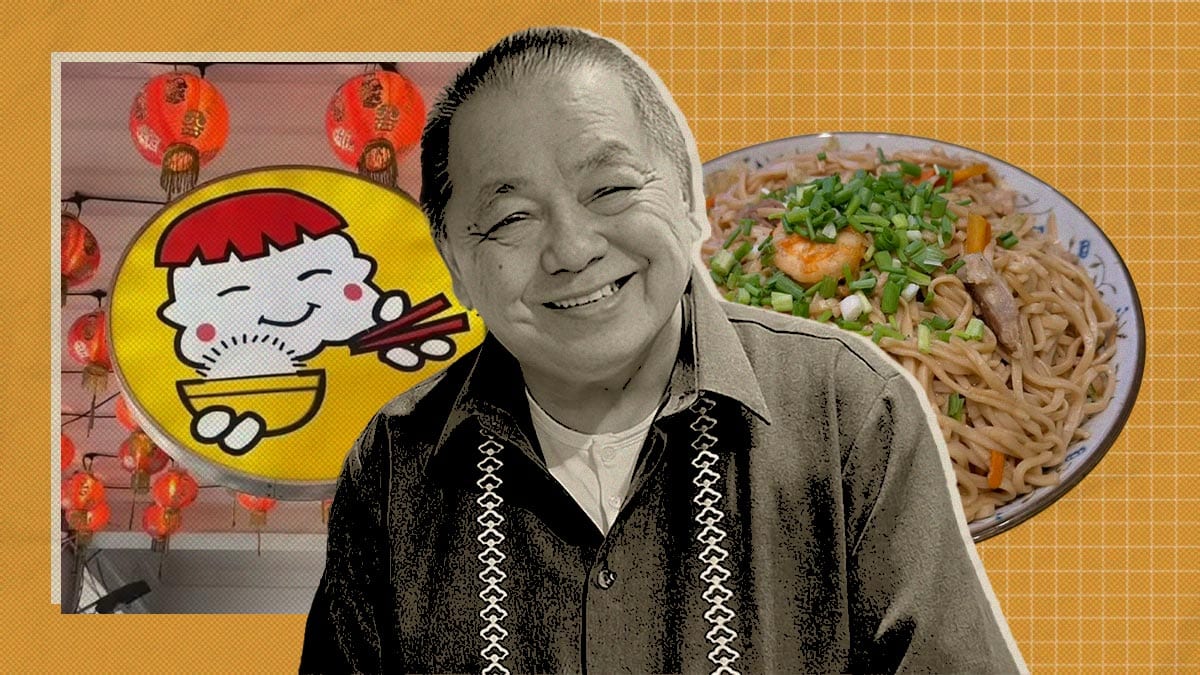
ILLUSTRATION: Igi Talao
In the heart of Manila’s Chinatown, where culinary traditions meet modern tastes, Sincerity Restaurant has stood the test of time as one of the most beloved Chinese eateries in the city.
At the helm of this well-known establishment is Peter Uy, the man who has not only preserved his family’s legacy but also propelled it to new heights.
Sincerity Restaurant traces its roots back to 1956, when Uy’s parents, who had migrated from Chibi, China, decided to set up a small eatery along Carvajal Street in Binondo. The business started as a humble mami house that offered simple but authentic Chinese dishes like pato misua (duck with misua noodles), bakut soup, bola bola, kikiam, and guisado noodles.
When the business grew, they moved to Nueva Street, where the restaurant expanded its menu. It was during this transition that Uy and his siblings introduced fried chicken, which would later become Sincerity’s signature dish.
By the 1980s, Uy had taken a more active role in running the business, where he ensured that quality and authenticity remain at the core of Sincerity’s offerings. Unlike fast-food chains that served large pieces, Sincerity’s chicken was chopped into smaller, more manageable portions, making it easier for families to share.
The growing popularity of Sincerity’s fried chicken led to more expansion opportunities in the early 2000. Through it all, Uy remained committed to his mother’s vision—to keep Sincerity a family-run business. Even in his 70s, Uy remains deeply involved in the restaurant as he has also passed down his knowledge to his children, particularly his youngest son, Paul Marvin Uy, who now plays an important role in running the business.
Now, 69 years since its humble beginnings, Sincerity Restaurant continues to grow and remain a favorite among diners in Manila. Despite the changing food scene and increasing competition, the Uy family has stayed true to its roots—serving the same authentic flavors and upholding the values of sincerity and integrity that have guided the business for generations.
With a new generation gradually taking over, Sincerity remains a trusted name in Filipino-Chinese cuisine. Under Uy’s leadership, the restaurant is not just serving food—it is preserving a legacy of sincerity that has been passed down through generations.
How did Sincerity continue to attract loyal customers and thrive for nearly 70 years in a competitive market? What key factors have contributed to Sincerity’s long-term success in the restaurant business?
Here are the five business lessons everyone can learn from Peter Uy, owner and CEO of Sincerity Café and Restaurant:
ALSO READ
Financial Adviser: 5 Business Lessons Everyone Can Learn from the Founders of Caramia
1| Know how to build a business with limited resources
Starting a business with minimal resources challenges entrepreneurs to maximize what they have, think outside the box, and develop effective problem-solving skills. With limited capital, business owners gain a deep appreciation for hard work, discipline, and financial management, which equip them to sustain their business over time.
Building a business from almost nothing shows that success isn’t solely dependent on resources but on having the right mindset, determination, and the ability to seize opportunities. It serves as an inspiration to others and sets a powerful example that great things can be achieved even with the smallest of beginnings.
Before Sincerity was established, the Uy family faced financial struggles when Peter Uy’s father, originally a distributor of Kodak film, saw his business fail. Rather than being discouraged, the family focused on rebuilding their livelihood. Instead of dwelling on failure, they recognized the need to move forward and sought new opportunities.
The transition to the restaurant business was not easy. Peter Uy’s mother had no prior experience in running a food business, but instead of giving up, she and her family quickly adapted and learned how to explore the food business.
With limited financial resources, Uy’s parents had to be resourceful in every aspect of their business. With only P600 in capital, they made practical decisions—buying secondhand tables and chairs, securing ingredients on credit, and using every peso efficiently. Instead of expensive marketing strategies, they relied on word-of-mouth and the quality of their food to attract customers.
No business succeeds without hard work and sacrifice. Uy himself learned this early on, when he took on multiple responsibilities such as delivering food before school and sourcing ingredients from the market to save costs.
“Kasi yung father ko before, siya ang unang distributor ng Kodak film tapos nalugi, nagsara, so naghirap kami,” Uy says. “Yung father ko, parang nag-lay low sya. Bagsak kasi yung business niya, so mama ko na nagpick-up.
“Yung uncle ko, brother ng mama ko, sabi nya, ‘Gumawa kayo ng negosyo.’ Sabi ng mama ko, ‘Anong negosyo? Wala akong alam.’ Dati mahilig yung mama ko mag-herbal. Gumawa siya sa bahay lang tapos nag-supply sa Divisoria, pero hindi nag-click.
Sabi ng mother ko, kulang pera nya pang negosyo, ang dami naming magkakapatid, siyam kami lahat. Sabi nya, ‘Hindi natin kaya ‘eto,’ so sinabi ng uncle ko, ‘Sige, ako nang bahala.’ Nagtayo kami ng eatery, yung uncle ko nagbigay ng pera, sabi niya, ‘Oh, eto puhunan. Bili ka bigas, magluto ka, benta.’
“Noong 1956 nagsimula ito, sa may Carvajal Street pa sa Binondo. Yung capital namin, P600. Ang lamesa namin, mga second-hand, yung upuan namin iba-iba kulay. Nagsimula ‘to parang mami house, ilan lang putahe nun, tapos nagkaron kami ng pato misua, o ngo-yong (kikiam), o wah chyan (oyster cake). Yung father ko, siya taga-palengke, and mama ko naman, siya taga-luto. Yung mother ko ang chef. Lahat ng recipe, sa kanya galing, authentic yan from China.
“Ako tumutulong sa papa ko dati. Puro palengke lang ako. Kasama ko papa ko. Yun ang trabaho ko. Bago mag-tanghali, rasyon muna ako ng ulam, yung nagde-deliver ng ulam, bago eskwela. Dapat mag-rasyon ako to survive tuwing tanghalian saka hapunan. Yun ang extra income ko.
So, pagkatapos ko mag-deliver around mga one o’clock, pasok na ako sa eskwela. Nag-enroll ako sa UE, management pero di ko tinapos kasi walang oras eh. Before ako pumasok sa eskwela sa UE, nagde-deliver ako hardware sa kuya ko, sa Marikina. Ma-traffic eh so pag pasok ng UE, late na kaya puro drop ng subjects. Kaya wag na lang, kasi pag mag-test ka, makuha mo zero, may record ka, eh dyan pag ni-drop, wala.
“So nag-concentrate ako sa trabaho ko. Sa hapon, punta ako Divisoria, bili ako gulay, yung bagsakan ba kasi mas mura, kung palengke mahal. So ang bili ko volume, mga 10 kilos, isang supot. Pag tingi kasi mahal, almost double yung bayad.
“Nag-click yung business. Sabi ng uncle ko, palakihin natin, pero kulang, so siya ulit tumulong. Tapos yung neighbor namin, sya naman nagpa-utang ng ingredients, misua, bihon, lahat. Pagkuha namin, luto agad, tapos benta, pag gabi bayad. Yan ang hanapbuhay namin.”
2| Know how to adapt and innovate while preserving tradition
Innovation and tradition are often seen as opposing forces, but in reality, they work best together—especially in businesses with deep-rooted histories. For a business to thrive across generations, it must evolve with changing times while staying true to its core identity.
A business with strong traditions carries a story and an emotional connection with its customers. Innovation allows this legacy to continue and expand into new markets without losing its essence. This balance helps pass on the business to the next generation while ensuring it stays profitable and relevant.
When Sincerity moved to Nueva Street, the Uy family introduced barbecue chicken, using a specialized Robina Chicken machine—an early sign of innovation in food preparation. The use of mechanization ensured consistency in cooking while increasing production capacity to meet growing demand.
However, adapting to technology alone was not enough. The family recognized the need for continuous menu development. Uy’s sister took inspiration from Kentucky Fried Chicken (KFC) by modifying their chicken to suit local tastes. This move allowed Sincerity to fill a market gap when KFC temporarily exited the Philippine market in the 1970s.
Even as the business expanded, its traditional recipes remained untouched. The original dishes—pato misua, kikiam (ngo-yong), and oyster cake (o wah chyan)—continued to be the foundation of the restaurant’s offerings. The use of five-spice seasoning, a hallmark of authentic Chinese cuisine, ensured that the restaurant’s signature flavors remained consistent.
By the 1980s, Uy’s brother Larry further refined the chicken recipe by making it more flavorful and widely popular. This period also saw the introduction of whole honey-fried chicken, another innovative take on the brand’s core offering.
In the 1990s, Uy recognized that not all customers could afford or finish an entire chicken. To solve this, they decided to sell chicken by the piece, making it more accessible and affordable to customers. Additionally, bento-style meals and short-order menus were introduced, which allowed for faster service and reinforced the restaurant’s reputation as a go-to place for quick yet high-quality Chinese food.
“Nung lumipat kami sa Nueva Street, nagbago na, naging restaurant na,” Uy says. “Nagkaroon kami ng barbecue chicken, yung Robina Chicken, yung machine galing sa kanila rin. Sila lang may machine ng chicken at that time. Lagay nila Robina chicken, pati ingredient turo nila, ‘eto ganon masarap, lahat.’ Toyo lang tapos konting timpla, yun na. Ako taga luto eh. Yung first 10 minutes high, tapos 10 minutes low, tapos slow. Mabenta yun. Pipila ang mga tao tapos antay sila maluto.
“Tapos sabi ng sister ko, yung machine, mahirap kasi mainit eh. Nag-isip sya, gumawa sya ng ibang chicken. Ginaya niya yung Kentucky chicken. At that time, 70’s yan, yung Kentucky nawala, nagsara, kami naman, na-sustain.
“Yung sister ko ang gumawa ng name ng restaurant namin na Sincerity. At that time, yung achi ko bata pa, 18 years old lang. Magaling yan kasi sincere yan eh. Yun ang sabi nya. One time, may sinulat si Juliet Yap Daza sa column niya, sabi nya yung Sincerity daw is parang isang puting tela. It is as simple as plain as rice.
“Before yung Sincerity, it was known sa Chinese as Ngo Yung Chai, which means five spices. Kasi isang word na Chai, it means vegetarian yan. Ngo is five in Cantonese. Hindi kami vegetarian na restaurant kasi may baboy kami eh, may baka. Five spices kasi yung ingredients namin mabango. May aroma. Pag kumain ka sa Sincerity, amoy Ngo Yung yun. Pati yung kikiam namin, O wa chyan, halos majority ng foods namin may five spices. Si John Gokongwei parating kumakain dati dito. Si Yuchengco din.
“Tapos after my sister, brother ko naman, si Larry, nag-improve. Yung chicken namin naging mas malasa. Yun ang naging number one namin, bestseller. Nag-introduce din kami ng whole honey fried chicken. Yung ‘80s na, naisip namin before pag kakain ka ng fried chicken dapat isang buo bibilhin. Sabi ko ‘tanggal natin, by piece na lang para maliit, pag kinain, walang tapon.
“Pero paano bibili kung dalawang piraso lang? Sabi ko, ‘Hindi bale, i-divide mo sa isang whole chicken, sa P80, i-divide mo kung ilan? So yun yung presyo. Tapos nag-divert kami sa bento, so yung mga order a la carte, short order. Turo-turo style. Kaya lumakas ang benta.
“Yung 2004 na, bago namatay mama ko, sabi niya, ‘eto, iyo na.’ Nag-incorporate kami bago kasi wala na mga director dati, ang natira ako na lang. Yung brother ko, matanda na, iba na negosyo niya. Ako na ang nagpatuloy ng restaurant.
“After that, dumating si Joe Kuan of Chowking, sabi niya, ‘Peter, expand mo yung business to Chinese fast-food.’ Sabi ko, ‘Mahirap eh.’ Sabi niya, ‘Kaya mo yan, I will teach you.’ Siya yung nag-introduce na mag-expand kami. In 2005, nagbukas kami sa Masangkay tapos sa San Juan.”
3| Know how to improve service flow and ambience for better customer experience
A good ambience and smooth service flow make a big difference in how customers feel about a business. A welcoming and comfortable environment helps people enjoy their time, while an efficient service flow ensures they don’t have to wait too long or feel frustrated.
Simple things like good lighting, clean spaces, and comfortable seating can leave a lasting impression and encourage customers to return. At the same time, a well-organized service flow allows staff to work faster and serve customers better.
By improving both ambience and service, businesses can make customers happier, build loyalty, and create a better overall experience.
When Peter Uy took over Sincerity, he focused on improving operations and enhancing the customer experience. His first step was upgrading the kitchen to improve cleanliness and efficiency. He replaced traditional brick ovens with stainless steel, which were easier to clean and move, enhancing workflow in the kitchen.
Additionally, he renovated the dining area, introducing air conditioning and replacing old plastic utensils with presentable dishware and disposable chopsticks. These improvements show his commitment to customer satisfaction and a willingness to invest in better experiences for diners.
Understanding that customer expectations evolve, Uy expanded the menu by adding more short orders such as cauliflower and spinach dishes. His willingness to adapt to market demands helped him sustain and grow the business.
When expanding the business, Uy prioritized sustainability over aggressive growth. Instead of opening franchises to outsiders, he limited them to family members by following his mother’s request. This decision ensured that brand integrity was maintained while allowing the business to grow in a controlled manner.
“Yung ako na nagtake-over, inuna ko yung kitchen, pina-renovate ko,” he says. “Yung exhaust fan, tapos yung tiles, yung mga table lahat naging malinis so sabi ng mga tao, ‘Oh ang ganda na.’ Nagpalit kami from traditional pugon na bricks, pinalitan na namin ng stainless lahat para naigagalaw namin, namo-move sa pagluto. Pag pugon kasi madumi.
“In-improve din namin yung ambience. Dati electric fan lang, ginawa naming aircon. Malaking bagay yun eh. Dati yung chopsticks, hinuhugas lang, ngayon disposable na. Sabi ng tao, maganda disposable. Additional cost yan, pero yun kailangan baguhin eh. Tapos yung mga tasa-tasa, ginawa ko presentable. Dati plastic lang, mura lang, sige pwede na.
Yung menu nagdagdag din ako ng marami. Nagdagdag ako ng mga short order. Yung cauliflower, tapos spinach. Yung brother ko naging chef at that time, siya tumulong sa menu.
“Nung nag-expand kami, nagpa-franchise ako pero no outsider. Pamangkin ko kumuha kasi yan ang request ng mama ko. Basta, pagka yung unang panganay na apo, may karapatan mag franchise, so bigay ko sa kanya, first franchise. Walang royalty, parang token lang ba kasi kahit walang capital, you pay whenever kung anong gusto mo.
“Ang importante yung revolving fund kasi everyday bibili ka ng ulam, gulay so dapat meron may bayad, kung hindi paano ako. Lahat ng uulamin galing samin, pareho lahat menu. Siya execution.
“Then in 2011, in-offeran ako ng Lucky China Town, kinausap ako, sabi ko, ‘Sorry ha, hindi ko kaya yung investment kasi may deposit pa and interest monthly, baka di ako maka-survive. Sabi nila, ‘Don’t worry,’ kasi that time, priority nila ako. Gusto nila yung Sincerity sa Chinese walk. Kailangan nila may isang establishment na talagang taga Ongpin, so they prioritized us para ma-entice yung tao pumunta sa mall. Pag kami pumasok, susunod yung iba.
“Tapos imagine hindi pa kami nagbubukas, na-feature na kami lagi sa Entertainment and Lifestyle page ng dyaryo dati. Andun kami pag fineature nila yung Lucky Chinatown Mall. Madalas yun for three months.”
4| Know how to maintain consistency and quality
Ensuring consistency and quality in the food business is important because it builds customer trust and encourages repeat business. Customers expect the same great taste, texture, and experience each time they dine. Any deviation in quality can lead to disappointment and loss of loyalty.
Maintaining high standards also ensures operational efficiency, as standardized recipes and procedures minimize waste and streamline production. It helps in scaling the business while preserving its authenticity. Moreover, quality control reduces risks of food safety issues, which can damage a brand's credibility.
One of the most fundamental practices they uphold is strict quality control. Uy himself ensures that the food remains consistent by personally tasting the dishes daily to verify that they are cooked and executed correctly. His meticulous attention to detail ensures that every dish leaving the commissary maintains the same standard, regardless of location.
Marvin, following in his father’s footsteps, plays an important role in overseeing the commissary. He ensures that every step of food preparation adheres to the original recipes passed down through generations. At the same time, he takes on the challenge of scaling up production to meet growing demand without compromising quality.
Another critical factor in how Uy and his son maintain quality is their commitment to using fresh ingredients. They personally oversee the sourcing of meat and seafood and ensure that stocks are replenished daily to guarantee freshness and uphold the restaurant’s standards.
Even as they scale the business, Peter and Marvin Uy remain adaptable. They recognize that while the original recipes must remain intact, some aspects of production need to be commercialized to meet larger demands. By carefully scaling up operations without compromising the core flavors, they ensure that customers can enjoy the same dishes at any branch.
“Yung isang anak ko chef siya,” Uy says. “Nag-graduate sa St. Benilde. Kung ano ginawa ko dati sa papa ko, pinasa ko sa kanya. Siya na ang sumalo, sya kasama ko sa palengke. Manok, baboy, lahat sya.
“Alam mo, coincindence lang yung nangyari sa anak. Yung sister ko alam nya yung mga formula, tinuro sa kanya ng brother ko. Tapos sya naman nagturo sa anak ko kasi sabi sa akin ng mama ko, all the recipes are original, hindi basta-basta, tinuturo yan kahit na asawa mo pa, hanggang dito lang.
“Para ma-maintain namin yung quality, everyday titikman mo. Titikman mo kung tama ang luto, yung execution. Yung anak ko, siya yung nagha-handle ng commissary. Lahat ng lumalabas, lahat ng nakikita mo dyan katulad nitong fried chicken, asado, kikiam, dadaan lahat sa kanya.”
“Yung marinade, ako yung gumagawa for the main product, tapos yung sa commissary, mostly yung mga sauces ganyan pre-mixed na sya pagdating sa branch,” Marvin says. “Sa stocks mostly, lahat fresh tayo so we try to outsource yung talagang fresh, tulad sa oysters, fresh from the province yan.
“Tapos yung chicken, as much as possible, we stock pero konti-konti lang. Kumbaga day-to-day basis kaming bumibili ng chicken para fresh din. Tapos sa pork naman, we try to source out yung quality cuts ng pork para pork tender. Pansin mo, pag kumain ka ng kikiam namin, its tender, so yan yung isa sa mga mine-maintain namin.
“Yung mga ingredients, original lahat yan. Walang binago. It's more of a commercializing, kumbaga scaling up yung production. It’s the same recipe, pero scaled up lang yung production, yung item. Tapos, syempre we cannot replicate talaga 100 percent per branch, pero we are trying as much as possible na, when you go to the nearest branch, nandyan pa rin yung lasa.”
“Madami na competitors ngayon, pero experience is the best, yun ang secret,” his father Peter says. “You cannot buy experience kahit marami kang pera. Personal touch yan eh. Everybody uses vetsin, asin din, dapat may standard, so may nagtatanong sakin, ‘Mr. Uy, paano walang vetsin e di walang lasa? Sa amin, we always use another way, like yung ang cho (red dates), matamis yan or gusto mo pinaka simple, yung singkamas. Matamis yan. Yung sa ibang restaurants, they use vetsin para may lasa.”
5| Know how to lead with sincerity and earn customer trust, while prioritizing family unity
Honesty establishes trust, which is the foundation of strong customer relationships. When customers know they are getting high-quality products at fair prices from a business that upholds integrity, they are more likely to return and become loyal patrons. This reputation for sincerity not only attracts customers but also differentiates the business from competitors.
At the same time, prioritizing family unity ensures smooth business operations and a strong support system. A family-run business thrives when members work together harmoniously and align their goals and values. Conflicts can weaken the foundation of a business, so promoting unity allows for better decision-making and a shared commitment to maintaining quality and service.
When a business is led with honesty and a sense of responsibility toward both customers and family, it creates a legacy that can be passed down through generations.
Uy’s commitment to leading his business with honesty and maintaining family unity stems from the values instilled in him by his parents. His mother emphasized the importance of harmony among siblings, believing that unity was more valuable than wealth. This belief shaped Uy’s leadership approach, where he prioritizes trust and fairness in both family and business.
Uy firmly believes in being honest with customers, which ensures that the business delivers what it promises without compromising quality. Even when costs rise, he insists on maintaining consistent pricing and quality rather than taking shortcuts for profit. This level of integrity builds long-term customer loyalty and protects the brand’s reputation.
Uy also upholds stewardship, recognizing that the business is not just about making money but about preserving a legacy. He understands that financial success is temporary, while a strong reputation lasts for generations. This is why he instills the same values in his children and maintains that they understand the importance of ethical business practices and responsibility.
“Lagi ina-advise ng mama ko sa ‘kin, wag mag-aaway mga kapatid,” Uy says. “Dapat may unity. Sabi nya, no matter how, kahit walang pera basta magkasama. Ayaw nya ng magulo, basta kung hindi kaya yung business, isara ito. Ganun din sila sa mga pinsan namin. Stop it, no quarrel. You go your way, I go my way, simple lang.
“Sabi nya, ‘Basta lahat ng turo ko sa ‘yo i-follow mo.’ Yun din turo niya sa mga apo. Gusto nya yung apo niya puro lalaki. Ngayon meron siyang walong lalaki na apo. Puro lalaki, naging totoo. Pero lugi eh. Lugi negosyo. Pag nag-asawa, sama sa asawa kaya lugi.
“Marami ako natuto sa kanya na naging totoo naman. Sabi nya kahit anong gawin mong pantay sa mga anak, hindi papantay yan. Alam mo kung bakit? Tignan mo yung kamay mo, kamay mo yan. Pantay ba? Hindi. So pano? Putol yan para magpantay, so don’t quarrel. Walang kwenta pera. Yung pera pinatago lang sayo para iwan mo din yan, so what’s the use of money? Oh di ba? So enjoy.
“Pero mama ko never nag-enjoy. Pag-pasko, trabaho sya. Sabi ko sa mama ko, ‘Sabi mo walang kwenta pera bakit ka maghirap? Just enjoy.’ Sabi niya ‘San kuha pera? Pano ko mage-enjoy walang pera? Kaya kako tama din ah. Sa kanya, whichever comes first. Kung may pera, enjoy ka. Kung wala, quiet ka lang, so I think tama din yan.
“So yun sabi ko sa anak ko. If you have money, enjoy. Pag wala, quiet. Sabihin mo wala ako pera bigyan ako? Nobody will do that. Impossible yan. No matter how good you are, walang maniniwala sayo pag wala kang pera. Ang tingin sayo manloloko ka.
“Ang papa ko kasi ang tao na sobrang bait, sobrang safe. Dapat practical. Yan ang natutuhan ko sa kanya. Pag mabait, laging lugi yan. Ang daming manloloko, minsan yung kaibigan mo, naging kaibigan mo yan dahil may kailangan siya sayo. Ako, dinadalaw ko kaibigan ko para kamustahin. Say hello, visit lang, wala akong kailangan.
“Ako naman, lagi ko ina-advise sa mga anak ko: Be honest. Very important to be honest. Huwag mo lokohin kapwa natin. Pag sinabi mo ito kailangan ibigay, ibigay mo. Kahit lugi ka, bigay mo kasi kesa masira pangalan mo, yung trademark mo. Yan ang hawak natin, legacy. Kahit lugi ka, give it. Pag mahal toyo, mahal baboy, manok, okay lang, keep the same price. Next time babawiin na lang. Kesa baguhin mo yan tapos ibang lasa, pano yung quality control? Yung quality mawawala.
“Yung presyo naman, pwede mai-adjust yan. Pwede naman notice, sorry for the inconvenience due to cost increase, whatever. Hindi yung tataas lang natin. We have to do it the proper way. Kasi negosyante eh. May lugi, may kita so i-accept mo kung lugi ka. Kung kita, isosoli ko sa ‘yo kita ko? No, di ba? Win or lose di ba? Parang gamble yan. So huwag, dapat stable tayo. Dapat be honest, kasi word natin Sincerity. We are sincere. Importante kahit mahirap tayo, okay lang basta sincere tayo.”
Henry Ong, RFP, is an entrepreneur, financial planning advocate and business advisor. Email Henry for business advice hong@financialadviser.ph or follow him on Twitter @henryong888
