
Cavite Declares No-Catch Zone for All Shellfish Amid Oil Spill

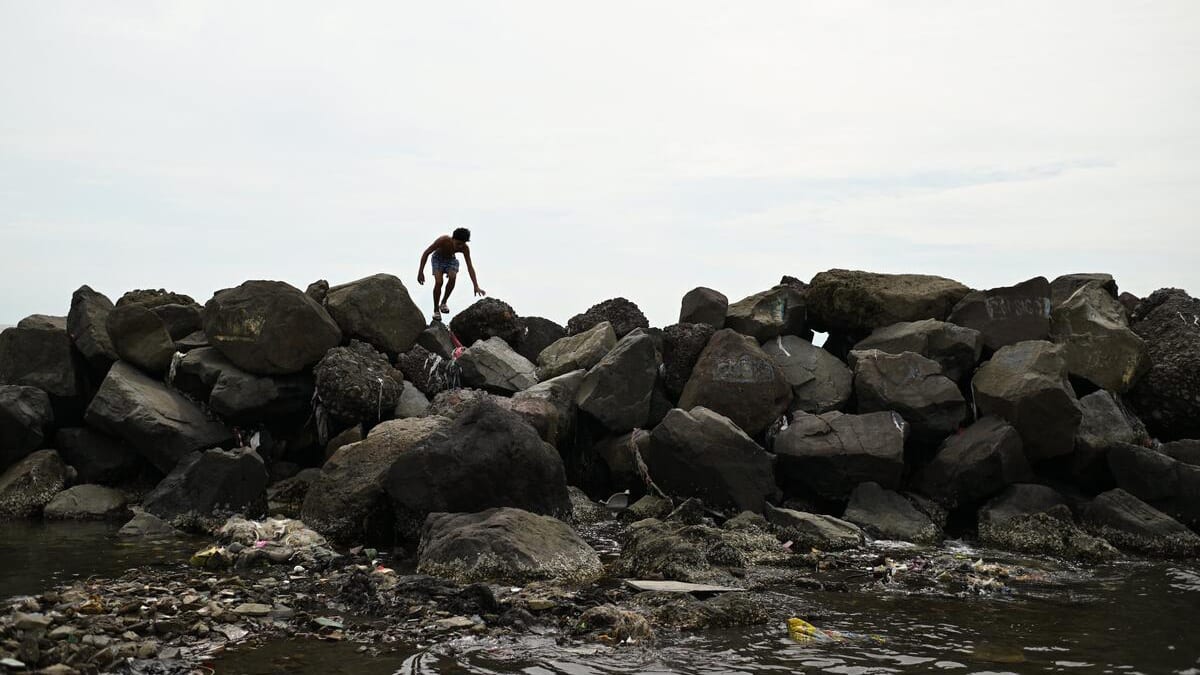
Oil slick coming from MT Terranova, which is carrying 1.4 million liters of industrial fuel oil, has reached the shores of Cavite, Governor Jonvic Remulla said in a post on Wednesday, July 31. Affected municipalities include Bacoor, Kawit, Noveleta, Rosario, Tanza, Naic, Maragondon, and Ternate.
A state of calamity has been declared in these eight municipalities and cities, while a no-catch zone has been imposed for all shellfish (tahong, alimasag, alimango, and halaan) in the vicinity. Remulla also said that the local government is meeting to distribute relief goods immediately to the 25,000 affected fisherfolks.
ALSO READ: Major Oil Spills in the Philippines
MT Terranova was reported to capsize 3.6 nautical miles east off Lamao Point, Limay, Bataan, on July 25 at around 1:10 a.m. It was bound for Iloilo. Reports say that oil slick has earlier reached Bulacan.
Fishing Industry in Cavite
Cavite has a coastline of 122.57 kilometers that's abundant in aquatic resources. Manila Bay, Bacoor Bay, and Canacao Bay are all fishing grounds, while fish landing areas are located in Cavite City, Noveleta, Rosario, Bacoor, Naic, Tanza, and Ternate.
Cavite is also among the top-producing provinces in the Philippines' shellfish industry. According to the Department of Agriculture, oysters and mussels are two of the most important aquaculture fishery commodities, with the slipper-shaped oyster (talabang tsinelas) and the green mussel (tahong) as the most commercially cultivated mollusk species in the Philippines.
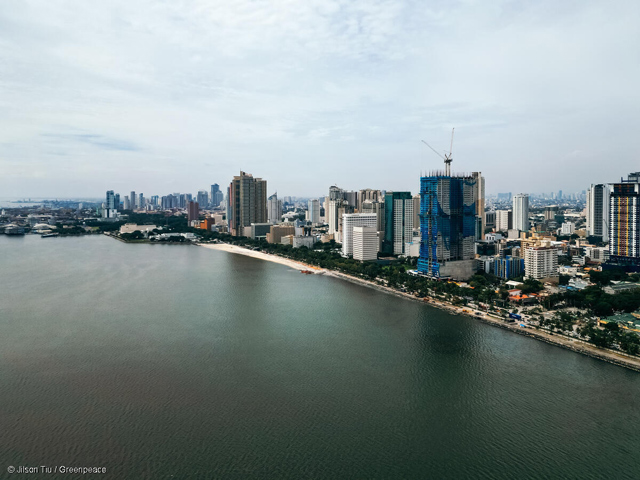
Photos reveal what appears to be oil in the waters of Manila Bay off Roxas Boulevard.
Effect of Oil Spill on Fisheries
Fish and shellfish are directly affected by oil spills, whether exposed or not. Oil can mix into the water column, contaminating these species. Shellfish, being immobile filter-feeders, are particularly vulnerable as they cannot escape the oil. Fish, while more mobile, are not entirely safe. Exposure to oil can result in reduced growth, liver enlargement, changes in heart and respiration rates, fin erosion, and impaired reproduction. Fish eggs and larvae are especially sensitive, with oil exposure often proving lethal. Even if the fish survive, the contamination can render them unsafe for human consumption.
The fisheries themselves face direct and indirect consequences. Contaminated fish cannot be sold, leading to economic losses for fishermen and associated industries. The ecological imbalance caused by the death of key species can disrupt the entire food chain, affecting everything from plankton to apex predators.
