
U.S. Firm Moves to Buy Massive Shipyard Near the Former Subic Naval Base
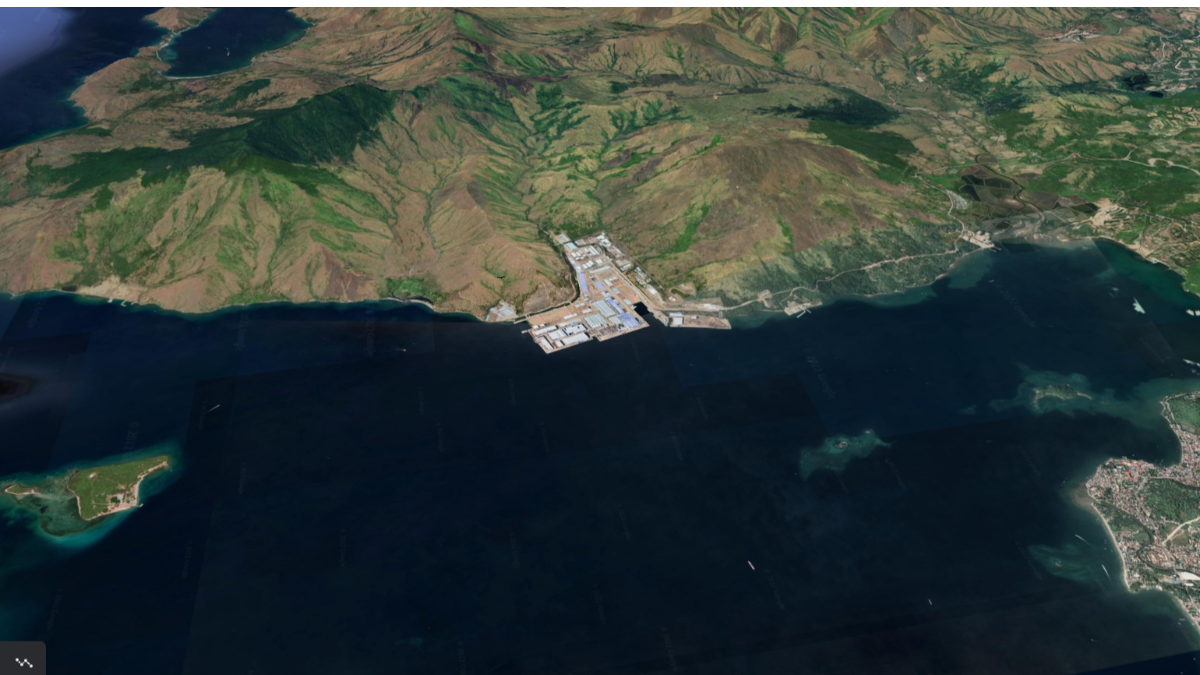
Until its closure in 1992, the Subic Naval Base was the largest U.S. overseas base in the world at 678 square kilometers—about the same size as Singapore—when it still existed.
But now, it seems the Americans are set to return to Subic Bay as U.S. private equity firm Cerberus moved to acquire the debt-laden Hanjin Subic Shipyard, whose parent company is South Korea’s Hanjin Heavy Industries and Construction. According to Reuters, Hanjin Subic Shipyard owes at least five Philippine lenders $412 million. In 2019, it defaulted on loans worth $1.3 billion.
Observers are calling Cerberus’s $300-million acquisition of Hanjin Subic Shipyard as a “strategic purchase.”
“The U.S. equity firm’s $300-million purchase of strategic shipyard could herald a restored U.S. naval presence in its ex-colony,” wrote Gabriel Honrada for Asia Times.
Sources told Reuters the Philippine Navy plans to lease 300 hectares from Cerberus for its own naval base.
A Tussle for a Presence in Subic?
Ever since the Spanish occupation of the Philippines, Subic Bay was considered highly strategic, owing to its deep harbor and its access to the South China Sea. Like Manila Bay, its entrance is protected: Grande Island is to Subic Bay what Corregidor is to Manila Bay—an unsinkable fort.
According to Reuters, at least eight foreign companies expressed interest in acquiring the Subic shipyard in 2019. These included two unnamed Chinese companies and Australia’s Austal. A deal is set to be finalized on April 15, 2022.
But the U.S.’s move to establish a presence in Subic could also be a counter to China’s proposal to develop two strategic islands within the entrance of Subic Bay.
In August 2019, China’s Sanya CEDF Sino-Philippine Investment Corp. proposed to develop Grande Island and Chiquita Island, which are located at the mouth of Subic Bay and has a distance of three kilometers from the Hanjin Shipyard. At the time, the proposal was rejected by the Subic Bay Metropolitan Authority or SBMA because it allegedly violates the Philippine Constitution.
Hanjin Subic Shipyard and the Grande and Chiquita Islands
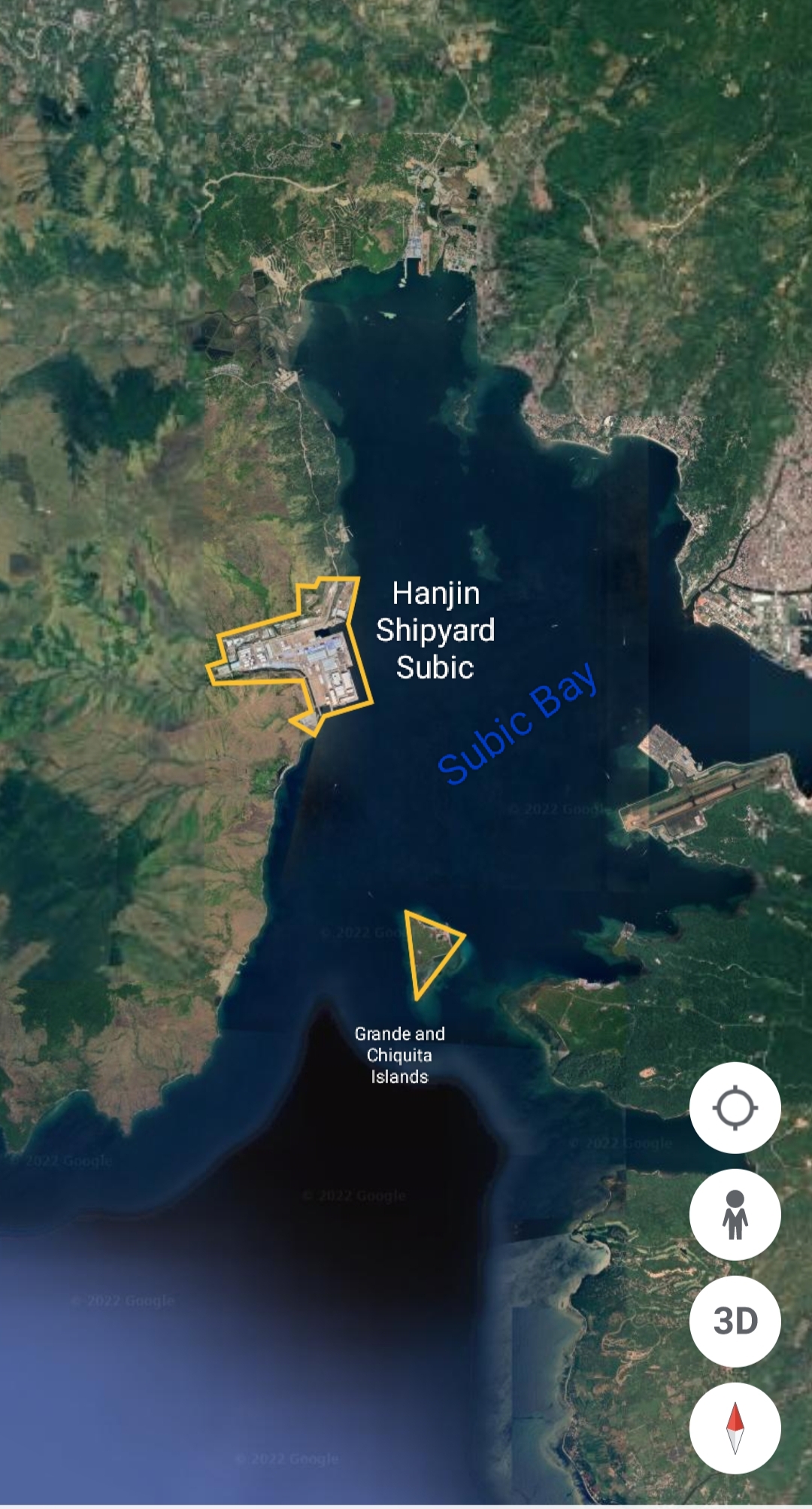
At the time, SBMA Chairman Wilma Esima rejected the Chinese proposal because it would entail building up to 80 high-end housing units on the water surrounding the islands.
Hanjin Subic Shipyard was completed in 2009 during the administration of former President Gloria Arroyo. It became one of the largest shipyards in the Asia Pacific region. In 2015, the Philippines was recognized as one of the world’s top 10 shipbuilders because of Hanjin. At the height of its operations, the shipyard employed around 35,000 workers.
