COVID-19 Is Also Posing An Environmental Threat With Plastic Waste, According to Study

The COVID-19 pandemic has forced more people to use more things like face masks and face shields, not to mention Personal Protective Equipment (PPEs) used in establishments that have closer contact with their customers, like medical facilities and hospitals. This integration into our daily lives has been hard, but like with vaccines, we understand the need for an added layer of protection. Whether you're one of those who worry about single-use plastics and try to reduce your own consumption or not, there's no denying that we've increased our contribution to waste: even when the usage of these products is mandatory.
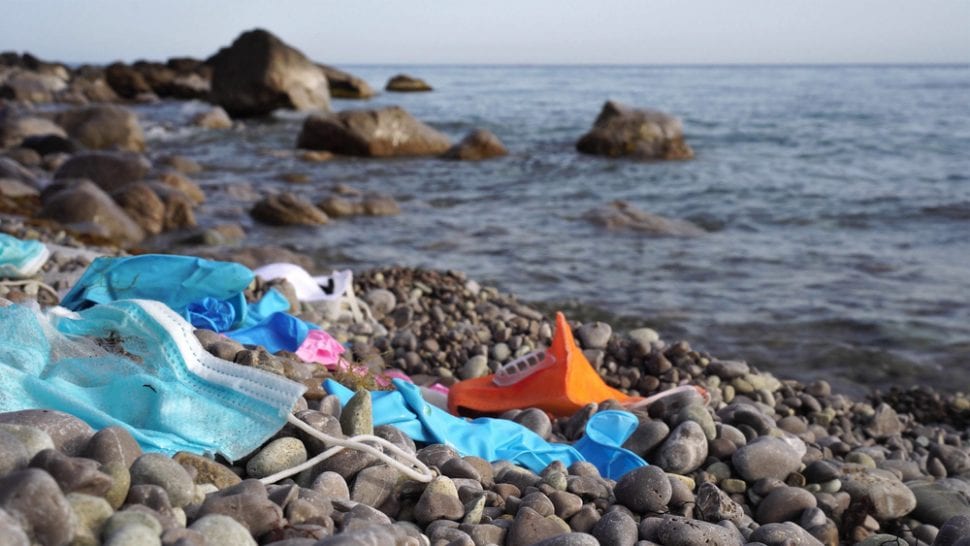
An estimated 25,900 tonnes of plastic are now in the ocean. If you've ever wondered how heavy that is, it's apparently the weight of 2,000 double-decker buses. It's a lot. While solid waste management has always been a problem, especially to us in Metro Manila, it seems like these items are making the deterioration of the environment faster by ending up in the ocean. We know that straws, bottles, and other kinds of plastic have harmed marine life ever since, but what about gloves and masks adding into the mix?
There are three studies that surfaced only this year, all detailing the impact of pandemic-associated plastic waste. The study released back in March was more on the effects of COVID-19 litter on animal life, including how a fish got caught in a medical glove that was discovered in Leiden, the Netherlands while doing a canal cleanup. Meanwhile, in Brazil, another study reported that a PFF-2 protective mask was found inside the stomach of a Magellanic penguin. These two studies offer more than enough proof of the devastating effects of the all that plastic waste due to COVID-19 materials in the ocean. But a third study in China entitled, “Magnitude and impact of pandemic-associated plastic waste” state that the increased demand for single-use plastic, all related to the pandemic and adding to the amount we normally use, has become a major global environmental concern. In particular, marine wildlife.
By the end of the century, the plastics we've used in the time of the pandemic will end up on beaches.
CONTINUE READING BELOWwatch now
Another prediction from the study is that, by the end of the century, the plastics we've used in the time of the pandemic will end up on beaches. The latter study also determined that most of this waste, about 46 percent since, comes from Asia, which has more mask-wearers. We can only imagine how the Philippines' use of face shield factors into this equation.Meanwhile, 24 percent of waste is from Europe, while North and South America contribute the last 22 percent. Most of this excess waste is from hospitals, as expected, but individual use also has a percentage in the damage. Apparently, even online-shopping package material is included in the plastic waste. While the government and larger corporations have more impact in preventing massive environmental concerns lie this, we might need to review our basics in segregating our garbage as well.
How did these plastics end up in the ocean? The study also details that 73 percent of this waste was originally from rivers in Asia. The top river from this number is the Shatt-Arab in Iraq, where a total of 5,200 tonnes of PPE were transferred from there to larger waters. However, other rivers have also become sources, like the Indus river in Tibet, the Yangtze river in China, and the Danube in Europe. It raises the concern of how rivers and watersheds are in need of more focus in terms of plastic waste management. The findings of the study concluded that a better medical waste management plan would benefit pandemic epicenters. Recently, around the world, there is an estimate of 8.4 million tonnes of plastic waste that comes from the COVID-19 pandemic.
The Philippines is one of the places in the world most affected by the COVID-19 pandemic, with the country barely scratching the surface of herd immunity and still trapped by the infamous face shield requirement in most cities. It was even reported that our country is the worst place to be in the world during this crisis, according to Bloomberg. As we recover from our losses and advocate for more vaccine rollouts, clearly there is a need to reassess the waste management we have in place, also considering the intense floodings caused by typhoons. While we can do our part in reducing and recycling plastic waste, demanding accountability from the government or voting for future leaders with solid plans for improved environmental action in the national elections in 2022 could help solve the problem. As an archipelago, we are more surrounded by beaches and waters in need of protection, aside from our economic advantages from fishery as one of the main livelihoods in many areas of the country.